An Giang in August offers a fresh Mekong Delta experience with rainy-season weather, rising canals, green wetlands and the early signs of the floating season. This is a suitable time for travelers who enjoy Tra Su Forest, Chau Doc border culture, Cam Mountain, Ta Pa Lake and peaceful river scenery before the peak season arrives.
With local travel experience in Vietnam Tours, Vietpower Travel helps travelers plan flexible An Giang journeys that match August weather, water levels and cultural routes. From eco-tourism to spiritual sites, each itinerary can be adjusted for comfort, safety and authentic local experiences.
August is part of the rainy season in An Giang, with warm temperatures, high humidity, regular rainfall and occasional thunderstorms influenced by the southwest monsoon. This weather makes canals, rice fields, wetlands and forests greener, but travelers should keep their schedule flexible.
If you plan to visit Tra Su forest, Cam Mountain, Ta Pa Lake or other An Giang Tourist Attractions, start early in the morning and prepare for sudden rain.
An Giang weather in August is warm and humid. The average temperature is around 27–28.5°C, while daytime highs can reach 31–34°C.
Rain showers are common, and thunderstorms may appear suddenly. Humidity is high, so the air can feel damp and heavy, especially after rain. Travelers should wear light clothes, bring a raincoat, waterproof shoes and mosquito repellent.
Rain gives An Giang a fresh, green look. Canals become fuller, rice fields look brighter, and wetlands such as Tra Su forest feel cooler and more scenic.
However, heavy rain can interrupt outdoor plans. Rural roads, mountain routes and lakeside paths may become slippery, especially around Cam Mountain and Ta Pa Lake. Boat tours are beautiful in August, but travelers should check the daily weather before departure.
For a smoother trip, plan outdoor activities in the morning and keep markets, pagodas, local food stops or cafés for rainy afternoons.
Let’s continue exploring more about Vietnam and all the incredible places it has to offer. Visit our Vietnam tourist attractions category to discover in-depth guides, travel ideas, and hidden gems across the country.
The An Giang floating season usually starts around August, when floodwater from the upper Mekong begins flowing into canals, wetlands, rice areas and border zones. This is the early floating season, so the water level is rising but has not reached its most scenic stage yet.
From September to October, the floating season in An Giang often becomes more impressive, with wider water landscapes, richer fishing life and greener wetland scenery. In August, travelers can still see the first signs of the Mekong flood season: fuller canals, fresh vegetation, active local fishing and changing river views.
August marks the start of the early floating season in An Giang. Water from the Mekong gradually reaches local canals, rural routes, wetlands and low-lying areas, creating the first layer of seasonal scenery.
At this time, the landscape starts to shift. Canals look fuller, wetland plants grow faster, and local fishing activities become more visible. Travelers who enjoy nature, river life and slow travel will find August meaningful, even though the peak scenery usually comes later.
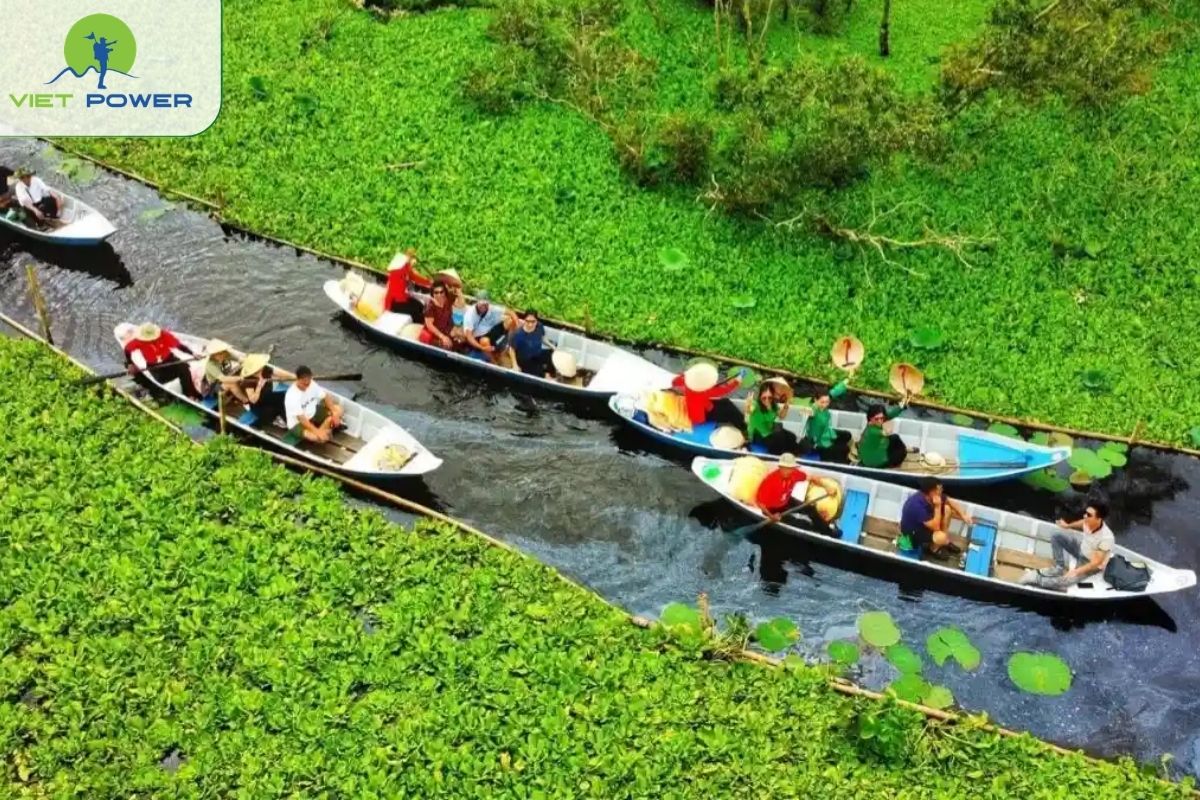
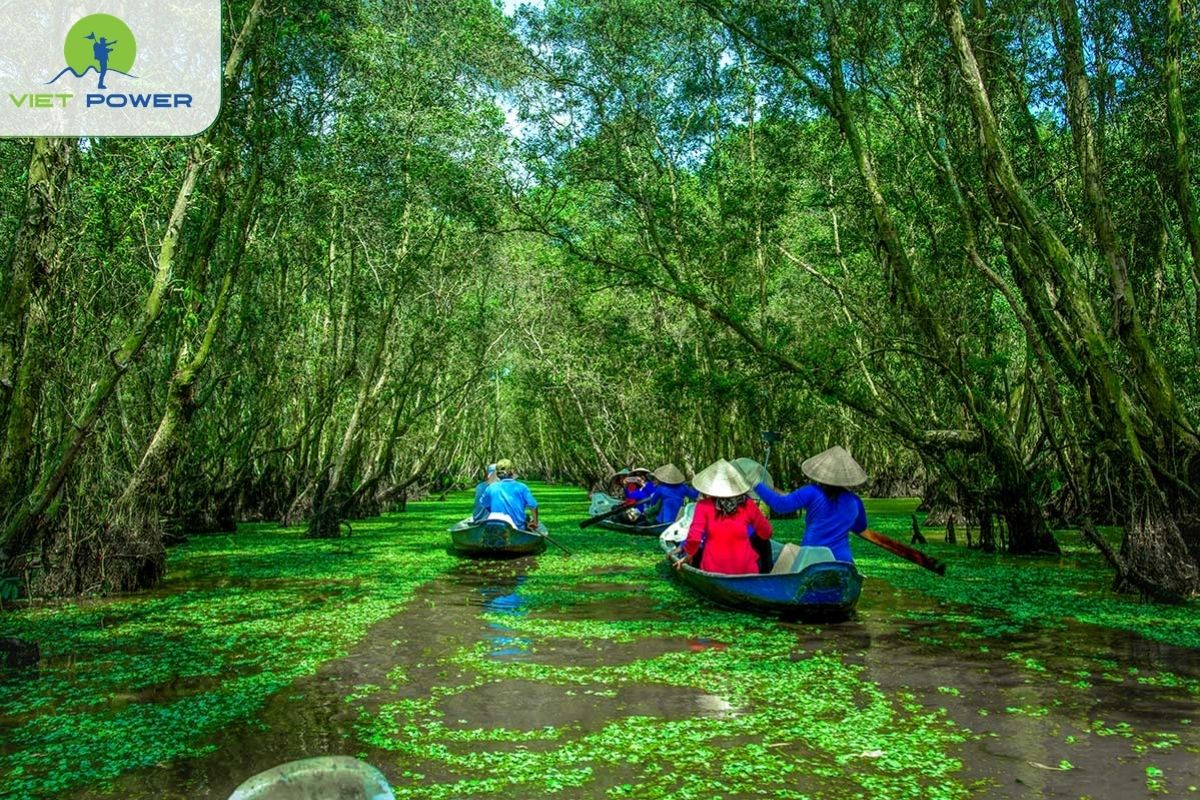
Yes, Tra Su forest is green in August. Rain feeds the wetland ecosystem, helping melaleuca trees grow lush and fresh. Duckweed and floating plants also begin covering the water surface, creating the early look of a green duckweed carpet.
Tra Su Melaleuca Forest feels cooler and more peaceful in August than during the dry season. The scenery is already beautiful, while the period from September to November often brings higher water levels and thicker layers of floating plants.
Rowing through Tra Su forest is one of the best things to do in An Giang in August. Travelers can sit on a small boat and move slowly through green canals, melaleuca trees, floating plants and bird habitats.
The boat trip in Tra Su feels calm and refreshing, especially when the boat glides over a soft green carpet of duckweed. For the best eco-tourism and birdwatching experience, visit early in the morning, when the air is cooler, birds are more active and the water surface is still quiet.
Where to Travel in August Vietnam is a question for travelers who love lush green landscapes, rainy season beauty, local festivals, and off-the-beaten-path experiences. From Tuyen Quang’s lantern culture and Na Hang Lake to Dak Nong waterfalls, An Giang river life, Dong Thap lotus wetlands, and Binh Phuoc forest escapes, August reveals a softer and more authentic side of Vietnam.
Chau Doc border city is a great base for exploring local markets, river life, Cham culture and spiritual sites in August. Travelers can also combine Chau Doc with nearby An Giang Tourist Attractions such as Tra Su forest, Sam Mountain and Bay Nui.
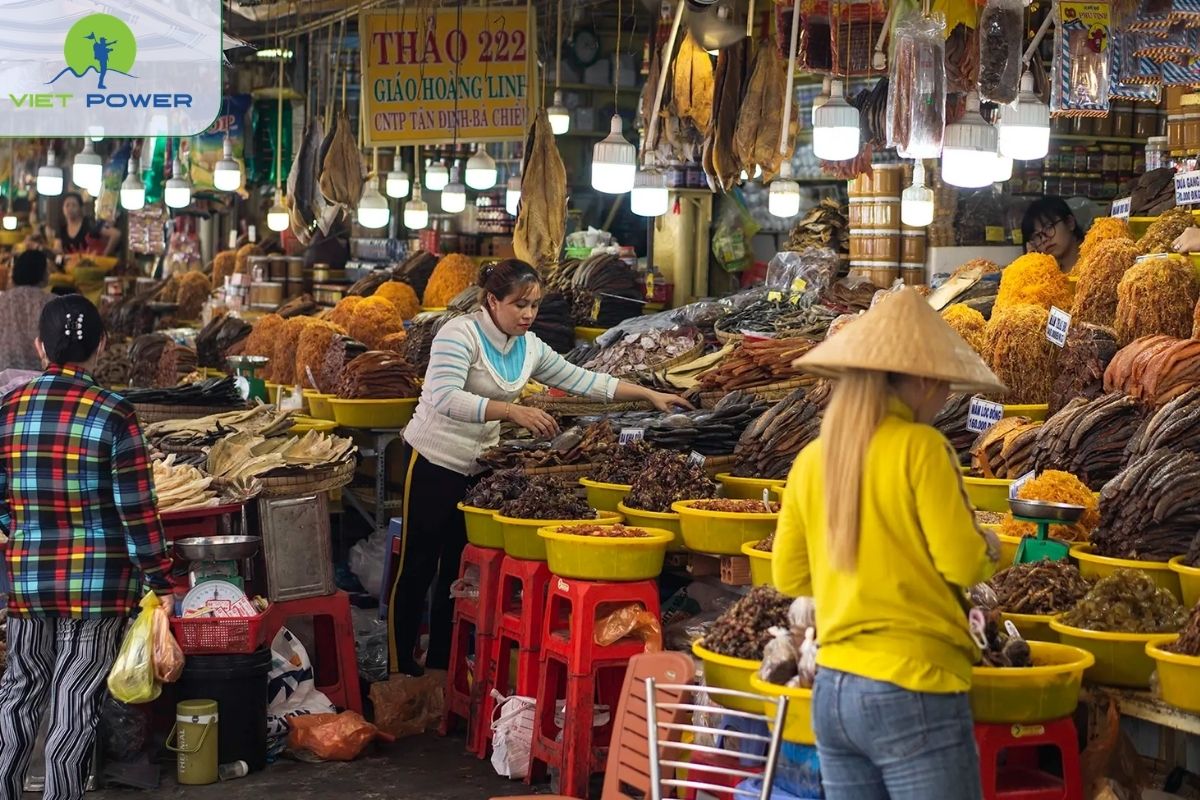
Chau Doc Market is a lively stop to experience local life in the Mekong Delta. The market is famous for fermented fish, fresh produce, palm sugar products, local snacks and bún cá Châu Đốc.
In August, this is also a practical place to visit during rainy hours. Travelers can enjoy food stalls, buy local specialties and avoid staying outdoors for too long.
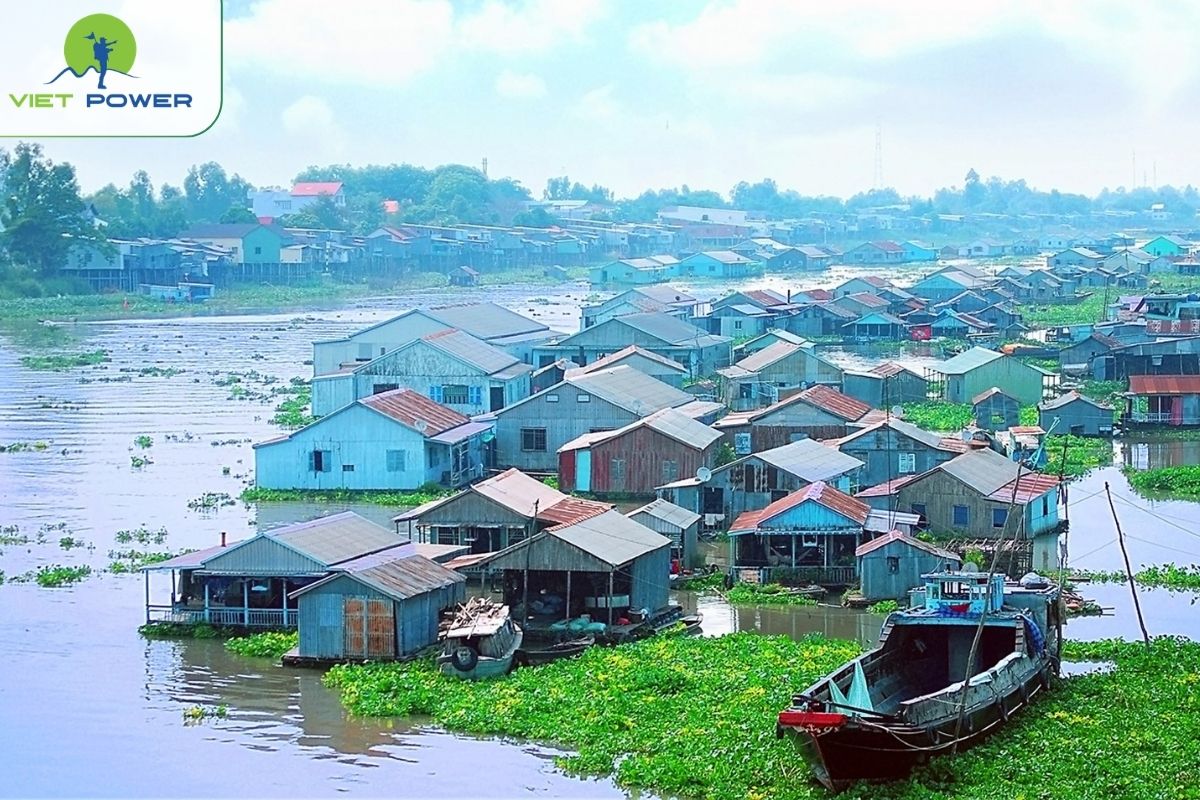
A boat trip to the Chau Doc floating village gives travelers a closer look at river-based livelihoods. Along the water, you can see floating houses, fish cages and local families living with the river.
This experience fits well with the early floating season in An Giang. As water levels begin to rise, the river scenery becomes more active and reflects Mekong Delta culture clearly.
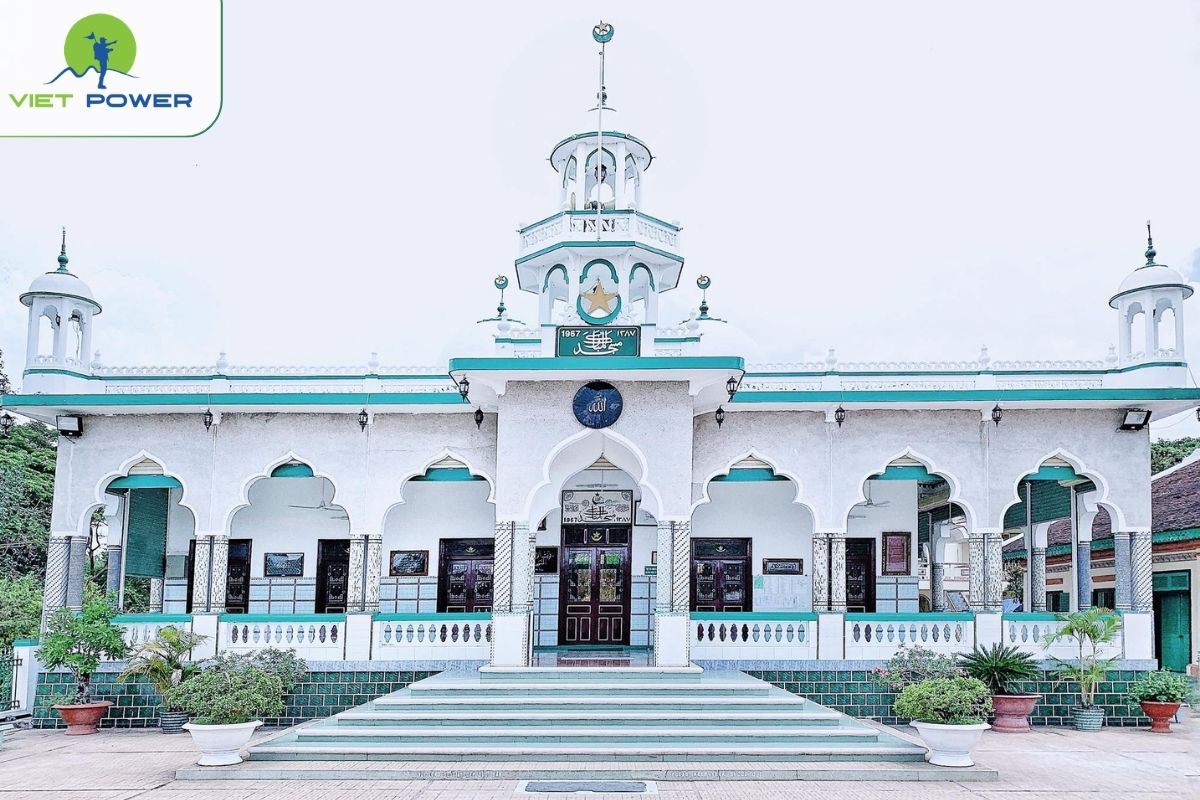
Near Chau Doc, Chau Giang is known for Cham culture, stilt houses, weaving traditions and Islamic identity. Mubarak Mosque is one of the most recognizable cultural sites in the area.
Travelers should dress respectfully, speak softly in religious spaces and ask before taking photos of local people.
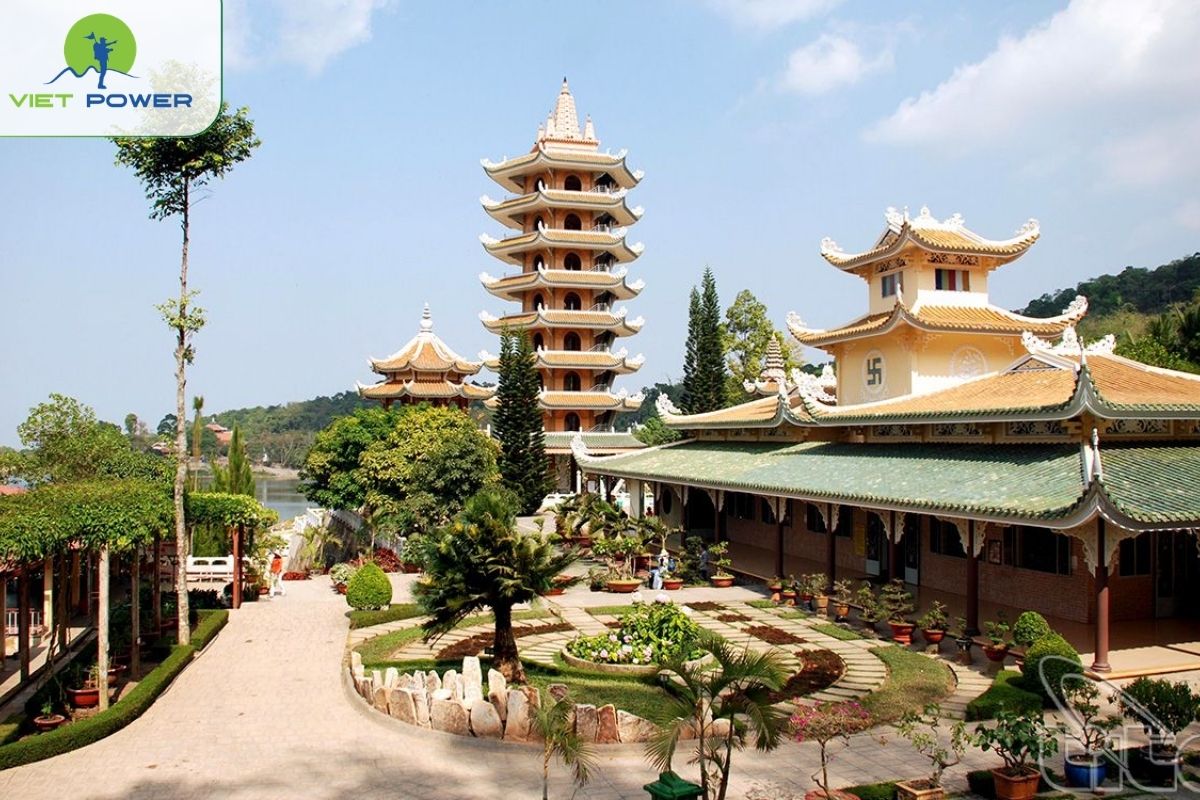
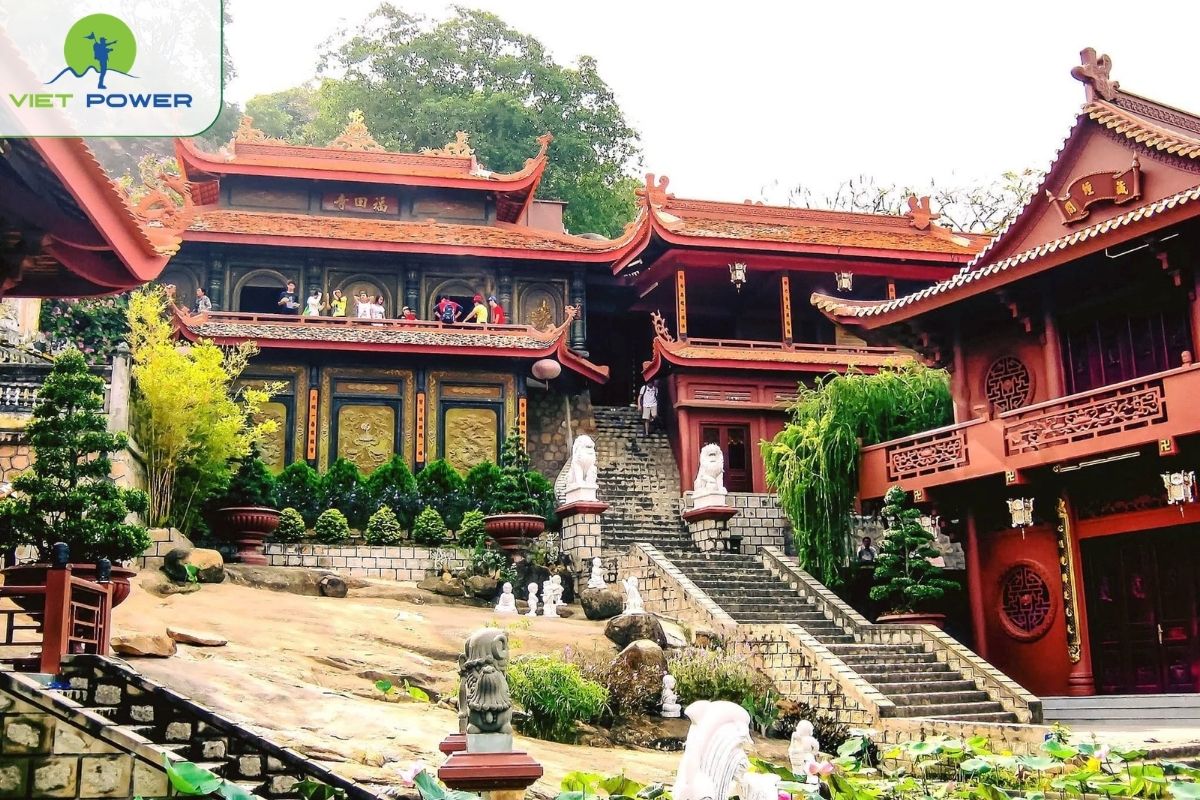
Sam Mountain is a major spiritual area in Chau Doc. Popular stops include:
These sites are suitable for cultural and spiritual tourism in August, especially in the morning or after light rain. If heavy rain appears, travelers should avoid moving uphill and wait until paths are safer.
Discover more posts on the same topic to deepen your travel inspiration:
This An Giang August itinerary is planned for morning, afternoon and evening, making it easier for travelers to adjust around rain, humidity and sudden thunderstorms in August.
Day 1: Chau Doc – Floating Village – Sam Mountain
Morning: Chau Doc Market and Local Breakfast
Start your Chau Doc itinerary at Chau Doc Market. Try local breakfast dishes such as bún cá Châu Đốc, local snacks, palm sugar products and fermented fish specialties. This is also a good time to experience the daily rhythm of Chau Doc border city.
Afternoon: Floating Village, Cham Village and Sam Mountain
Take a boat trip to Chau Doc floating village to see floating houses, fish cages and river-based life. If you prefer culture, visit Chau Giang Cham Village to learn about stilt houses, weaving traditions and Mubarak Mosque.
After that, continue to Sam Mountain and visit Ba Chua Xu Temple, Tay An Pagoda and Chua Hang. If heavy rain appears, slow down the schedule and avoid uphill paths.
Evening: Hau River Sunset and Local Food
End the day by watching the sunset along the Hau River. For dinner, choose local dishes in Chau Doc and enjoy a relaxed evening after a day of cultural and spiritual tourism.
Day 2: Tra Su Forest – Tri Ton – Ta Pa Lake
Morning: Rowing Through Tra Su Forest
Begin early with a Tra Su day trip. Morning is the best time to row through green canals, melaleuca trees, floating plants and bird habitats. The air is cooler, the water surface is calmer and the wetland scenery feels fresher.
Afternoon: Tri Ton Route and Ta Pa Lake
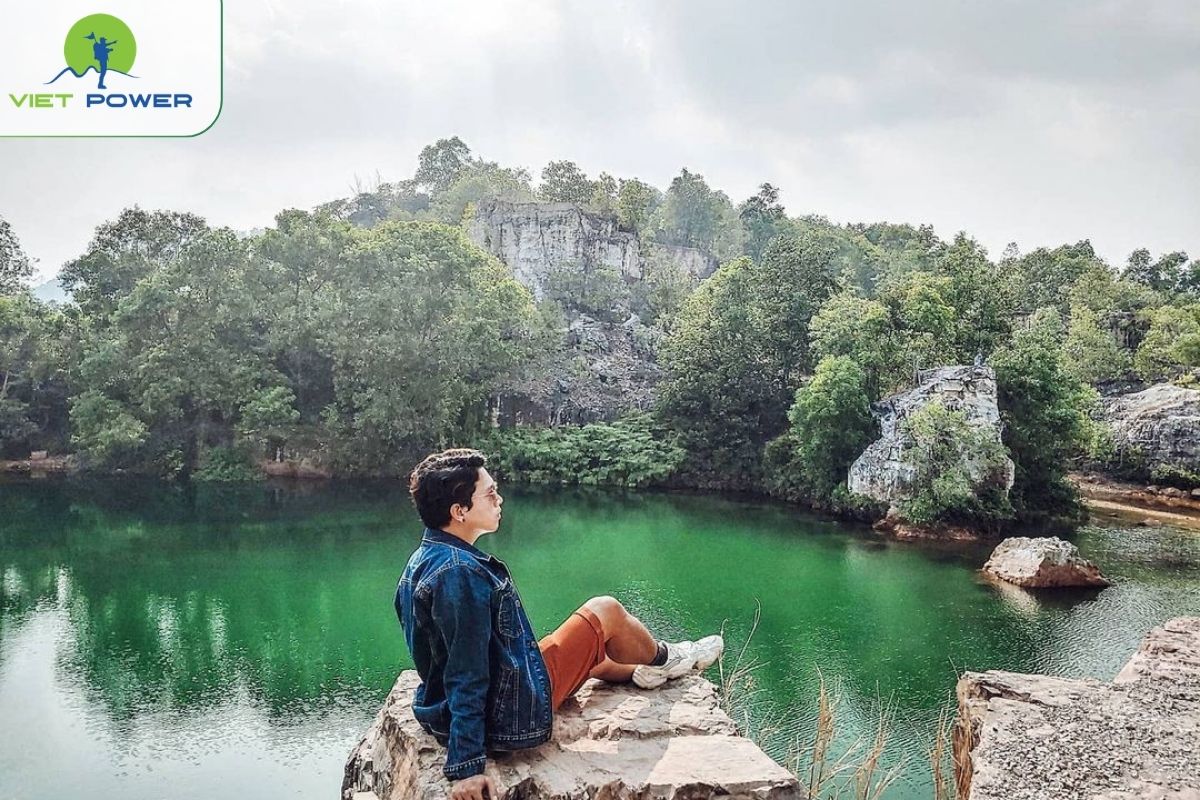
Travel toward Tri Ton after visiting Tra Su forest. If the weather is clear, visit Ta Pa Lake for mountain views, photography and peaceful lake scenery. If rain appears, switch to Khmer pagodas or local food stops in Tri Ton.
Evening: Return to Chau Doc or Continue to Long Xuyen
Return to Chau Doc for another night or continue to Long Xuyen if your next route requires it. Keep this part flexible because August rain can affect road conditions.
Day 3: Cam Mountain – Bay Nui – Local Specialties
Morning: Cable Car to Cam Mountain
Start early and take the cable car to Cam Mountain. This is the easiest choice in August, especially after rain. From the top, visit spiritual sites, viewpoints and peaceful mountain areas.
Afternoon: Bay Nui Landscapes and Khmer Pagodas
Continue exploring Bay Nui landscapes or nearby Khmer pagodas if the weather is good. This part of the route gives travelers a deeper look at Khmer culture, mountain scenery and rural life around Tri Ton and Tinh Bien.
Evening: Local Specialties and Flexible Return
Try local dishes such as banh bo thot not, palm sugar products, gà đốt lá chúc or other Tri Ton specialties. Then return to Chau Doc, Long Xuyen or continue your wider Vietnam Tours route.
You can find more posts related to this topic in the category below:
August is rainy, humid and linked with the early floating season, so travelers should prepare for sudden showers, wet roads and flexible sightseeing. These tips are useful when visiting Tra Su forest, Chau Doc, Cam Mountain, Ta Pa Lake and other An Giang Tourist Attractions.
Packing for An Giang in August should focus on comfort, rain protection and quick movement between outdoor and covered stops. The weather can shift fast, so light and practical items work best.
Rainy season travel in An Giang can be enjoyable if you plan with enough room for weather changes. Outdoor sites are best visited early, while markets, pagodas and food stops are good choices for rainy hours.
The floating season brings rich wetland scenery and supports local livelihoods. Travelers should explore gently, respect local culture and help protect the natural areas they visit.
An Giang in August is ideal for travelers who want to see a greener, quieter and more cultural side of the Mekong Delta. Rain may change the schedule, but it also brings life to Tra Su Forest, floating villages, rice landscapes and local river culture.
Plan your trip with Vietpower Travel to explore Vietnam with a well-paced itinerary, local insight and meaningful experiences. Start your journey through Vietnam and discover more inspiring An Giang Tourist Attractions along the way
Please kindly send us your ideas about the tours: destinations, attractions, your group, hotel class... we will get back to you with details & best offers quickly. Surely, you will feel satisfactory!
 |
 |
 |
 |
 |
 |

.jpg) Customize Your Trip
Customize Your Trip
 Vietnam
 Thailand
 Laos
Laos Indonesia
 Cambodia
 Myanmar
 Indochina Tours