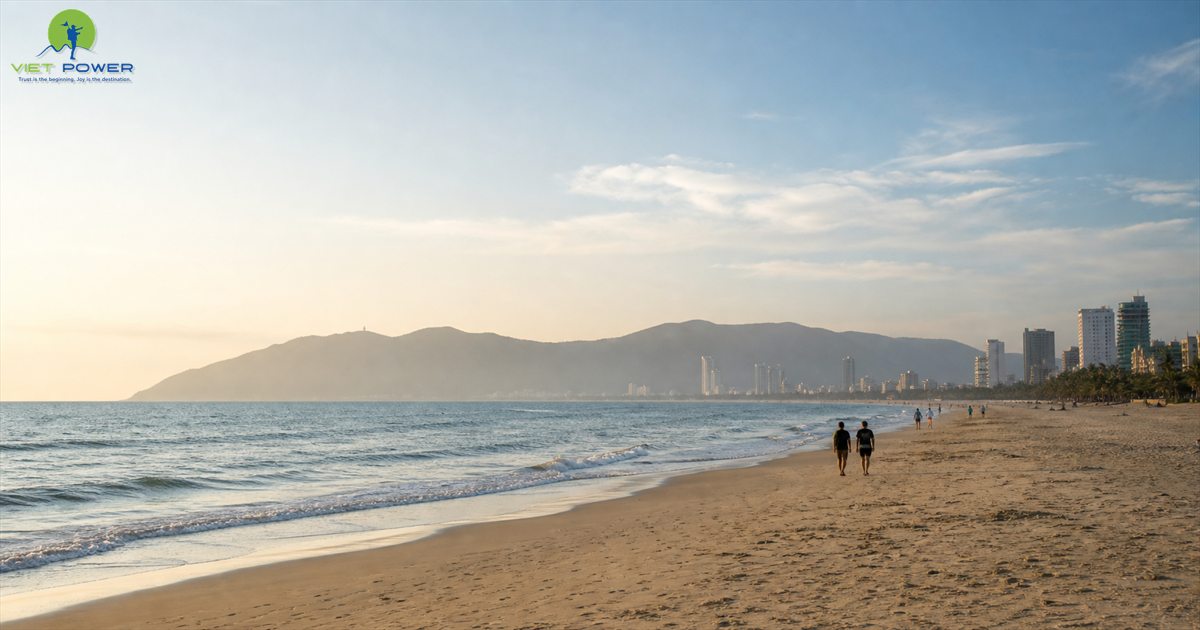
Planning a trip to central Vietnam? Discover what to expect from Danang Vietnam weather in February. From beaches and cultural sites to food tours, Da Nang offers a balanced mix of experiences. With insights on Da Nang Temperature Monthly, travelers can prepare better for their journey. Let's explore with Vietpower Travel in the following post!
February offers some of the best conditions to experience Danang weather in february. The climate is dry, mild, and pleasantly cool compared to the hotter summer months. Visitors can enjoy comfortable days perfect for walking tours, mountain hikes, and evenings with a refreshing coastal breeze.
This month also coincides with Tet Lunar New Year, which fills the city with festive energy, fireworks, and cultural activities. With fewer rainy days than other times of the year, travelers can plan outdoor adventures with confidence.
From a climate perspective, the average cloud cover is around 46%, giving a balanced mix of sunny skies and light shade—ideal for sightseeing and photography. The Air Quality Index (AQI) typically falls between 20 and 40, a safe level for travelers of all ages to explore Da Nang without health concerns.
.jpg)
Danang’s weather follows predictable patterns shaped by its tropical monsoon coastal geography. this guide serves as a practical resource for anyone preparing a trip to Da Nang.
The Temperature in Da Nang during February ranges from 20–25°C in the daytime, while evenings cool down to about 18–20°C. These stable conditions make it easy to plan both daytime excursions and relaxed evening walks.
At dawn, the atmospheric pressure averages 1012–1015 hPa, which often results in calm mornings—perfect for sunrise hikes at Son Tra Peninsula or early photography sessions along My Khe Beach.
February is recognized as the driest month of the year, with just 20 mm of rainfall spread over 5–6 days. Showers are short and rarely disrupt travel schedules.
Nighttime humidity levels average between 85–87%, giving evenings a slightly moist feel, but still comfortable for dining outdoors or attending cultural shows. The risk of hail is nearly zero, ensuring safe conditions for exploring the city and nearby attractions.
Travelers can expect about 7 hours of sunshine per day and roughly 11.5 hours of daylight, allowing plenty of time to enjoy excursions.
The UV Index reaches around 6, which is considered high, so sunscreen and sunglasses are essential for daytime activities. Cloud cover helps balance brightness, preventing the heat from becoming overwhelming while still providing clear skies for sightseeing.
Typical breezes range between 8–10 mph, offering a refreshing feel as you explore the coastline or riverfront. On certain days, wind gusts can reach up to 15 mph, noticeable but generally pleasant—especially for those enjoying outdoor dining or walking along Da Nang’s bridges.
.jpg)
During the day, lightweight cotton clothes are comfortable for sightseeing. A sun hat and swimwear are useful if you plan to visit My Khe Beach or the Son Tra Peninsula. In the evening, a light jacket is practical since the breeze can make it cooler, especially along the riverside. The evening Temperature in Da Nang is usually between 18–20°C, so packing an extra layer helps you stay comfortable.
February overlaps with the Tet holiday, so travel demand is high. To avoid last-minute problems:
.jpg)
Let’s continue exploring more about Vietnam and all the incredible places it has to offer. Visit our Vietnam weather category to discover in-depth guides, seasonal travel tips, and advice on the best time to visit each region.
February often overlaps with Tet Lunar New Year, Vietnam’s biggest annual celebration. Da Nang becomes vibrant with decorations, flower markets, and festive crowds.
.jpg)
.jpg)
.jpg)
Continue exploring similar posts to learn more about Vietnam’s weather patterns and how they can help you plan the perfect trip:
.jpg)
Choosing a reliable travel partner is essential for a smooth journey, and Vietpower Travel has built its reputation as one of Vietnam’s most trusted tour operators. The company holds the official International Tour Operator License (01-711/TCDL-GPLHQT), which guarantees compliance with national tourism standards. Over the years, Vietpower Travel has earned recognition on TripAdvisor thanks to positive feedback from international travelers who value its professional service and authentic itineraries. With 24/7 customer support, Vietpower ensures every guest receives timely assistance, from booking to the end of the trip. Whether you are looking for customized tours, secure payment options, or local expertise, Vietpower Travel provides peace of mind and a seamless travel experience.

1. Is February a good time to visit Da Nang?
Yes. February is part of the dry season, offering mild temperatures, fewer rainy days, and festive Tet celebrations.
2. What is the coldest month in Da Nang?
January is generally the coldest, with average lows around 18°C. February remains cool but more comfortable.
3. When should I avoid Da Nang?
October and November bring the highest rainfall and occasional typhoons. These months are less suitable for outdoor travel.
4. Is February a good time to visit Vietnam?
Yes. Across the country, February is pleasant. Northern Vietnam is cool and dry, central Vietnam (including Da Nang) enjoys mild weather, and southern Vietnam has warm, sunny days.
Overall, Danang weather in February creates ideal conditions for both sightseeing and relaxation, with mild temperatures, clear skies, and festive energy. Visitors can enjoy everything from beach walks to cultural trips in Hoi An and Hue. To make your journey effortless, choose Vietpower Travel – a licensed international tour operator offering secure booking, tailored itineraries, and 24/7 support for your Vietnam adventure.