Da Nang is one of Vietnam’s most attractive coastal cities. It is famous for a rare balance of beautiful beaches, dramatic mountains, cultural heritage, and modern urban life. Travelers can relax by the sea in the morning, explore ancient temples at midday, and enjoy vibrant city scenes at night.
In this blog, let’s introduce the best places to visit in Da Nang. With local expertise and flexible itineraries, Vietpower Travel makes discovering Da Nang simple, comfortable, and memorable.
Da Nang is located on Vietnam’s central coast, between Hue and Hoi An. The city combines natural beauty with modern infrastructure.
Unlike many busy metropolises, Da Nang feels open and relaxed. Wide roads, green parks, and a long coastline define its landscape. At the same time, mountains and rivers sit close to the urban center, creating a unique setting.
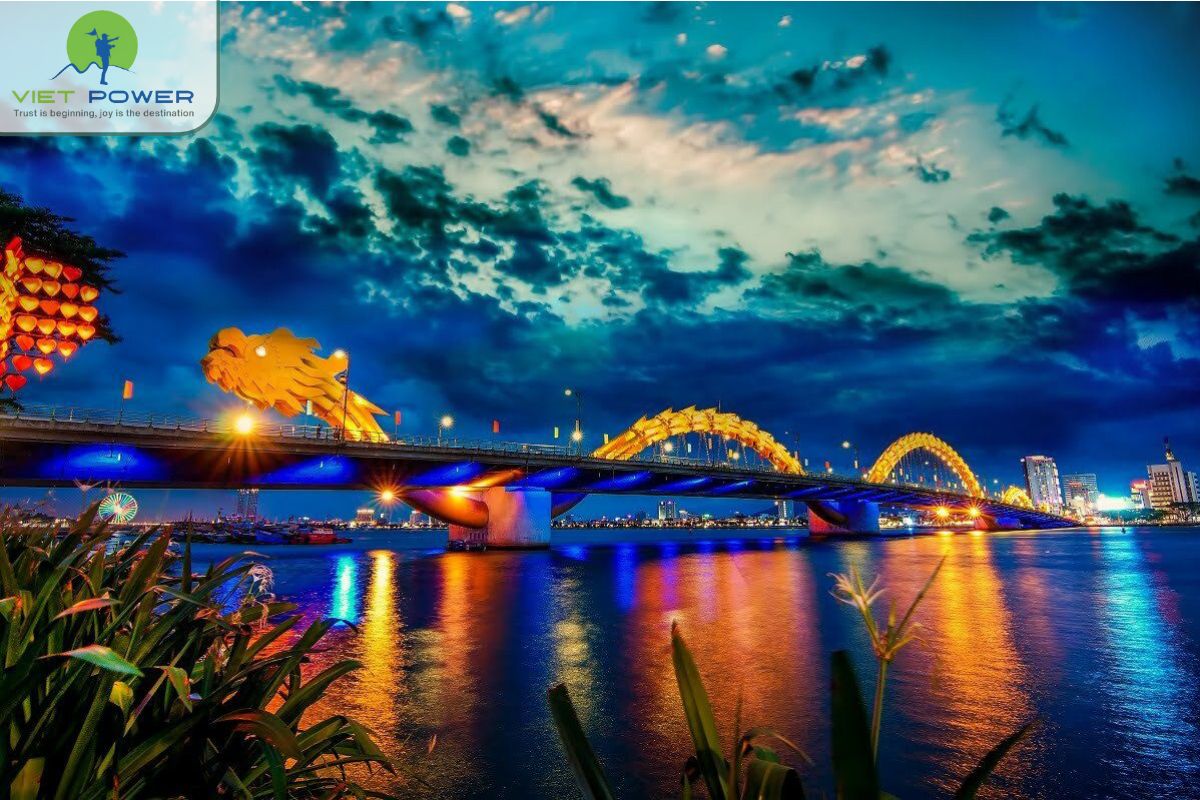
The city is also famous for its safety and cleanliness. These qualities make Da Nang especially attractive for families, solo travelers, and first-time visitors to Vietnam.
Fact: Da Nang Is Known as Vietnam’s “Most Livable City”. Da Nang is often referred to as Vietnam’s most livable city. This reputation comes from its clean streets, open public spaces, lower congestion, and strong focus on urban planning. Many Vietnamese choose to relocate here for a better quality of life.
Is Da Nang an expensive city for tourists? Da Nang is generally affordable compared to other major tourist cities in Asia. Accommodation, food, transportation, and many attractions are reasonably priced. Public beaches and city landmarks are free, helping travelers manage their budgets easily.
Da Nang International Airport connects directly to major domestic and regional destinations. From the airport, most hotels and attractions are within a short drive. Public transport, taxis, and ride-hailing services are affordable and easy to use.
Because of this convenience, Da Nang works well for both short breaks and longer holidays
How many days are enough for Da Nang? Three days allow visitors to see major city attractions. Four to five days provide time for Ba Na Hills and day trips. Longer stays suit relaxed travel styles.
Let’s continue exploring more about Vietnam and all the incredible places it has to offer. Visit our Vietnam tourist attractions category to discover in-depth guides, travel ideas, and hidden gems across the country.
Nature is one of the strongest reasons people visit Da Nang. The city offers beautiful beaches and dramatic limestone landscapes within short distances.
Da Nang’s coastline stretches for more than 30 kilometers. Most beaches are public and easy to access.
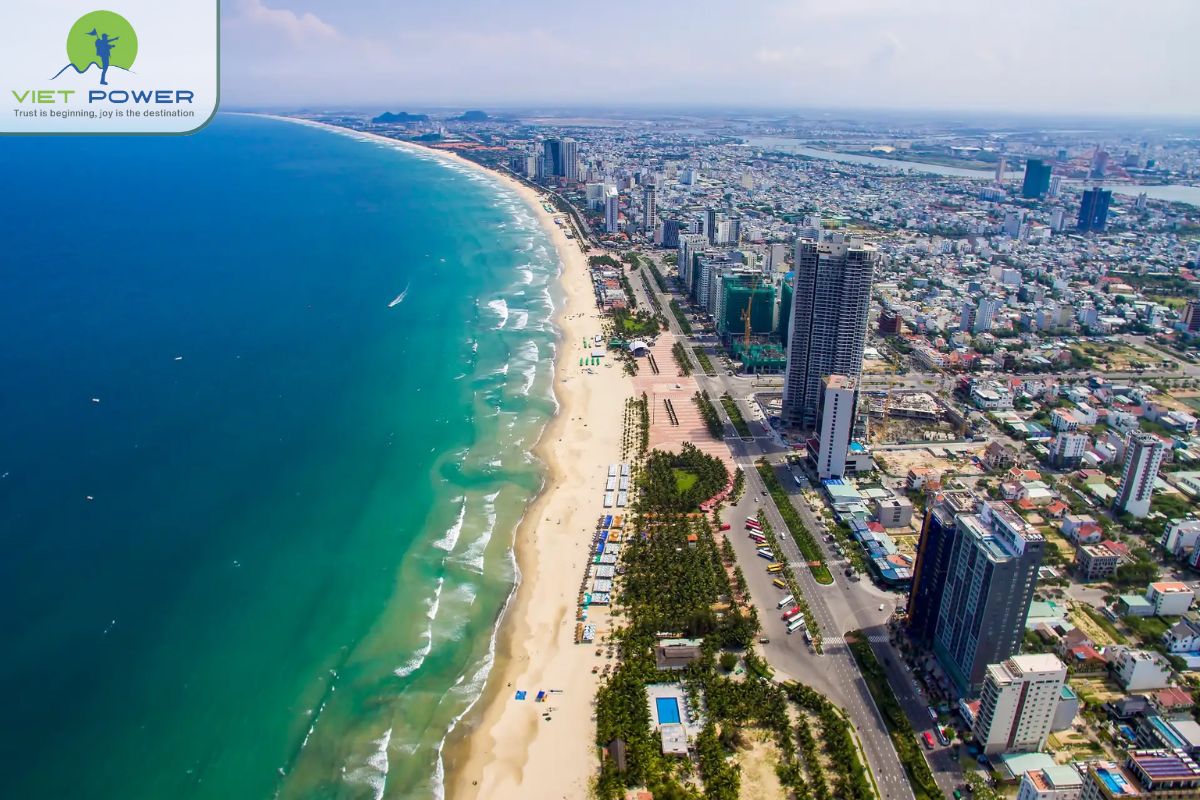
My Khe Beach: My Khe Beach is the most famous beach in the city and one of the most popular in Vietnam. The sand is soft and white, while the water is calm for most of the year. Swimming conditions are generally safe, especially during the dry season.
Early mornings are ideal for a visit. The beach comes alive with local residents exercising and fishermen returning with their catch. In the afternoon, cafes and seaside restaurants offer shaded places to relax.
Fact: My Khe Beach Was Once Called “China Beach” by the U.S. Soldiers. During the Vietnam Resistance War, My Khe Beach was known as “China Beach” by American soldiers. It was used as a rest and recreation area due to its long stretch of sand and calm waters.
Decades later, the same beach has transformed into one of the most beautiful and peaceful public beaches in Vietnam.
Other notable beaches: Non Nuoc Beach lies near the Marble Mountains and has a quieter atmosphere. It is perfect for travelers who prefer peaceful surroundings. On Son Tra Peninsula, Bai But Beach offers clear water and a more natural setting.
Most beaches in Da Nang are public and free, making them accessible for all budgets.
The Marble Mountains consist of five limestone and marble hills, each named after a natural element. The area combines natural beauty with spiritual significance.
Visitors can climb stone steps, explore caves, and visit pagodas hidden within the mountains. Several viewpoints provide panoramic views of the coastline and city below. Although the climb can be challenging, the experience is rewarding.
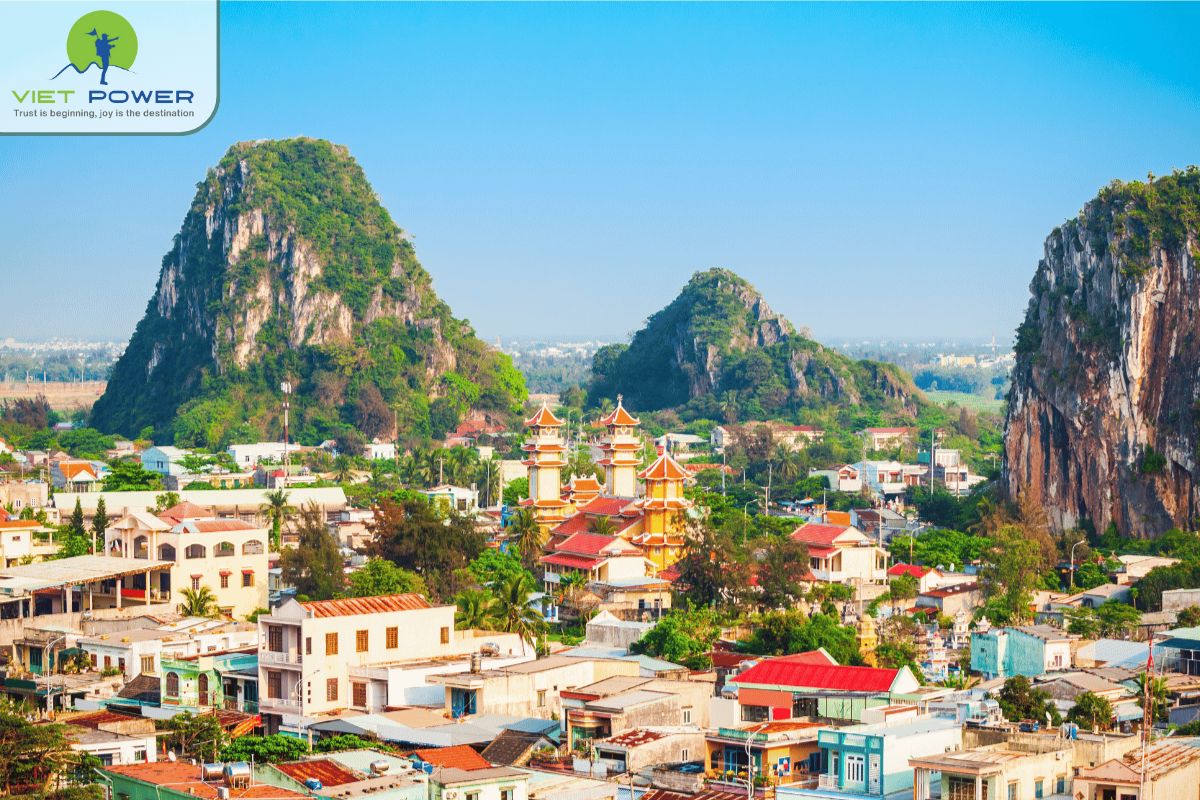
How much time to spend at the Marble Mountains? Most visitors spend 2 to 3 hours exploring the Marble Mountains. This allows enough time to visit caves, pagodas, viewpoints, and walk through the main paths without rushing.
The Marble Mountains are best visited in the morning. This timing helps avoid heat and large tour groups.
Son Tra Peninsula, also called Monkey Mountain, lies northeast of the city center. It is a protected nature reserve with forested hills and coastal roads.
One highlight is Linh Ung Pagoda, home to the Lady Buddha statue. From here, visitors enjoy sweeping views of the sea and city. Wildlife sightings, including rare monkeys, are possible in quieter areas.
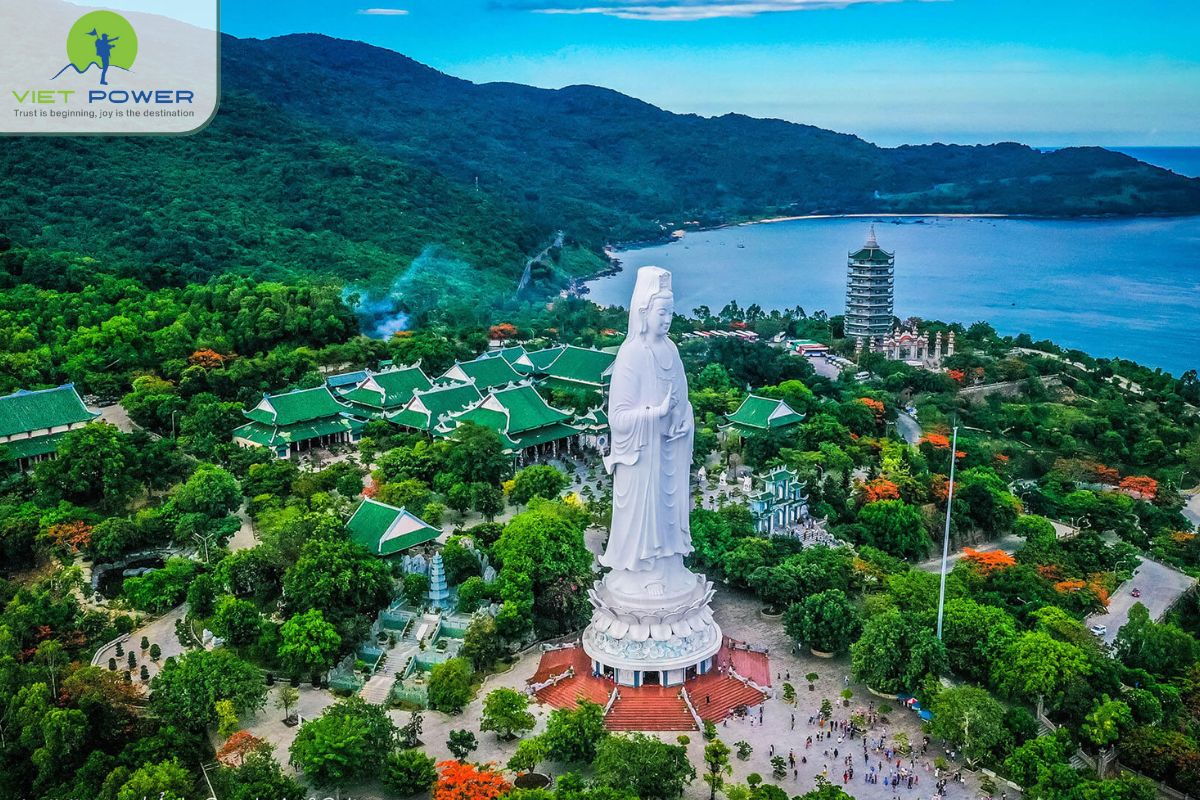
Fact: Da Nang has three famous Linh Ứng Pagodas, forming a “spiritual triangle” believed to protect the city: Linh Ung Pagoda at Bai But (Son Tra Peninsula), Linh Ung Pagoda at the Marble Mountains (Ngu Hanh Son), and Linh Ung Pagoda at Ba Na Hills. Each pagoda features its own unique architecture and setting.
Wildlife sightings are possible, especially in less crowded areas. The peninsula is ideal for travelers who enjoy nature and photography.
Beyond beaches and mountains, Da Nang offers urban attractions that reflect its culture and modern development.
The Han River flows through the center of Da Nang and shapes much of the city’s identity. In the evening, riverbanks become lively with locals and visitors strolling, dining, and enjoying the breeze.
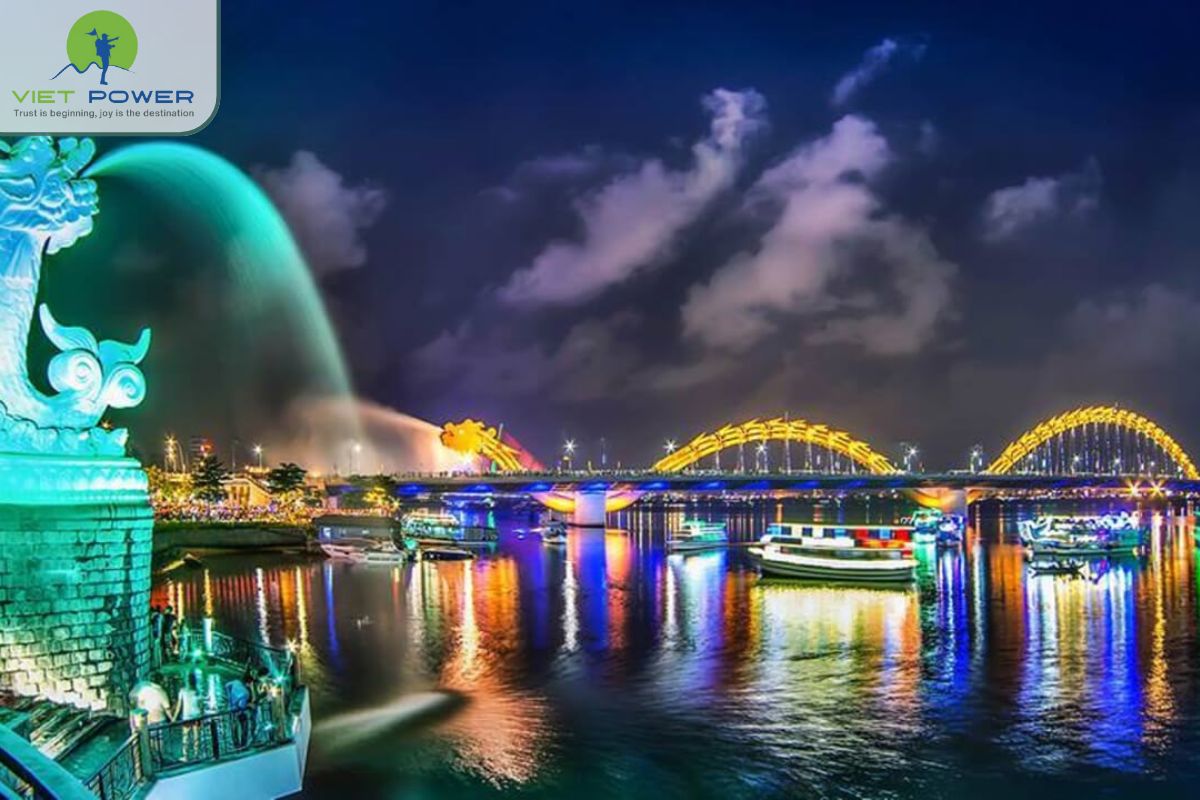
The Dragon Bridge is the city’s most recognizable landmark. Supported by giant stone hands, the bridge has become an international icon.
The Dragon Bridge was designed in the shape of a dragon facing the sea. In Vietnamese culture, dragons symbolize power, prosperity, and protection. The fire- and water-breathing feature represents the city’s wish for economic growth and good fortune.
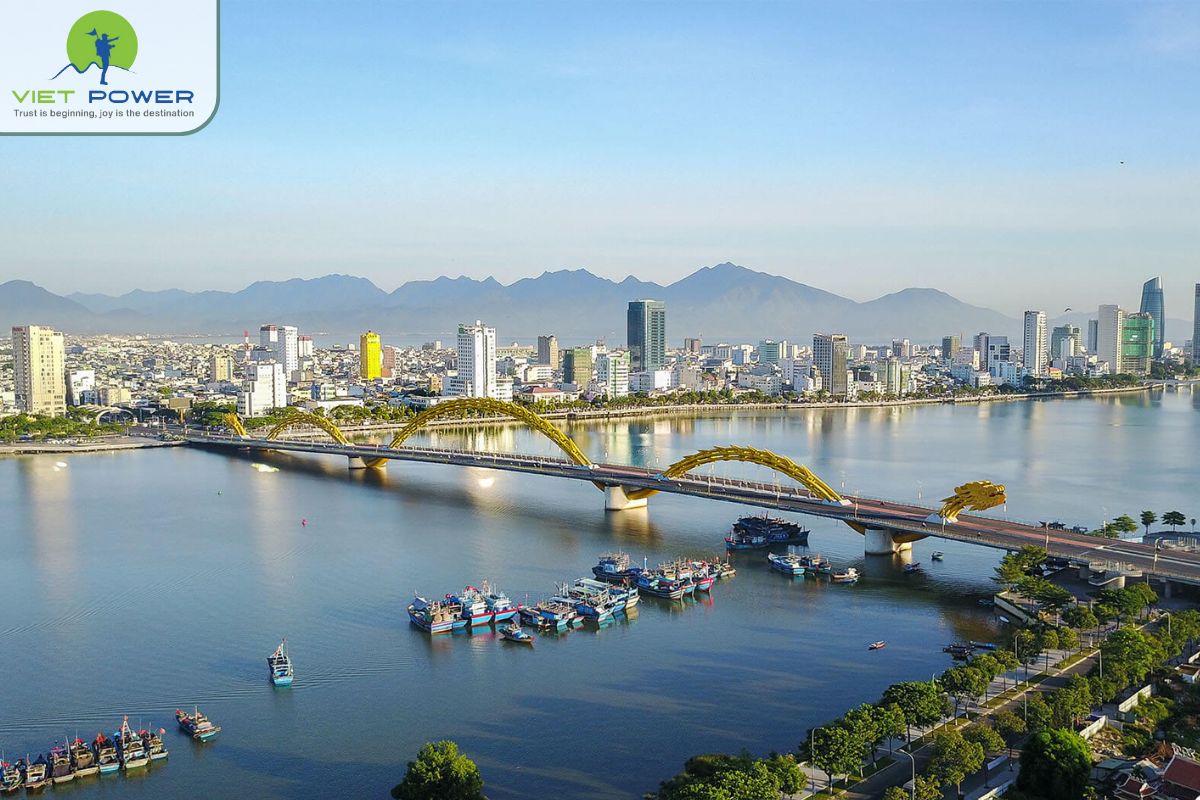
On weekend nights, it performs a fire and water show. This event attracts both locals and tourists. Other bridges, such as Tran Thi Ly Bridge, also contribute to the city’s modern character.
Da Nang’s cultural landmarks provide insight into its history and spiritual life.
Da Nang Cathedral
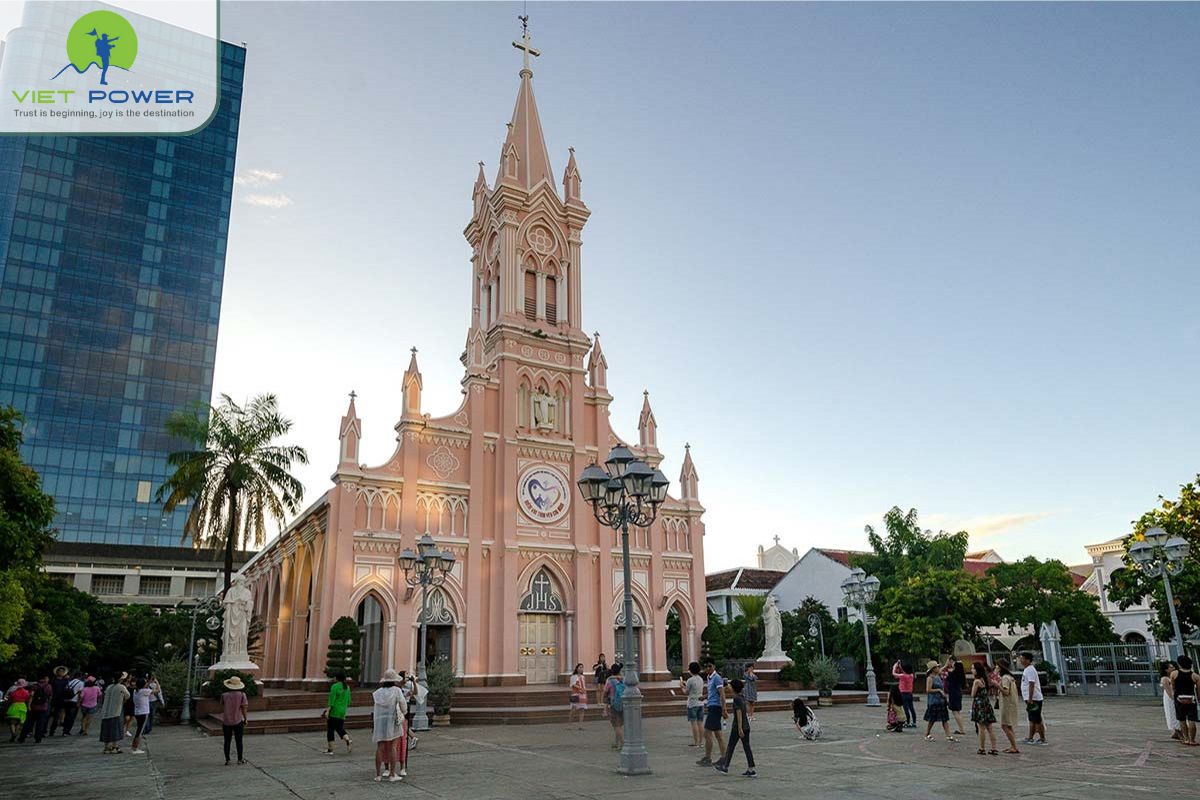
Da Nang Cathedral is a pink Gothic-style church built during the French colonial era. Its simple yet distinctive design makes it easy to recognize. The cathedral sits close to the city center, making it a convenient stop during sightseeing.
Even short visits allow travelers to appreciate its architecture and calm atmosphere.
Museum of Cham Sculpture
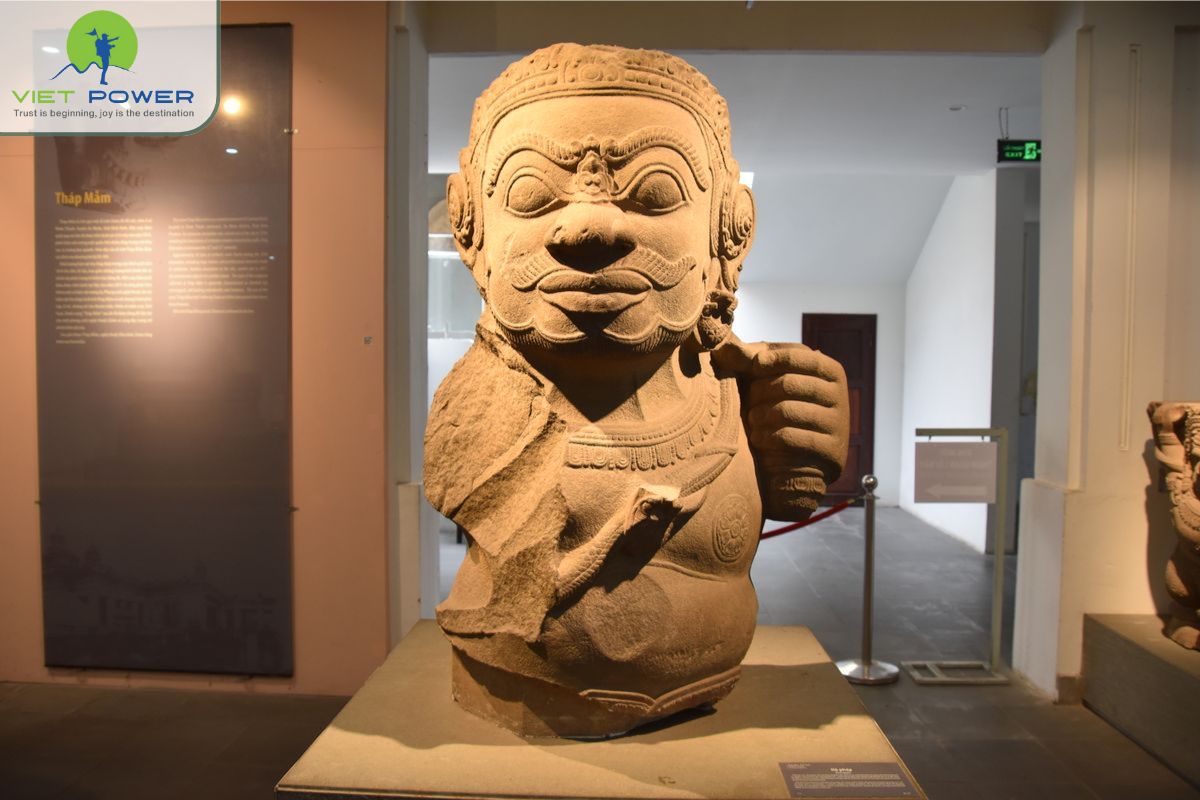
The Museum of Cham Sculpture houses the world’s largest collection of Cham artifacts. These sculptures date back centuries and reflect the artistic and religious traditions of the Champa civilization.
The museum visit adds historical context to nearby sites like My Son Sanctuary. It is especially valuable for travelers interested in art and archaeology.
Many travelers consider it one of the must-visit places in Da Nang because it offers cool weather and unique scenery. Visitors reach Ba Na Hills by cable car, which ranks among the longest and highest cable car systems in the world. During the ride, you can enjoy impressive views of forests, waterfalls, and valleys below.
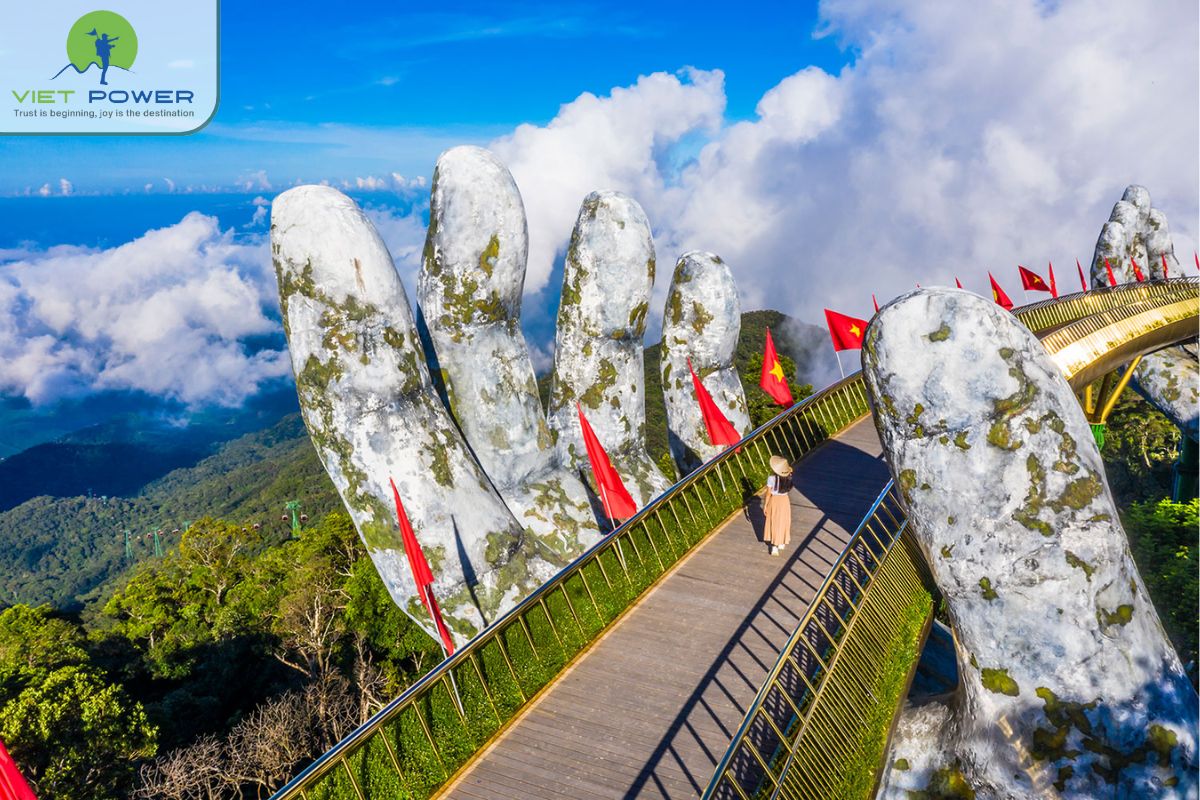
At the top, Ba Na Hills feels like a different world. The area features colorful flower gardens, wide viewpoints, and European-style buildings inspired by French architecture.
One of the main highlights is the Golden Bridge, which attracts visitors from around the world for its striking design and mountain backdrop. In addition, the complex offers walking paths, cafes, and entertainment areas that suit different travel styles.
Because Ba Na Hills is very popular, it is best to visit early in the day. Arriving early helps you avoid large crowds and long waiting times. Moreover, the cooler mountain climate provides a pleasant break from Da Nang’s coastal heat.
People wonder Can Da Nang be used as a base for exploring nearby destinations? Da Nang’s central location makes it an excellent base for nearby destinations. Several attractions are reachable within one to two hours.
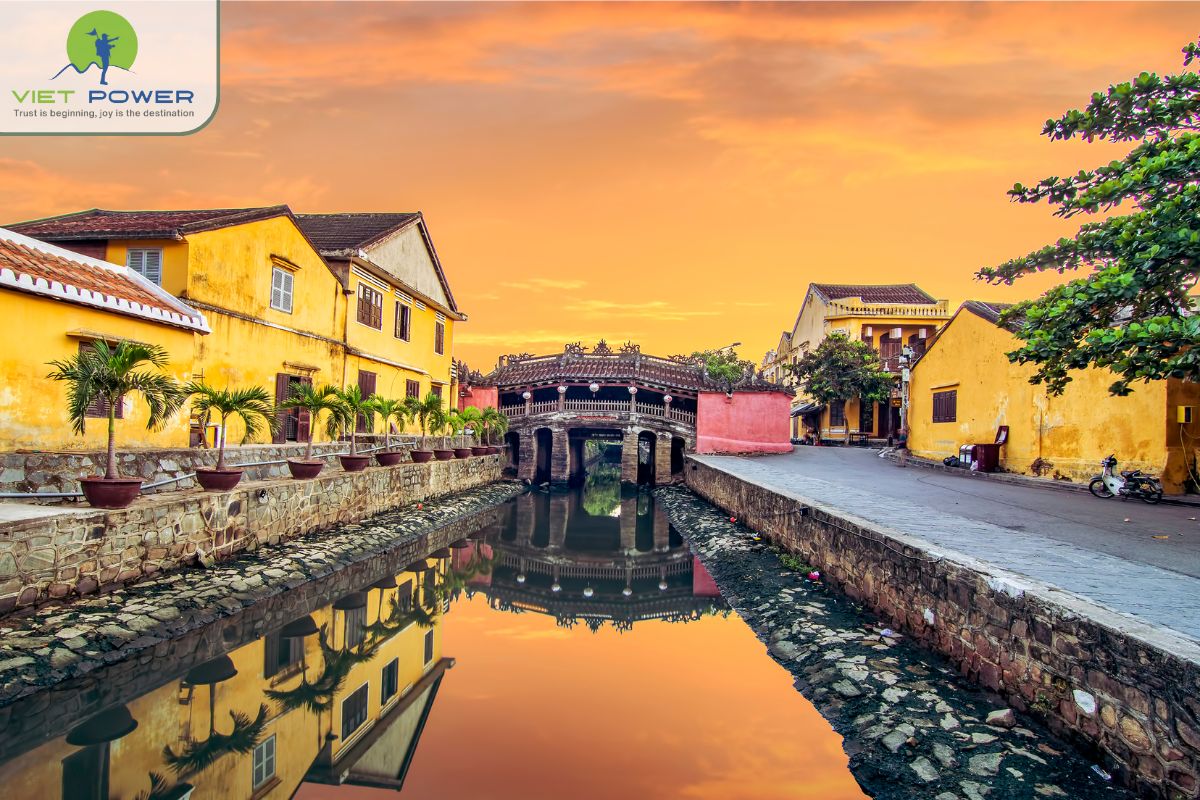
Hoi An is one of the most popular day trips from Da Nang. The ancient town is known for lantern-lit streets, preserved houses, and riverside cafes.
Visitors can explore on foot, shop for handicrafts, or enjoy local cuisine. Evening visits are especially atmospheric, though daytime trips are quieter.
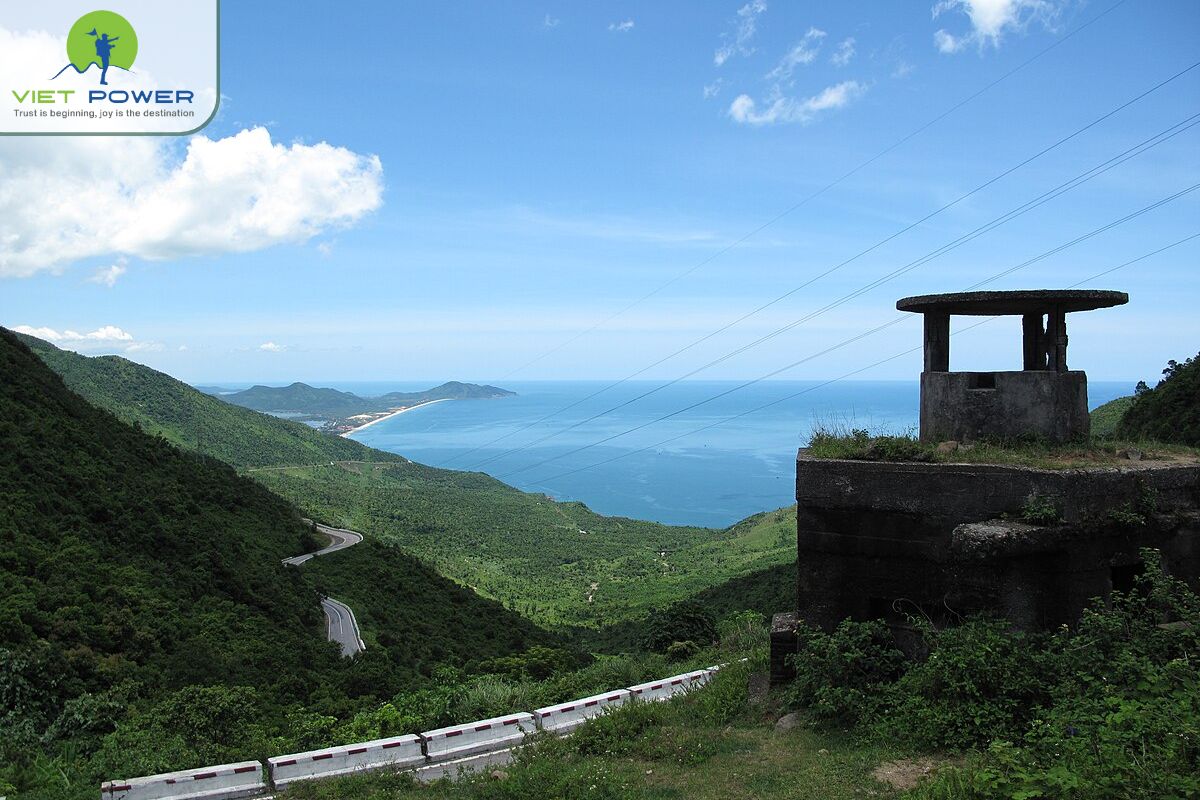
Hai Van Pass connects Da Nang and Hue. The route offers dramatic views of mountains and sea. Many travelers explore it by motorbike or guided tour.
Stops along the way provide photo opportunities and fresh coastal air. The pass is ideal for travelers who enjoy scenic drives.
My Son Sanctuary is a UNESCO World Heritage Site located inland. It features ancient Hindu temple ruins built by the Cham people.
Though farther than Hoi An, My Son offers historical depth and cultural significance. Guided tours help explain the symbolism and history of the site.
.jpg)
Your ideal Vietnam getaway starts here - Vietpower Travel will create a tailor-made journey designed around you.
We suggest these tips to help travelers make the most of their visit in Danang city.
The best time to visit Da Nang is from February to August, when the weather is warm, dry, and suitable for beach activities and sightseeing. March to May offers pleasant temperatures and fewer crowds.
The rainy season usually starts in September and lasts until December, which can affect outdoor plans.
When visiting Da Nang, pack light and practical clothing suited to a warm, coastal climate. Bring breathable outfits, swimwear, and comfortable sandals for beaches like My Khe. A light jacket or shawl is useful for evenings and air-conditioned spaces.
If you plan to explore the Marble Mountains or Son Tra Peninsula, include sturdy walking shoes. Sun protection is essential, so pack sunscreen, sunglasses, and a hat.
During the rainy season, a compact rain jacket or umbrella is recommended. Finally, carry a small daypack for water, your camera, and personal items while sightseeing.
Traveling in Da Nang needs flexibility. However, with good planning, it becomes enjoyable and affordable.
Da Nang offers a rare balance of beaches, culture, and nature. Travelers can relax by the sea, explore mountains, and enjoy vibrant city life in one trip. With nearby destinations like Hoi An and Ba Na Hills, the experience becomes even richer.
Contact Vietpower Travel today and start planning your unforgettable journey through the must-visit places in Da Nang.
Please kindly send us your ideas about the tours: destinations, attractions, your group, hotel class... we will get back to you with details & best offers quickly. Surely, you will feel satisfactory!
 |
 |
 |
 |
 |
 |

.jpg) Customize Your Trip
Customize Your Trip
 Vietnam
 Thailand
 Laos
Laos Indonesia
 Cambodia
 Myanmar
 Indochina Tours