August is one of the most challenging yet rewarding months to explore Vietnam. The Vietnam weather of August brings peak summer heat, high humidity, and frequent rain, but it also offers lush landscapes, fewer crowds, and better travel value. For travelers who understand the conditions and plan carefully, August can still be an excellent time to visit.
At Vietpower Travel, we help travelers turn seasonal challenges into memorable experiences. By choosing the right regions, adjusting itineraries, and preparing properly, you can enjoy Vietnam even during its wettest month.
Vietnam stretches over 1,600 kilometers from north to south. Because of this length, the climate changes by region. In August, however, most areas share similar features: heat, humidity, and rain.
August sits in the middle of summer and the monsoon season. Therefore, travelers should expect changing skies and sudden showers. Still, sunshine appears between rains, especially in central regions.
Vietnam has three main weather zones. Each reacts differently in August.
August is part of the peak rainy season in most of Vietnam. Moist monsoon winds bring frequent showers, especially in the north and south. Rain rarely lasts all day. Instead, it often comes as short but heavy downpours, usually in the afternoon or evening.
Despite this, mornings are often dry and suitable for sightseeing. Therefore, flexible planning is essential.
.jpg)
Humidity in August often reaches 80–90 percent. As a result, sweat does not evaporate easily. The body feels warmer than the actual temperature.
This is called the heat index. For example, a 33°C day can feel closer to 40°C. Therefore, visitors should drink water often and take breaks.
Also, plan outdoor activities early in the morning or late in the afternoon. Midday heat can be intense.
People wonder how likely are storms or typhoons in Vietnam in August? Storms and typhoons are possible in August, especially in northern and central coastal areas. For example, Typhoon Kajiki prompted mass evacuations and shut down airports in 2025 due to expected heavy rainfall and winds. While not constant, storms are an important consideration.
Storm Frequency and Impact:
You can find more posts related to this topic in our Vietnam weather category. Explore detailed weather updates, regional climate insights, and helpful information to plan your journey at the perfect time.
Understanding temperature patterns helps travelers prepare mentally and physically. While August is hot nationwide, there are regional differences.
In Hanoi and northern cities, average temperatures range from 26–32°C. However, when humidity rises, the heat feels stronger.
In central coastal areas like Da Nang and Hoi An, daytime temperatures stay around 30–34°C. Sea breezes bring some relief, especially near the beach.
In Ho Chi Minh City and the south, temperatures remain steady at 31–33°C. The heat is constant, even when it rains.
In contrast, highland areas such as Da Lat or Sapa are cooler. Daytime temperatures often sit between 20–25°C. Evenings can feel refreshing.
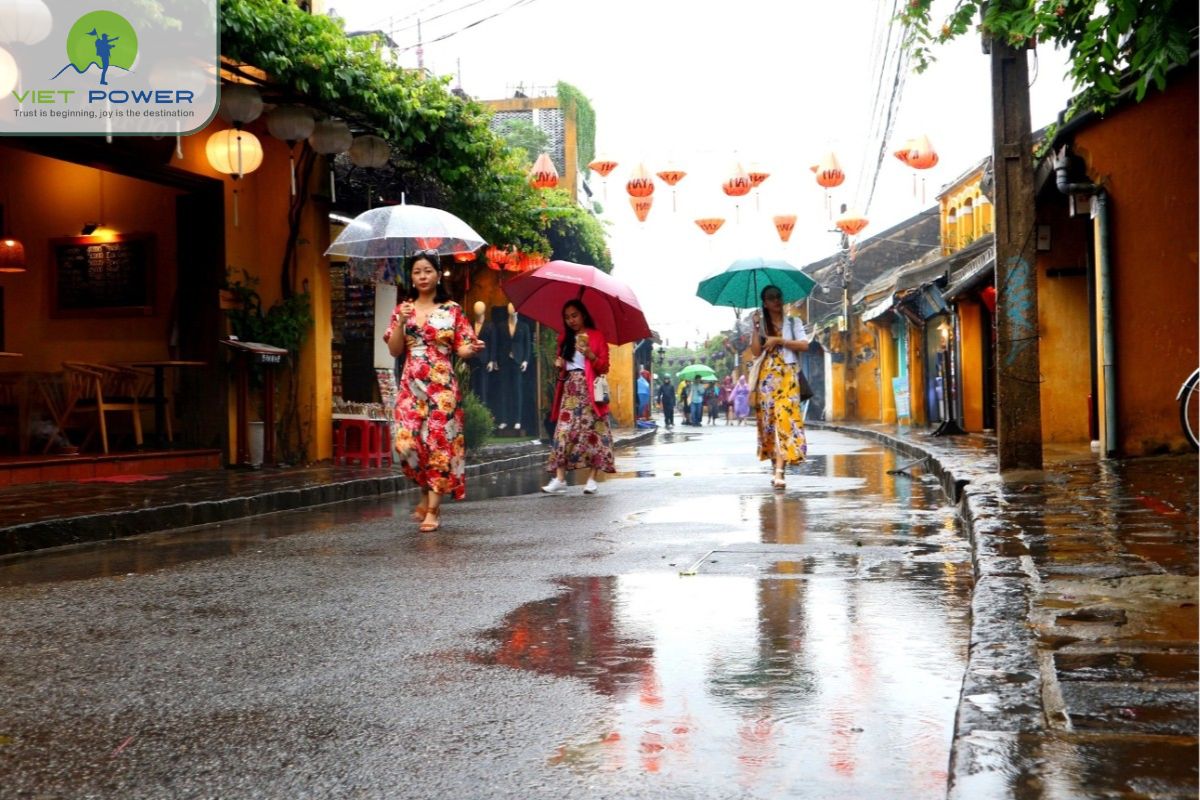
Humidity in August often reaches 80–90 percent. As a result, sweat does not evaporate easily. The body feels warmer than the actual temperature.
This is called the heat index. For example, a 33°C day can feel closer to 40°C. Therefore, visitors should drink water often and take breaks.
Also, plan outdoor activities early in the morning or late in the afternoon. Midday heat can be intense.
Are high humidity levels a big problem for travelers? Humidity levels often stay high (around 80–90%), which can make the heat feel more intense. Staying hydrated and choosing breathable clothing is essential
Cooler Options for tourists : Highlands and Mountains in North and Central of Viet Nam. Not all regions suffer extreme heat. Highland areas such as Da Lat or Sapa offer cooler conditions. Temperatures here may drop to 20°C–25°C, especially in the evenings.
For travelers sensitive to heat, these destinations provide a comfortable alternative.
Vietpower Travel often recommends combining highlands with other regions for balance.
Choosing the right season to travel in Vietnam can help you enjoy clear skies, vibrant landscapes, and smooth travel experiences. Vietpower Travel understands these seasonal patterns deeply, so in this post, we help travelers pick the best routes and months for their journey.
Rainfall patterns vary greatly across Vietnam. Knowing where rain is heaviest helps travelers plan smarter routes.
Northern Vietnam receives heavy rainfall in August. Hanoi, Halong Bay, and surrounding provinces experience frequent showers. Tropical storms may also affect coastal areas.
Rainfall can disrupt outdoor plans, especially boat tours. However, rice fields and countryside landscapes are at their greenest during this time.
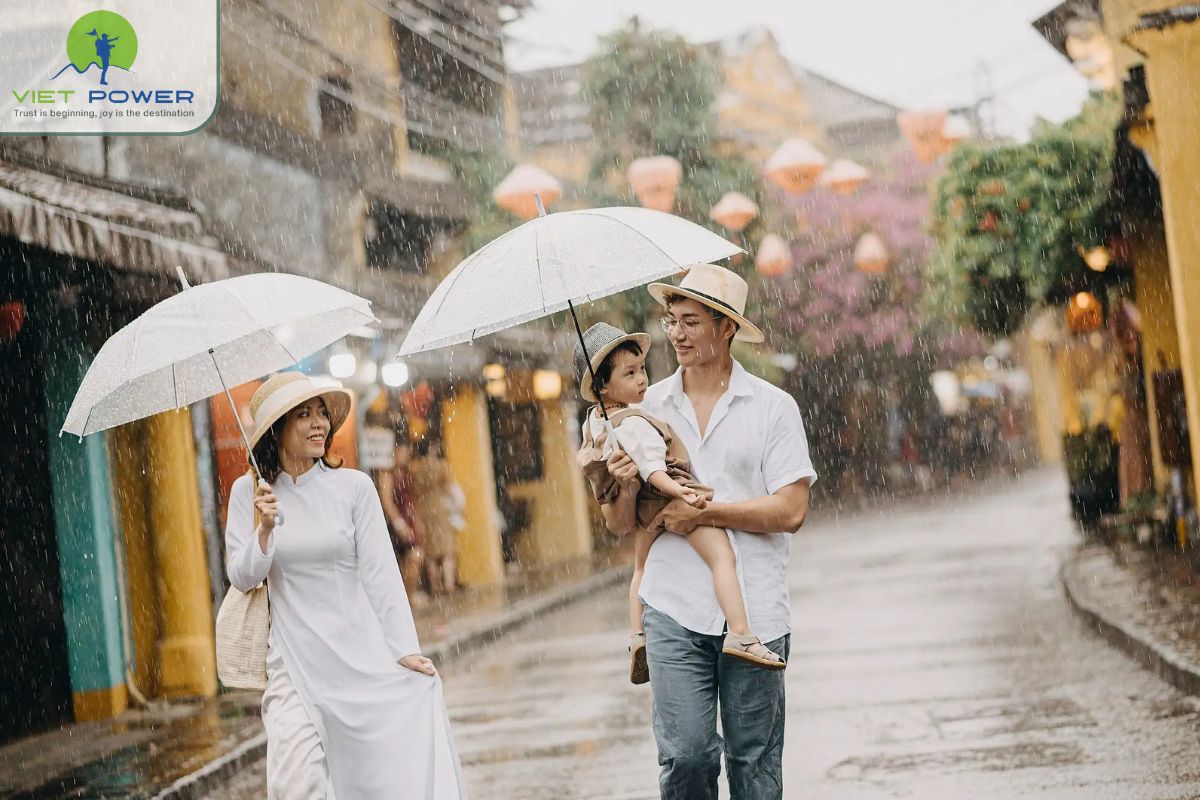
Southern Vietnam also sees high rainfall. Ho Chi Minh City and the Mekong Delta experience daily showers, often short but intense.
Flooding can occur in low-lying areas. Nevertheless, travel remains possible with adjusted schedules and indoor activities.
Central Vietnam is generally drier than the north and south in early August. Beach destinations often enjoy sunny mornings and occasional rain later in the day.
As August progresses, rainfall gradually increases. Even so, this region is often the best choice for August travel when planned carefully.
Should travelers avoid coastal or island destinations in August? Not necessarily all — but some islands like Phu Quoc and Con Dao can get rough seas and heavier showers. Meanwhile, some islands or beaches may still have good weather windows ideal for snorkeling and swimming
Explore more posts within this topic and uncover useful insights about Vietnam’s weather, from sunny coastal days to cool mountain breezes:
People wonder, is August a good month to travel to Vietnam despite the rain? August can still be a good time to travel for those who are prepared for rain and humidity. Many visitors find that rain often comes as short, intense showers followed by dry periods, especially in the mornings. Central Vietnam like Da Nang, Hoi An, and Nha Trang often enjoy favorable weather early in August.
First, fewer tourists visit Vietnam in August. Popular attractions feel less crowded, improving the overall experience.
Second, travel costs are lower. Hotels and tours often offer seasonal discounts.
Third, landscapes are at their most beautiful. Rice terraces, forests, and waterfalls look vibrant after rainfall.
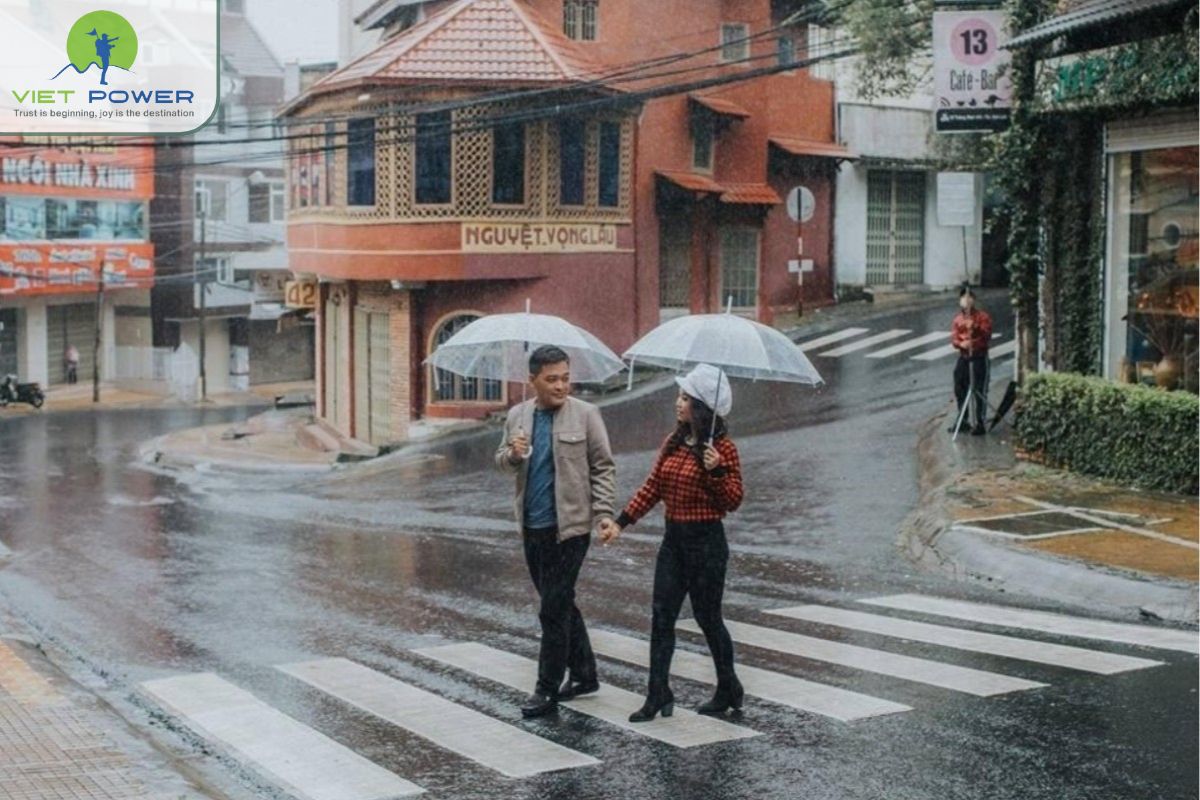
August also brings challenges. Rain can disrupt outdoor plans. Boat trips may change due to weather. Some rural roads become muddy. Heat and humidity can cause fatigue. Long walks under the sun feel harder. Storms may affect flights or sea travel in rare cases. So, flexibility is important.
Travelers who prefer dry weather and constant sunshine may find August uncomfortable. However, with proper planning, these issues can be minimized.
Who Should Travel in August? August is ideal for flexible travelers, photographers, and budget-conscious visitors. It suits those who enjoy nature and do not mind occasional rain.
How can travelers stay safe during storm season? Travelers should monitor forecasts, remain flexible with plans, and follow local warnings. Staying in urban areas or indoors during warnings reduces risk
Adapting your route improves comfort and enjoyment.
Best Destinations for August:
Destinations to Approach Carefully: Halong Bay and low-lying Mekong areas may experience disruptions. These can still be visited with flexible timing.
From breathtaking scenery to local experiences, Vietpower Travel can design a Vietnam tour that matches your travel style.
Packing correctly makes a major difference when traveling during the rainy season.
Choose lightweight, breathable fabrics such as cotton or quick-dry materials. These help sweat evaporate.
Pack loose shirts and shorts for comfort. However, bring longer clothes for temples and evenings.
Also include a light jacket or raincoat. Sudden showers are common.
Avoid heavy fabrics. They trap heat and moisture.
Is sun protection still needed even if it rains? UV exposure is still high even with cloud cover, so sunscreen, a hat, and sunglasses are important, especially during peak sun hours before rains.
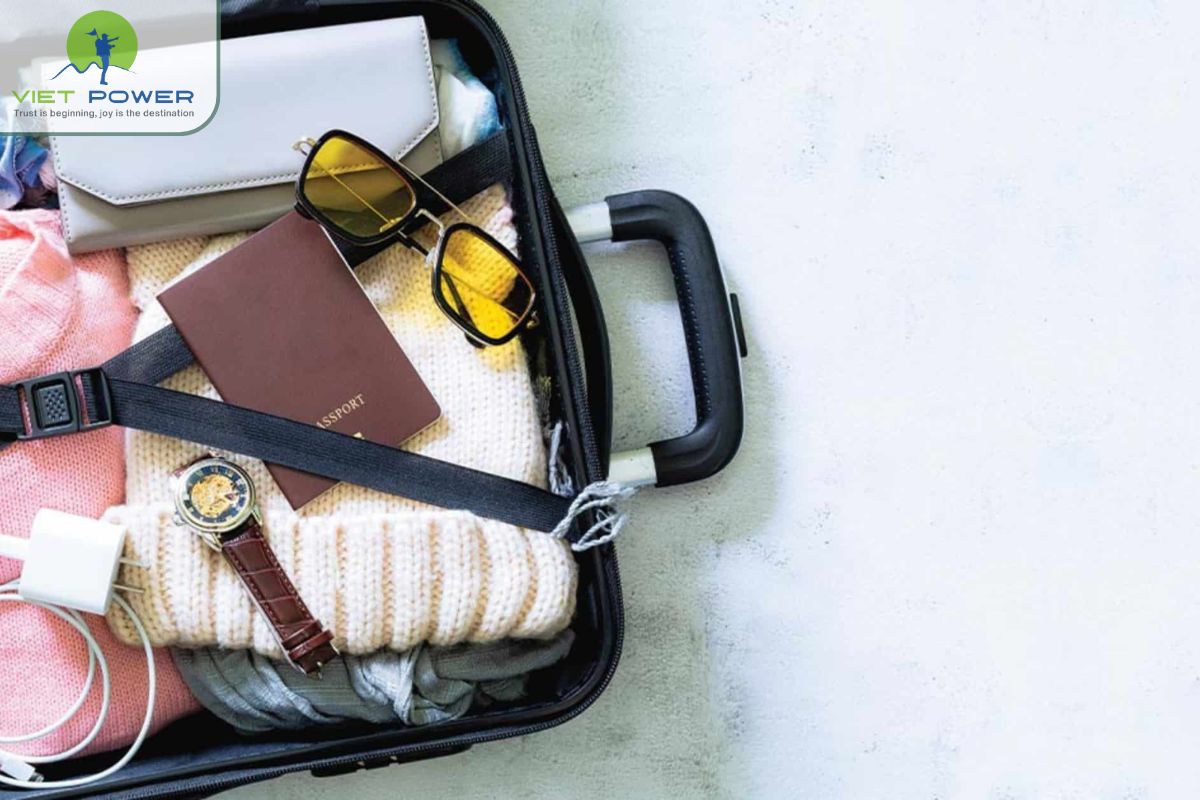
A compact umbrella is useful for city walks. A waterproof poncho works well for longer trips.
For shoes, pick comfortable sandals or waterproof sneakers. Streets can get wet and slippery.
Bring extra socks. Dry feet help prevent blisters.
If you plan trekking, pack shoes with good grip.
Good habits help you enjoy your trip, even in challenging weather.
Plan flexible itineraries: Leave room for changes. If rain appears, switch to indoor activities like museums or cafés. Do not rush between cities. Extra travel time reduces stress. Choose hotels in central locations to avoid long walks in rain.
Time your activities well: Start sightseeing early in the morning. Temperatures are lower, and skies are often clear. Rest during midday heat. Then continue in the late afternoon. Evening walks become pleasant after rain cools the air.
Trust local expertise: Local guides know weather patterns and safe routes. They adjust plans quickly.
The Vietnam weather in August is hot, humid, and rainy, but it is far from untravelable. With the right mindset and preparation, August offers green landscapes, fewer crowds, and better prices. If you are planning an August trip, contact Vietpower Travel today. Let us design a personalized tour that turns seasonal weather into a memorable adventure.
Please kindly send us your ideas about the tours: destinations, attractions, your group, hotel class... we will get back to you with details & best offers quickly. Surely, you will feel satisfactory!
 |
 |
 |
 |
 |
 |

.jpg) Customize Your Trip
Customize Your Trip
 Vietnam
 Thailand
 Laos
Laos Indonesia
 Cambodia
 Myanmar
 Indochina Tours