Exploring Chinatown Market Ho Chi Minh (Cho Lon) is one of the best ways to discover the cultural blend of Chinese and Vietnamese heritage. From the lively Binh Tay Market and sacred temples like Thien Hau Temple to hidden gems such as Hao Si Phuong Alley and Lantern Street, the area offers a true fusion of flavors, history, and architecture. With authentic street food, vibrant festivals, and bustling Food Markets in Saigon, Chinatown provides an unforgettable cultural journey. Let's discover with Vietpower Travel in the following post!
You can find more articles related to this topic in our Vietnam tourist attractions category. Explore detailed travel guides, destination highlights, and inspiration for your next journey through Vietnam.
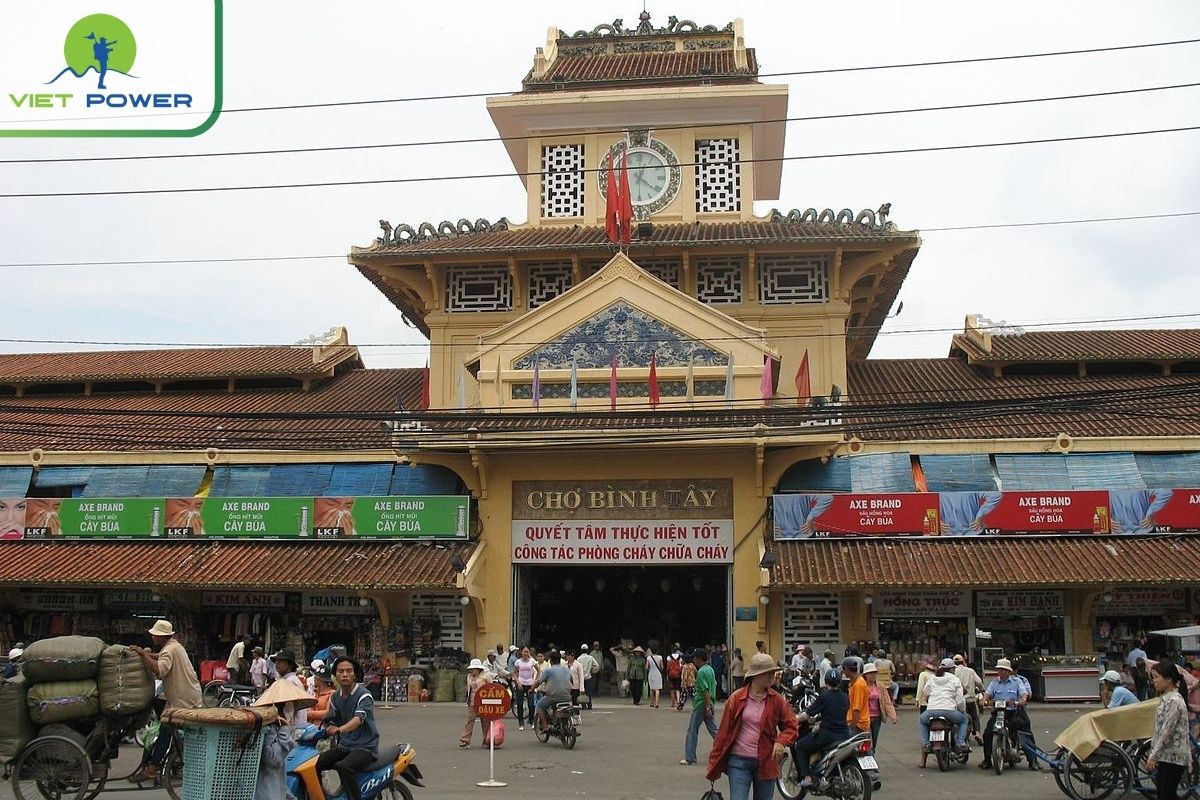
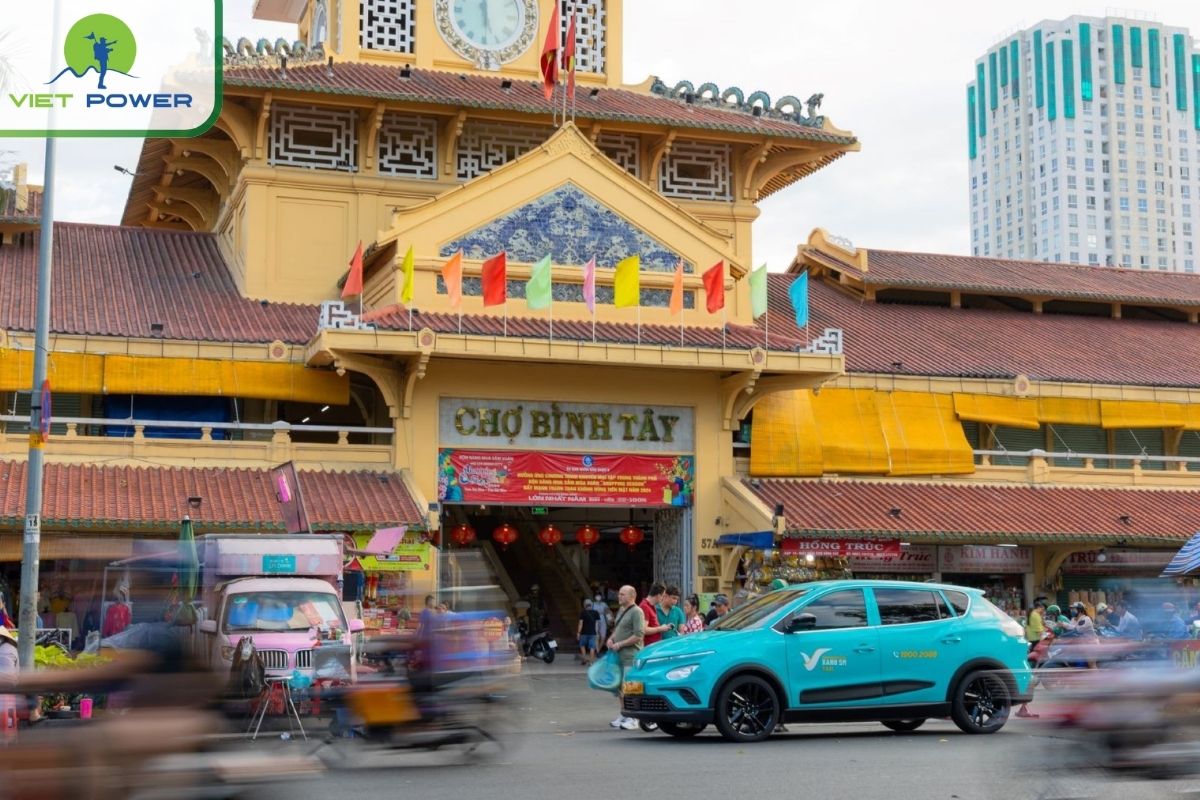
Binh Tay Market is the commercial heart of Chinatown Ho Chi Minh market, originally built in the 1880s. Unlike the tourist-oriented Ben Thanh Market, Binh Tay mainly serves local Vietnamese and Chinese residents, offering a more authentic shopping experience.
What you can find here:
Best time to visit: Early morning (7:00 – 9:00) when the market is busiest and food stalls are at their peak. For travelers exploring Food Markets in Saigon, this is a must-visit destination.
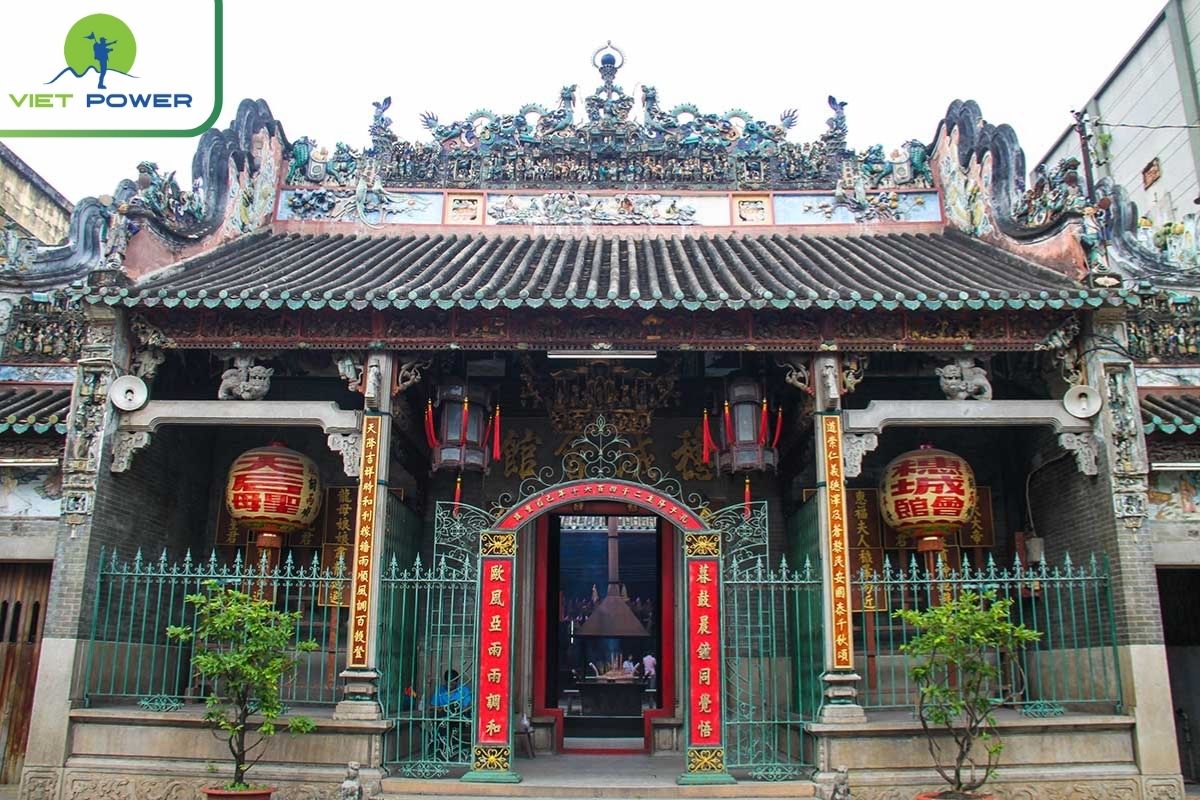
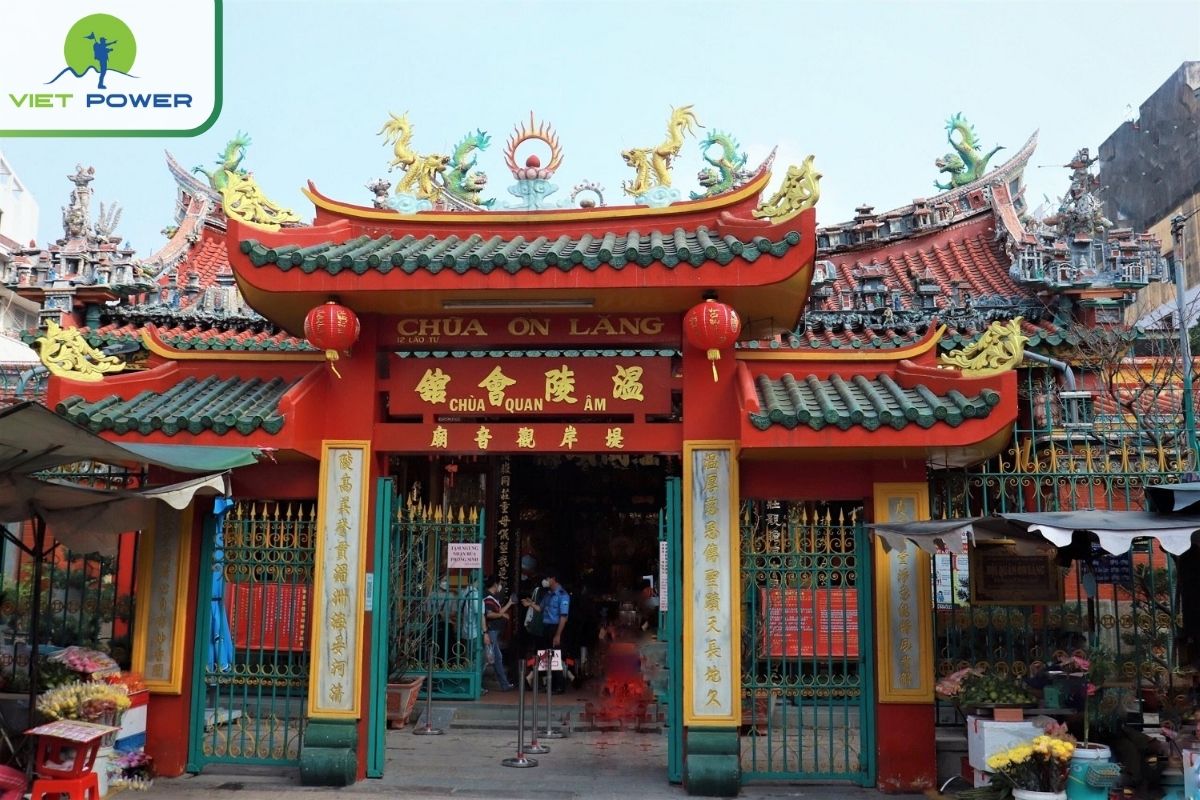
Thien Hau Temple Chinatown Ho Chi Minh was built in 1760 by Cantonese immigrants and is dedicated to Mazu, the sea goddess who protects sailors and merchants. It is one of the most visited Chinese temples Saigon has to offer.
Highlights for visitors:
A visit here provides not only a glimpse into Chinese-Vietnamese spiritual traditions but also a chance to witness centuries-old craftsmanship and cultural devotion.
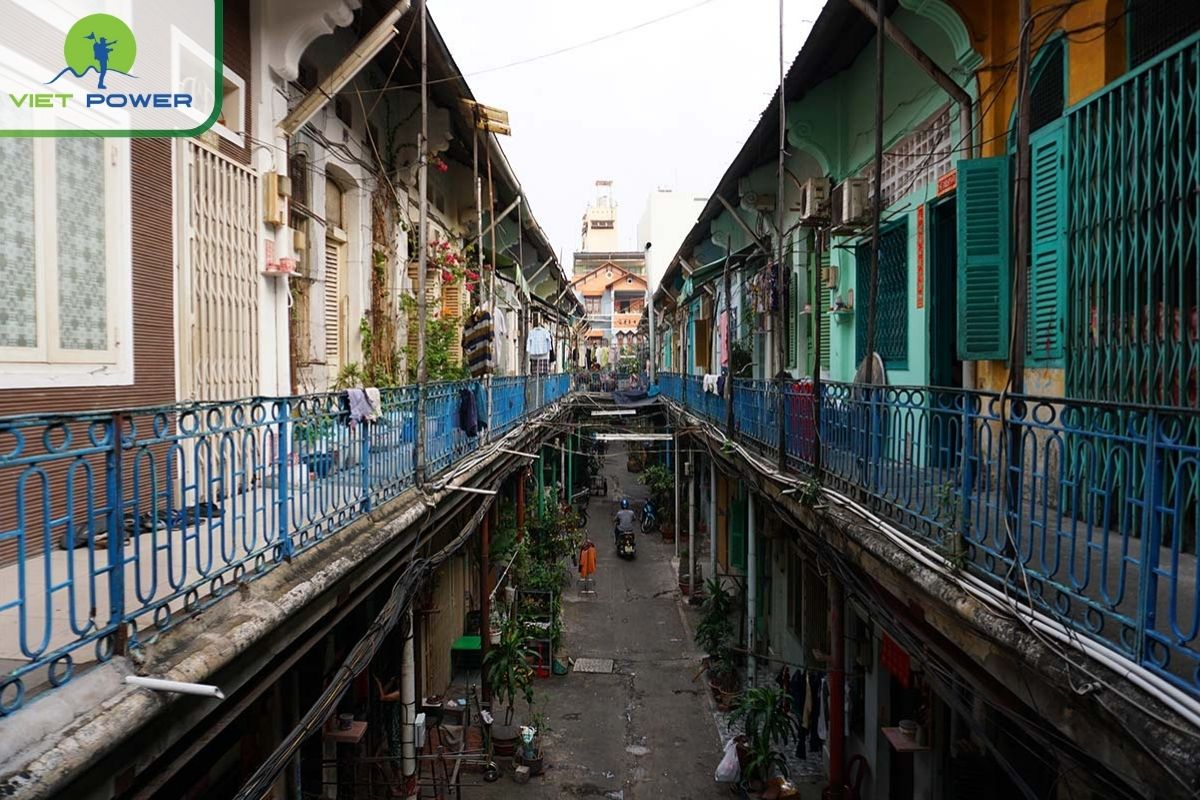
Hao Si Phuong Alley Chinatown is over a century old and remains one of the most hidden gems Ho Chi Minh has to offer. Built in the early 1900s, this two-story residential complex features narrow corridors, vintage staircases, and traditional decorations such as red couplets and ancestral altars outside the homes.
Today, the alley is a popular Instagram hotspot. Visitors come to admire its mix of Chinese and French architectural styles, capture photo-worthy angles, and soak in the daily life of the Chinese-Vietnamese community. Small coffee stalls and food vendors nearby add to its authentic charm, making it a peaceful escape from Saigon’s bustling streets.
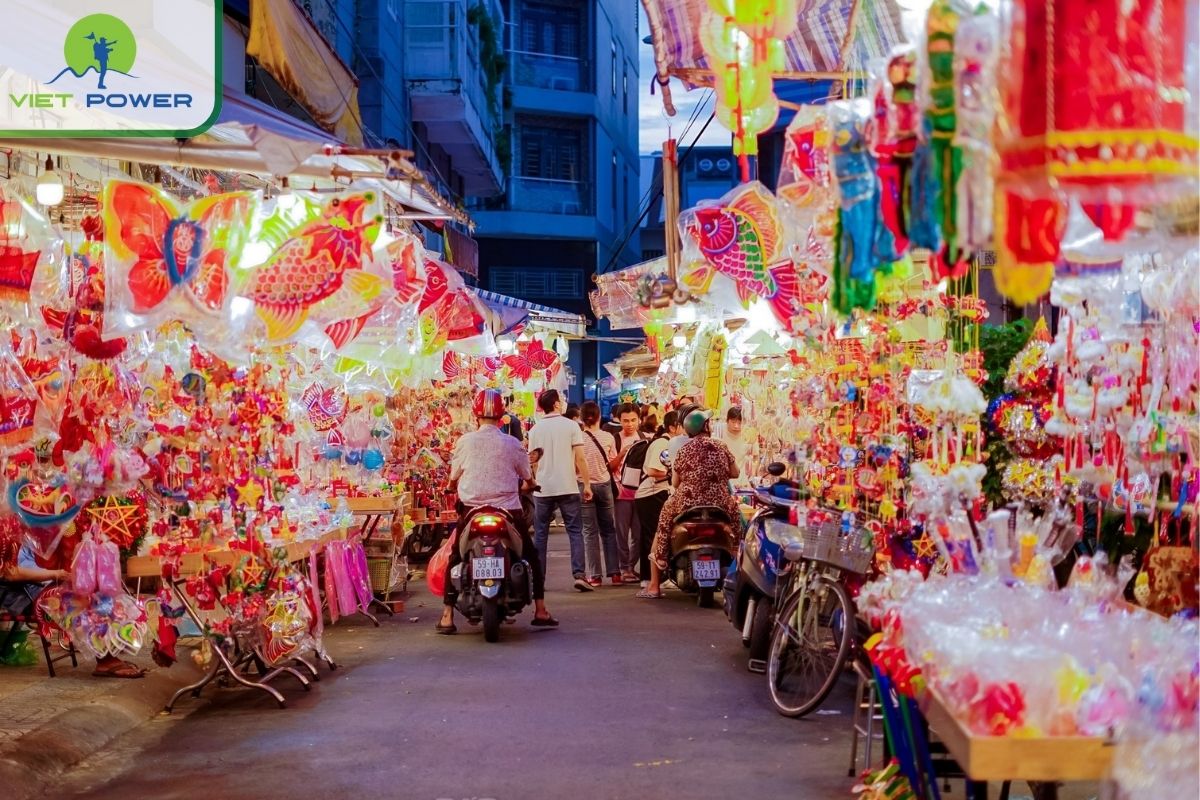
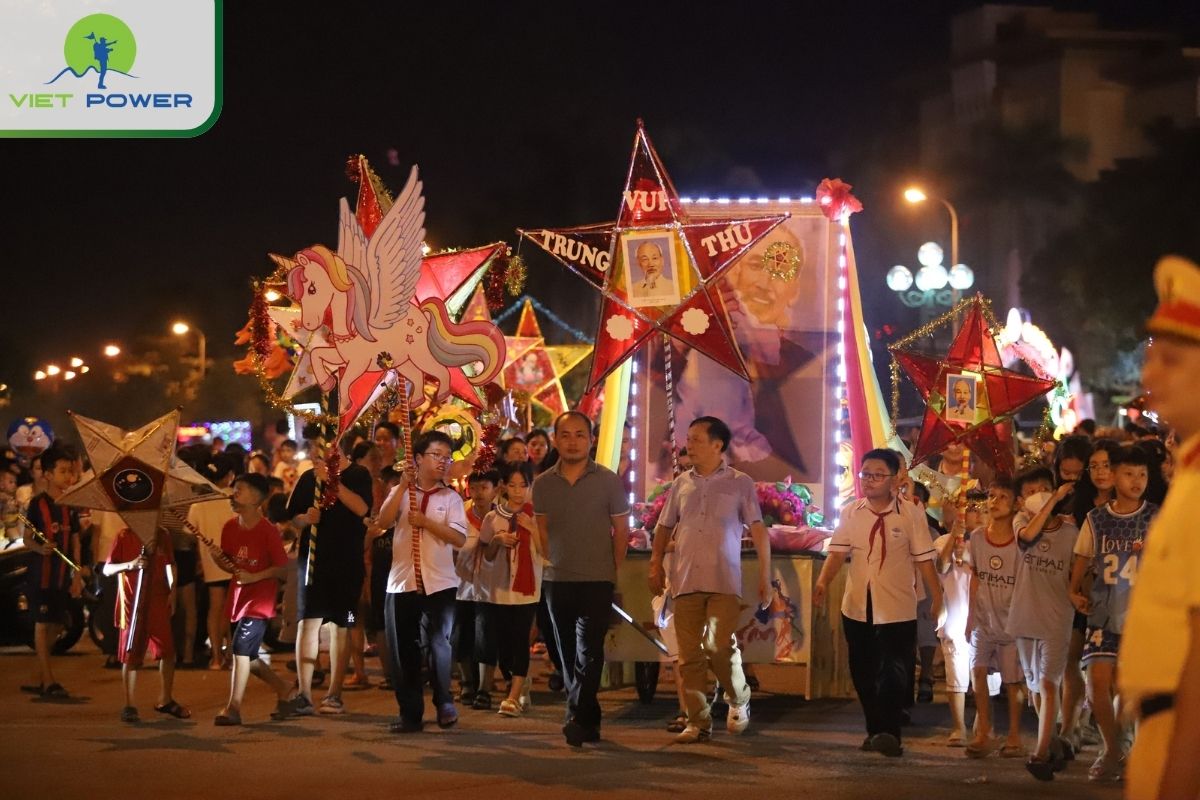
Known as Lantern Street Saigon, Luong Nhu Hoc comes alive during the Mid-Autumn Festival when hundreds of colorful lanterns light up the street. Craftsmen here have been making lanterns for generations, offering everything from traditional paper lanterns to creative modern designs.
For travelers exploring Chinatown Ho Chi Minh night, this street is perfect for an evening stroll, photography, and festive shopping. The glowing lanterns create a magical atmosphere that attracts both locals and visitors, especially families with children.
Both temples are deeply tied to the Chinese-Vietnamese community and provide an authentic look at local spiritual traditions.
You can find more posts related to this topic in the section below.
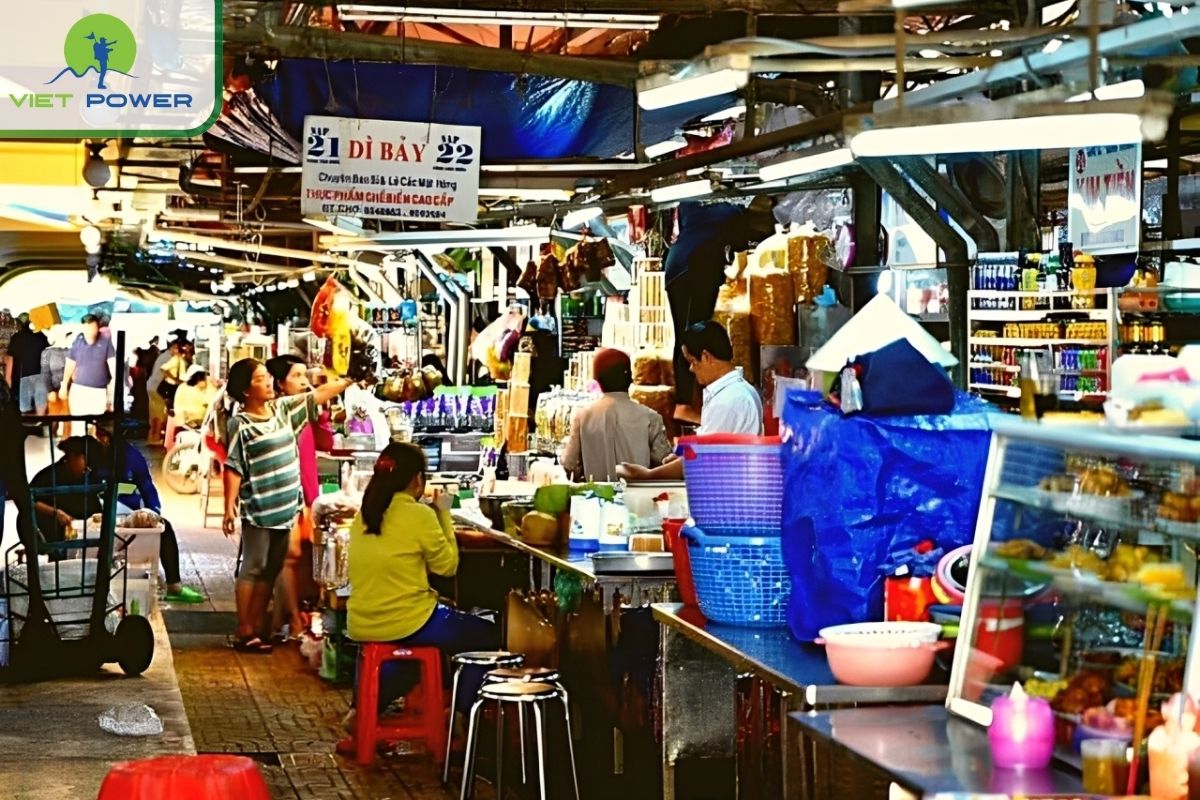
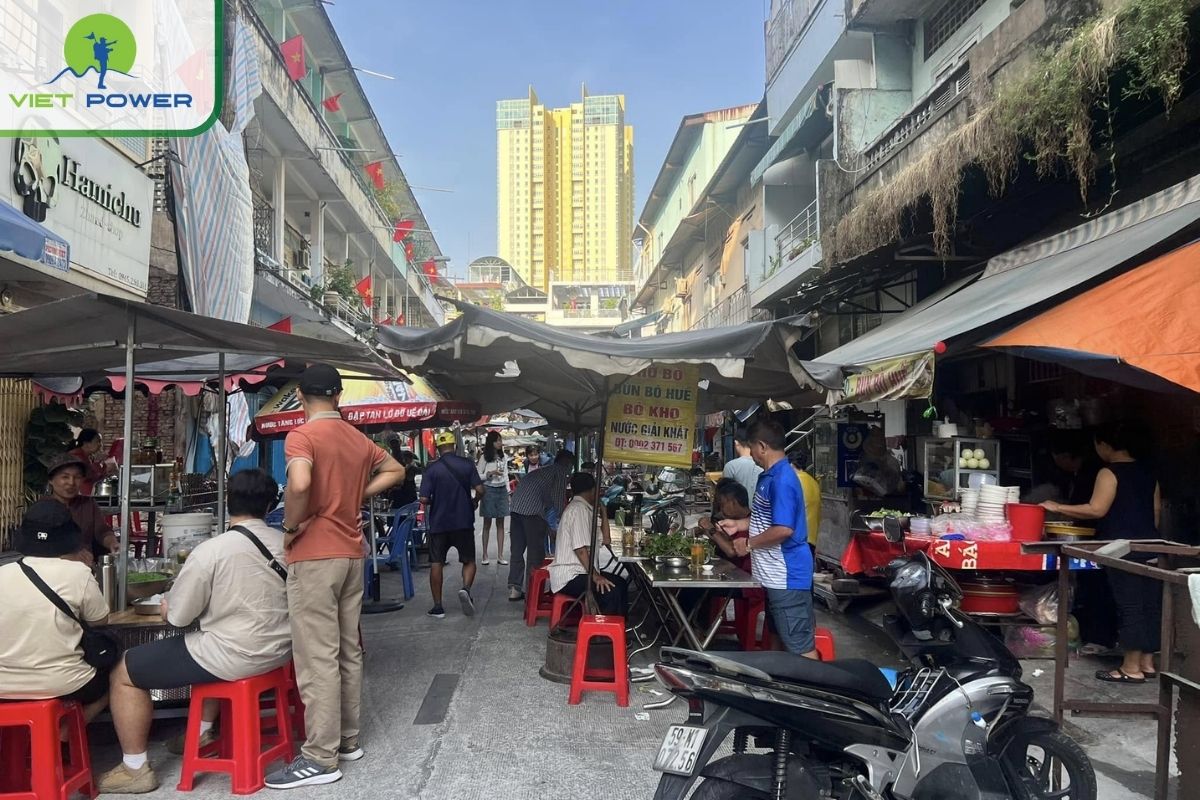
Chinatown is one of the best areas to enjoy authentic Chinatown Ho Chi Minh food. From street stalls to family-run restaurants, visitors can discover a wide variety of dishes that combine Chinese heritage with Vietnamese flavors.
Where to Eat:
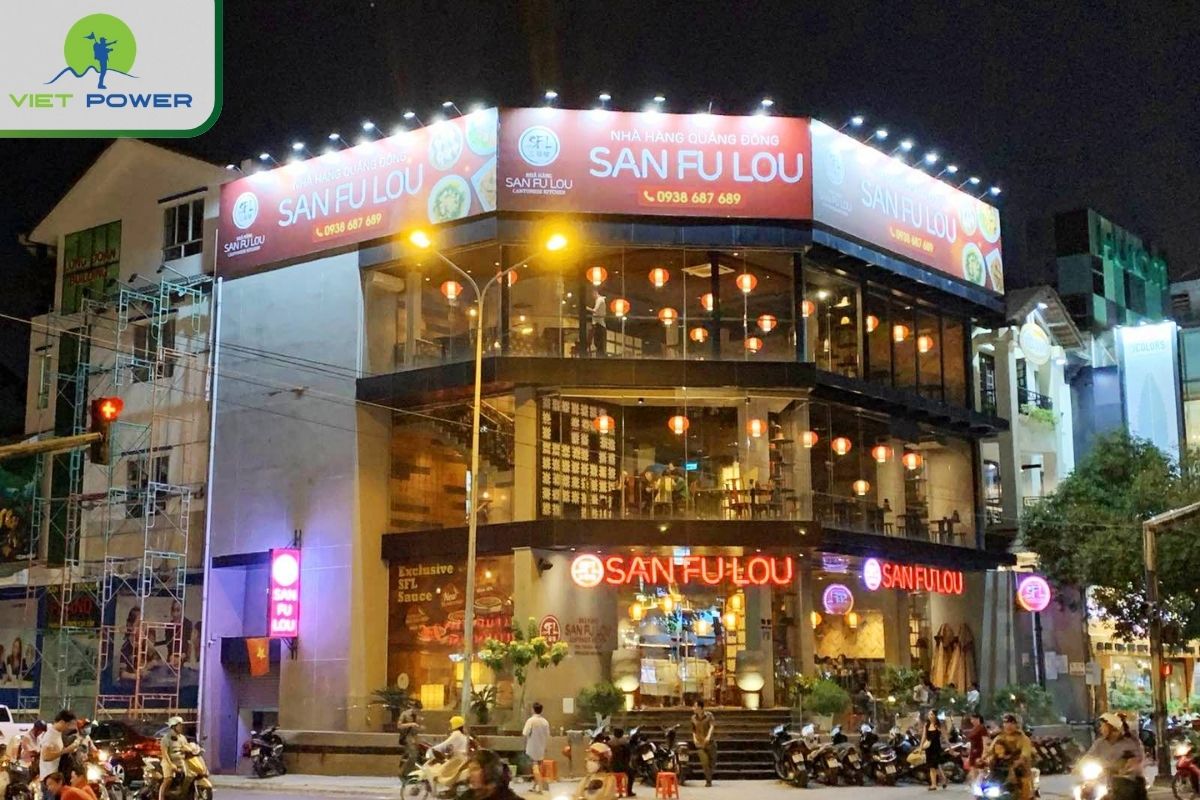
Must-Try Dishes:
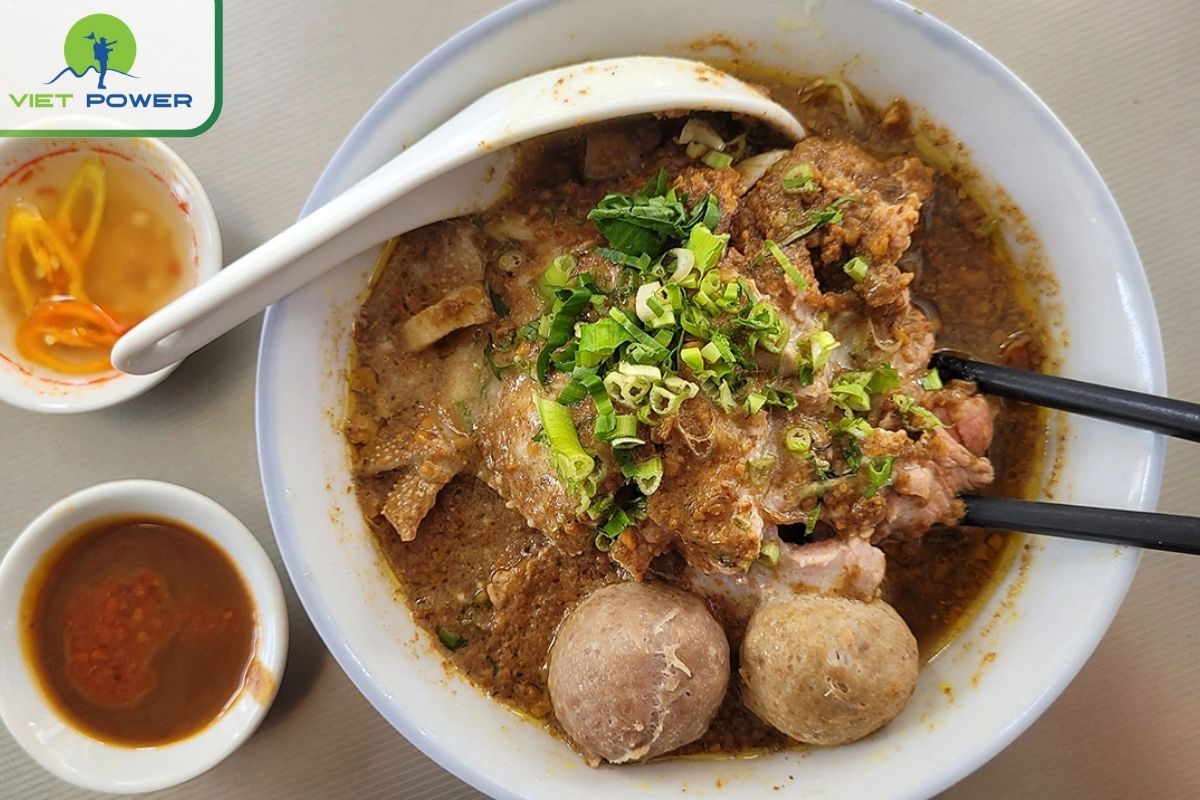
Explore more posts within this topic and uncover more of what Vietnam has to offer.
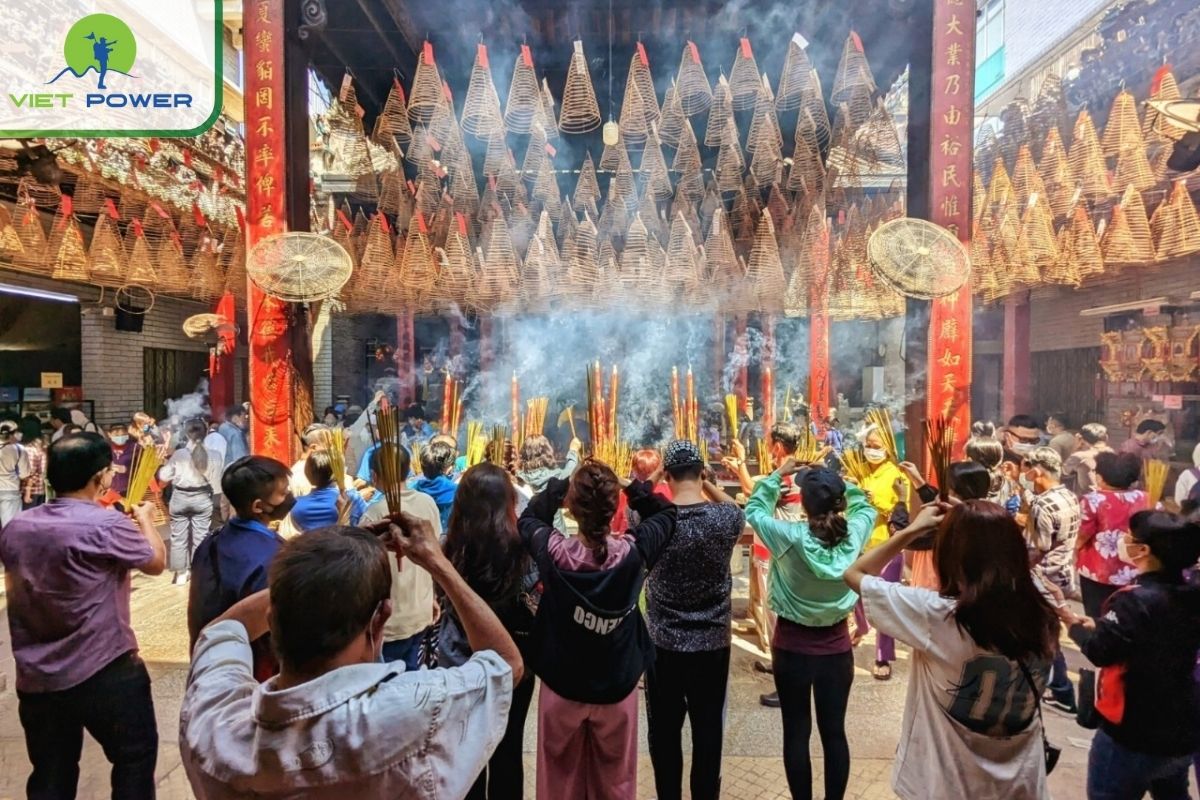
The Chinese-Vietnamese community in District 5 celebrates colorful traditions throughout the year. These events are a highlight of Chinatown Ho Chi Minh festivals and are among the most memorable Saigon cultural events.
Major Festivals:
1. Tet (Lunar New Year)
2. Mid-Autumn Festival
3. Thien Hau Festival
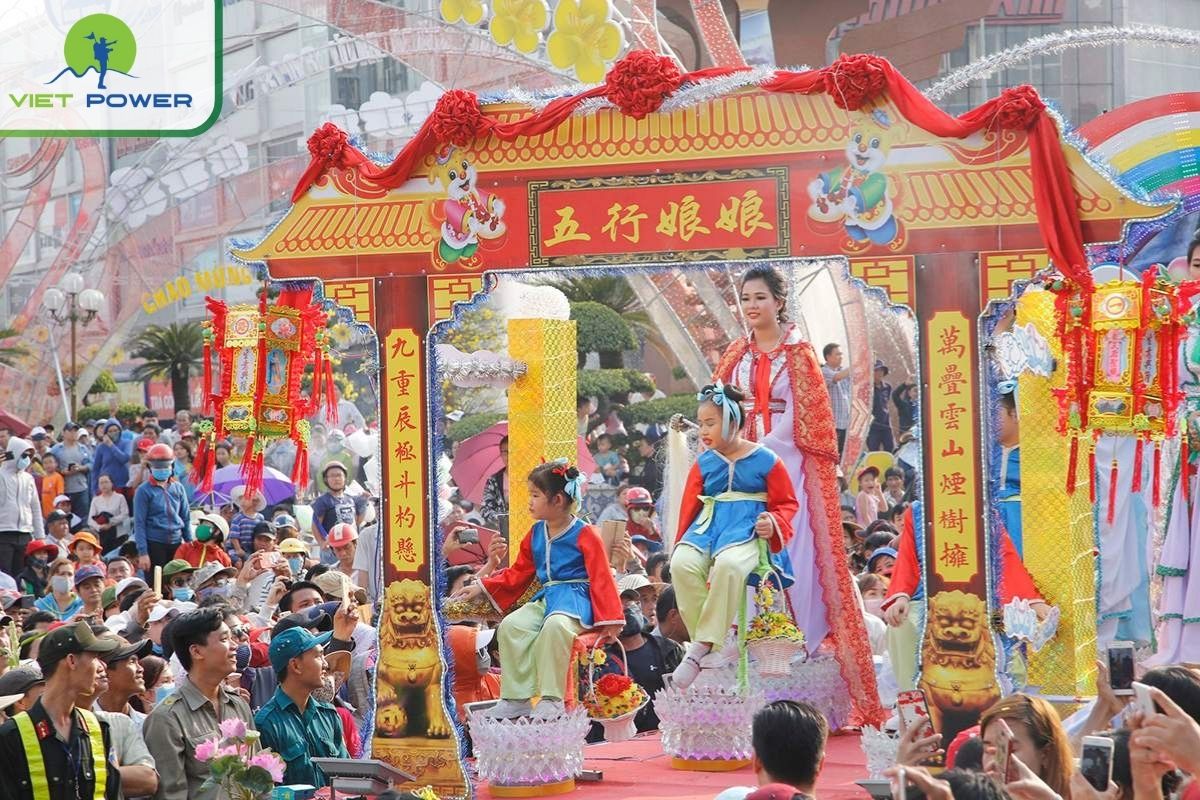
Turn your dream of discovering Vietnam into reality with a personalized tour crafted by Vietpower Travel.
Best choice if you want comfort, air-conditioning, and direct drop-off at key spots like Thien Hau Temple or Binh Tay Market.
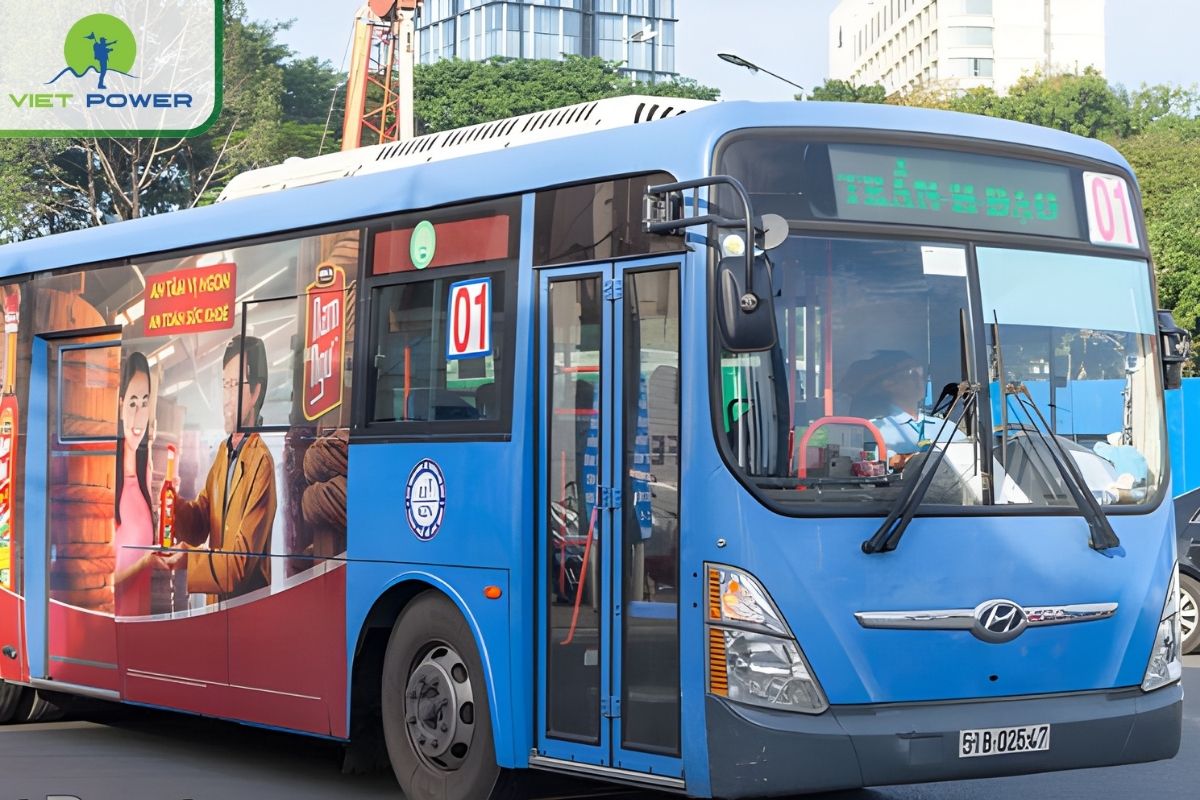
This is the cheapest way and gives you a chance to observe local daily life. However, buses can be crowded during rush hours.
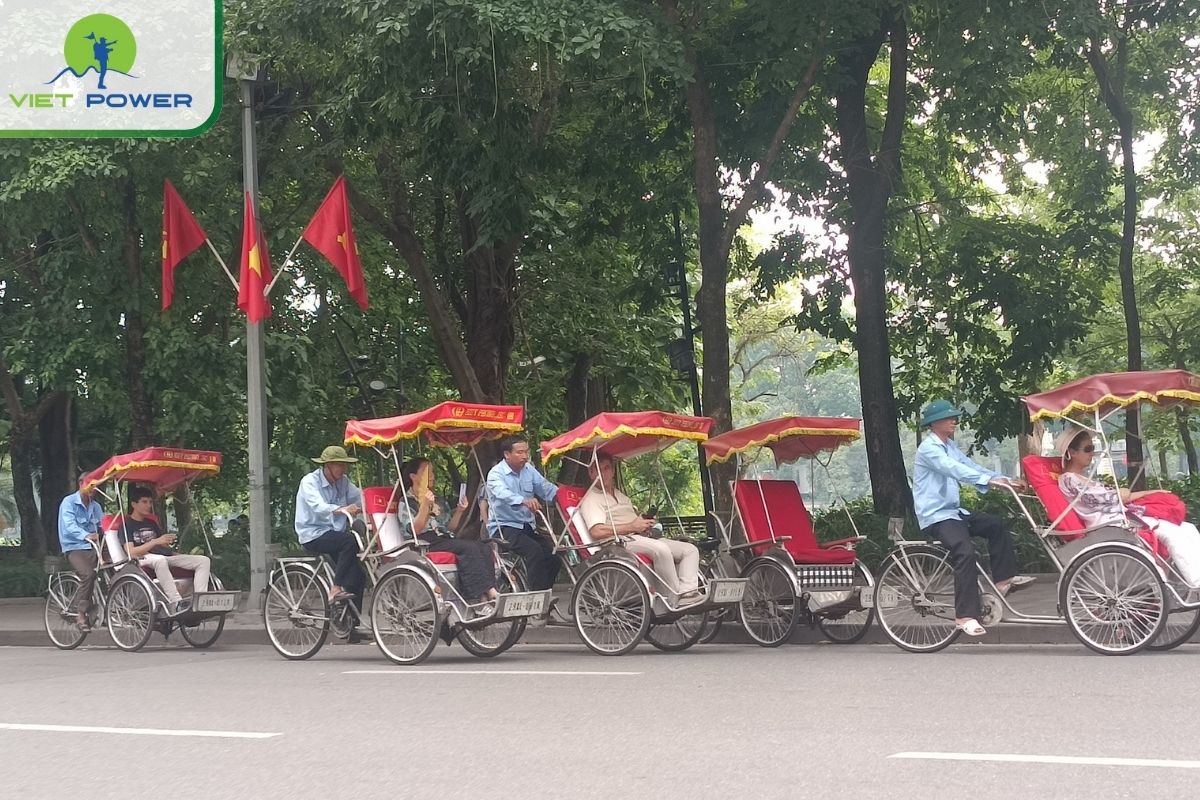
Ideal for short distances within Chinatown, such as moving between Lantern Street and Hao Si Phuong Alley. Remember to agree on the price before starting.
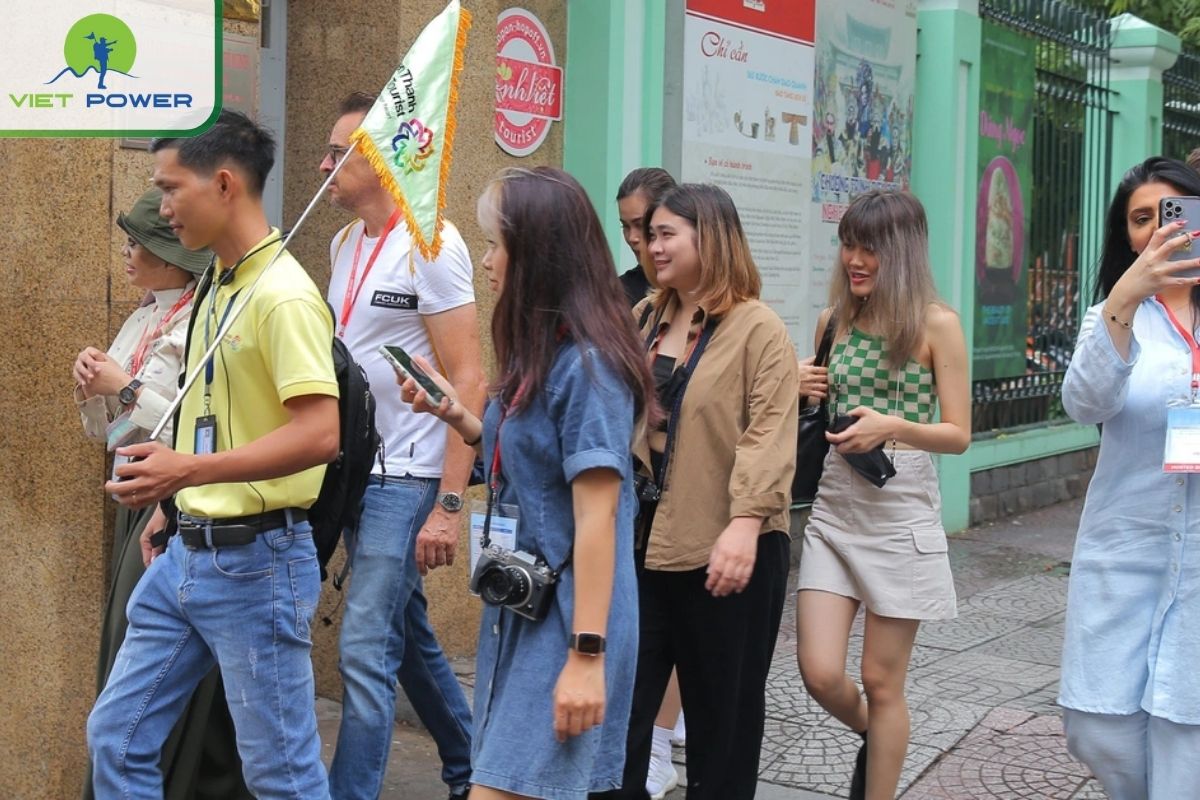
Walking tours are great if you want stories, cultural insights, and hidden spots you might miss on your own.
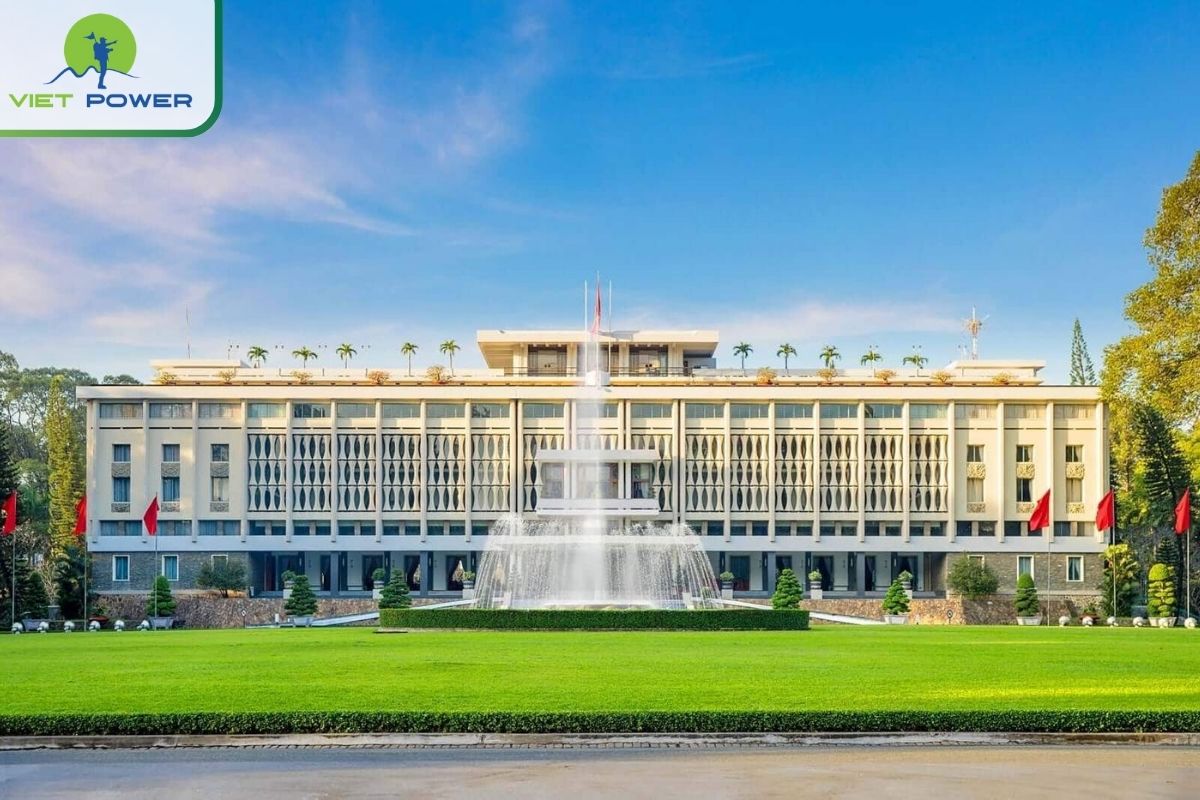
This former presidential residence played a key role during the Vietnam War. Visitors can walk through historical meeting rooms, underground bunkers, and view wartime artifacts. The palace combines 1960s architecture with symbolic features that reflect Vietnam’s history of reunification.
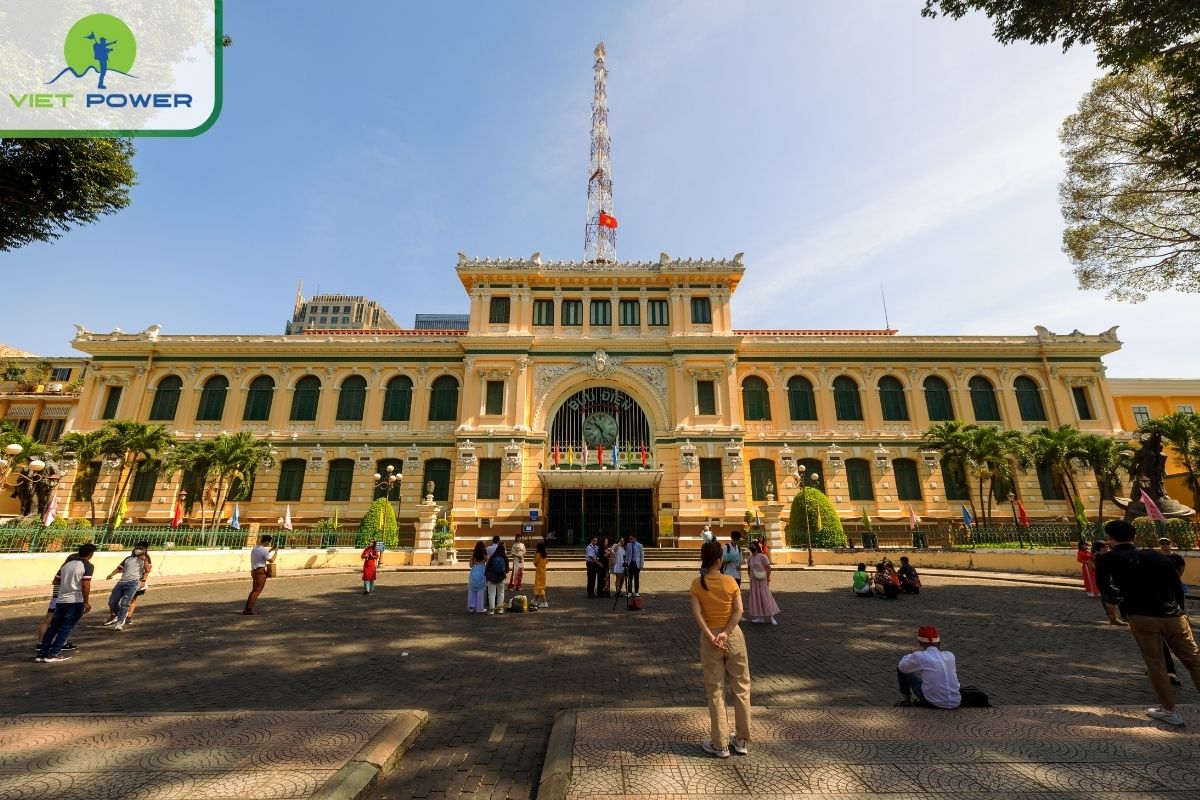
Designed by Gustave Eiffel, the Saigon Central Post Office is a masterpiece of French colonial architecture. Its bright yellow facade, arched windows, and detailed interior make it one of the most photographed spots in Ho Chi Minh City. Travelers can also send postcards directly from this historic building.
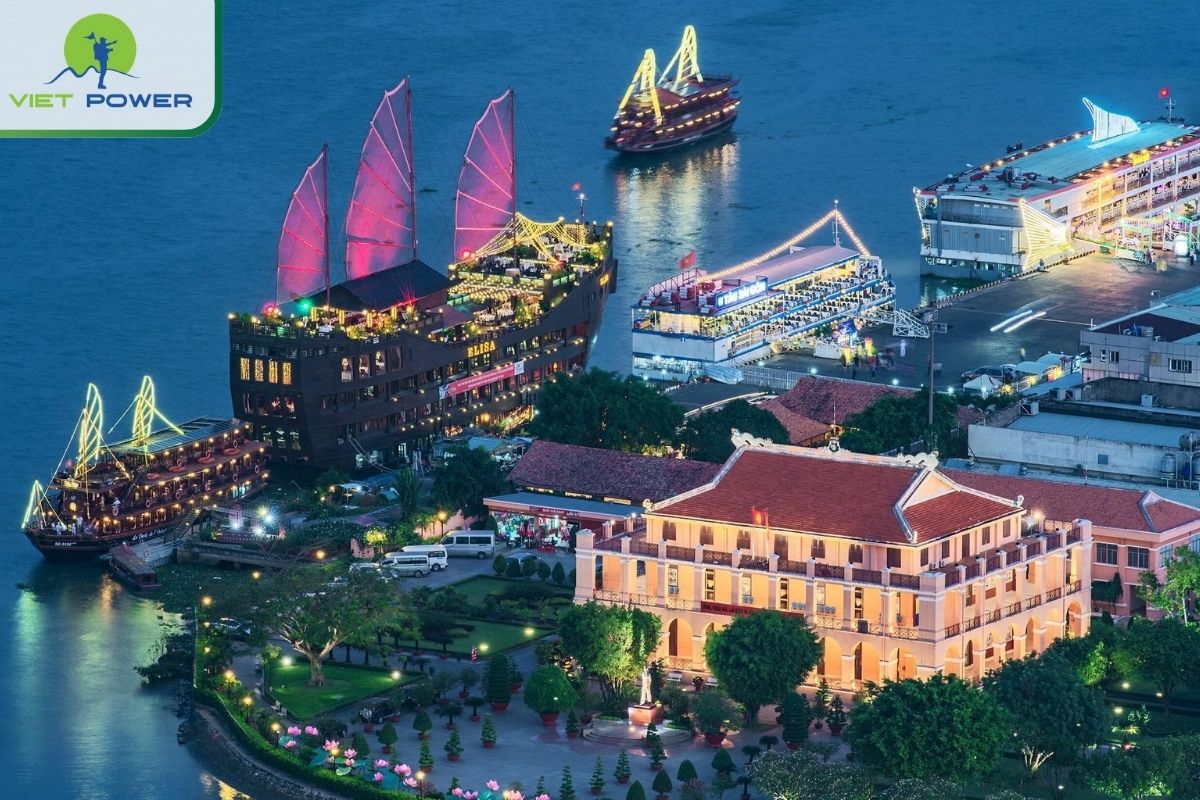
Nha Rong Wharf is the port where President Ho Chi Minh departed in 1911 on his journey abroad. Today, it houses a museum dedicated to his life and achievements. The dragon-shaped motifs on the roof make the building a unique mix of Western and Vietnamese styles.
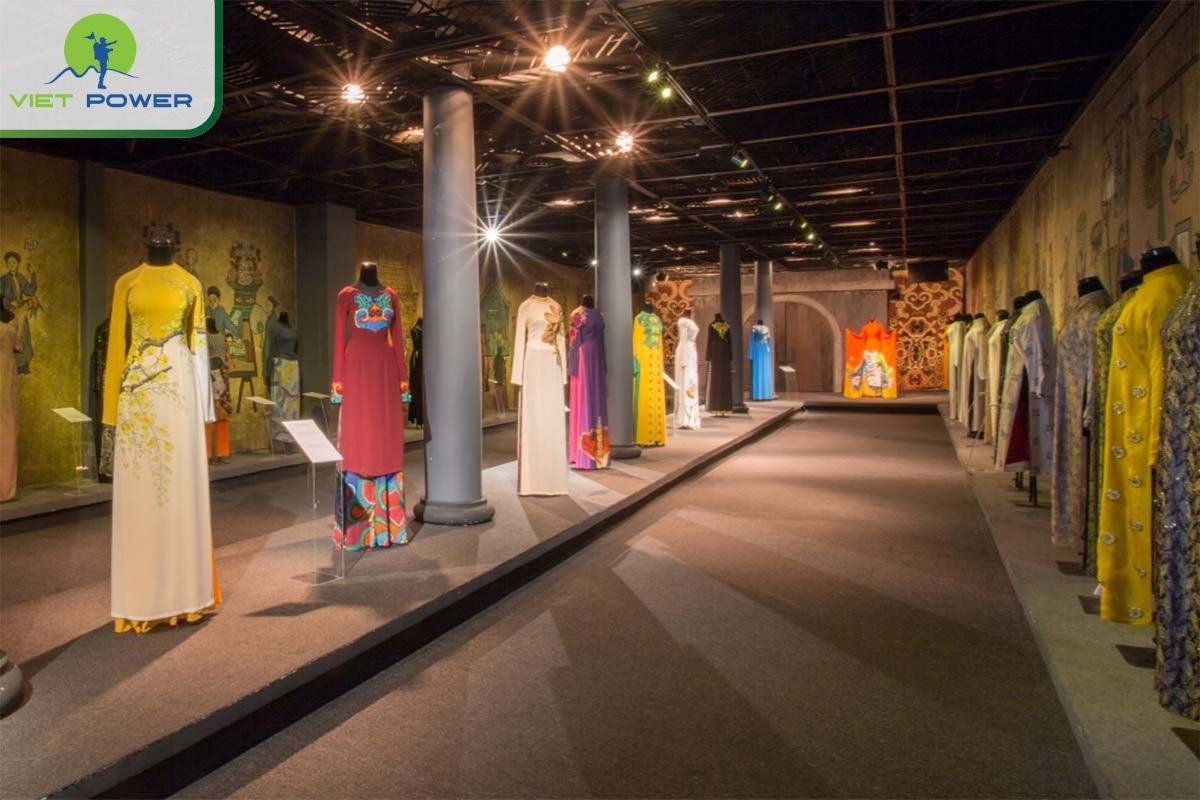
This museum is dedicated to Vietnam’s traditional long dress, the Ao Dai. Exhibits include historical garments, photos, and artifacts showing how the Ao Dai has evolved over time. Visitors can even try on different styles for photos, making it a favorite stop for culture and fashion lovers.
A visit to Chinatown Ho Chi Minh is more than a market stroll—it’s a gateway to centuries-old traditions, sacred temples, and flavorful cuisine. Whether tasting dim sum Saigon, joining colorful Chinatown Ho Chi Minh festivals, or exploring unique architecture, every moment reflects the rich Chinese-Vietnamese community. For travelers seeking authentic experiences, Vietpower Travel connects you with local insights and seamless itineraries.
From the timeless beauty of Ha Long Bay to the vibrant energy of Ho Chi Minh City, Vietnam is filled with destinations that inspire and amaze. Travel with Vietpower Travel to experience the best of the country’s attractions, each offering a glimpse into its unique story. Book your journey now and let Vietnam reveal its wonders to you.
Please kindly send us your ideas about the tours: destinations, attractions, your group, hotel class... we will get back to you with details & best offers quickly. Surely, you will feel satisfactory!
 |
 |
 |
 |
 |
 |

.jpg) Customize Your Trip
Customize Your Trip
 Vietnam
 Thailand
 Laos
Laos Indonesia
 Cambodia
 Myanmar
 Indochina Tours