June is a unique time to explore Dak Lak. The Central Highlands enter the rainy season, and the landscape transforms into a lush, vibrant world. Forests deepen in color, waterfalls become powerful, and coffee plantations thrive under fresh rain.
If you are looking for a different kind of summer journey, Dak Lak in June offers a refreshing alternative to crowded coastal destinations. With Vietpower Travel, you can experience the region through well-planned itineraries, cultural encounters, and nature-focused tours. This guide will help you understand what to expect and why June can be a rewarding time to visit.
Dak Lak is one of the most important provinces in Vietnam’s Central Highlands. It is known for its red basalt soil, rich culture, and vast coffee plantations.
Dak Lak sits on a high plateau formed by volcanic activity. This creates fertile red soil that supports agriculture, especially coffee farming. At the same time, the region is covered with forests, rivers, and waterfalls.
In June, rainfall increases and brings new life to the land. The dry landscape of previous months quickly turns green. As a result, the scenery becomes more dynamic and full of contrast.
The name Dak Lak comes from the M’nong language. It means “Lak Lake” or “the lake of Lak.” This reflects the importance of water in the region, especially during the rainy season. In June, lakes, rivers, and streams become fuller, bringing life to both nature and local communities.
Buon Ma Thuot is the capital of Dak Lak and the cultural center of the region. It is often called the coffee capital of Vietnam. Visitors can explore local markets, coffee farms, and cultural sites from this city.
Because of its central location, Buon Ma Thuot is also the main starting point for exploring nearby waterfalls and villages.
Let’s continue exploring more about Vietnam and all the incredible places it has to offer. Visit our Vietnam tourist attractions category to discover in-depth guides, travel ideas, and hidden gems across the country.
June marks the beginning of the rainy season in the Central Highlands. This seasonal change plays a key role in shaping the environment.
Dak Lak’s famous red soil is not ordinary. It comes from ancient volcanic activity that formed the Central Highlands. This basalt soil is rich in nutrients and holds water well.
Because of this, it became the perfect place for growing coffee. Today, Buon Ma Thuot is known as the coffee capital of Vietnam. In June, after the first rains, the plantations look especially green and healthy.
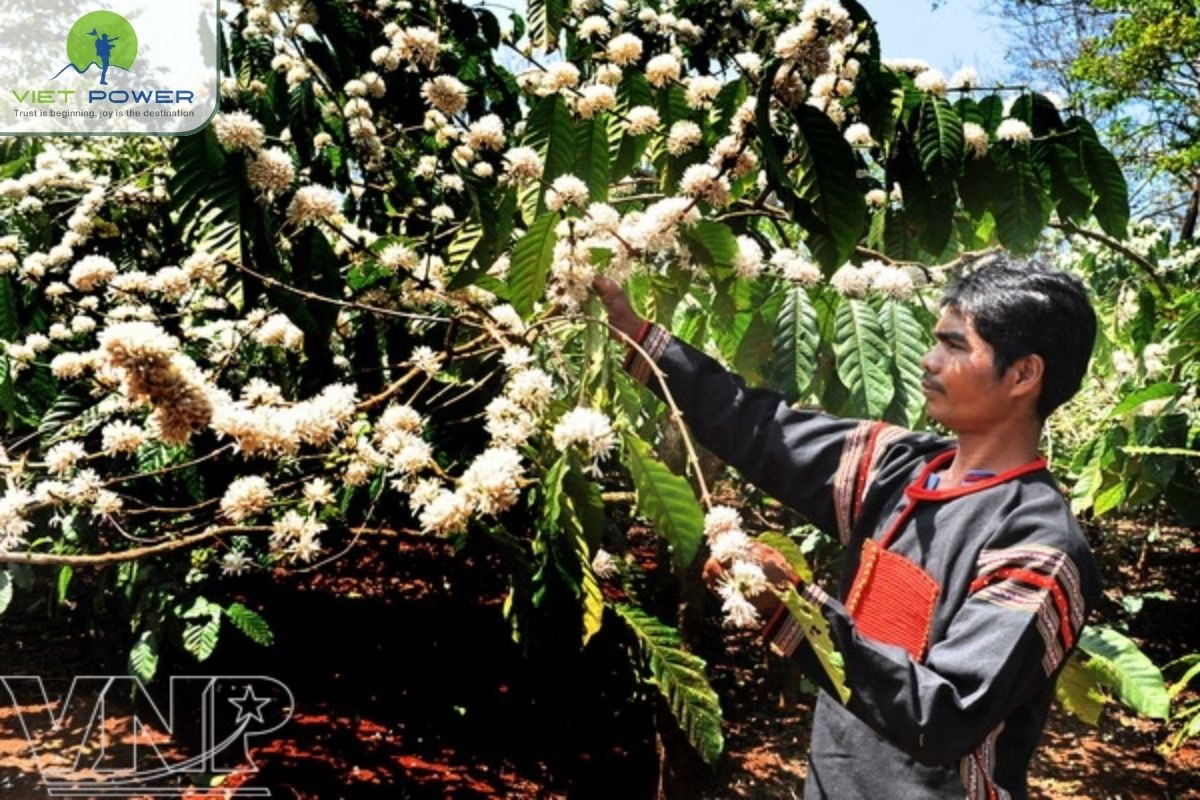
Rainfall increases in June, and this supports rapid plant growth. Coffee plantations become especially vibrant during this time. Leaves turn deep green, and the fields look fresh and healthy.
In addition, forests regain their density. The combination of trees, farms, and hills creates a rich natural scene. Therefore, Dak Lak in June is ideal for travelers who enjoy green landscapes.
The rainy season also brings a unique atmosphere. Mornings often begin with light mist covering the hills. As the day progresses, clouds move quickly, and sunlight breaks through.
This creates changing views throughout the day. The landscape can shift from foggy to bright within hours. Because of this, photography becomes more interesting and unpredictable.
You can find more posts related to this topic in the category below:
Many travelers wonder if the rainy season is a good time to visit. The answer depends on expectations.
Advantages of traveling in June
Challenges to consider: At the same time, rain can affect travel plans. Showers are frequent, especially in the afternoon. Roads in rural areas may become muddy. However, with flexible planning, these challenges can be managed. You can schedule outdoor activities in the morning and keep afternoons for rest or indoor visits.
In Vietnam, June is the green season in which it offer fewer crowds and lower prices to travel. We will look at the best places to visit in June. Whether you love high mountains or sunny beaches, we have the perfect itinerary for you.
Waterfalls are one of the highlights of Dak Lak. In June, they reach their most impressive state.
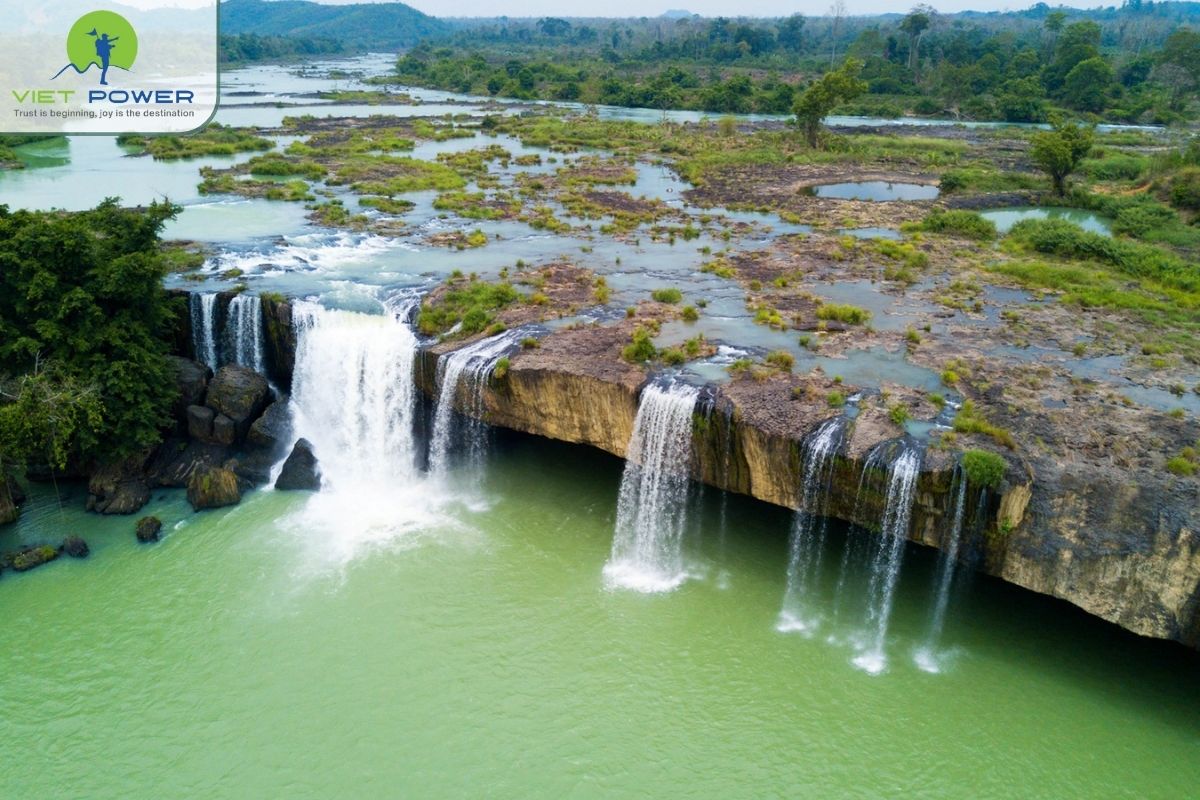
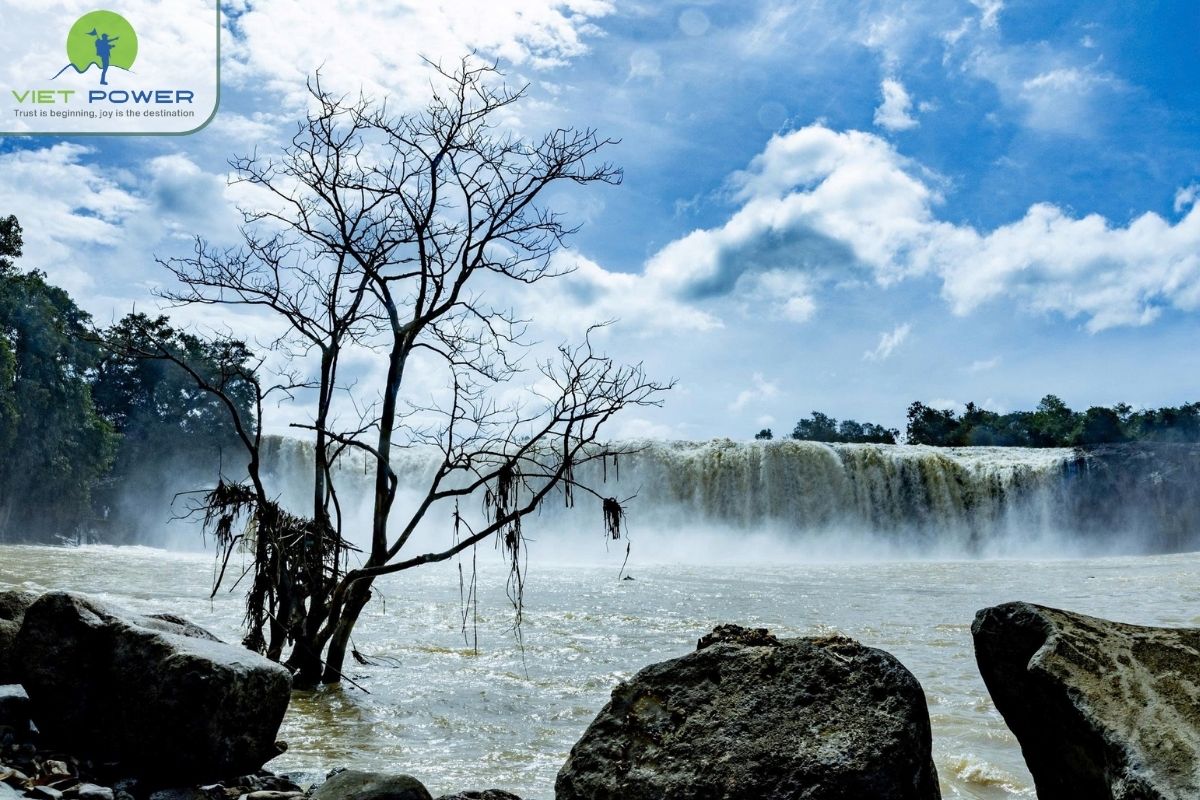
Rainwater feeds rivers and streams, making waterfalls stronger. Dray Nur waterfall, one of the largest in the region, becomes wide and dramatic. The sound of rushing water can be heard from a distance.
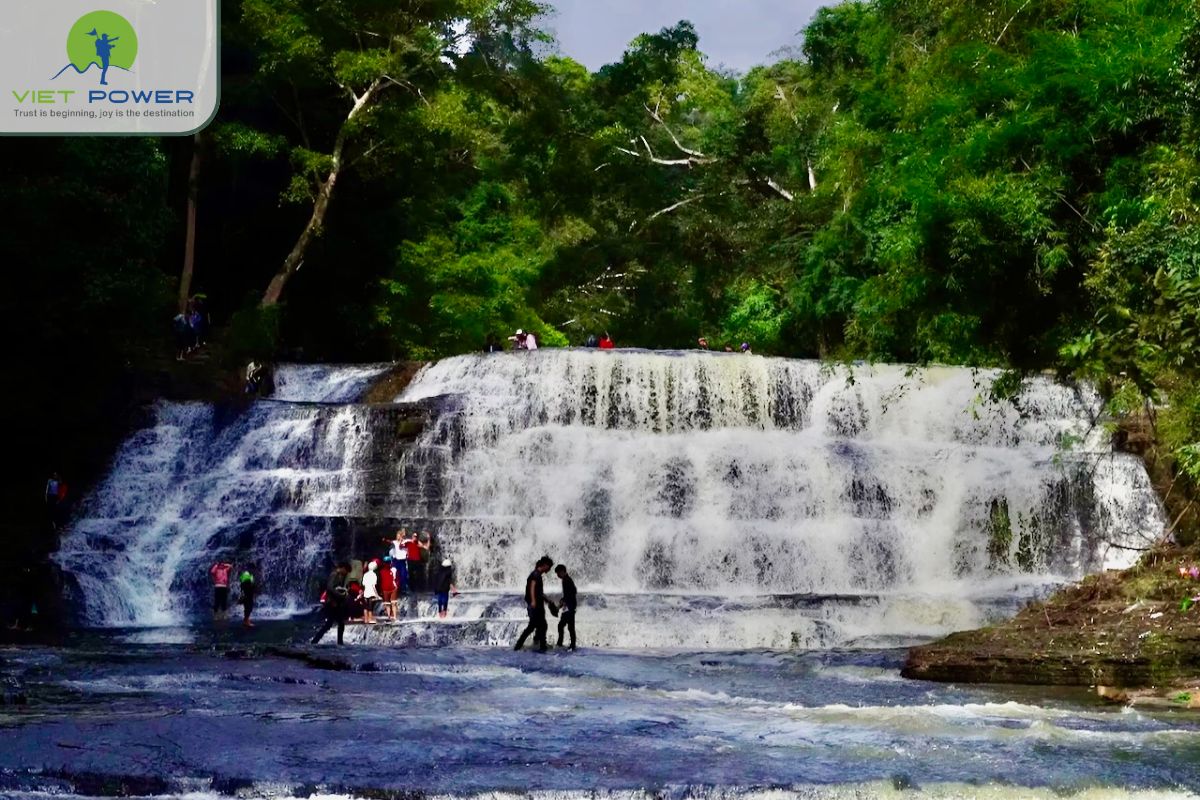
Nearby waterfalls such as Dray Sap also benefit from this increased flow. Together, they form a network of natural attractions that are best seen during the rainy season.
A Waterfall That Sounds Like Thunder: Locals often describe Dray Nur waterfall as “the waterfall of thunder.” During the rainy season, the sound of water crashing over rocks becomes loud and powerful. You can hear it even before you see it.
This natural sound adds to the feeling of being deep in the jungle. It also shows how dramatically the landscape changes in June.
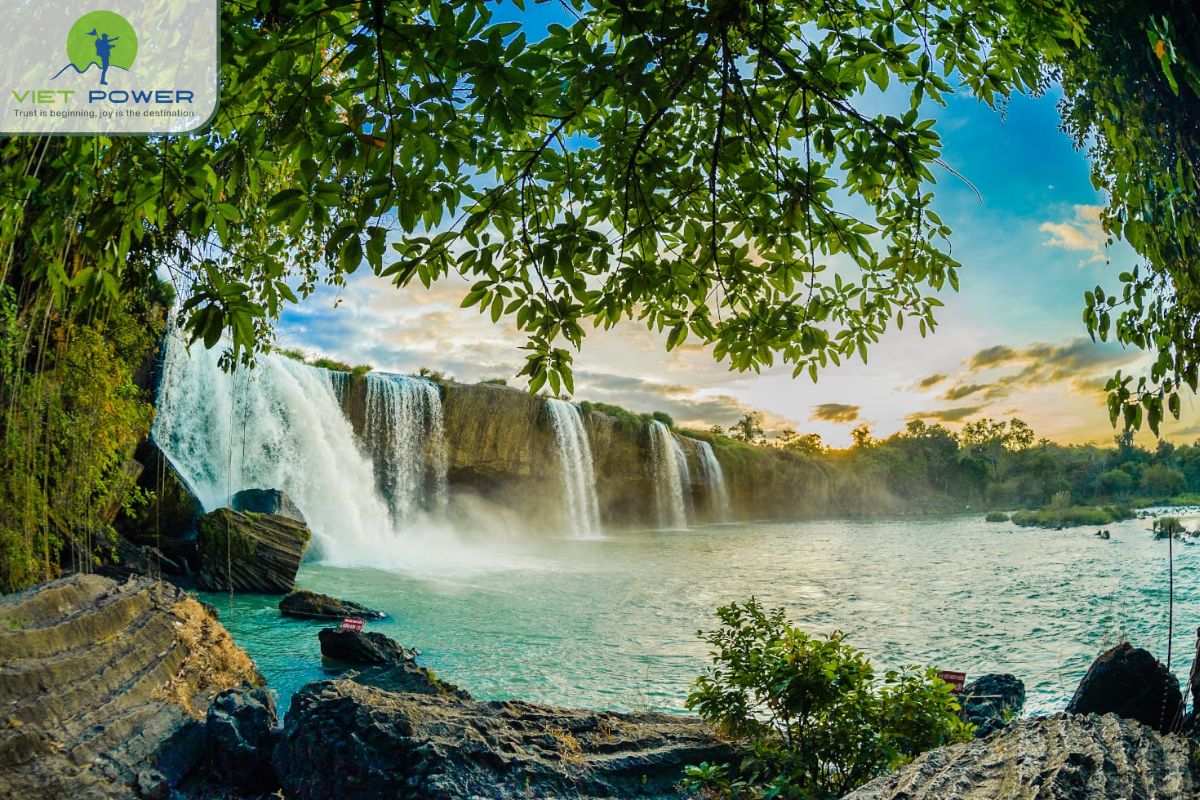
The surrounding jungle also becomes greener and more alive. You can walk along trails, listen to the water, and feel the cool mist in the air.
However, you should take precautions. Trails can be slippery, and water levels may rise quickly. It is best to visit in the morning and follow local guidance.
Even with these challenges, Dak Lak in June offers a powerful and memorable waterfall experience.
If you’re inspired to see Vietnam your own way, Vietpower Travel is here to create a journey that fits you perfectly.
Dak Lak is not only about nature. It is also rich in culture, especially among ethnic communities.
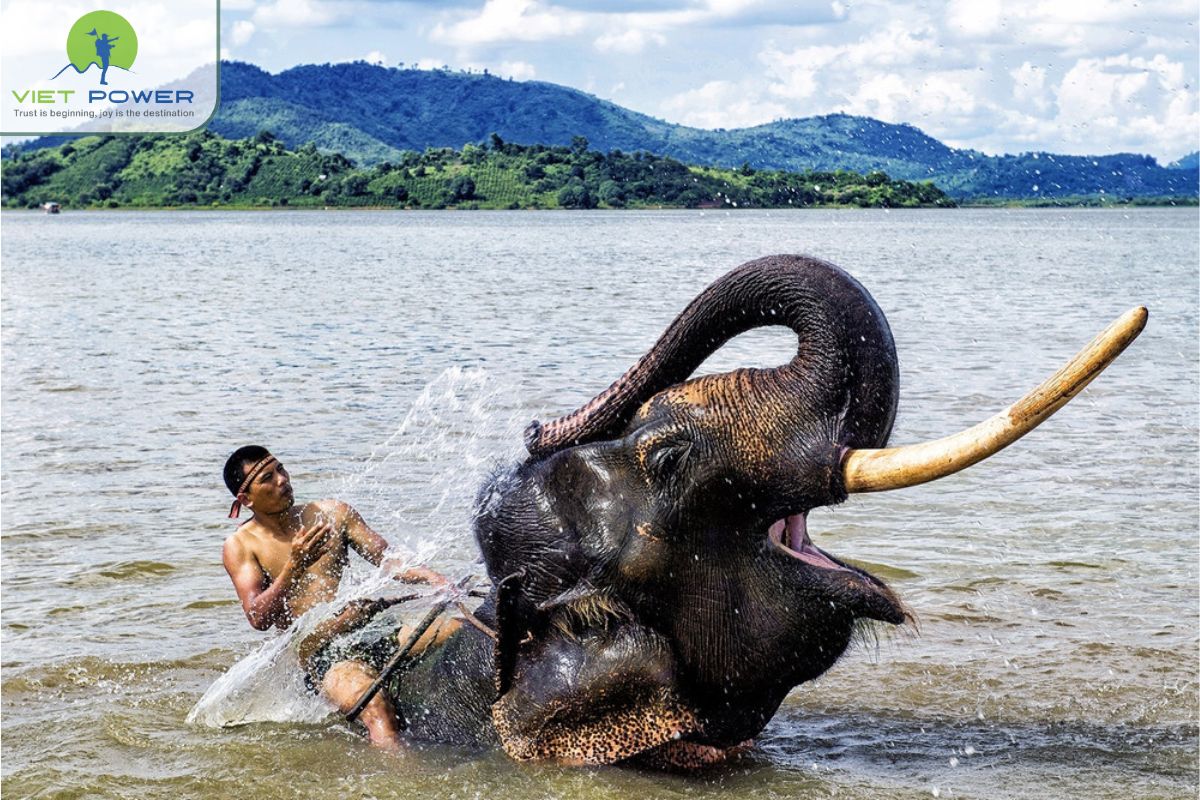
Buon Don is famous for its connection to elephants.
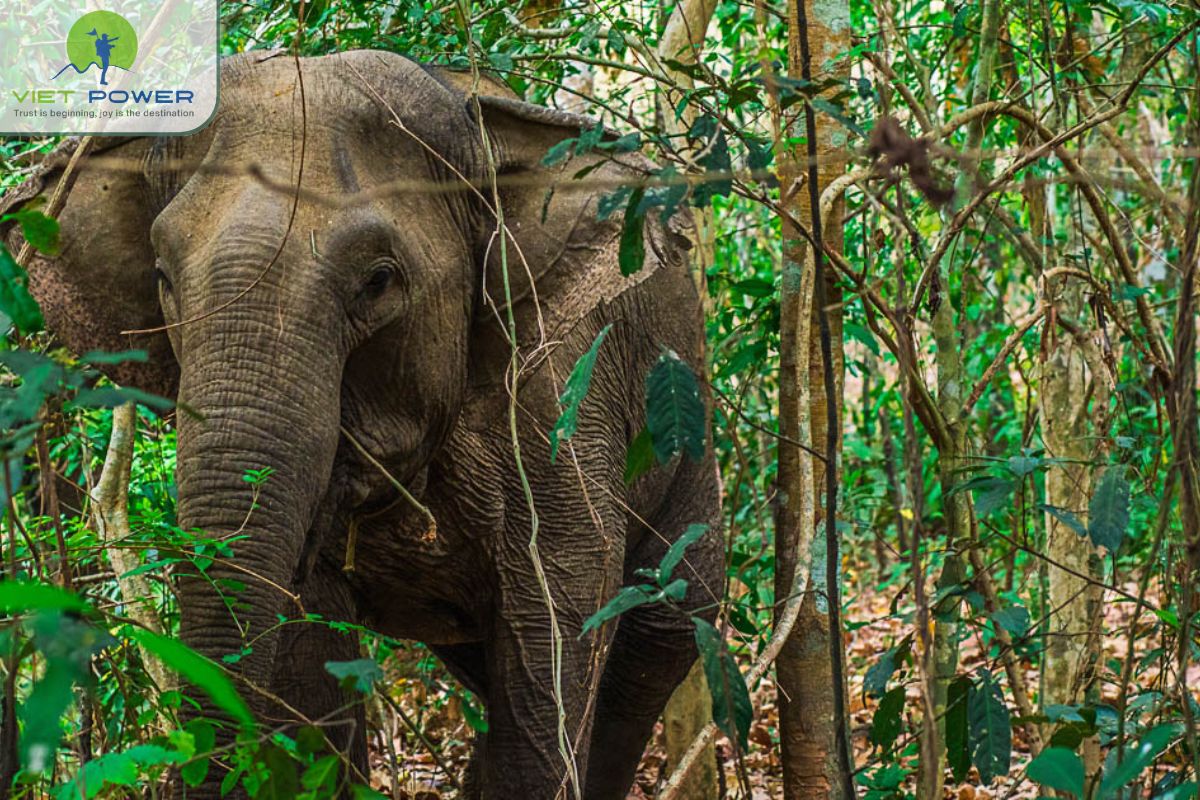
What is special about elephant culture in Dak Lak? In the past, elephants were a symbol of strength and wealth in Dak Lak. They helped transport goods and played an important role in festivals.
Today, the focus has shifted. Many places now promote ethical tourism and elephant conservation. Visitors can learn about these animals without riding them. This change reflects a growing awareness of sustainable travel.
This shift reflects a growing awareness of sustainable travel. It also helps protect animal welfare. When you explore Dak Lak in June, you will see how tradition and modern values come together.
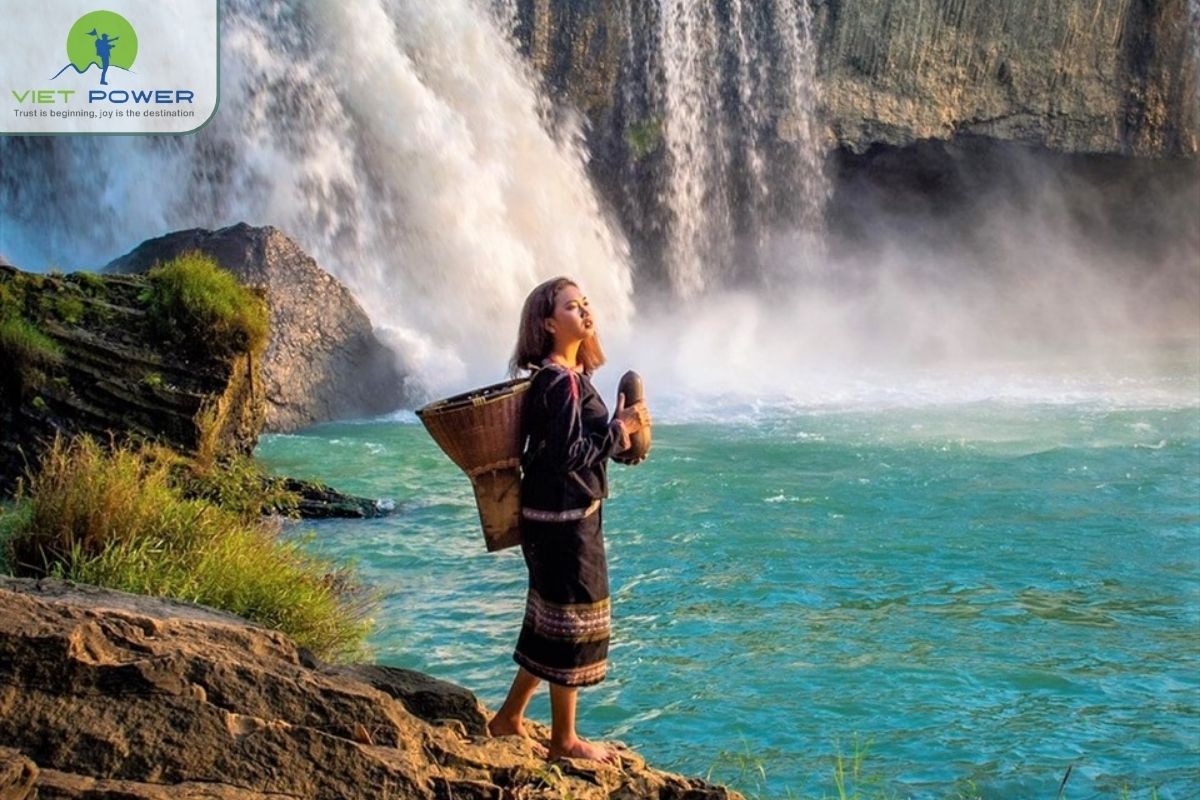
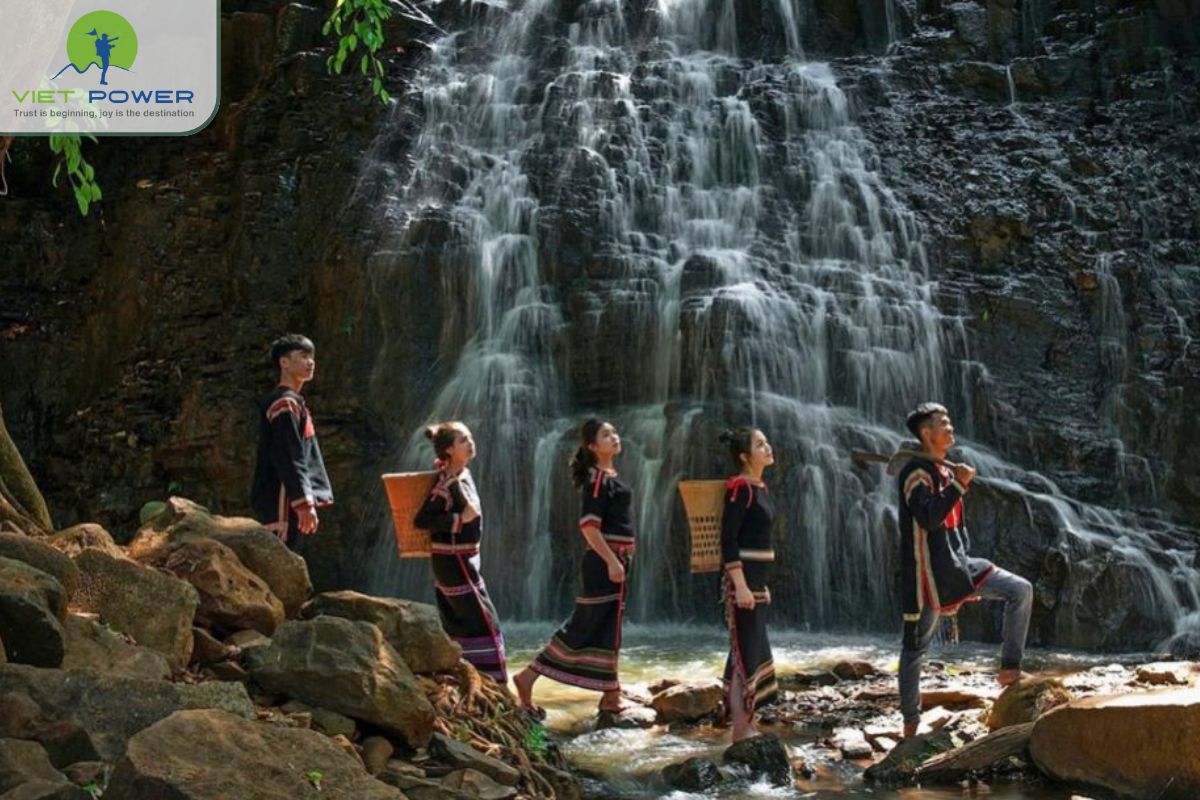
Dak Lak is home to many ethnic groups, especially the Ede and M’nong. Each group has its own customs, language, and architecture. When you visit their villages, you can see longhouses, which often shelter extended families.
Fact: The Sound of Gong Culture in the Highlands. Dak Lak is part of the Central Highlands gong culture, recognized by UNESCO as intangible heritage. Gongs are not just musical instruments. They are believed to connect people with spiritual worlds.
During special occasions, the sound of gongs echoes through villages. Combined with the rainy season atmosphere, it creates a powerful cultural experience.
In June, daily life becomes easier to observe during this time. Farmers work at a slower pace, and families spend more time at home. Therefore, you have more chances to interact with locals and learn about their traditions.
Exploring village life in Dak Lak in June helps you understand the region beyond its landscapes.
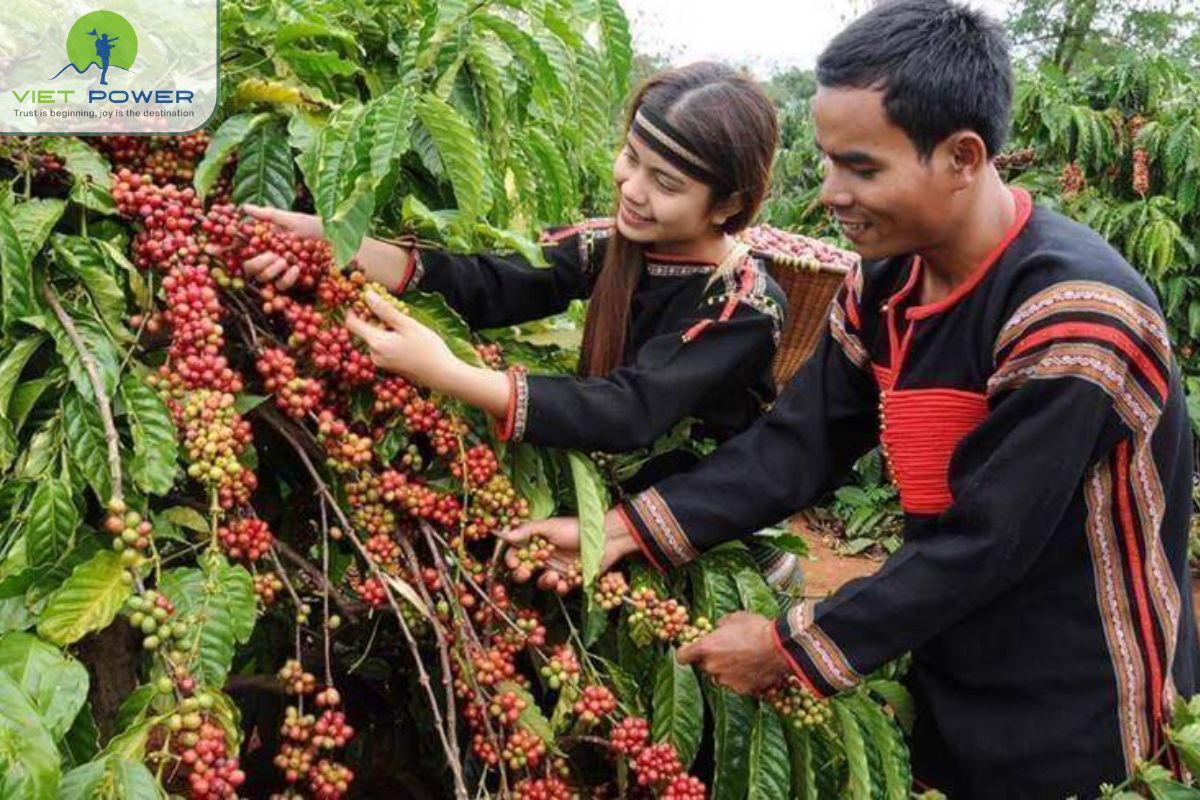
Coffee plays a central role in Dak Lak’s identity. The region is known as Vietnam’s coffee capital, especially around Buon Ma Thuot. Vast plantations stretch across the basalt plateau and shape the local economy.
Do you know “Coffee season begins with the rain?” June rain plays a key role in the coffee cycle. It helps coffee trees recover after the dry season and prepares them for the next stages of growth.
Farmers closely watch the first rains. For them, it signals the start of a new agricultural cycle. This connection between weather and farming adds meaning to a visit during this time.
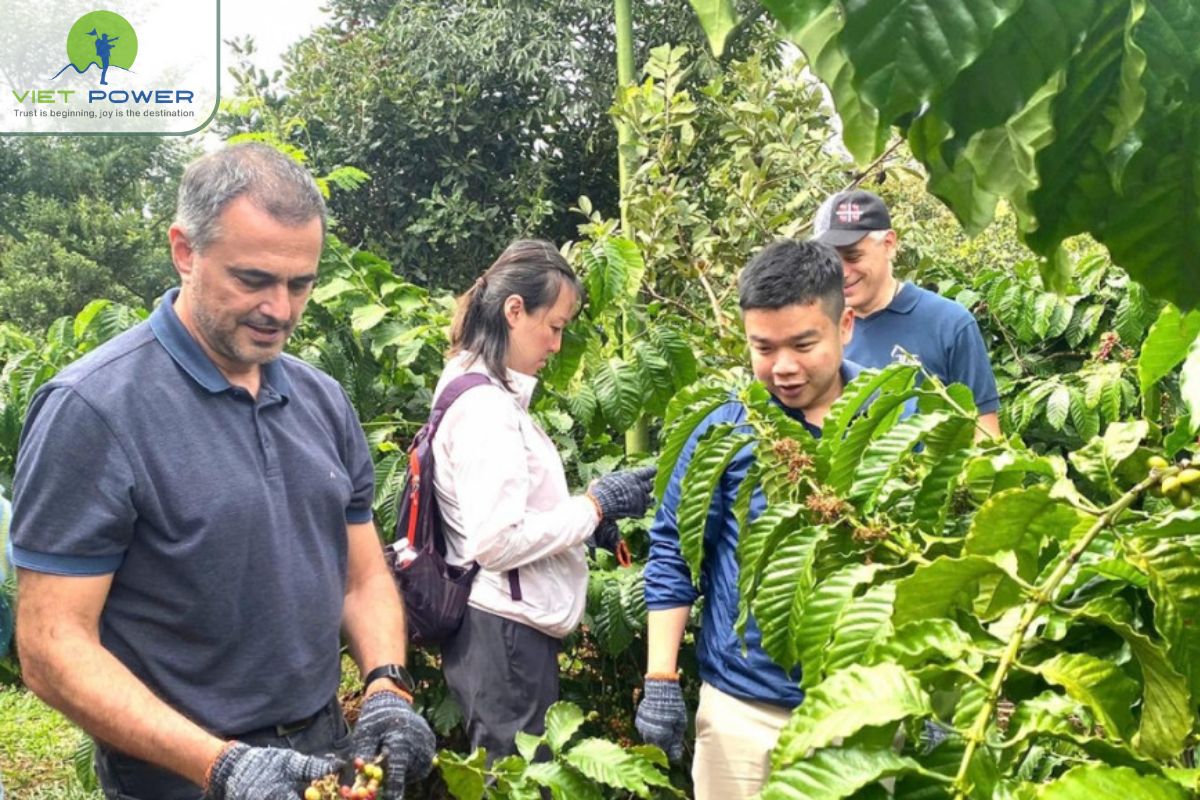
Visitors can walk through plantations and see how coffee is grown. They can also enjoy fresh brews in local cafes. Because of the rain, the plantations look especially lush during this time.
Continue exploring similar posts to learn more about Vietnam’s attractions and experiences:
Choosing between the Central Highlands and coastal areas can be difficult. Each offers a different experience.
Coastal destinations like Da Nang and Nha Trang experience hot and sunny weather in June. Beaches look bright and lively, which attracts many domestic and international travelers. As a result, these places often become crowded. Prices for hotels and services may also increase during peak season.
Dak Lak in June offers a cooler climate. The region sits on a high plateau, so temperatures feel more comfortable. Although the rainy season begins, showers usually come in short bursts. After the rain, the air becomes fresh and clean.
The landscape changes significantly. Rain brings life to forests, coffee plantations, and waterfalls. The basalt soil absorbs water well, which helps plants grow quickly. Therefore, the scenery looks greener and more vibrant than in coastal areas during this time.
Coastal cities focus on beach holidays. Visitors often spend time swimming, sunbathing, or enjoying resorts. At night, they explore restaurants, bars, and entertainment areas. This creates a lively and energetic atmosphere.
Dak Lak in June offers a completely different rhythm. Instead of beaches, you explore waterfalls, national parks, and ethnic villages. Activities often include trekking, visiting coffee farms, and learning about local culture.
In addition, the atmosphere feels quieter and more personal. Tourist crowds remain smaller, so you can enjoy each place at your own pace. You also have more chances to interact with local people and understand their daily life.
Because of these differences, Dak Lak suits travelers who seek meaningful experiences. It allows you to connect with nature and culture, rather than follow a typical beach itinerary.
Dak Lak in June reveals a side of Vietnam that is rich, green, and deeply cultural. The rainy season transforms the landscape into a vibrant environment filled with life. Waterfalls become powerful, coffee plantations thrive, and local traditions remain strong.
Although rain is part of the experience, it does not limit travel. Instead, it adds character and depth to the journey. With the right planning, you can enjoy both nature and culture at their best.
If you are ready to discover a different side of Vietnam, consider Dak Lak in June. Contact Vietpower Travel today and start planning your Vietnam adventure.
Please kindly send us your ideas about the tours: destinations, attractions, your group, hotel class... we will get back to you with details & best offers quickly. Surely, you will feel satisfactory!
 |
 |
 |
 |
 |
 |

.jpg) Customize Your Trip
Customize Your Trip
 Vietnam
 Thailand
 Laos
Laos Indonesia
 Cambodia
 Myanmar
 Indochina Tours