Embark on a journey with Vietpower Travel through this comprehensive review mountainous area guide, where Vietnam’s majestic peaks meet the charm of ethnic culture and pristine nature. From Sapa’s cloud valleys to Ha Giang’s limestone cliffs, each trail reveals breathtaking scenery and local authenticity. This article highlights trekking experiences, hidden villages, and eco-friendly travel practices for those who seek harmony with Vietnam’s northern highlands.
The northern mountains of Vietnam stretch across a majestic chain of ranges - Hoang Lien Son, Tay Con Linh, Tam Dao, Phja Oac, and Bach Ma - each offering its own rhythm of life and natural beauty. From towering peaks and ancient forests to emerald valleys and ethnic villages, this region is an endless source of wonder for nature lovers.
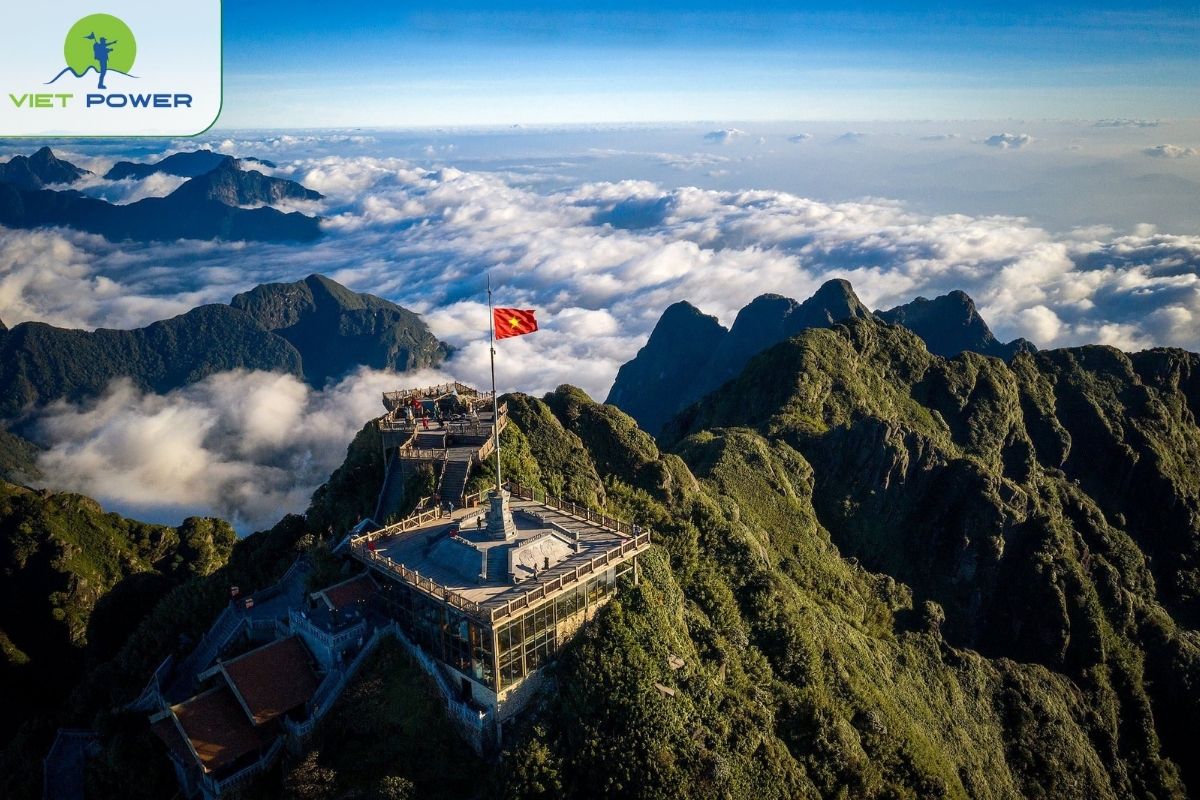
At 3,143 meters, Fansipan - also known as the “Roof of Indochina” - crowns the Hoang Lien Son Range, the highest and most iconic in Vietnam. The mountain features both tropical forests at its base and alpine vegetation near the summit, creating a unique ecosystem filled with orchids, moss-covered stones, and whispering bamboo.
Travelers can reach the peak through multiple trekking routes of varying difficulty or take the modern cable car that glides above the sea of clouds. The improved infrastructure connecting Lao Cai, Yen Bai, and Lai Chau has brought economic benefits to nearby communities, making it easier for local farmers and homestay hosts to welcome visitors. Yet, as tourism grows, preserving the natural balance and mountain culture remains a shared responsibility among guides, travelers, and locals alike.
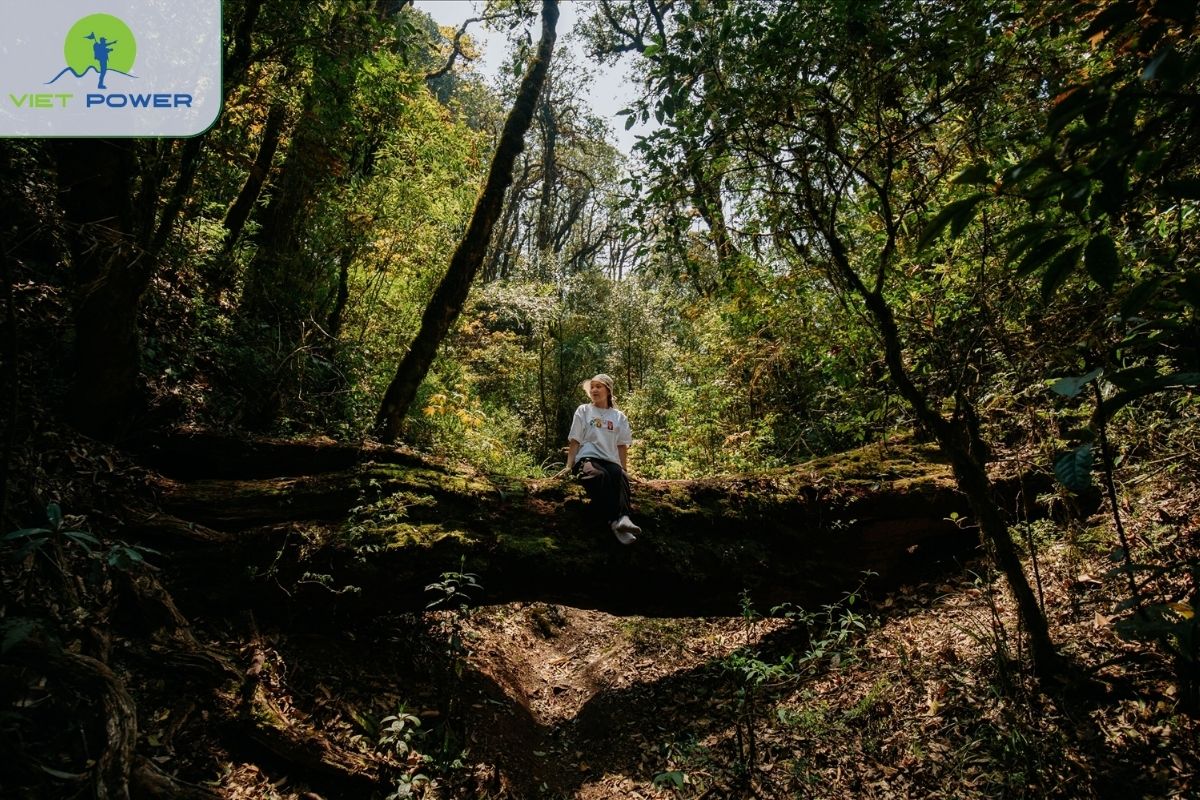
While Fansipan shines as Vietnam’s highest summit, Tay Con Linh in Ha Giang and Phja Oac in Cao Bang embody a quieter kind of beauty - untouched, misty, and deeply peaceful. Both areas are rich in biodiversity, home to rare species such as black-crested gibbons, red pine forests, and wild medicinal herbs that sustain local ethnic communities.
Their high humidity and frequent fog nurture thick layers of moss and evergreen ferns, creating lush forest canopies and crystal-clear streams. Early mornings often bring rolling clouds that weave through the valleys, offering breathtaking views and a cool freshness few places can match. These ranges are perfect for travelers who seek solitude, pristine nature, and cultural authenticity, away from the tourist crowds.
Discover Vietnam beyond the ordinary with a bespoke travel experience thoughtfully arranged by Vietpower Travel.
Vietnam’s mountain system stretches across the North and Central regions, filled with impressive peaks that attract hikers, photographers, and adventure seekers from around the world. Below are ten of the country’s most admired summits, each offering its own challenge and character.
|
|
|
|
|
|
|
|
|
|
|
|
|
|
|
|
|
|
|
|
|
|
|
|
|
|
|
|
|
|
|
|
|
|
|
|
|
|
|
|
|
|
|
|
|
|
|
|
|
|
|
|
|
|
|
|
|
|
|
|
|
|
|
|
|
|
|
|
|
|
|
|
|
|
|
|
|
You can find more useful information in our Vietnam travel tips and review category. Explore detailed guides, helpful advice, and authentic travel experiences to help you plan your trip with confidence.
Among Vietnam’s misty highlands lie hidden mountain villages where daily life follows nature’s rhythm. These small communities - such as Ta Van, Du Gia, Kho Muong, Mu Cang Chai, and Khau Coc Cha - are home to diverse ethnic minorities who preserve their heritage through farming, crafts, and hospitality.
Visiting these places allows travelers to live like locals: staying in traditional homestays, tasting handmade dishes, and learning about customs passed down for generations. Despite challenges like isolation and limited resources, mountain residents maintain a strong connection with the land, turning simplicity into charm and resilience into strength.
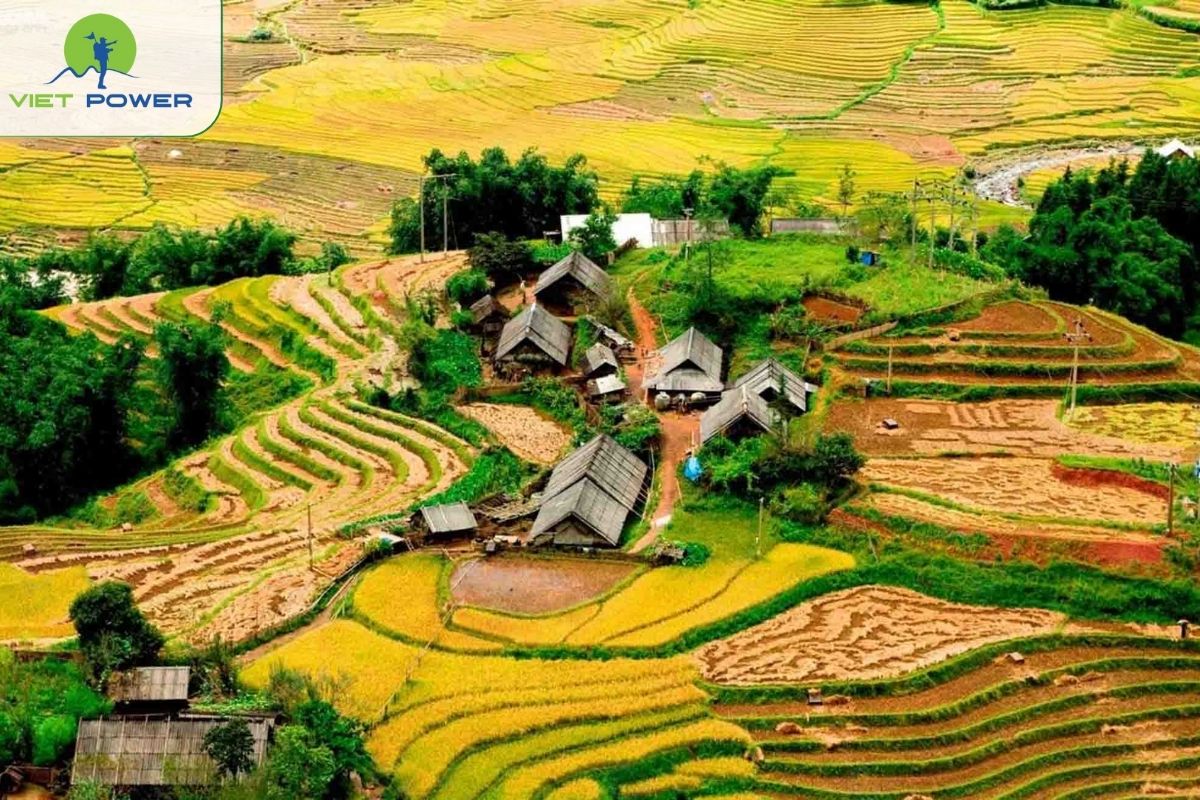
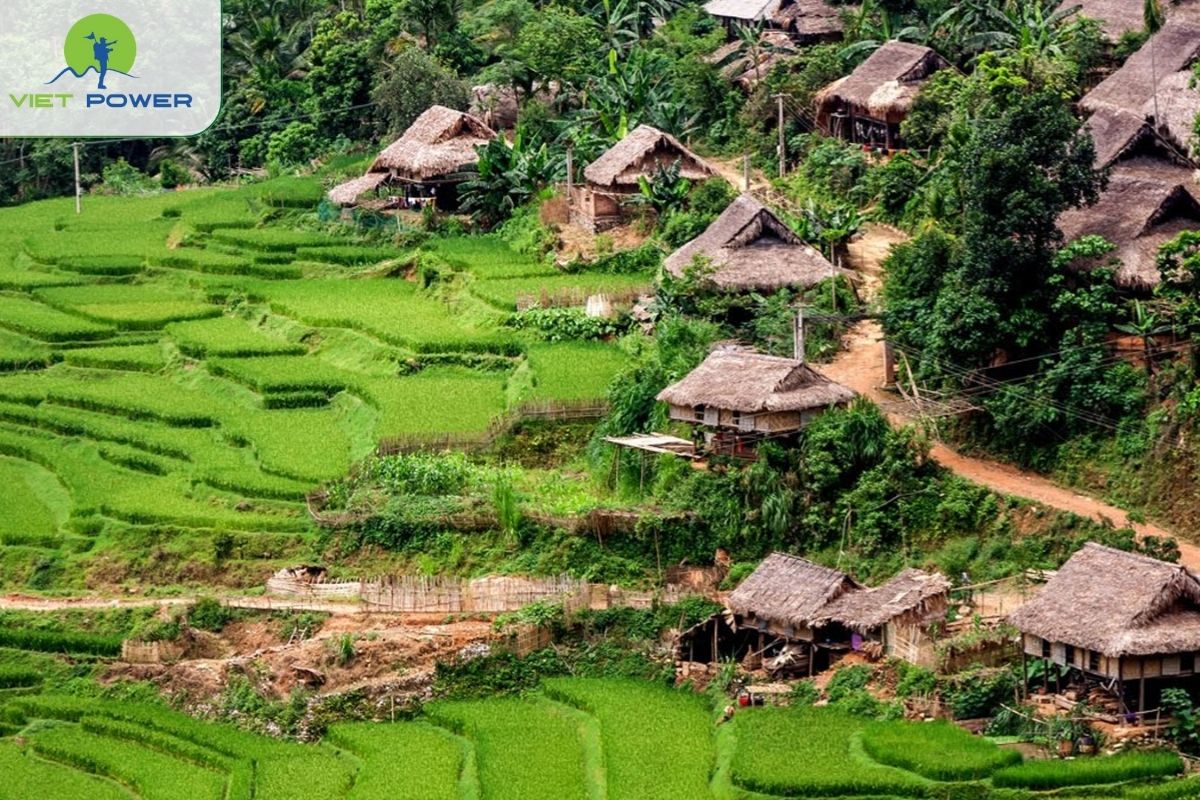
Hidden in the Muong Hoa Valley, Ta Van reflects the soul of Sapa - terraced fields glistening in the sun, bamboo bridges over small streams, and Red Dao families welcoming guests into wooden stilt houses.
In recent years, shifting rainfall has made rice cultivation less predictable, but locals have adapted by combining farming and tourism. Homestays now provide income while keeping traditional lifestyles alive. Ta Van’s peaceful pace, surrounded by clouds and greenery, gives visitors a true sense of balance between people and nature.
Deep in Ha Giang Province, Du Gia rests between limestone cliffs and emerald valleys. The sound of flowing water, children’s laughter, and the scent of wood smoke make this village feel timeless.
Tourism has become a bridge for development here. Income from homestays and trekking tours helps improve education and healthcare for local families while keeping their customs intact. Du Gia’s beauty lies in its quiet simplicity - a place to rest, reflect, and feel life at its gentlest.
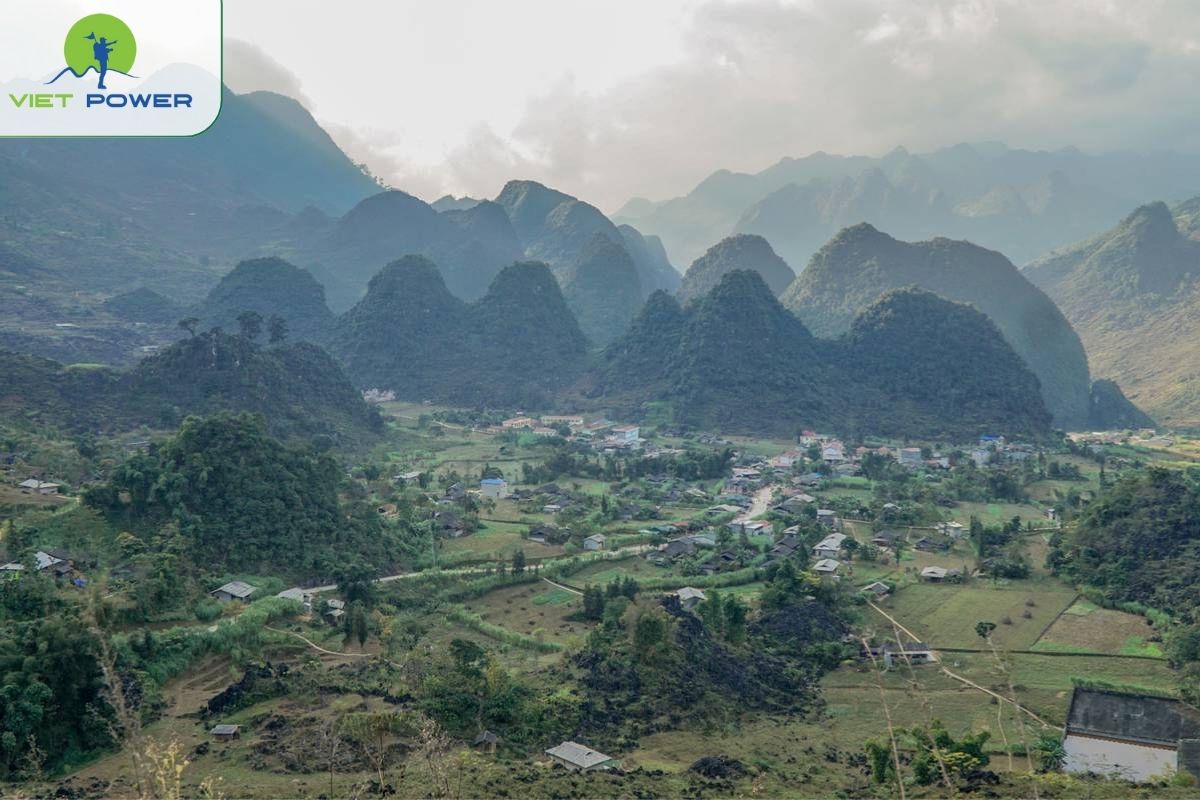
Located in Pu Luong Nature Reserve, Kho Muong is a shining example of sustainable village tourism. The Thai ethnic community here lives in stilt houses surrounded by forests and rice terraces. Visitors can join weaving workshops, hike through bamboo forests, or share meals prepared from organic ingredients grown nearby.
Each ethnic group in the region - Thai, Dao, or H’Mong - brings unique traditions and colors to mountain life. Exploring these cultural layers gives travelers a deep appreciation for Vietnam’s diversity and harmony with nature.
Let’s explore more posts on this topic to discover helpful Vietnam travel tips and honest reviews from real experiences:
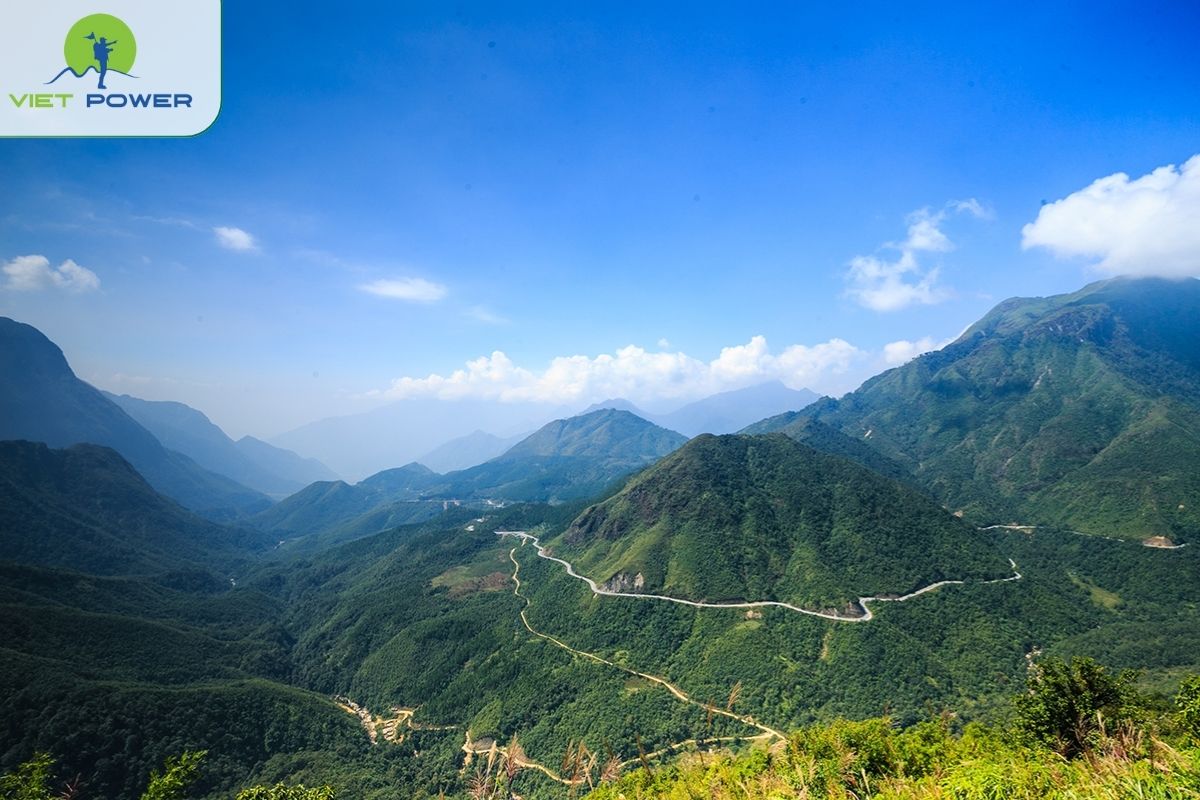
Sapa and Ha Giang are two of Vietnam’s most spectacular trekking regions. Here, winding paths lead across terraced slopes, through ethnic villages, and along breathtaking mountain passes like Ma Pi Leng overlooking the Nho Que River. Each route blends nature, adventure, and culture - perfect for travelers seeking both scenery and authentic connection.
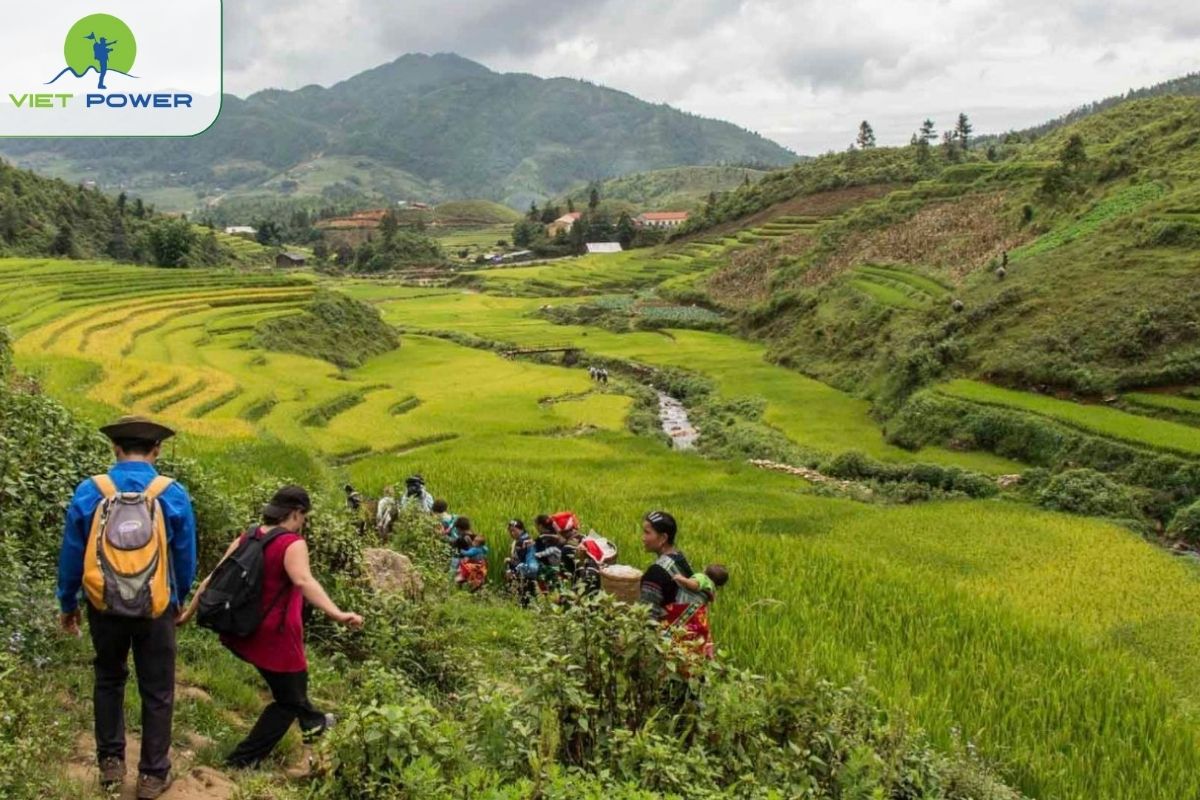
Trekking in Sapa means walking through rice terraces and meeting warm-hearted locals along the way. Routes vary from half-day walks to multi-day adventures, each revealing stunning views and cultural stories.
Because medical facilities are limited in remote areas, guided tours play a crucial role. Vietpower Travel ensures safety by providing trained local guides, first-aid support, and reliable coordination, so travelers can enjoy their journey with peace of mind.
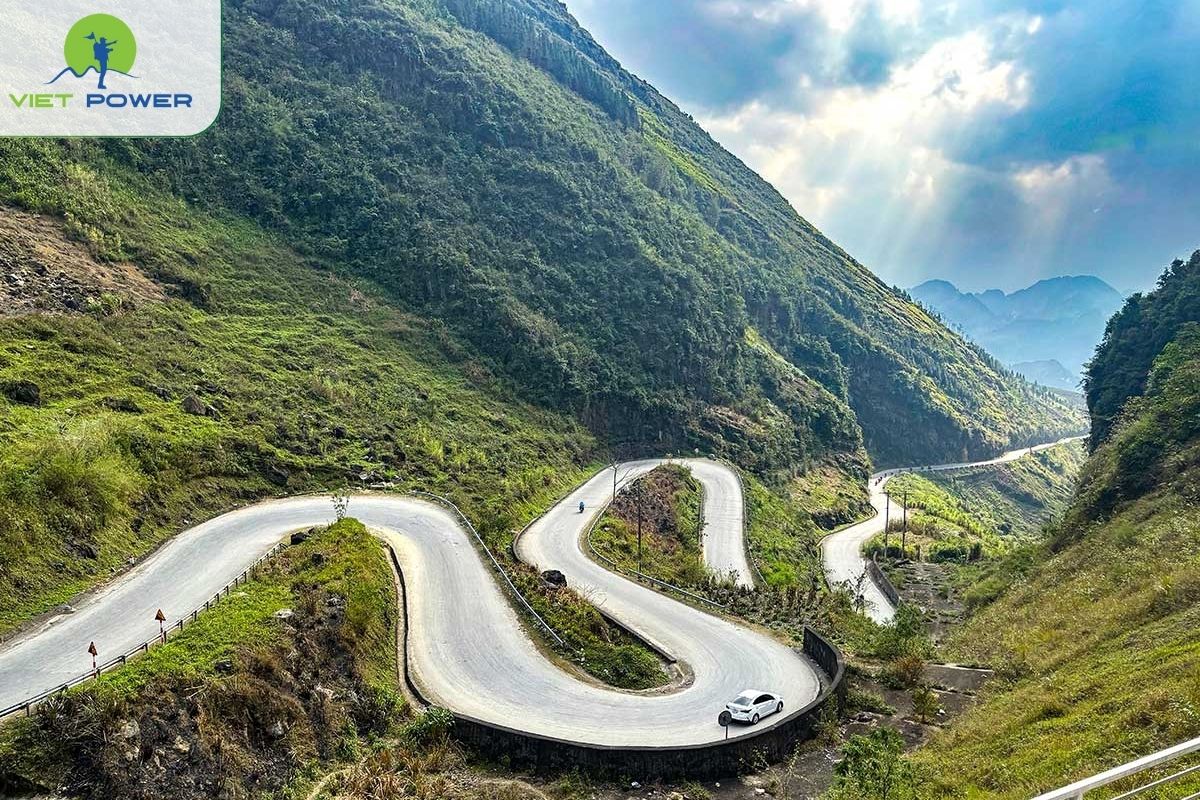
The Ha Giang Loop is a 350 km journey through Vietnam’s northernmost region. Dramatic cliffs, twisting mountain roads, and colorful markets make it one of Asia’s most breathtaking road trips.
Improved roads have opened access for visitors, helping local people develop homestays and small businesses. However, maintaining Ha Giang’s natural charm requires responsible travel. Vietpower Travel promotes eco-friendly itineraries that protect landscapes while supporting local livelihoods - ensuring the mountains remain beautiful for future generations.
Discover more posts on the same topic to gain valuable insights, useful advice, and reviews that make your Vietnam journey smoother and more enjoyable:
Vietnam’s northern highlands are blessed with panoramic viewpoints that capture the country’s natural beauty at its finest. From early-morning fog to sunset light glowing on the terraces, these places leave lasting impressions on anyone who visits.
Top destinations for photography and cloud hunting include Ta Xua, Mu Cang Chai, Fansipan, and the Ha Giang Pass - each with its own mood, color, and breathtaking perspective.
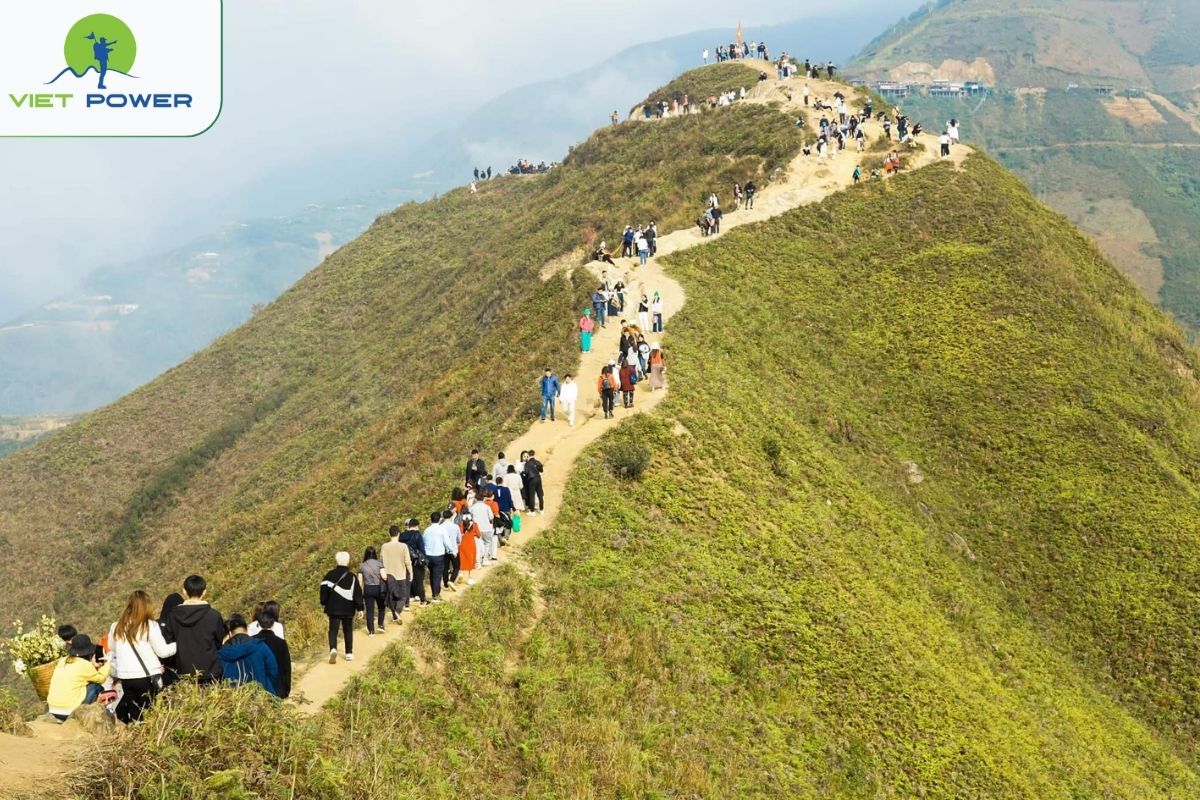
Located in Son La Province, Ta Xua is famous for its ridgeline that looks like a dragon’s back. Every sunrise brings waves of clouds rolling through the valley, turning the mountain into a sea of white. The peaceful atmosphere and cool breeze make it an unforgettable spot for hikers and photographers alike.
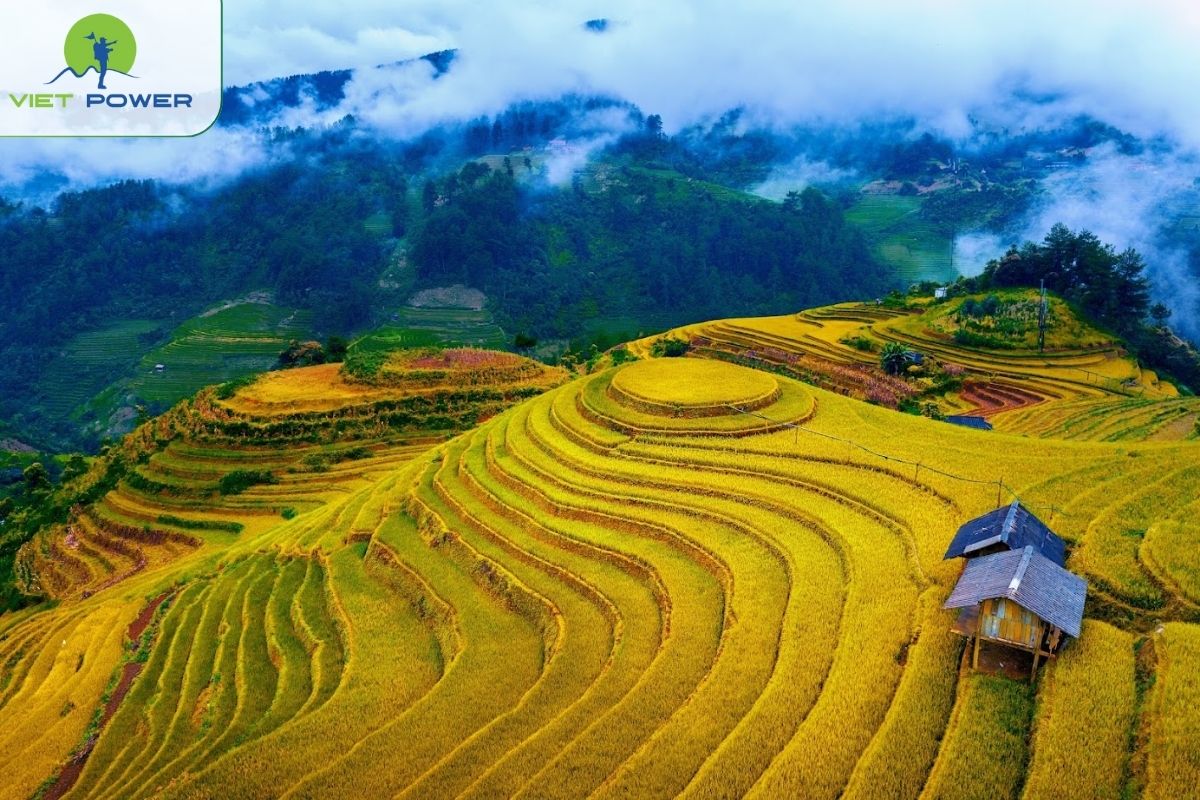
Each autumn, Mu Cang Chai turns golden as its rice terraces reach harvest season. The layered fields curve gracefully around the hills, creating one of Vietnam’s most iconic landscapes. Visitors can trek between villages, enjoy local cuisine, and capture the beauty of everyday life amid the mountains.
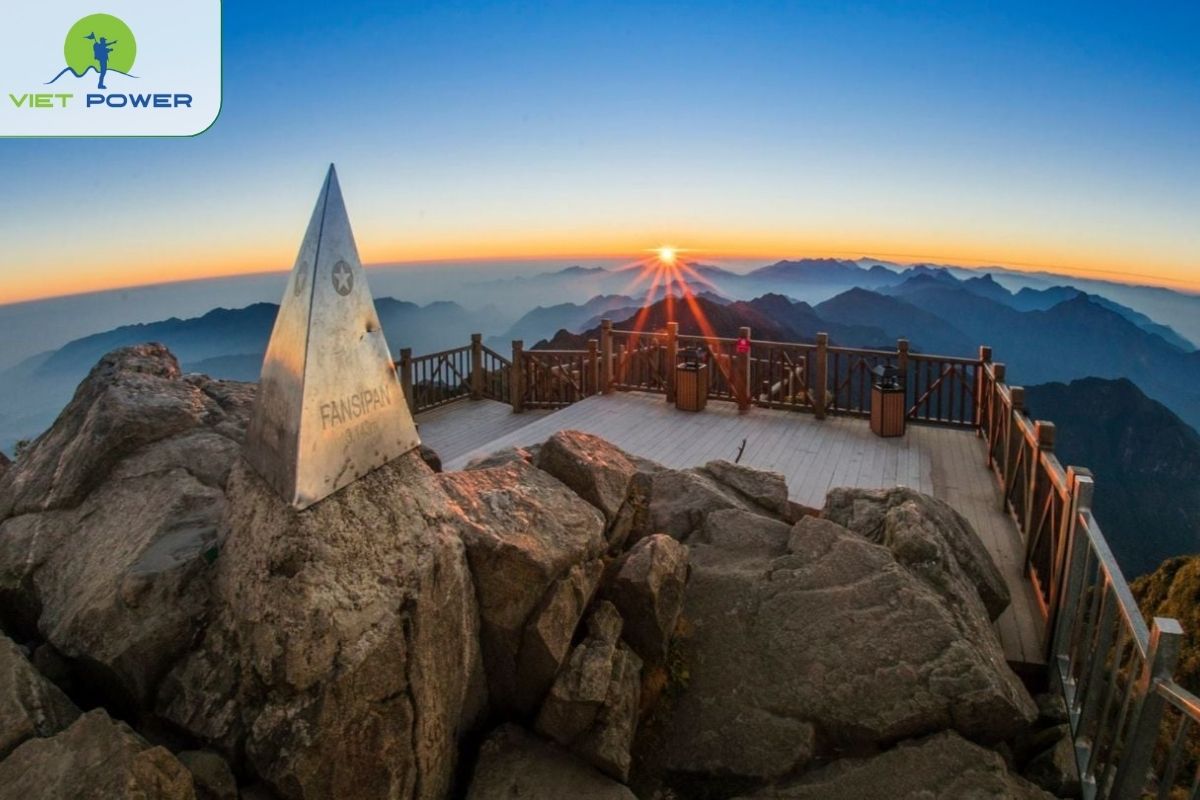
At the top of Fansipan, visitors can see across Laos and China on clear days. The cable car makes the summit accessible to all, while experienced trekkers can take the traditional trail. Watching sunrise or sunset from here feels like standing above the world - a perfect way to end a mountain journey.
Exploring Vietnam’s mountains is an unforgettable adventure, but preparation is the key to a safe and meaningful trip. Whether you plan a light trek in Sapa or a multi-day expedition in Ha Giang, understanding safety measures, proper gear, and eco-friendly practices will help you travel with confidence.
These Reviews & Tips from Vietpower Travel are gathered through years of guiding travelers in remote regions - offering straightforward advice for those who wish to explore responsibly while protecting nature and local communities.
Before starting any trekking journey, equip yourself wisely. Weather in the highlands can change quickly, so preparation makes a real difference.
The mountain climate in Vietnam can be unpredictable. Sudden rains, fog, or landslides may occur during the wet months from June to September. Travelers should always check weather forecasts and consult local guides before setting out.
Local communities and Vietpower’s field teams regularly monitor trail conditions. They work with authorities to maintain safe routes and share early warnings about seasonal hazards, helping visitors trek with greater awareness and care for both themselves and the environment.
Sustainable travel keeps Vietnam’s mountains beautiful for generations to come. Vietpower Travel follows a “leave-no-trace” policy - minimizing waste and encouraging respect for local customs during every expedition.
Simple actions make a big difference:
Explore more posts within this topic to find trusted advice, helpful travel tips, and honest reviews from visitors to Vietnam. When you’re inspired to explore in person, Vietpower Travel is here to guide you, book your Vietnam tour today and experience the country for yourself.
Please kindly send us your ideas about the tours: destinations, attractions, your group, hotel class... we will get back to you with details & best offers quickly. Surely, you will feel satisfactory!
 |
 |
 |
 |
 |
 |

.jpg) Customize Your Trip
Customize Your Trip
 Vietnam
 Thailand
 Laos
Laos Indonesia
 Cambodia
 Myanmar
 Indochina Tours