In Vietnam, food is more than just eating; it's a whole way of life. It's built around street food, using fresh ingredients, and eating together. Families get together, friends meet up at food stands on the street, and the people selling the food make amazing tastes.
This mix of different kinds of dishes, how easy it is to find, and the traditions is what makes tourists never forget Vietnamese food. Let’s Vietpower Travel review Vietnam cuisine and suggest must-try food in the following post!
Vietnamese food is famous worldwide because it's so fresh, well-balanced, and has amazing, deep flavors. The main idea behind every dish is harmony to make sure things work well together.
That means balancing herbs with stuff that's been cooked, mixing sweet and salty tastes, and making sure the food is both rich and not too heavy.
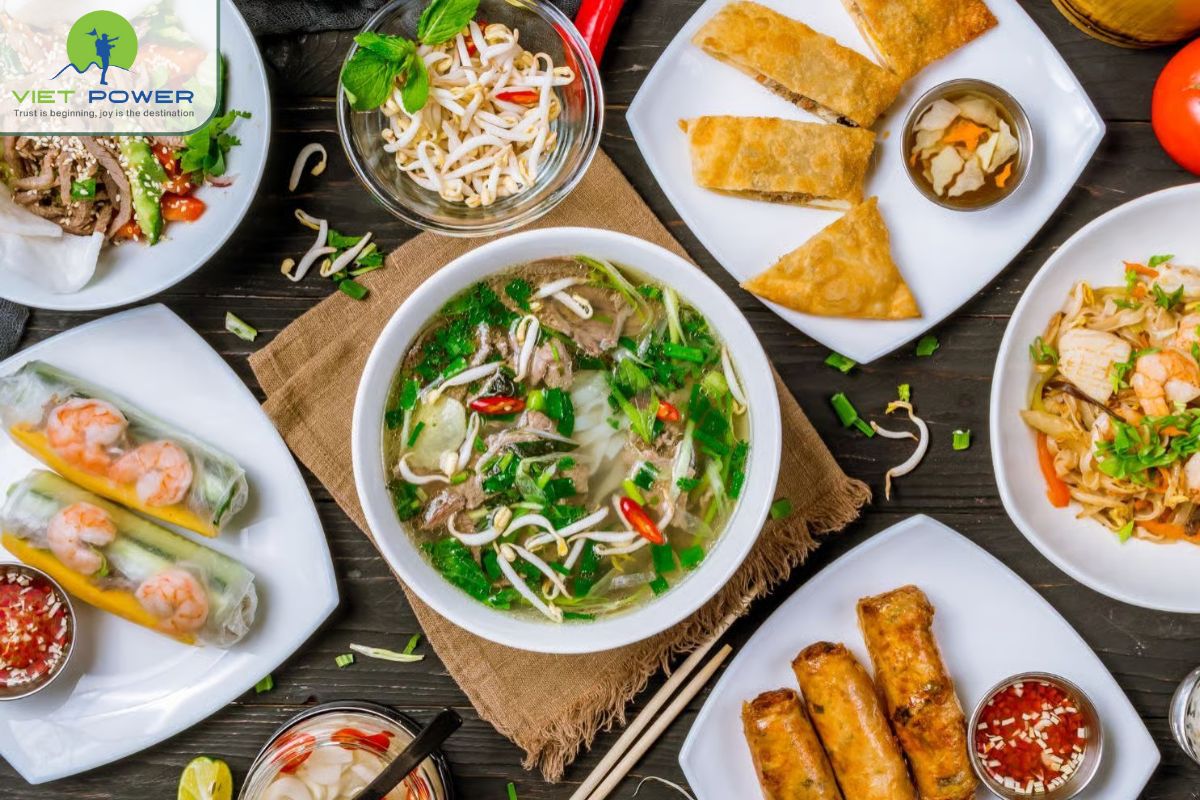
Vietnamese meals use many meat, vegetables, and herbs that are cooked or prepared when they are still fresh. Markets that open in the morning make sure the ingredients travel from the farm to the kitchen in just one day.
Besides fresh meat and vegetables, the common use of herbs like basil, mint, coriander, and lettuce adds a raw, crispy crunch that makes every meal way better.
.jpg)
Unlike other foods that use lots of oil or spices, Vietnamese food is special because of its gentle but balanced taste. Every single dish combines four main taste types:
These flavors are never used to be too much or dominant. Instead, Vietnamese cooking wants harmony - where each flavor helps the others.
.jpg)
Why do Vietnamese prefer balanced flavors of food?
In Vietnamese culture, food isn't just about how it tastes. It's about making sure your body is in balance. Meals should feel light, healthy, and easy to stomach.
Especially in a hot, tropical place where food with too much cream or heavy spices can feel like too much work. To get this balance right, Vietnamese cooks follow a few main rules:
Applying these rules to find the perfect balance is why Vietnamese food feels every bite is full of flavor, but nothing is ever too much.
Even though Vietnamese food has complicated flavors, it still feels easy and simple to get. Lots of dishes started in simple places: from people selling food on the side of the road, towns near the ocean where people fish, and small kitchens run by families.
The cooking methods are basic, but the high quality of the ingredients and knowing how to balance flavors gives every dish a special, awesome character.
Vietnamese food has become popular all over the world because it offers fresh, clean flavors while still tasting rich and satisfying. The food is cheap, healthy, and fills you up.
Vietnamese people who moved to other countries helped share famous dishes like Pho and Banh mi everywhere, turning them into common favorites even far away from Vietnam.
.jpg)
You can find more useful information in our Vietnam travel tips and review category. Explore detailed guides, helpful advice, and authentic travel experiences to help you plan your trip with confidence.
Vietnam is famous for lots of important national dishes. Some are simple, some are complicated, but all of them are deeply linked to everyday life. These are often the first dishes that visitors try, and they show what Vietnamese food is all about.
Pho is more than just a bowl of noodles - it's like a national symbol. Pho has soft rice noodles in a great-smelling broth. The broth has been cooked for hours with beef bones, star anise, cinnamon, and cooked ginger.
Broth, Herbs, and Regional Styles of Pho
.jpg)
Why Pho Shows Off Vietnamese Food Rules?
Pho proves that Vietnam is a master of balance. It has flavors that are layered, a liquid that is light yet complex, herbs, and sauces that perfectly match!
Banh mi was created from French influence and perfectly mixes French ingredients with Vietnamese freshness. A super crispy baguette holds layers of pâté (a meaty spread), grilled meats, pickled carrots, fresh coriander, and chili pepper.
Crispy Bread and Local Stuffing
Each area in Vietnam has its own style:
.jpg)
Why is Banh Mi Special?
Banh Mi is easy to carry, cheap, and you can change the fillings. So it's probably the most loved Vietnamese street food around the world.
These fresh rice-paper rolls are packed with shrimp, pork, thin rice noodles, crispy lettuce, and a lot of different herbs.
They usually come with a creamy peanut dipping sauce or a sweet sauce made with hoisin. This makes the dish taste richer without making it feel heavy.
.jpg)
Light, Healthy, and Full of Herbs
Goi cuon perfectly shows Vietnam's choice of freshness over oil. It uses raw vegetables and great - smelling herbs to make a clean, refreshing bite.
The different textures such as crunchy greens, soft noodles, and tender meat. This makes the rolls satisfying but also super light.
They don't have much fat, are full of greens, and taste strongly of natural flavors. So goi cuon has become a favorite not just for local people but also for travelers who care about eating healthy.
A bowl of bun thit nuong combines soft, thin rice noodles, smoky pork grilled over fire, pickled veggies, roasted peanuts, chili, and a big handful of fresh herbs.
Everything is poured over with a balanced sauce made from fish sauce that adds sweetness, saltiness, sourness, and a light smell of garlic.
The final dish is full of opposites. Warm meat next to cool noodles, crunchy stuff next to soft stuff, and fresh, bright herbs that make every bite exciting.
It’s refreshing but still fills you up, making it one of Vietnam’s most popular everyday meals.
.jpg)
Continue exploring similar posts to learn more about Vietnam travel tips, recommendations, and firsthand experiences from travelers:
Vietnam’s long and thin shape creates natural differences in weather, culture, and food choices. Each area uses the ingredients it has nearby in a different way, which creates unique flavors.
Let’s find out how the North, Center, and South each got their own special food styles - and why they are different.
Vietnam's tropical weather means herbs and vegetables can grow all year long. Being close to the ocean means there is plenty of seafood.
Areas in the mountains use things like root vegetables. The fertile Mekong Delta area produces lots of rice, tropical fruits, and ingredients from rivers and lakes.
These differences in the natural environment directly change how each area cooks and what seasonings they use.
.jpg)
Northern Vietnamese food is famous for its gentle, classy flavors. Instead of strong spices or very sweet tastes, the dishes focus on balance and clarity.
This means light broths, mild seasoning, and the natural taste of the meats, noodles, and herbs. The result is food that feels fancy, comforting, and in perfect harmony.
Factors affect the cuisine flavor of Northern Vietnam:
.jpg)
Famous Northern Dishes & What They Taste Like. Besides Pho Hanoi and Bun Cha, Vietpower Travel would like to suggest travelers trying:
Together, these dishes show how Northern food values classiness, balance, and comfort, creating flavors that gently warm the body and calm your tastebuds.
Central Vietnam - especially Hue city- is famous for its bold, spicy, and deep, layered flavors. Dishes here often mix chili heat, great - smelling lemongrass, and rich broths.
This creates meals that feel vibrant, intense, and full of personality. Compared to the North's gentle flavors and the South's sweetness, Central food is famous for its strength and complexity.
Factors affect the cuisine flavor of Central Vietnam:
.jpg)
Famous Central Dishes & What They Taste Like
Fact: "cao lau" means "high floor". It originated from a time when the dish was served to wealthy merchants who would eat it on the upper floors of restaurants while keeping an eye on their goods below.
Across these dishes, you'll find signature Central ingredients like shrimp paste, lemongrass, and chili, creating a cuisine that is fiery, aromatic, and unforgettable.
Southern Vietnamese food is famous for being warm, bright, and generous. It shows off the region's sunny weather and friendly culture.
Flavors here are often sweeter, richer, and smell better (more aromatic), creating meals that feel cheerful and full of life.
Factors affect the cuisine flavor of Southern Vietnam:
.jpg)
Famous Southern Dishes & What They Taste Like
Southern dishes often use coconut milk, palm sugar, and fresh herbs. This creates food that feels vibrant, friendly, and instantly appealing to anyone trying it for the first time.
Discover more posts on the same topic to gain valuable insights, useful advice, and reviews that make your Vietnam journey smoother and more enjoyable:
The heart of Vietnamese food is its ingredients. From strong-smelling fish sauce to fragrant herbs, every single part works to balance out the flavors.
Let’s explore the essential herbs, seasonings, and regional staples that give Vietnamese food its identity.
Vietnamese meals are almost never served without fresh herbs. Each herb adds its own smell and flavor, creating the bright, refreshing “green” taste.
Coriander (rau ram): This herb has a warm, peppery, slightly lemony taste. It's used to cut through rich or strong - tasting foods like duck, balut, and salads.
Thai basil (hung que): Thai basil smells great with hints of anise and pepper. It brings a sweet, herbal lift to noodle soups like Pho or Bun bo Hue. Its strong smell balances savory broths and fatty meats, making harmony in every bite.
Mint (bac ha): Mint is cool, refreshing, and a little bit sweet. It's essential in fresh rolls and salads because it makes flavors brighter and adds a cooling effect. This is perfect for Vietnam’s warm weather and spicy dishes.
Perilla leaves (tia to): Perilla has a unique, slightly nutty, shiso - like flavor with hints of cinnamon and mint. Often served with grilled foods or used in soups. It adds complexity and a soothing herbal smell that helps with digestion.
Sawtooth coriander (ngo gai): Stronger and more fragrant than regular cilantro. It has a bold, citrusy note. It's often added to liquids like Pho broth to make the smell stronger and give a clean, sharp freshness.
.jpg)
Vietnamese food relies on these herbs not just for taste, but for balance. They cool the body, make flavors brighter, help with digestion, and turn even simple dishes into something great-smelling and memorable.
No Vietnamese kitchen is complete without a few main seasonings and great-smelling ingredients. These things are the backbone of flavor and give every dish depth, warmth, and personality.
Fish sauce (nuoc mam): This sauce is salty, savory, and full of natural umami (the fifth taste - deeply satisfying). It is the soul of Vietnamese cooking.
It adds complexity to soups, marinades, stir - fries, and dipping sauces. Just a little bit can totally change a simple dish by making its natural flavors stronger instead of covering them up.
Chili sauce (tuong ot): Vietnamese chili sauce offers a gentle warmth with a touch of sweetness and sourness. It brightens up dishes like noodles, grilled meats, and street snacks.
Instead of being too hot or overwhelming your mouth, it makes the food lively and helps balance out richer flavors.
.jpg)
Shallots, Garlic, Ginger, Lemongrass: These great-smelling ingredients are in almost every stir - fry, soup, and marinade:
Together, they create the recognizable Vietnamese “base flavor” - which is warm, fragrant, and inviting.
Each area of Vietnam has its own signature ingredients used for flavor shaped by the local weather, what ingredients were available, and old cooking traditions.
North: Dill and Vinegar Sauces
Central: Shrimp Paste and Lemongrass
Both ingredients show the Central region's love for strong, concentrated flavors.
.jpg)
South: Coconut Milk and Palm Sugar
These ingredients fit the region’s warm climate and vibrant cooking style.
Turn your dream of discovering Vietnam into reality with a personalized tour crafted by Vietpower Travel.
We’ve discovered all factors that made up Vietnamese Cuisine. Let’s find the answer to Why Vietnamese food is getting popular all over the world.
Firstly, Vietnamese food is loved because it's fresh, balanced, and easy for anyone to enjoy. Most meals use fresh herbs and vegetables.
Besides, light cooking methods like steaming, boiling, and grilling. This helps save the natural flavors and makes meals feel clean and energizing instead of rich.
Another reason it's special is the harmony of flavors. Sweet, salty, sour, and spicy - that are carefully mixed so no single taste is too strong.
The food also uses lots of herbs like basil, mint, and coriander, which add a great smell and help with digestion. This shows Vietnam's long tradition of eating for both taste and health.
.jpg)
Vietnamese food is also naturally flexible. You can change many dishes to have meat, seafood, or be vegetarian, and lots of recipes are naturally gluten - free.
This makes them great for many different diets. On top of that, Vietnam’s cheap street food culture lets visitors try a huge variety of dishes for just a few dollars.
Finally, Vietnamese people who moved to other countries have helped spread these traditions worldwide. This turned Pho, Banh mi, and other favorites into Vietnam iconic dishes.
All these things together make Vietnamese food easy to approach, memorable, and exciting for first-time travelers and food lovers everywhere.
To enjoy Vietnam's food scene comfortably, keep a few simple tips in mind:
With these basics, travelers can explore Vietnamese food with confidence and enjoy the local flavors to the max.
.jpg)
Vietnamese food is an unforgettable adventure full of fresh, bright herbs, balanced tastes, and old, deep traditions. Every region tells a different story through its food. With fresh ingredients, healthy meals, and cheap prices, Vietnam offers a food experience that every traveler will love.
The best way to understand Vietnam is through its food - one bowl, one bite, one street corner at a time. So, why don’t you start your journey to Vietnam to enjoy the delicious food and beauty of nature after reading this review of Vietnam Cuisine? You can book your cuisine tour easily with Vietpower Travel anytime!
Please kindly send us your ideas about the tours: destinations, attractions, your group, hotel class... we will get back to you with details & best offers quickly. Surely, you will feel satisfactory!
 |
 |
 |
 |
 |
 |

.jpg) Customize Your Trip
Customize Your Trip
 Vietnam
 Thailand
 Laos
Laos Indonesia
 Cambodia
 Myanmar
 Indochina Tours