With the guidance of Vietpower Travel, exploring Sapa Museum becomes an inspiring journey into the cultural heart of northern Vietnam. Established in 2007, the museum preserves the rich ethnic heritage of Sapa through over 200 authentic artifacts, traditional costumes, and interactive displays. Visitors can learn about the diverse lifestyles of the H’Mong, Red Dao, Tay, and other communities while enjoying a deeper understanding of the history of Sapa and its people. It’s an ideal first stop for travelers seeking cultural depth and local connection.
Sapa Culture Museum was founded in 2007, based on a French model designed by Arcachon, a traveler from France. The museum was created under a cultural cooperation project between Lao Cai Province and the Aquitaine Region of France.
This partnership highlights the cultural connection between Vietnam and France. The museum preserves and introduces the daily life, customs, and traditions of Sapa’s ethnic communities, showing more than a hundred years of development of this highland town.
The museum combines French display methods with local materials and architectural style, helping visitors easily understand the cultural and historical values of Sapa.
The Sapa Museum Vietnam is ideally located at 02 Fansipan Street, right across from the Sapa Stone Church and conveniently close to Fansipan Peak and Silver Waterfall — two of the region’s signature landmarks.
Because the museum lies within Sapa’s compact town center, reaching it is effortless. You can stroll from most hotels, rent a bicycle or motorbike, or simply take a short taxi or Grab ride. Walking is a pleasant choice, as the streets are lined with cafés, markets, and local vendors — perfect for travelers who want to immerse themselves in everyday life before arriving at the museum.
Sapa, one of Vietnam’s most enchanting highland towns, offers breathtaking scenery, rich ethnic cultures, and unforgettable trekking routes. This complete Sapa tourist guide provides everything you need to plan your trip — from the best time to visit to must-see attractions and local experiences.
The Sapa Museum welcomes guests every day with the following schedule:
Unlike many other museums in Vietnam, Sapa Museum takes a daily break from 11:30 AM to 1:30 PM. This brief closure allows staff to refresh exhibits and maintain the quality of the visitor experience — a practical detail that few guides mention.
The museum’s intimate size makes it easy to explore in an hour, yet its depth of culture leaves a lasting impression — a perfect introduction to Sapa before venturing out to ethnic villages and mountain landscapes.
Let’s continue exploring more about Vietnam and all the incredible places it has to offer. Visit our Vietnam tourist attractions category to discover in-depth guides, travel ideas, and hidden gems across the country.
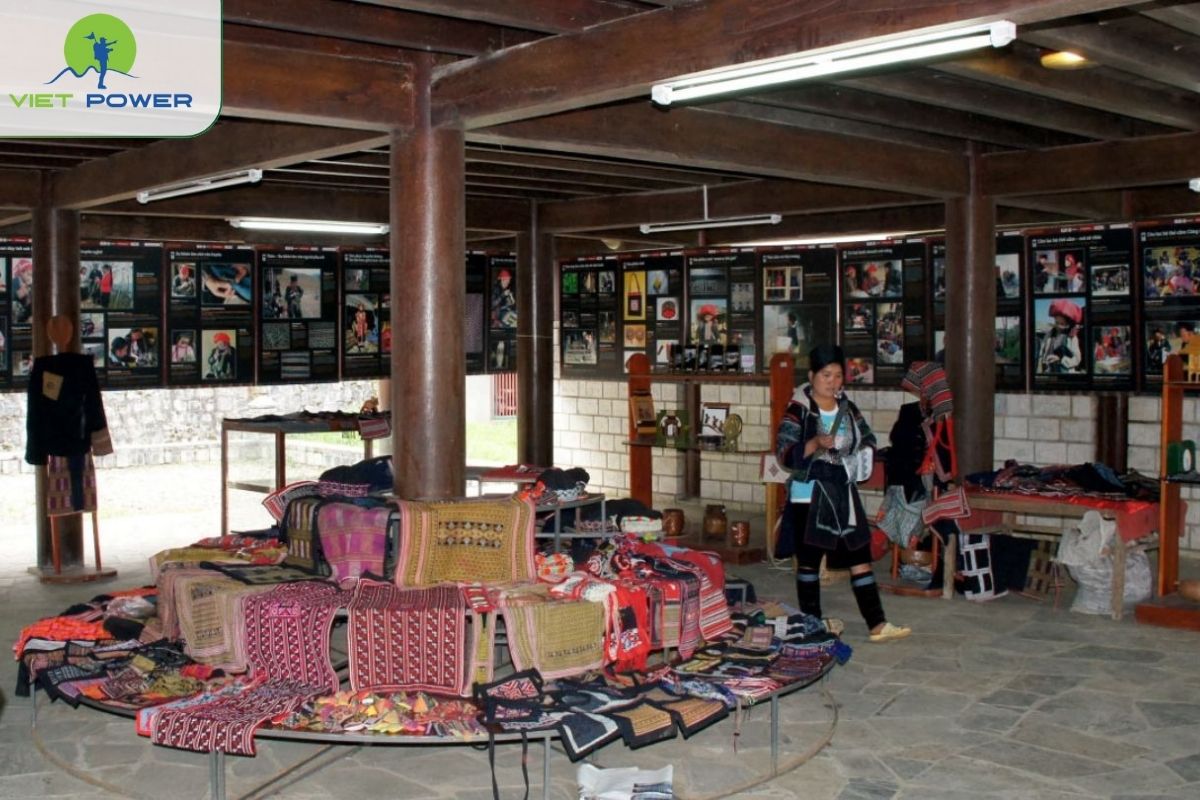
The ground floor of the museum serves as both a handicraft shop and a live artisan workspace, where visitors can watch local artists creating handmade textiles right before their eyes.
Tip for visitors: Bring small cash notes and take a moment to ask how long it takes to make a piece — it’s the best way to appreciate the effort behind each product.
If you’re inspired to see Vietnam your own way, Vietpower Travel is here to create a journey that fits you perfectly.
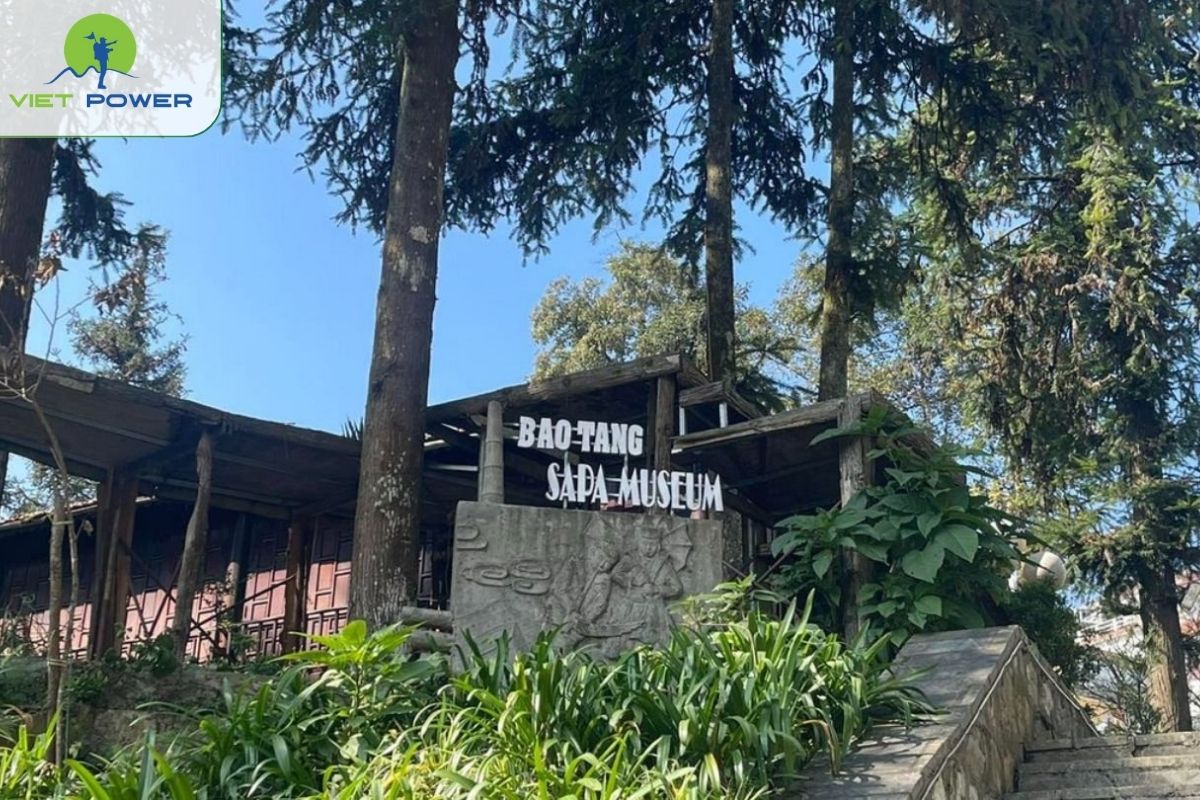
The museum building itself is a two-story wooden bungalow inspired by the Tay ethnic stilt house style. With its elevated floor, open balcony, and sloping roof, the design perfectly combines traditional aesthetics with practical exhibition use.
Suggested 30-minute Ground Floor Itinerary:
Explore more posts within this topic and uncover more of what Vietnam has to offer:
The Sapa Museum plays a key role in protecting and promoting the culture of Sapa. It helps both local residents and travelers understand how the ethnic communities have built their traditions over centuries.
For young people in Sapa, the museum is a place to learn about their roots, languages, and ancestral customs. For visitors, it provides a simple yet insightful introduction to the history of Sapa, offering a closer look at how each ethnic group expresses identity through clothing, tools, and daily activities.
By displaying authentic artifacts and detailed cultural scenes, the museum serves as a living archive that connects generations. It keeps alive the spiritual and social values of mountain communities even as modern life changes around them.
This ongoing effort ensures that local knowledge, crafts, and stories will continue to be shared long into the future — a meaningful stop for every sapa tourist who wants to explore the region’s genuine heritage.
A short half-day journey is ideal for those who wish to enjoy Sapa’s cultural highlights without rushing:
Morning: Start with the Sapa Museum to gain background knowledge about the area’s ethnic heritage. Then walk to the Stone Church and browse through local goods at the Sapa Market nearby.
Afternoon: Continue with a cable-car ride to Fansipan Peak or visit Cat Cat Village to see traditional houses and weaving workshops.
For a complete travel plan and more routes, check the Sapa Tourist Guide 2025, which includes extended options for cultural and outdoor activities.
Pack light but smart for your cultural walk around town:
These simple items will make your trip smooth and enjoyable, allowing you to experience the best of Sapa’s culture with ease.
Discover more posts on the same topic to deepen your travel inspiration:
A visit to Sapa Museum offers more than sightseeing—it’s a meaningful cultural experience that bridges the past and present of Vietnam’s highlands. Every exhibit reflects the harmony between nature, tradition, and creativity preserved by local artisans. Plan your trip with Vietpower Travel to enjoy authentic insights into Sapa’s living culture and connect this visit with other remarkable Vietnam Tourist Attractions across the country.
Contact Vietpower Travel:
Please kindly send us your ideas about the tours: destinations, attractions, your group, hotel class... we will get back to you with details & best offers quickly. Surely, you will feel satisfactory!
 |
 |
 |
 |
 |
 |

.jpg) Customize Your Trip
Customize Your Trip
.jpg)
.jpg)
 Vietnam
 Thailand
 Laos
Laos Indonesia
 Cambodia
 Myanmar
 Indochina Tours