Sapa, one of Vietnam’s most enchanting highland towns, offers breathtaking scenery, rich ethnic cultures, and unforgettable trekking routes. With Vietpower Travel, a trusted local expert in Vietnam tours, travelers can explore authentic hill tribe villages, conquer Fansipan Peak, and enjoy the charm of misty valleys. This complete Sapa tourist guide provides everything you need to plan your trip — from the best time to visit to must-see attractions and local experiences.
Standing 3,143 m tall, Fansipan is the highest mountain in Vietnam, Laos, and Cambodia. Travelers can challenge themselves with a multi-day trek or take the modern Fansipan Cable Car, which carries you above the sea of clouds in just 20 minutes.
At the summit, Buddhist pagodas, prayer flags, and sweeping panoramas make it feel like touching the sky. For a more authentic experience, book your trekking tours in advance with local H’Mong guides such as “Mama Lily.” Doing so helps sustain community livelihoods and ensures genuine cultural insight during your climb.

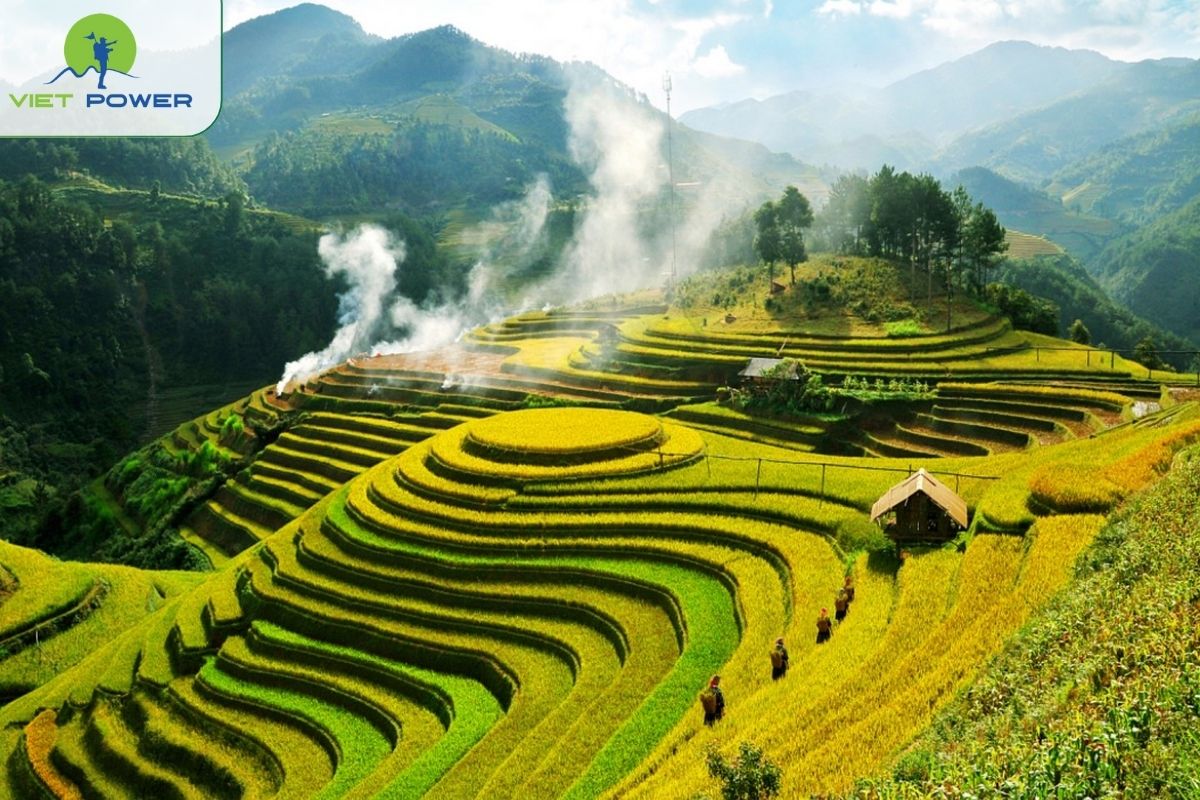
Muong Hoa Valley is home to Vietnam’s largest rice terraces — more than 2,200 ha of layered green hills that glow golden during harvest. The valley hides tranquil walking trails beside streams and footpaths leading to smaller ethnic hamlets rarely visited by crowds.
Along these routes, you’ll meet farmers tending rice, children playing in the mist, and wooden H’Mong homestays offering simple comforts — mattresses on bamboo floors, warm blankets, and shared family dinners. Staying here offers a genuine glimpse into highland life and the warm spirit of the locals.
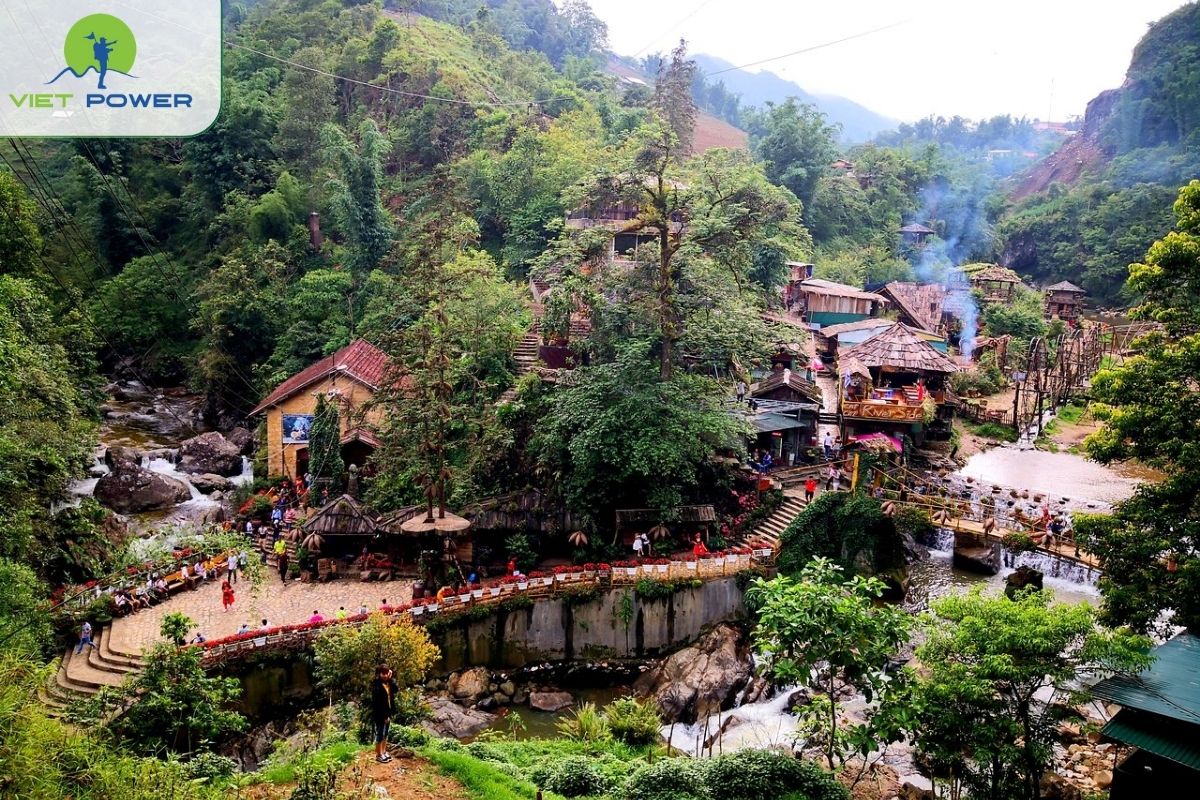
These are the most accessible and picturesque Sapa Village Vietnam destinations.
In Cat Cat, watch H’Mong women weaving brocade on wooden looms and silversmiths creating fine jewelry. The village also has a small waterfall, traditional houses, and a cultural performance stage on weekends.
Ta Van offers a quieter escape, surrounded by terraced fields and stilt houses of the Giay people. Spending a night in a local homestay lets you share home-cooked meals, rice wine, and mountain stories under starlit skies.
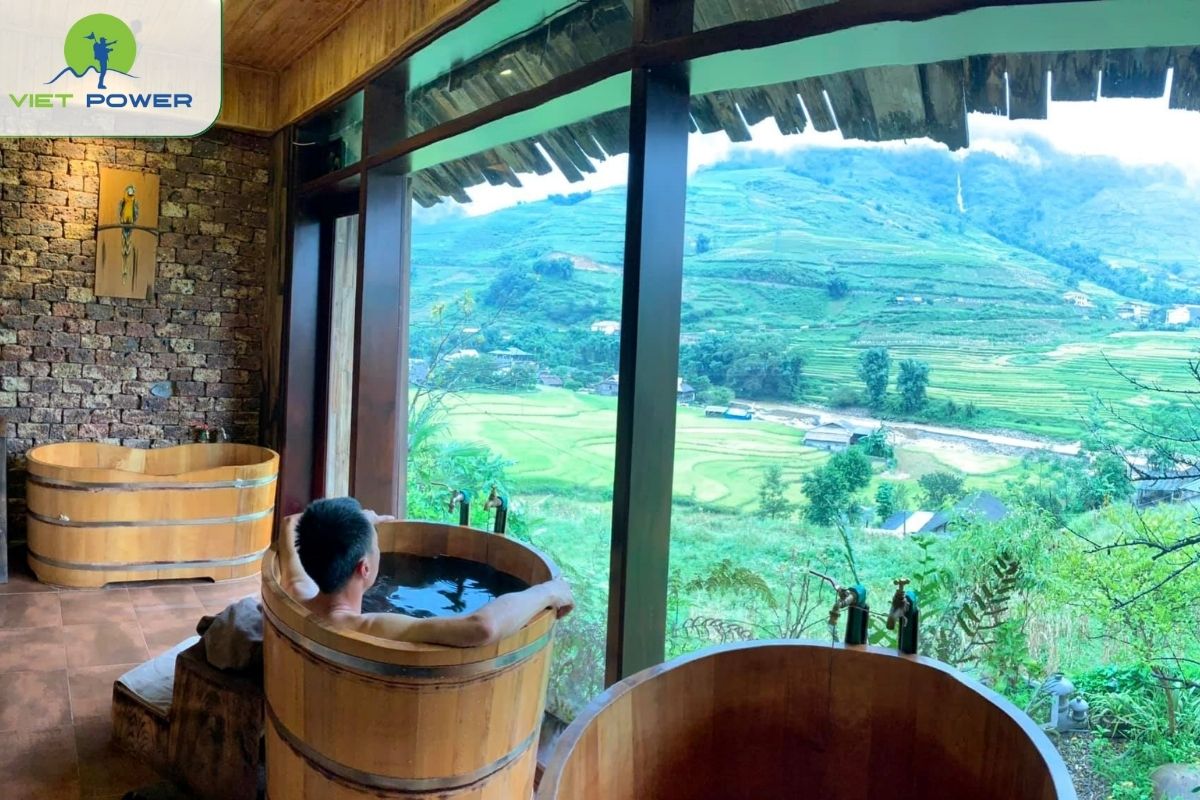
Ta Phin Village is famous for the Red Dao people and their signature herbal bath — a blend of more than 10 mountain herbs such as lemongrass, wild pepper, and cinnamon. Try this relaxing treatment after a day of trekking to rejuvenate both body and mind.
Visitors can also observe brocade weaving and traditional dyeing. At the Sapa Museum, you can see an exhibit on the “Cấp Sắc” maturity ceremony — an essential Red Dao ritual symbolizing adulthood and wisdom.
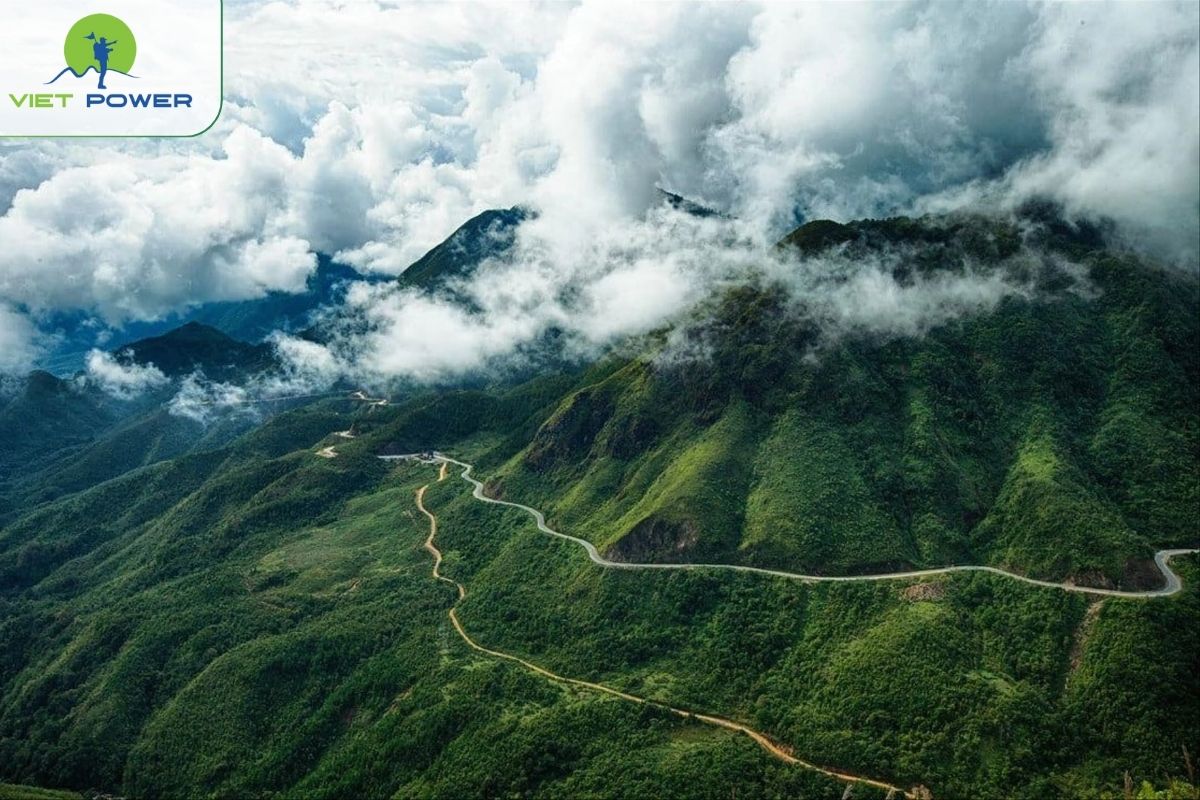
Stretching nearly 50 km, Tram Ton Pass Sapa is Vietnam’s highest and most dramatic mountain pass, soaring above 2,000 m. From the viewpoints, you can see thick clouds drifting below and green valleys spreading endlessly.
Travelers love this route for its unusual “four seasons in a single day” phenomenon — misty morning, warm midday, breezy afternoon, and cool twilight. The pass is also one of Vietnam’s most photogenic motorbike routes.
Turn your dream of discovering Vietnam into reality with a personalized tour crafted by Vietpower Travel.
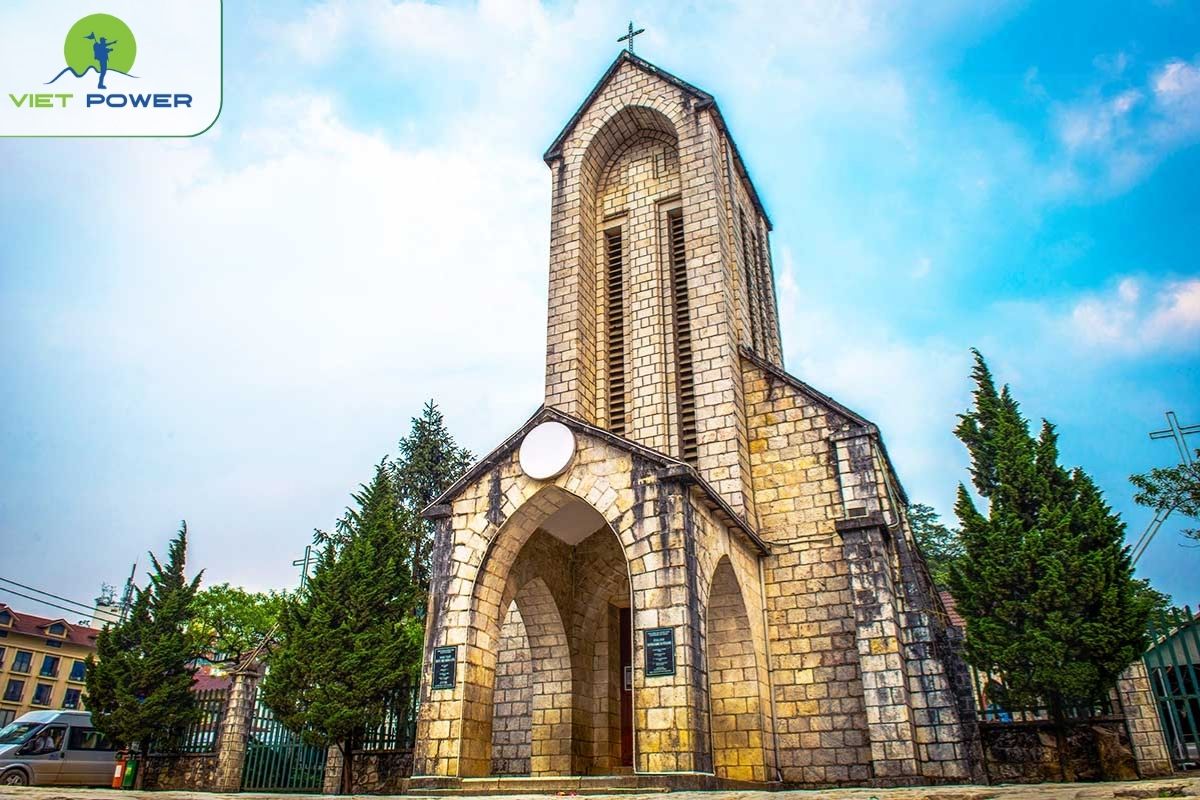
Built by the French in 1895, the Sapa Stone Church remains a symbol of the town’s colonial past and community faith. On Saturday evenings, the square around the church comes alive with the Love Market, where locals sing and dance in traditional attire.
Just behind the church rises Ham Rong Mountain, featuring flower gardens, orchid houses, and panoramic viewpoints overlooking Sapa and the Hoang Lien Son range — a favorite for sunrise or sunset photos.
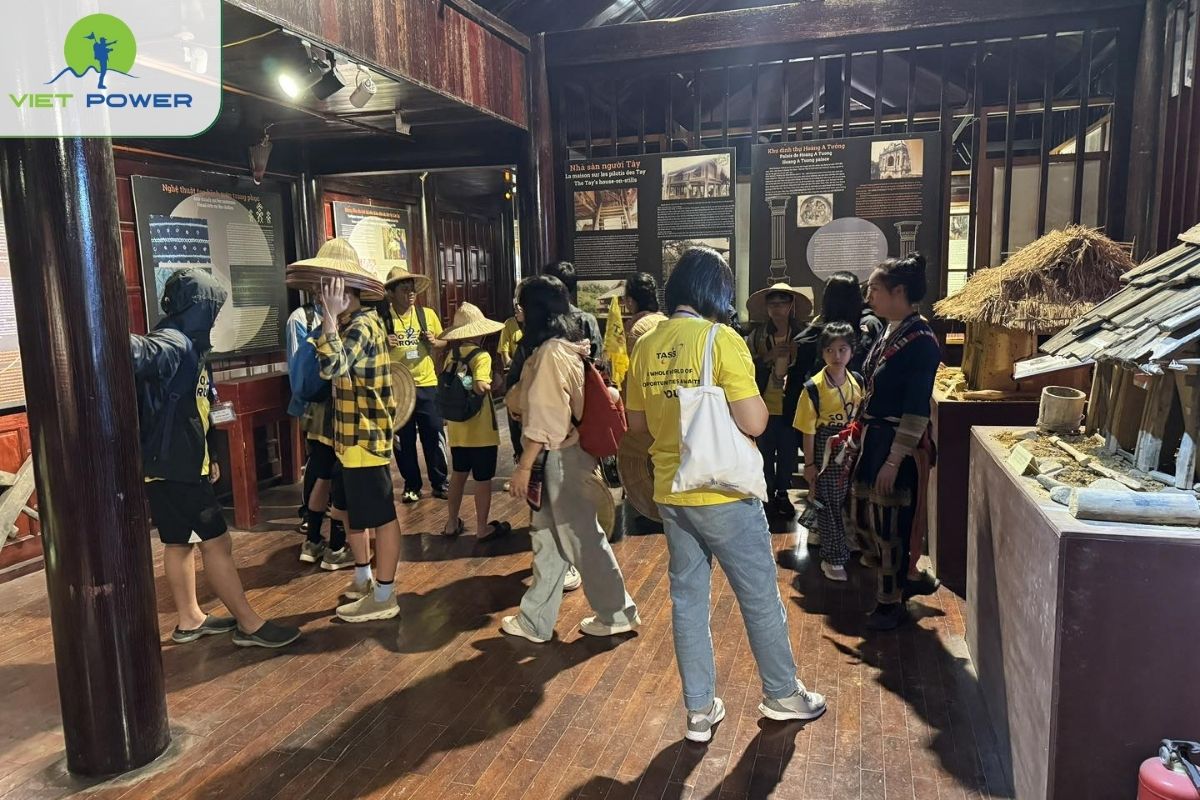
The Sapa Museum offers a compact yet fascinating introduction to the heritage of Vietnam’s Northwest ethnic communities. Inside the two-story wooden building, over 200 artifacts showcase the daily life of six main groups — H’Mong, Red Dao, Tay, Giay, Ha Nhi, and Xa Pho.
Highlights include:
All exhibits are curated by the Lao Cai Tourism Promotion and Information Center. Before exploring the villages, stop here first to gain context on the cultures you’ll soon encounter. The small souvenir shop at the exit sells beautiful brocade bags, clothing, and home décor crafted by local artisans — perfect keepsakes from your Sapa journey.
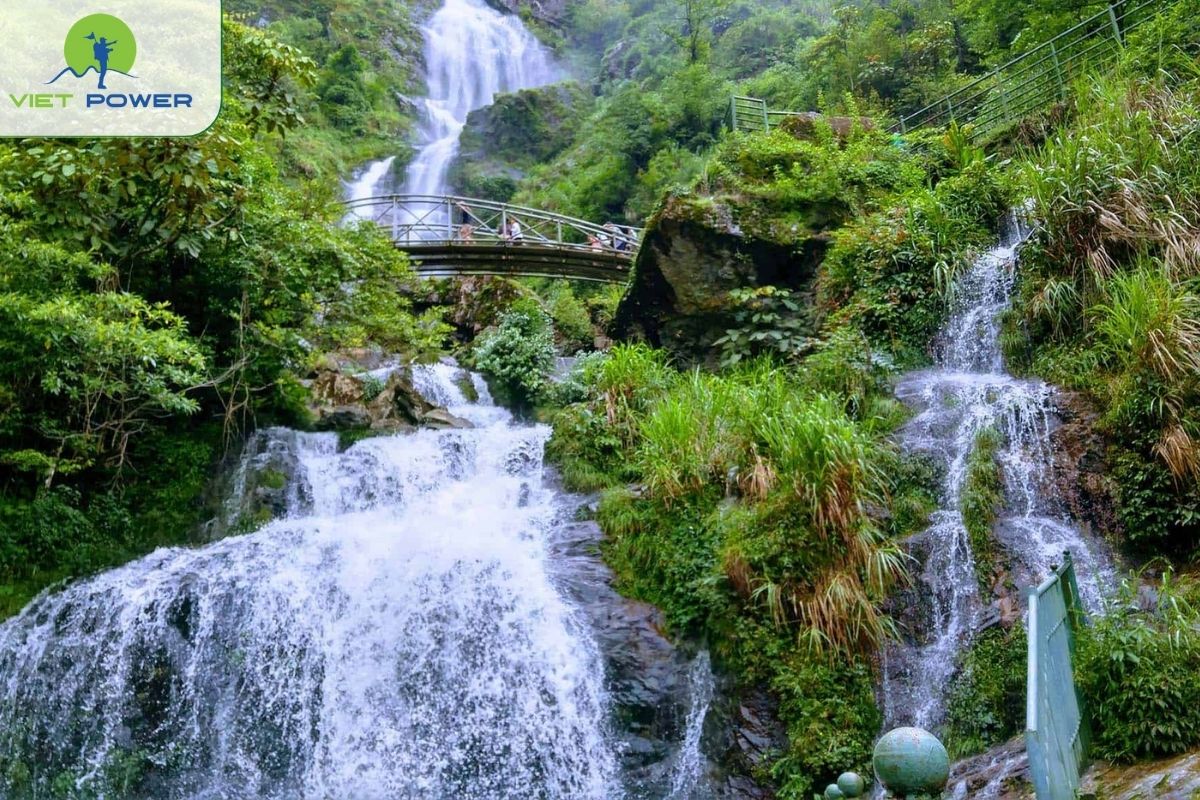
Located near Tram Ton Pass, these twin waterfalls are among the most photogenic natural sites in the region. Silver Waterfall cascades dramatically from a 200 m height, while Love Waterfall hides in a lush forest and is tied to a touching local legend of forbidden love between a fairy and a flute-playing mountain boy.
Both spots are ideal for short hikes, nature photography, or simply breathing in the crisp mountain air before continuing your adventure through Sapa.
You can find more posts related to this topic in our Vietnam tourist attractions category. Explore detailed travel guides, destination highlights, and inspiration for your next journey through Vietnam.
Sapa is located about 320 kilometers northwest of Hanoi in Lao Cai Province. The journey usually takes between 5 and 8 hours, depending on your mode of transport. There are several convenient ways to reach Sapa, and Vietpower Travel can help you choose the option that best fits your travel style.
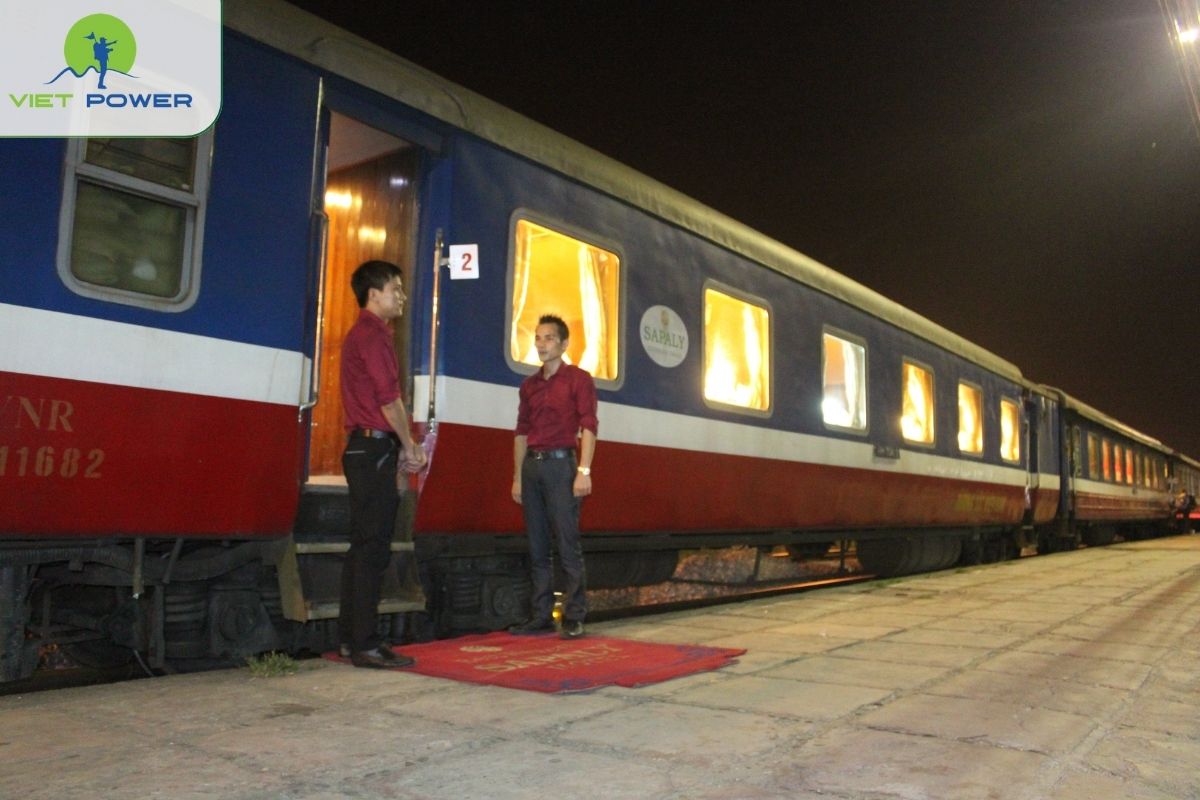
Traveling by train is a classic and comfortable way to reach Sapa. Overnight trains have soft beds and air conditioning, allowing passengers to rest and arrive early the next morning. Once in Lao Cai, Vietpower Travel can arrange a private car or shared bus to your hotel in Sapa Town.
Limousine vans are the most popular choice for many travelers because they are fast and convenient. The seats are wide and comfortable, and most vehicles offer Wi-Fi and USB charging. This option is ideal if you prefer a direct trip without changing transport in Lao Cai.

Traveling by private car allows you to stop at scenic viewpoints, mountain markets, or local restaurants along the way. The route follows the Noi Bai – Lao Cai Expressway and National Highway 4D, which offers beautiful mountain scenery.
Vietpower Travel arranges safe private transfers with English-speaking drivers to ensure comfort and peace of mind throughout your journey.

For adventurous travelers, riding a motorbike to Sapa is an exciting choice. The trip follows Highway 4D and takes around 8–9 hours. The route includes long climbs and sharp turns, but the views are stunning, especially near Tram Ton Pass Sapa, the highest mountain pass in Vietnam. Riders should check the weather before leaving, wear protective gear, and travel only during daylight for safety.

Continue exploring similar posts to learn more about Vietnam’s attractions and experiences:
Sapa’s mountain climate changes constantly, giving travelers the feeling of four seasons in one day — spring-like mornings, warm noons, cloudy afternoons, and chilly evenings. Because of this, locals call it “Sapa of Five Seasons.”
Entrance to the Sapa Museum is free of charge. The museum opens from 7:30–11:30 a.m. and 1:30–5:00 p.m. daily. It’s an excellent first stop to understand the traditions of the H’Mong, Red Dao, and other ethnic groups before exploring the nearby villages.
Yes. Winter, from December to February, is special because Sapa sometimes experiences snow — a rare event in Vietnam. The air is cold and misty, giving the town a peaceful atmosphere. Travelers can enjoy warm dishes, herbal baths, or scenic walks through fog-covered valleys and around the town church.
A stay of two to three days is ideal. Two days allow you to visit Muong Hoa Valley, Cat Cat, and the summit of Fansipan. A third day gives time for homestay experiences, markets, or viewpoints such as Tram Ton Pass Sapa, where you can see clouds drifting below the mountain peaks.
Yes. Sapa’s altitude (about 1,500–1,600 meters above sea level) keeps temperatures 8–10°C lower than Hanoi. Even in summer, mornings and evenings can feel cool, so packing a light jacket or sweater is essential.
From sunrise over Muong Hoa Valley to the clouds drifting across Tram Ton Pass, Sapa captures the essence of Vietnam’s mountain beauty and culture. With Vietpower Travel, your journey blends comfort, authenticity, and local insight for a truly memorable escape. Explore more inspiring destinations across our Vietnam Tourist Attraction collection and discover the spirit of the country in every adventure
Please kindly send us your ideas about the tours: destinations, attractions, your group, hotel class... we will get back to you with details & best offers quickly. Surely, you will feel satisfactory!
 |
 |
 |
 |
 |
 |

.jpg) Customize Your Trip
Customize Your Trip
 Vietnam
 Thailand
 Laos
Laos Indonesia
 Cambodia
 Myanmar
 Indochina Tours