Ha Giang in September is one of the most beautiful autumn journeys in northern Vietnam, when golden rice terraces, cool mountain weather, and winding roads create a perfect setting for nature lovers, photographers, and adventure travelers. From Hoang Su Phi rice valleys to Dong Van Karst Plateau, Ma Pi Leng Pass, Nho Que River, and Lung Cu Flag Tower, this season brings both dramatic landscapes and rich cultural experiences.
With local travel knowledge and well-planned Vietnam tours, Vietpower Travel helps travelers explore Ha Giang safely and comfortably. Whether you prefer a motorbike loop, easy rider, jeep tour, private car, or cultural homestay experience, Vietpower Travel can design a suitable itinerary for your September journey.
Yes, September is a great time to visit Ha Giang. This month marks the change from summer rain to early autumn, bringing cooler weather, clearer mountain views, and golden harvest-season landscapes. It is also a beautiful time for sightseeing, photography, trekking, and exploring the Ha Giang Loop.
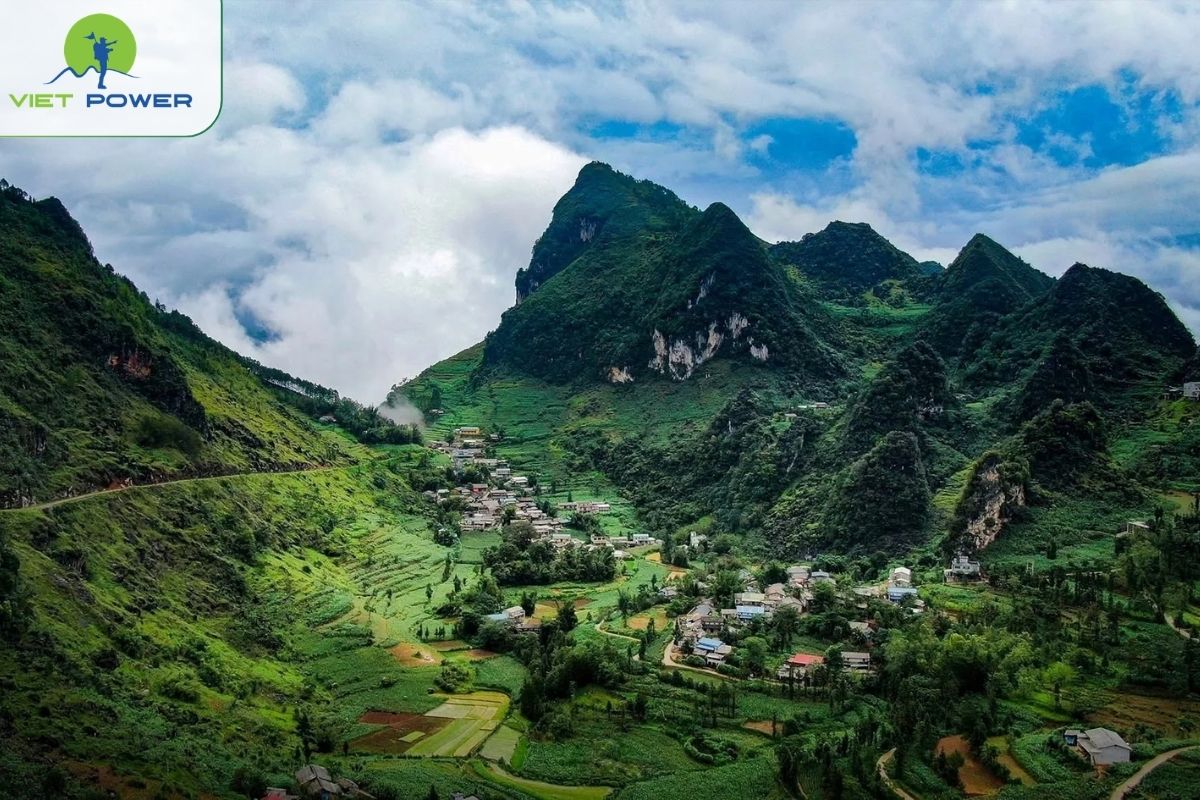
In September, Ha Giang’s terraced rice valleys begin turning golden, especially in areas like Hoang Su Phi, Ban Phung, and Ban Luoc. The mountains remain green after the rainy season, while the air becomes fresher and more comfortable for outdoor travel.
This is also a good month for the Ha Giang mountain loop. Travelers can enjoy winding mountain roads, Dong Van Karst Plateau, Meo Vac, and Ma Pi Leng Pass with less intense rain than in summer. Sunrise, sunset, rice terraces, and misty valleys make September especially attractive for photography.
September is ideal for photography lovers who want golden rice terraces, mountain valleys, and sunrise or sunset views. Nature lovers can enjoy green mountains, limestone scenery, and peaceful terraced rice valleys.
Adventure travelers will enjoy the Ha Giang motorbike loop, winding roads, and Ma Pi Leng Pass. Cultural travelers can explore ethnic minority villages, local markets, and a cultural homestay experience.
First-time travelers can also visit Ha Giang in September by choosing an easy rider, jeep tour, private car, or guided tour instead of self-riding a motorbike.
Explore more posts within this topic and uncover even more of what makes Vietnam such a captivating destination. Head to our Vietnam tourist attractions category for travel insights, guides, and must-visit spots across the country.
The weather in Ha Giang in September is cool, fresh, and pleasant for outdoor travel. Daytime temperatures usually range from 20°C to 25°C, while higher areas can feel cooler in the early morning and late afternoon. At night, temperatures often drop to around 15°C to 20°C, especially in places like Dong Van, Meo Vac, Hoang Su Phi, and Lung Cu.
September marks the shift from summer rain to early autumn in Ha Giang. During the day, the weather is mild enough for sightseeing, trekking, village walks, and exploring the Ha Giang Loop. The air feels cleaner after the rainy season, and mountain views are often clearer across terraced valleys and limestone peaks.
However, mornings and evenings can be chilly in the highlands. Travelers should bring breathable clothes for daytime activities, along with layered clothing and a light jacket for early starts, sunset viewpoints, and overnight stays in mountain towns or homestays.
Ha Giang usually receives less rain than summer in September, but short showers can still happen, mainly in mountain areas. Rain often comes quickly and may leave roads wet or slippery, especially on steep passes and winding sections of the Ha Giang Loop.
For better safety, travelers should check the weather forecast before each travel day, avoid riding after dark, and keep a steady speed after rain. First-time visitors who are not used to mountain roads should consider an easy rider, jeep tour, or private car instead of self-riding a motorbike.
For this season, travelers should pack light but prepare for both sun and cool mountain air. A light jacket, breathable daytime clothing, raincoat, sturdy walking shoes, sunscreen, insect repellent, and basic first-aid items are useful for most trips. Cash, offline maps, a power bank, and a waterproof bag for phones or cameras are also helpful because some remote areas may have weak signal and limited services.
Is September a Good Time to Travel to Vietnam? Yes, September is a great time to travel to Vietnam. Travelers can enjoy golden rice fields in the North, cool highland air in Da Lat, fewer crowds, and more local experiences.
September is a beautiful month to explore Ha Giang because the weather is cooler, the mountain views are clearer, and the rice terraces begin to glow with autumn colors. From rocky plateaus and winding passes to quiet valleys and border landmarks, these places show the best side of Ha Giang in early autumn.
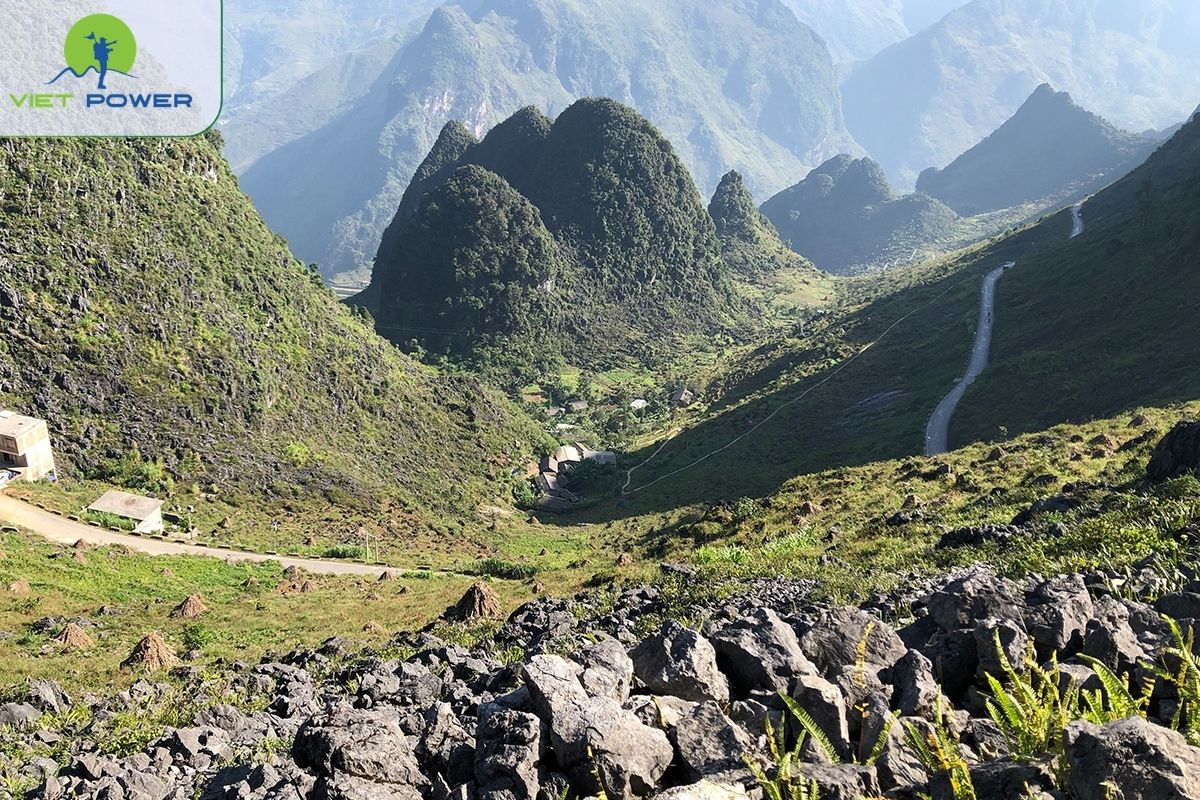
Location: Dong Van, Meo Vac, Yen Minh, and Quan Ba areas, northern Vietnam border region.
Dong Van Karst Plateau is one of the strongest landscape icons of Ha Giang. This area is known for its limestone mountain scenery, rocky plateaus, deep valleys, and ethnic minority villages scattered across the highlands. In September, the cool weather makes sightseeing more pleasant, especially for travelers who want to enjoy mountain viewpoints, village walks, and the raw beauty of the border region.
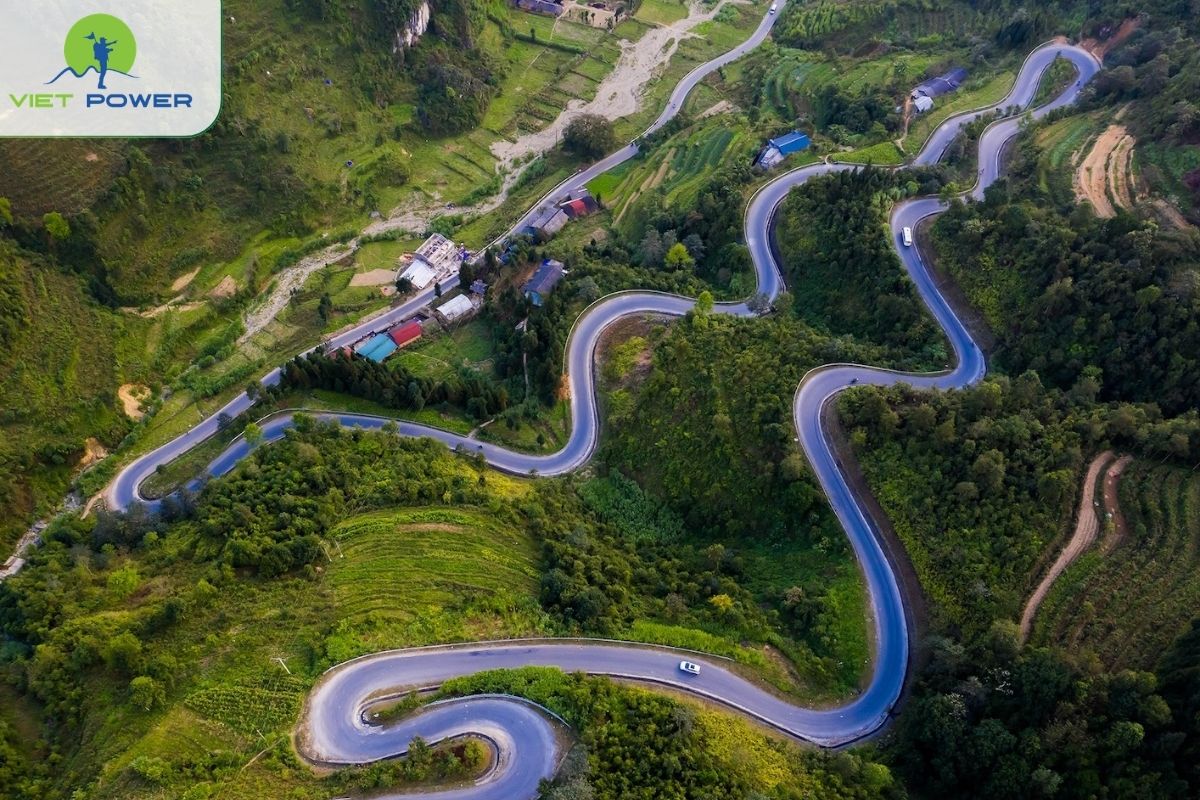
Location: National Highway 4C, between Dong Van and Meo Vac.
Ma Pi Leng Pass is one of the most dramatic roads in northern Vietnam. The route winds along steep cliffs, deep valleys, and high mountain slopes, giving travelers wide views over the rugged landscape below. In September, the scenery becomes even more striking with fresh green mountains and golden rice terraces in nearby valleys. However, this road can be challenging for inexperienced riders, so beginners should consider an easy rider, jeep, or private car.
Location: Below Ma Pi Leng Pass, near Meo Vac, along the Dong Van Karst Plateau route.
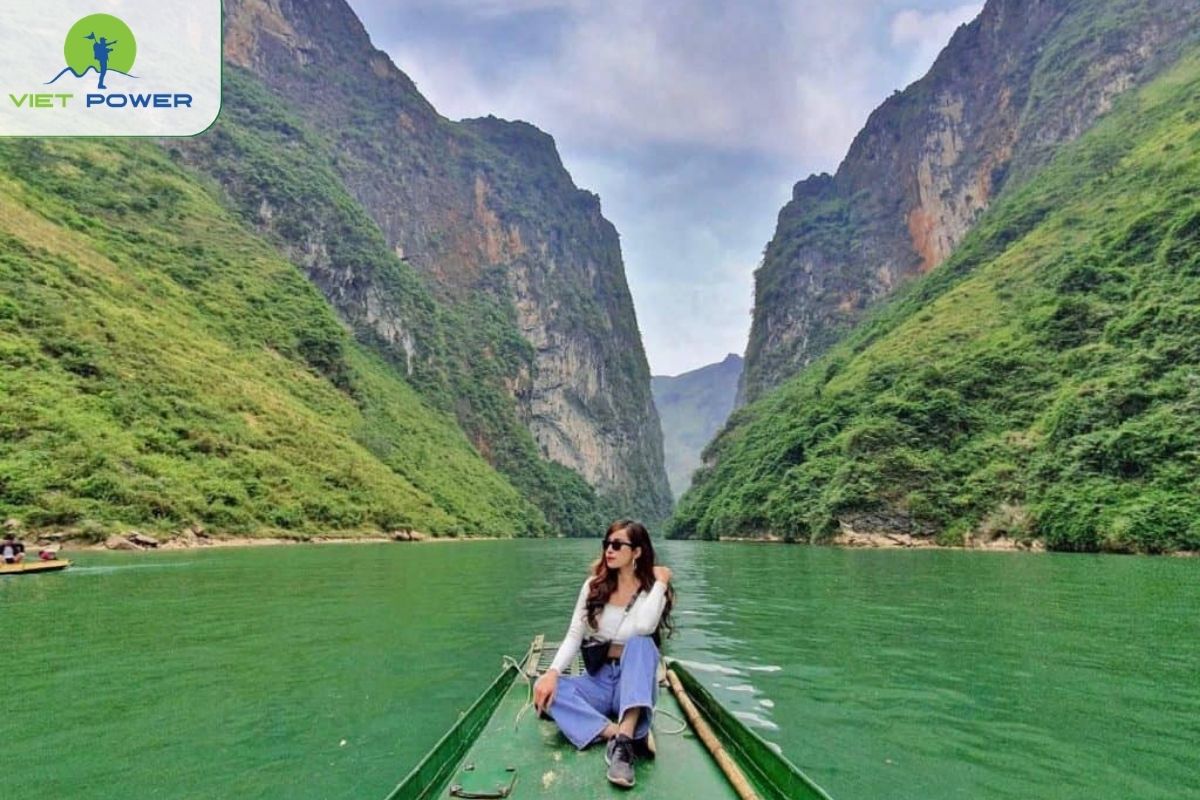
Nho Que River flows beneath Ma Pi Leng Pass with its famous emerald color. A boat trip through Tu San Canyon is a great choice for travelers who want dramatic canyon landscapes without a difficult trek. The steep cliffs, calm water, and narrow canyon create excellent photo opportunities, especially when the light is soft in the morning or late afternoon.
Continue exploring similar posts to learn more about Vietnam’s attractions and experiences:
Location: Meo Vac area, on the Ha Giang Loop route after Ma Pi Leng Pass.
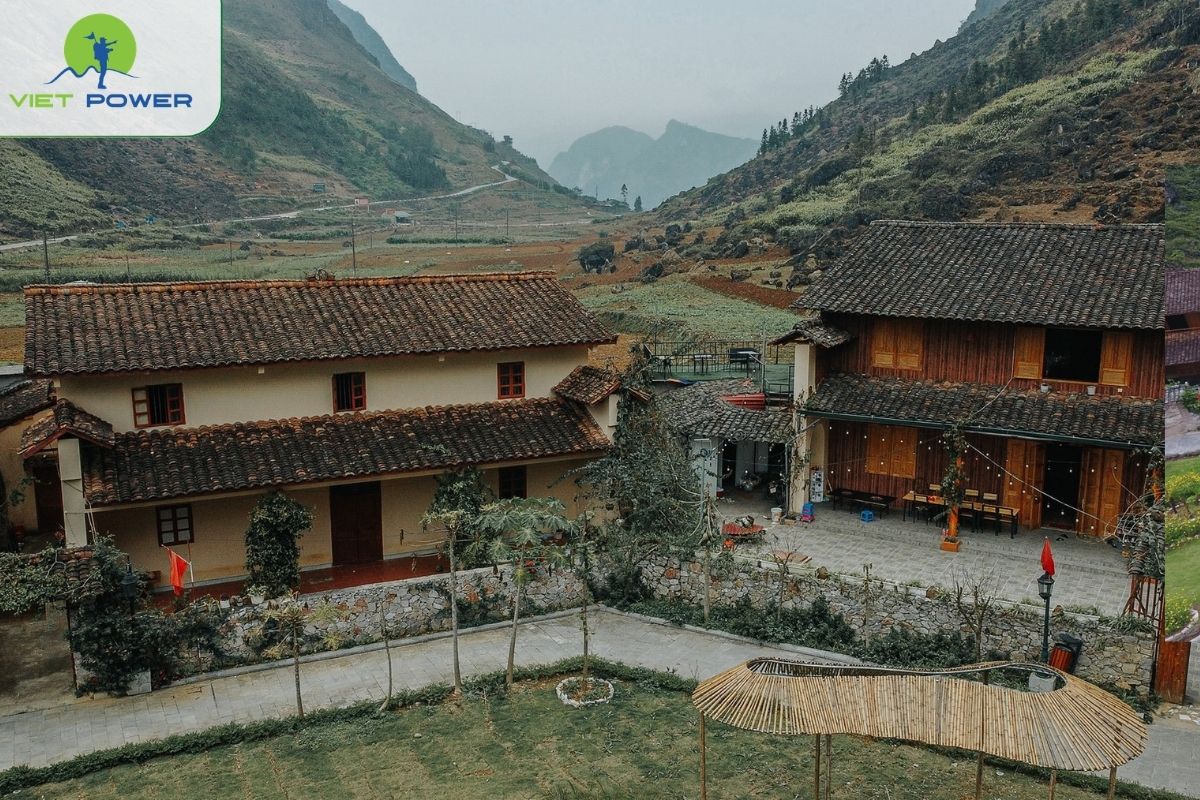
Meo Vac Ha Giang is a key stop on the Ha Giang Loop, especially after crossing Ma Pi Leng Pass. The town is surrounded by mountain scenery, ethnic villages, and local markets that reflect the culture of the highlands. Staying here gives travelers more time to enjoy the slower rhythm of Ha Giang, taste local food, and meet communities living near the rocky plateau.
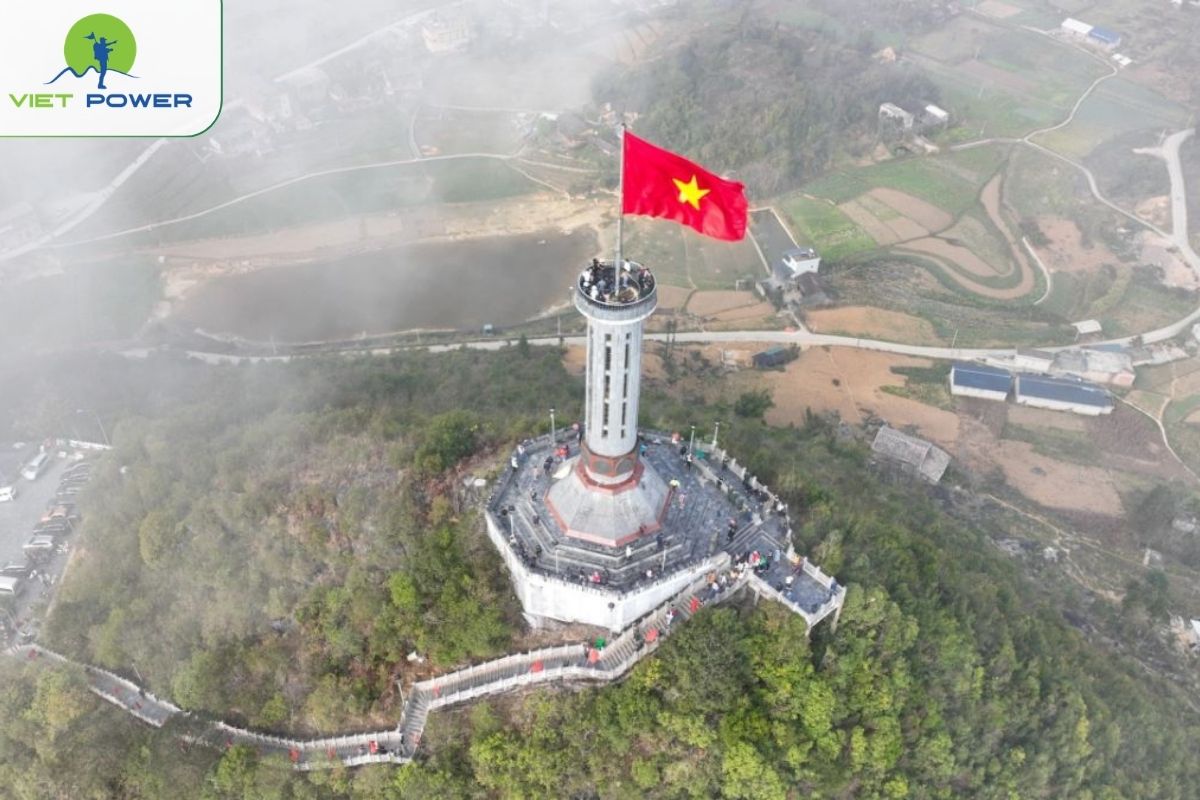
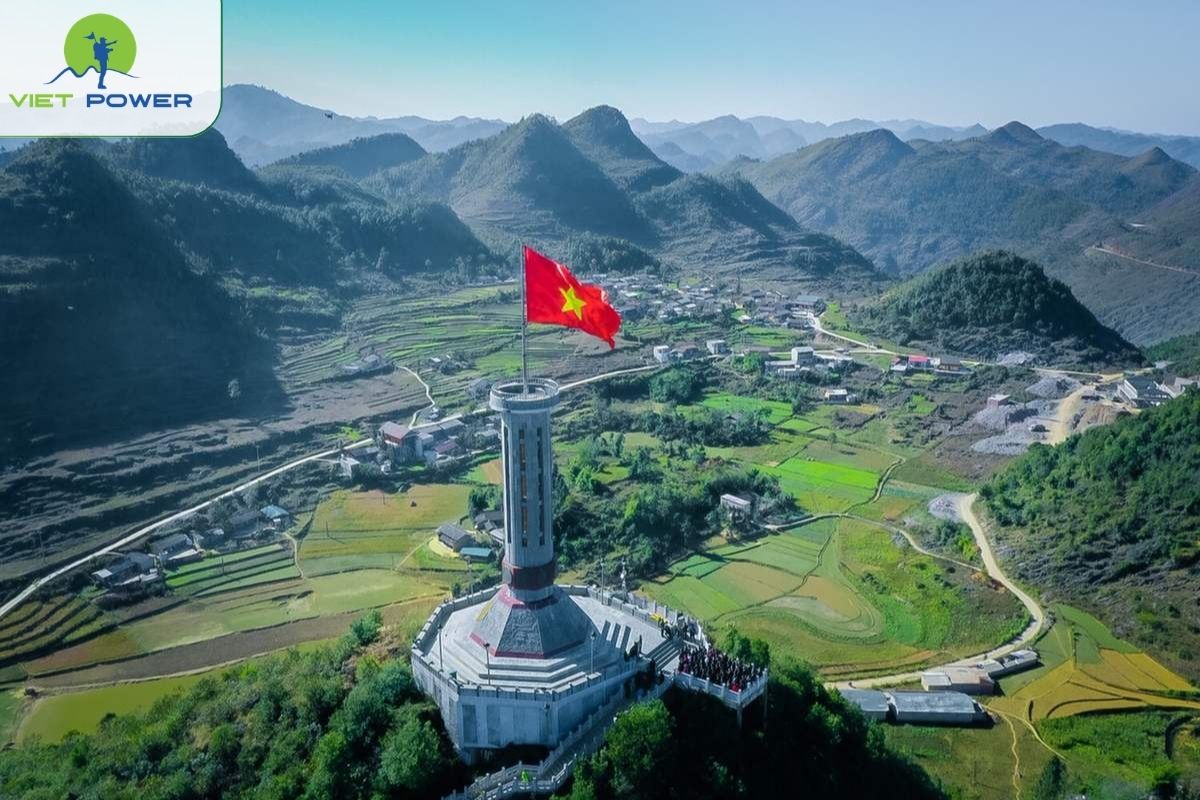
Location: Lung Cu Commune, Dong Van area, about 24 km from Dong Van town.
Lung Cu Flag Tower is Vietnam’s northernmost symbolic landmark and a meaningful stop for travelers exploring the northern Vietnam border region. From the tower, visitors can look over mountains, villages, and valleys stretching toward the frontier. September is a good time to visit because the air is cooler and sunset views can be especially beautiful from this highland viewpoint.
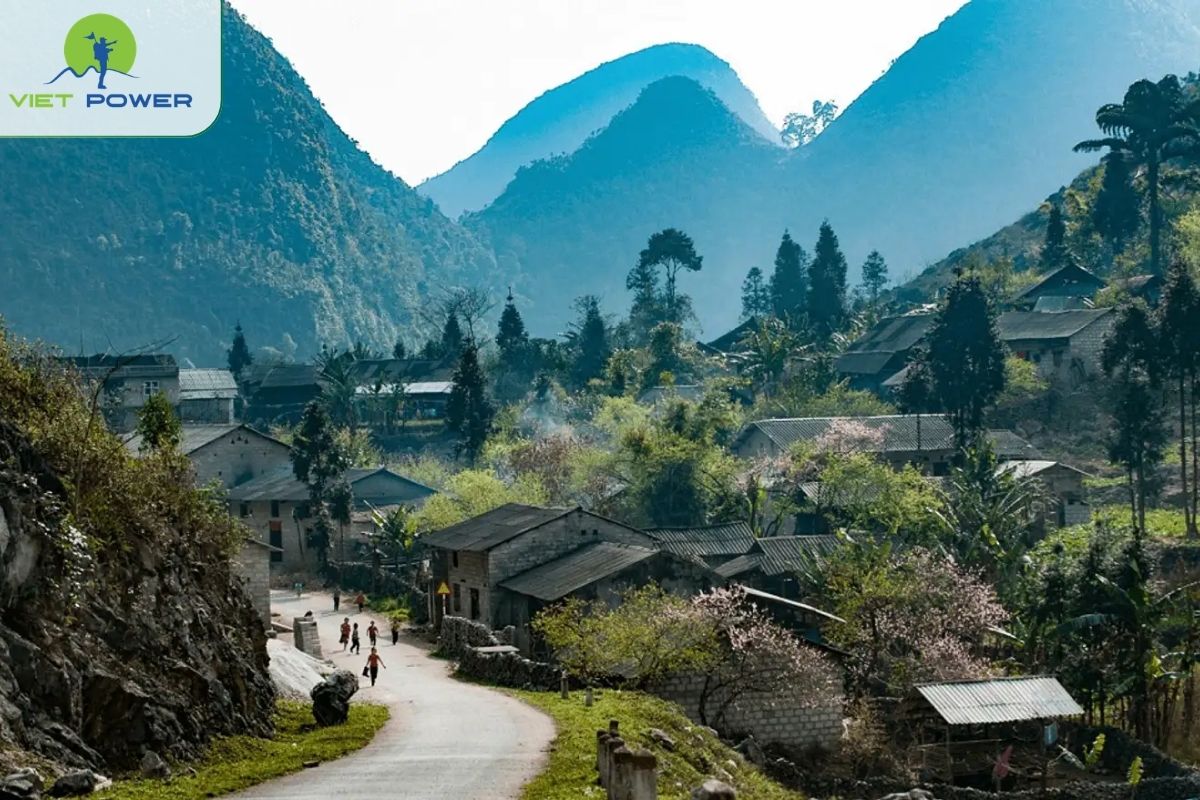
Location: Sung La Commune, on the route between Yen Minh and Dong Van.
Sung La Valley offers a softer and more peaceful side of Ha Giang. Instead of steep passes and sharp cliffs, travelers will find earthen houses, corn gardens, flowers, and golden rice patches surrounded by mountains. This valley is ideal for those who want a cultural stop with calm scenery, local life, and a slower travel pace beyond the main adventure routes.
Location: Ho Thau and Tung San areas, Hoang Su Phi.
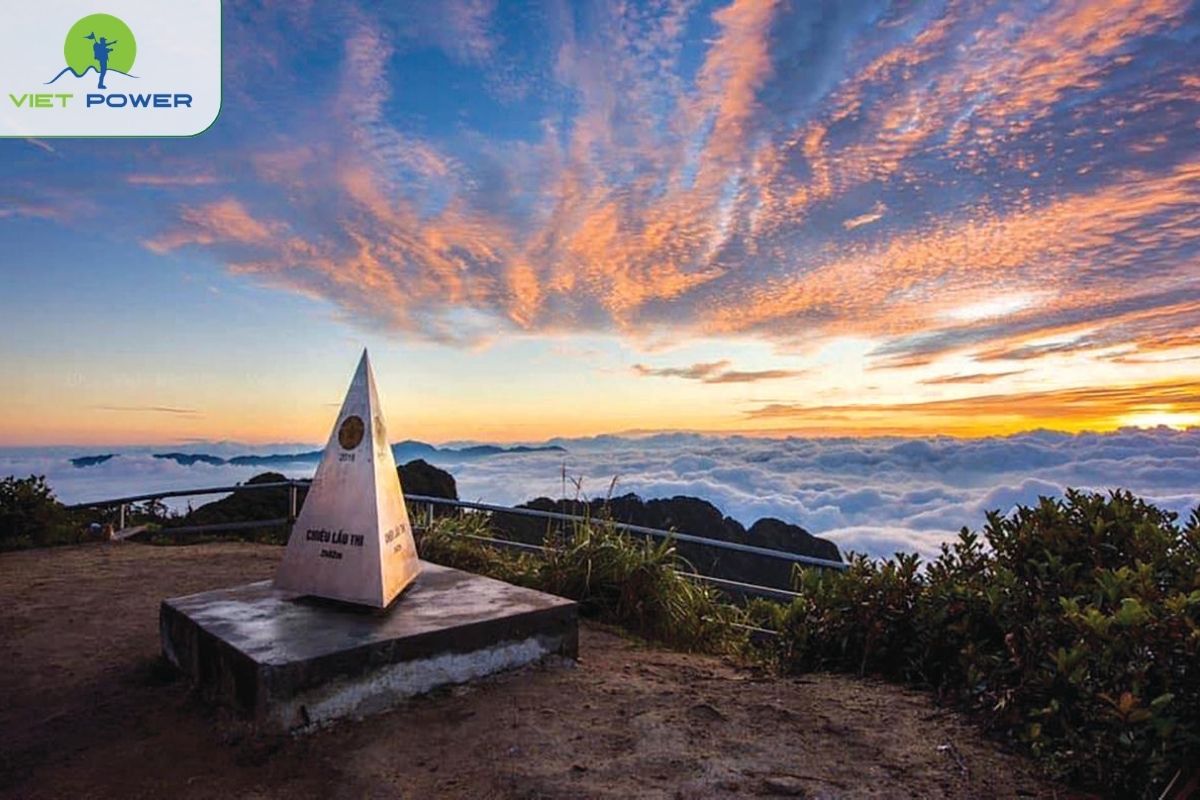
Chieu Lau Thi and Tay Con Linh are suitable for travelers who enjoy trekking, cloud hunting, and quieter mountain experiences. In September, Chieu Lau Thi is especially beautiful around sunrise and late afternoon, when clouds drift around the peaks. Tay Con Linh is more demanding, with forest trails, streams, and high mountain terrain, so it is better for fit travelers or those joining a guided trekking trip.
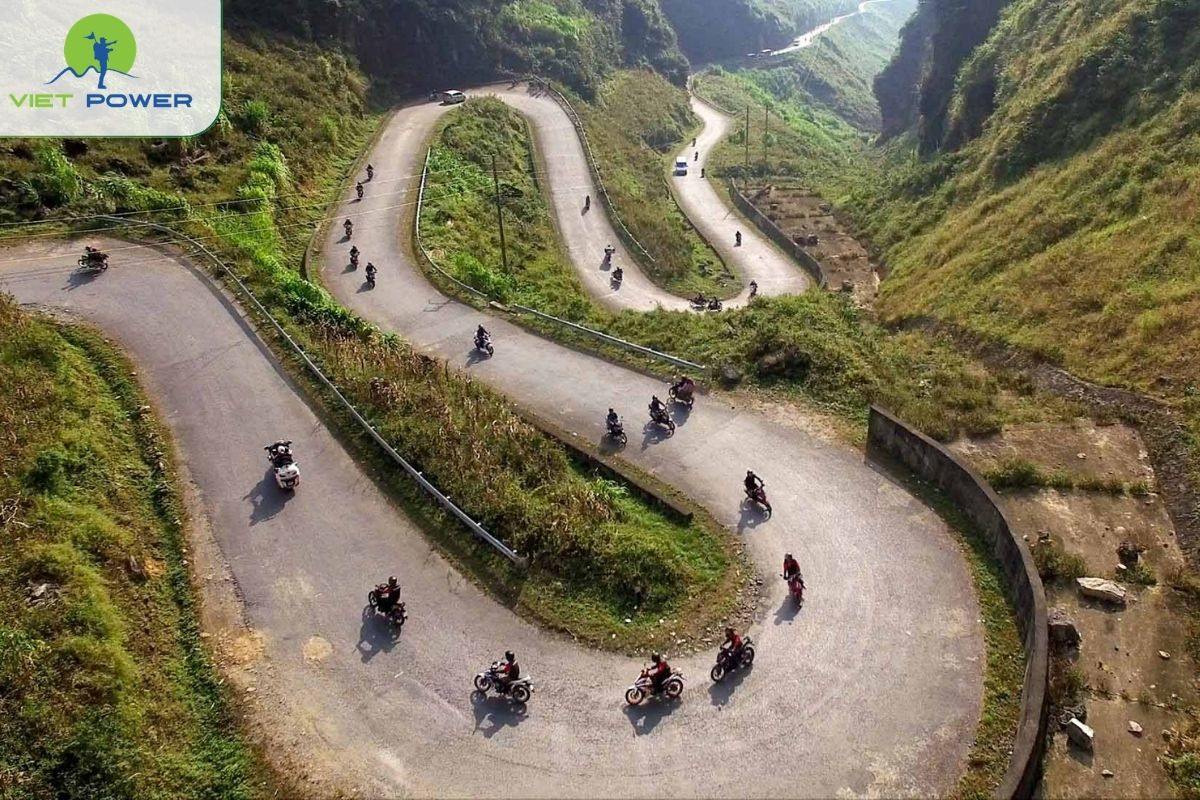
The Ha Giang motorbike loop is beautiful but quite challenging. In September, the weather is cooler and there is usually less rain than summer, but the route still has steep passes, narrow roads, sharp bends, and sudden mist in mountain areas.
The hardest sections are often around Quan Ba, Yen Minh, Dong Van, Ma Pi Leng Pass, and Meo Vac. Roads can be dry and easier to ride on sunny days, but after rain, some turns become slippery.
Remote routes near Hoang Su Phi, Chieu Lau Thi, and Tay Con Linh can be harder because the roads are smaller, steeper, and less familiar to first-time visitors.
Beginners should not self-ride the Ha Giang Loop unless they are confident with mountain roads. This route is not suitable for learning how to ride because it has many cliffs, tight corners, and steep slopes.
Safer choices include an easy rider, jeep, private car, or guided tour. These options are better for travelers who want to enjoy the scenery without taking unnecessary risks.
Explore more posts within this topic and uncover more of what Vietnam has to offer:
Most travelers should plan 3 to 5 days for Ha Giang in September. If you only want to see the main stops of the Ha Giang Loop itinerary, 3 days is possible. If you want a smoother pace with more time for photos, villages, markets, and Nho Que River, 4 days is better. For September, the most rewarding choice is 5 days or more because you can add Hoang Su Phi, one of the best places to see golden terraced rice valleys during harvest season.
A 3-day trip suits travelers with limited time who want to see the main highlights of Ha Giang. The route can follow: Ha Giang City – Quan Ba – Yen Minh – Dong Van – Ma Pi Leng Pass – Meo Vac – Ha Giang City.
On this route, travelers can visit Quan Ba Heaven Gate, admire the limestone scenery around Dong Van Karst Plateau, cross the dramatic Ma Pi Leng Pass, see the emerald Nho Que River, and stop in Meo Vac before returning to Ha Giang City. This plan is quite packed, so it is best for travelers who want a quick mountain loop experience rather than a slow cultural journey.
A 4-day itinerary gives travelers more time to enjoy the journey without rushing. You can spend longer in Dong Van, Meo Vac, and along the Nho Que River, while also adding village walks, local markets, and homestay stays.
This option is better for photography because you have more chances to catch sunrise, sunset, misty valleys, and golden rice terraces. It also gives more time to experience ethnic minority villages, local food, and a cultural homestay experience instead of only moving from one viewpoint to another.
A suitable 4-day plan can be: Day 1: Ha Giang City – Quan Ba – Yen Minh, Day 2: Yen Minh – Dong Van – Lung Cu, Day 3: Dong Van – Ma Pi Leng Pass – Nho Que River – Meo Vac, and Day 4: Meo Vac – Du Gia or Ha Giang City.
For September, 5 days or more is the best choice if your main goal is golden rice scenery. Hoang Su Phi is one of the strongest harvest-season destinations in Ha Giang, with famous terrace areas such as Ban Phung, Ban Luoc, Thong Nguyen, Ho Thau, Nam Ty, and Nam Hong.
This option suits travelers who want trekking mountain villages, quiet homestays, rice terrace photography, and deeper cultural experiences. Hoang Su Phi is also better for travelers who prefer a peaceful route beyond the classic Ha Giang Loop.
A practical plan is to spend 3–4 days on the Ha Giang Loop, then add 1–2 days in Hoang Su Phi for golden terraces, village walks, and slow travel. This gives the trip a stronger September identity because it combines mountain passes, limestone scenery, ethnic culture, and the best rice terraces of the season.
September is a meaningful time for cultural travel in Ha Giang because it falls during the harvest season. Villages become livelier, local markets are more colorful, and homestays give travelers a closer look at daily life in the northern mountains.
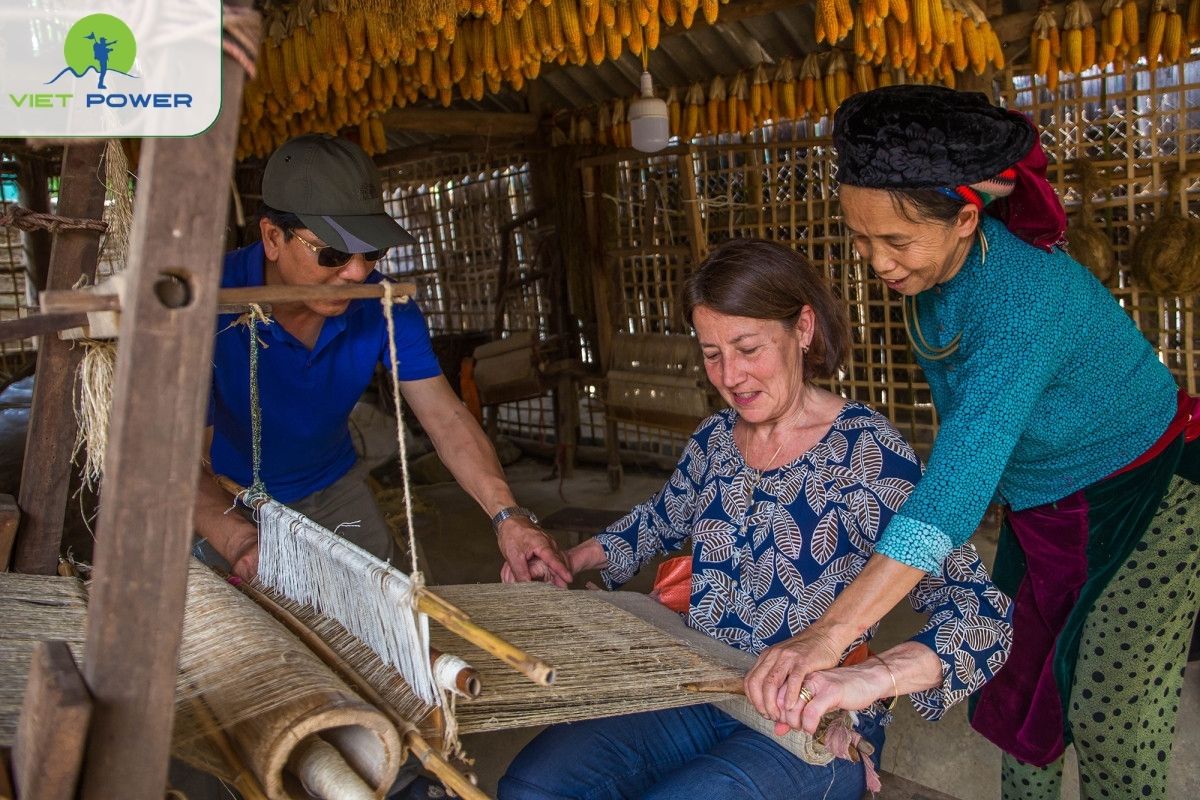
Ha Giang is home to many ethnic communities, including the Hmong, Tay, Dao, Nung, Lo Lo, and other groups. In September, travelers can see local families working during the harvest season, walking along mountain paths, preparing food, and wearing traditional costumes in village areas.
A village visit may include weaving, hemp textile making, earthen houses, wooden stilt houses, corn gardens, rice terraces, and small family farms. Travelers should dress politely, keep noise low, and ask before taking photos of local people, especially children and elders.
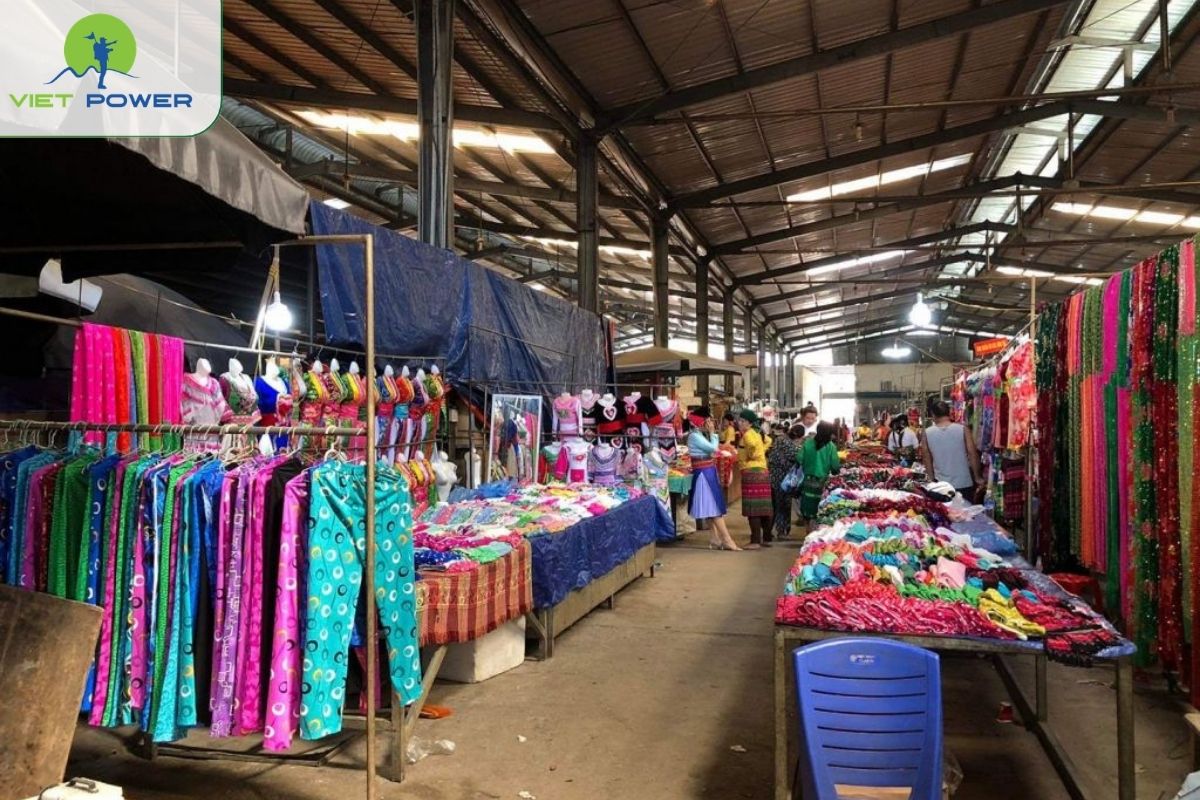
Local markets are a strong cultural highlight in Ha Giang. Popular stops include Meo Vac Market, Dong Van Market, Pho Cao Market, Sa Phin Market, and Lung Phin Market. Most markets start early in the morning and become quiet by late morning or noon.
Visitors can see brocade clothing, fresh vegetables, mountain herbs, local snacks, handmade items, livestock trading, and daily goods. These markets are also social spaces where ethnic communities meet, talk, eat breakfast, and share news after traveling from nearby villages.
A cultural homestay experience is one of the best ways to understand Ha Giang beyond sightseeing. Travelers can enjoy local meals, warm hospitality, quiet mountain evenings, and stories from host families.
Homestays are also useful for travelers who want trekking mountain villages, local food, and a slower travel pace. Vietpower Travel can help design itineraries that combine authentic village experiences with comfort, safety, and suitable transport for each group.
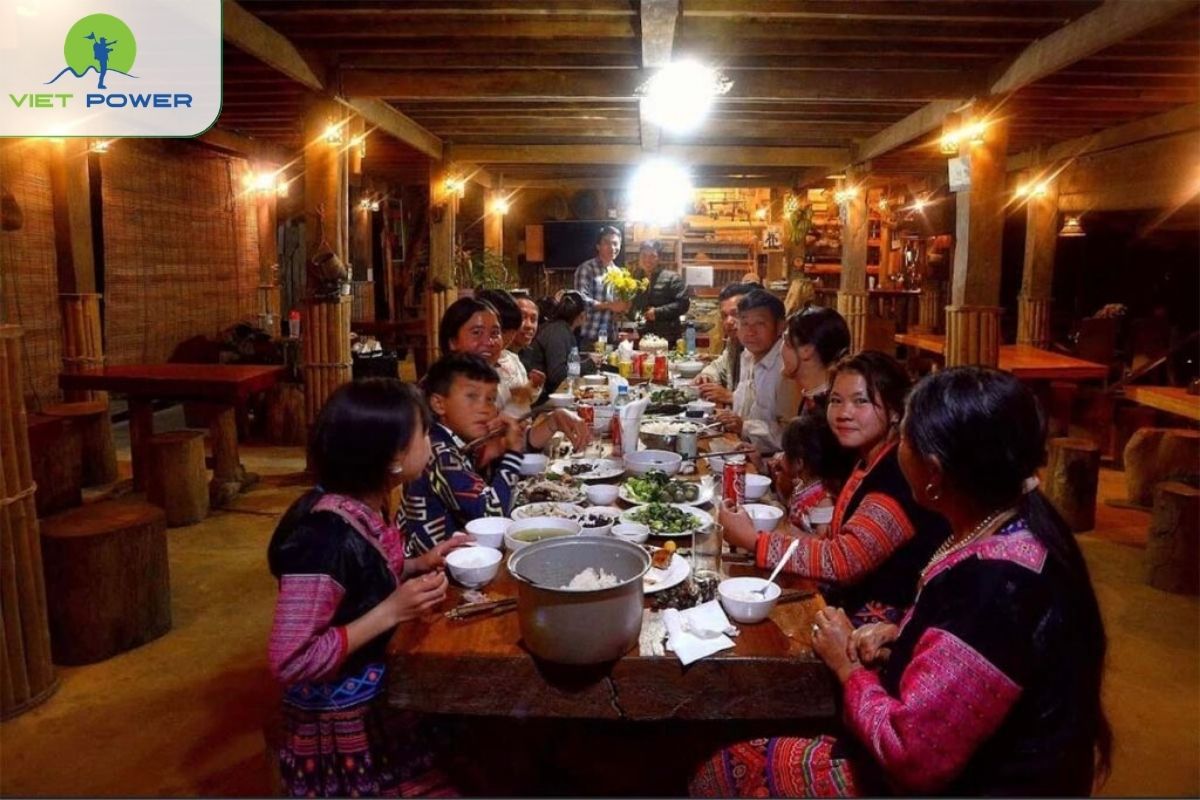
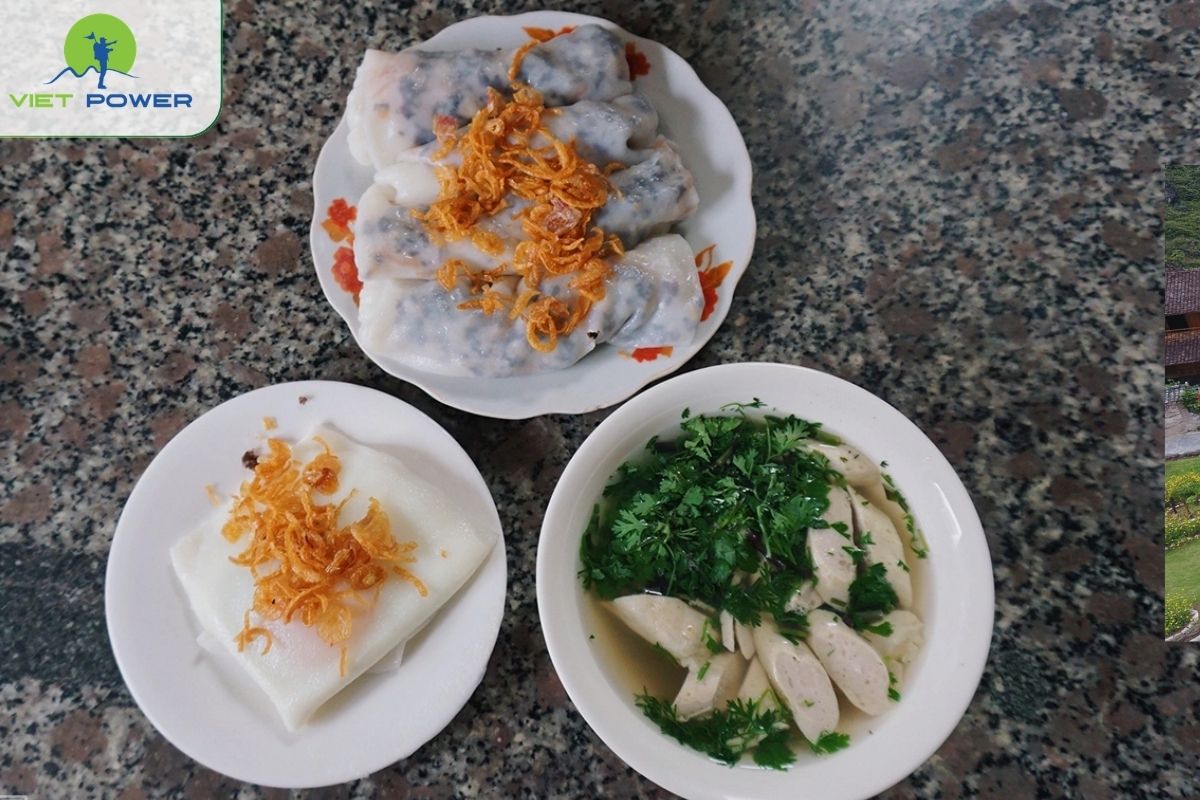
Ha Giang food is warm, rustic, and perfect for cool September weather. After a day on the Ha Giang Loop, travelers can enjoy hot dishes, local breakfast, sweet snacks, and mountain specialties.
|
|
|
|
|
|
|
|
|
|
|
|
|
|
|
|
|
|
|
|
|
|
|
|
|
|
|
|
|
|
|
|
|
|
|
|
|
|
|
|
|
|
|
|
|
|
|
|
|
|
|
|
|
|
|
In short, Ha Giang in September is ideal for travelers who want golden rice fields, cool autumn weather, limestone mountains, ethnic villages, and unforgettable mountain roads. This is the right time to enjoy both the famous Ha Giang Loop and peaceful harvest-season landscapes.
Plan your trip with Vietpower Travel to discover Ma Pi Leng Pass, Nho Que River, Hoang Su Phi, Dong Van, Lung Cu, and many other Ha Giang Tourist Attractions in a safe, scenic, and meaningful way. Let your September journey to Ha Giang become one of the most memorable travel experiences in Vietnam
Planning around the whole northern harvest? See our complete guide to Vietnam rice terraces: where and when to see the golden harvest for a season calendar and every terrace destination compared.
Please kindly send us your ideas about the tours: destinations, attractions, your group, hotel class... we will get back to you with details & best offers quickly. Surely, you will feel satisfactory!
 |
 |
 |
 |
 |
 |

.jpg) Customize Your Trip
Customize Your Trip
 Vietnam
 Thailand
 Laos
Laos Indonesia
 Cambodia
 Myanmar
 Indochina Tours