Yen Bai in September is one of the most beautiful autumn journeys in Northwest Vietnam, when Mu Cang Chai rice terraces turn golden across the mountain slopes. Travelers can enjoy La Pan Tan viewpoints, Khau Pha Pass, Tu Le Valley, misty scenery, Hmong villages and peaceful harvest-season culture.
With local travel expertise, Vietpower Travel helps travelers plan smooth Yen Bai Tours from Hanoi, covering transport, timing, viewpoints, local meals and cultural experiences. It is a suitable choice for visitors who want to explore golden rice terraces safely and comfortably.
Yen Bai in September is famous for the golden rice season, especially in Mu Cang Chai. From September to early October, the rice terraces turn from green to bright yellow, covering the mountain slopes with warm harvest colors.
The best places to see this scenery are La Pan Tan, Che Cu Nha and De Xu Phinh. La Pan Tan is known for curved terrace layers, Che Cu Nha offers wide mountain views, while De Xu Phinh has quieter village scenery.
Khau Pha Pass is another highlight. From its high viewpoints, travelers can see misty valleys, golden rice fields and mountain roads stretching toward Mu Cang Chai. September is also a popular time for paragliding over the rice terraces.
This season is ideal for photography, light trekking, scenic road trips and exploring Hmong villages during harvest time.
Let’s continue exploring more about Vietnam and all the incredible places it has to offer. Visit our Vietnam tourist attractions category to discover in-depth guides, travel ideas, and hidden gems across the country.
September is one of the best months to visit Yen Bai for golden rice terraces. Mu Cang Chai, La Pan Tan, Che Cu Nha, De Xu Phinh, Tu Le Valley and Khau Pha Pass are at their most attractive during this period.
Yen Bai has a tropical monsoon climate, with an average yearly temperature of about 18–20°C. In September, the weather is usually cool and pleasant. Highland areas such as Mu Cang Chai are cooler, with average temperatures around 19°C.
Rice fields in Mu Cang Chai usually turn golden from September to early October. Mid to late September is often the best time to see the richest yellow color before the harvest.
The exact timing can change depending on rainfall, altitude and local farming schedules. Travelers should check local updates before departure.
Yen Bai weather in September is suitable for sightseeing, trekking and photography. Mornings can be misty, while midday is usually warmer and easier for outdoor activities.
Because September is a transition period, light rain or sudden showers may appear. Travelers should bring a light jacket, raincoat, trekking shoes and waterproof bags for cameras or phones.
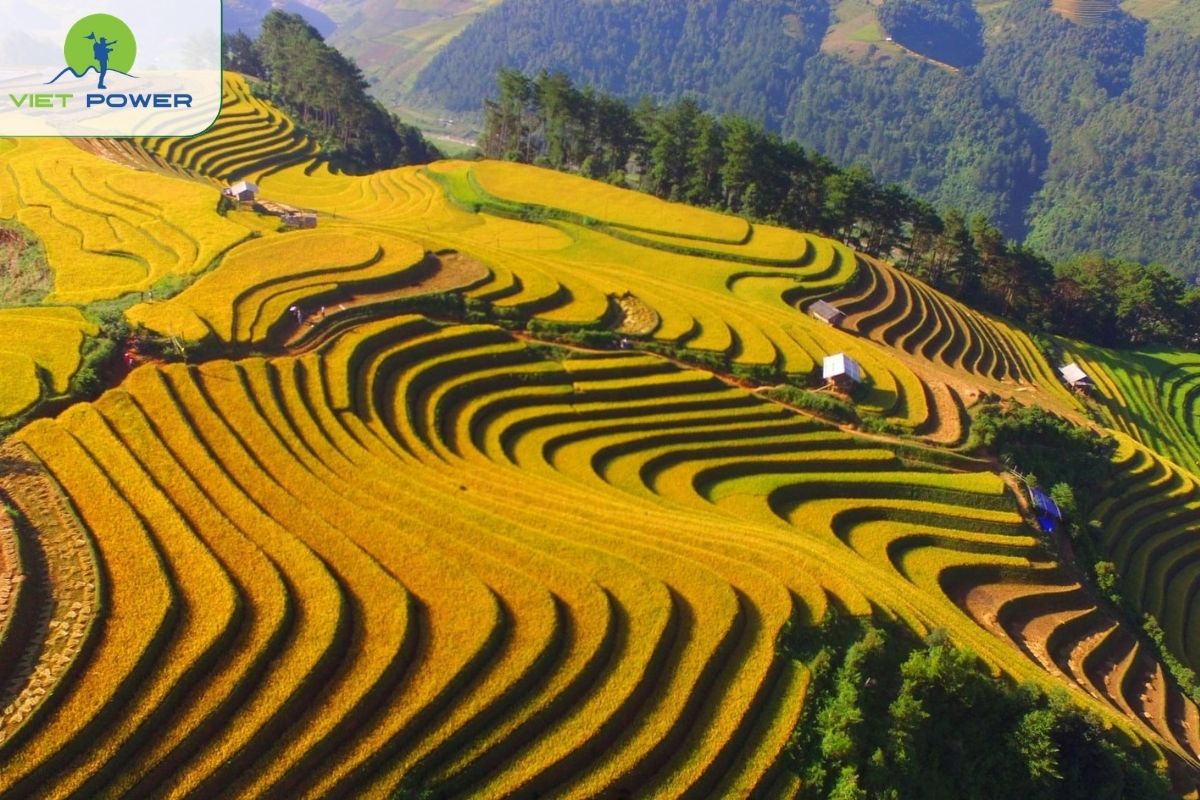
Is September a Good Time to Travel to Vietnam? Yes, September is a great time to travel to Vietnam. Travelers can enjoy golden rice fields in the North, cool highland air in Da Lat, fewer crowds, and more local experiences.
La Pan Tan is one of the most famous places to see golden rice terraces in Mu Cang Chai. It is known for curved terrace layers that wrap around the hillsides, creating the signature harvest-season scenery of Yen Bai.
The highlight here is the rice terrace viewpoint often associated with Mam Xoi Hill. In September, this area is ideal for sunrise and late-afternoon photography because the golden terraces look softer under warm light.
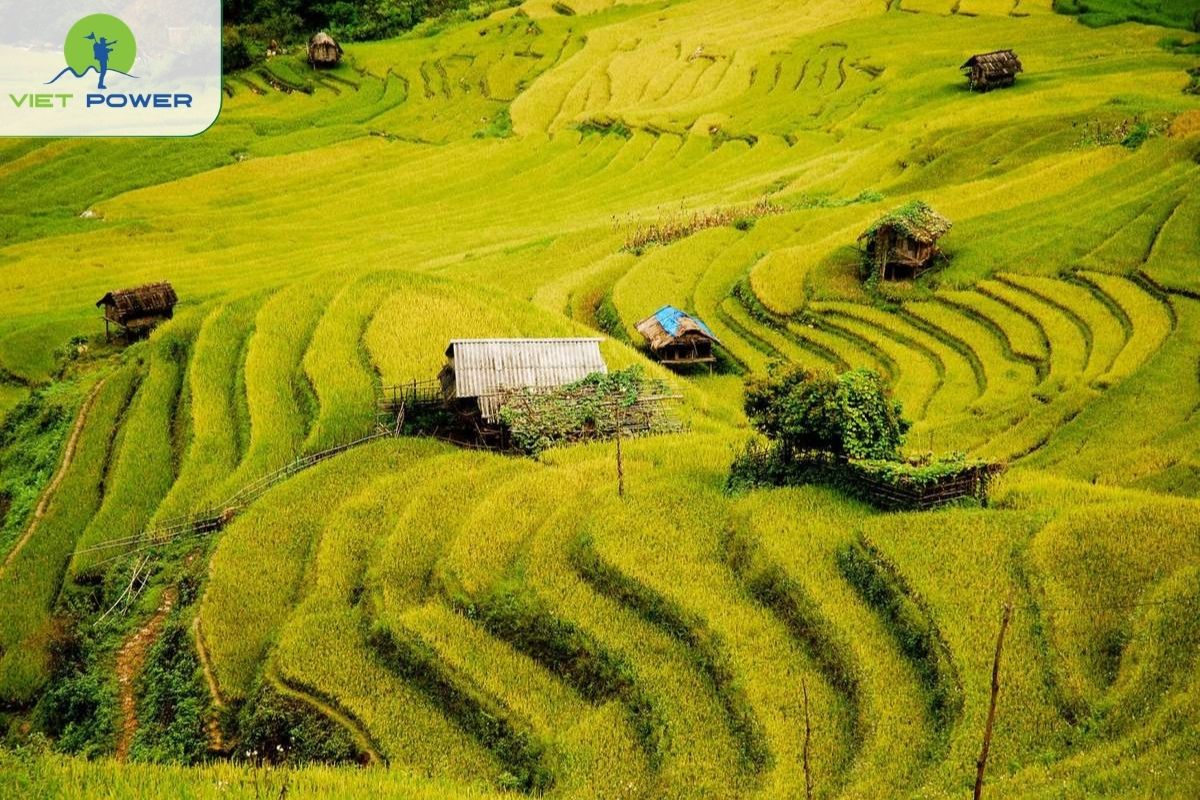
Che Cu Nha is known for wide terraced rice landscapes and a quieter rural atmosphere. The terraces here spread across large mountain slopes, giving travelers open views of rice paddies, small roads and farming life.
This area is suitable for travelers who want less crowded viewpoints and a closer look at local harvest activities. It is also a good stop for light trekking and landscape photography.
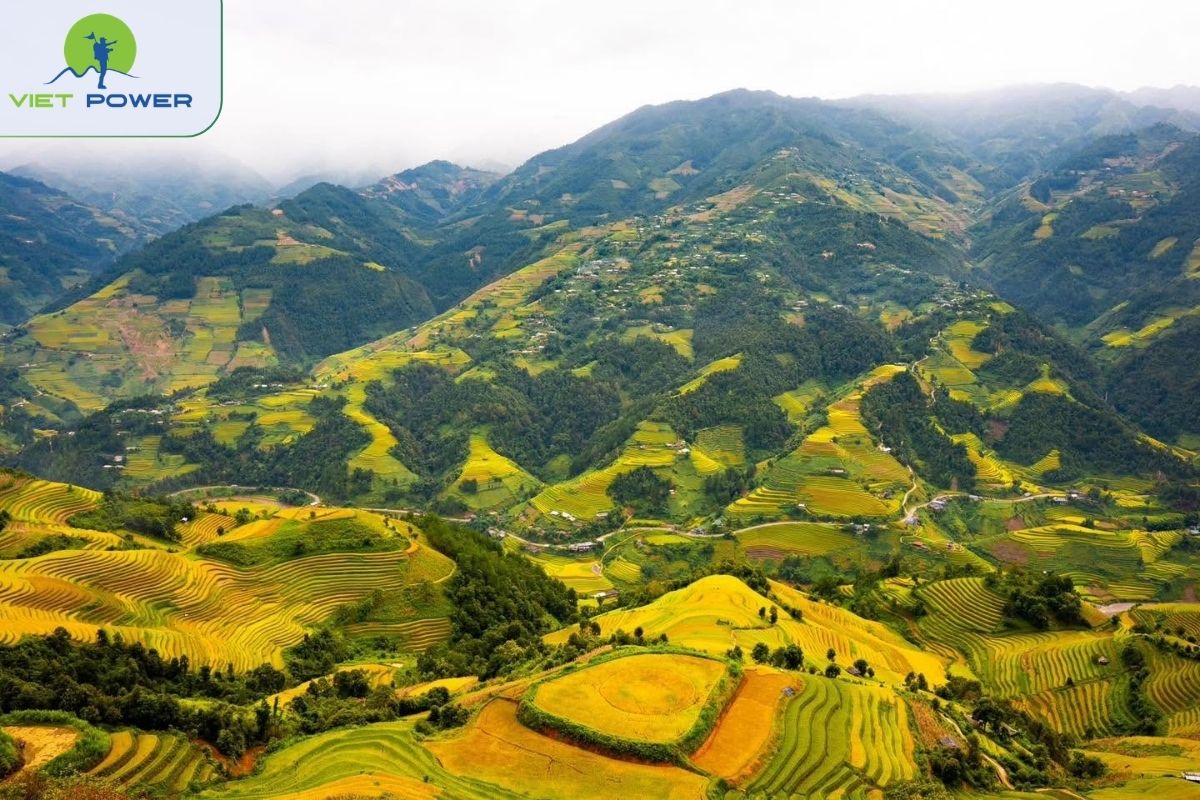
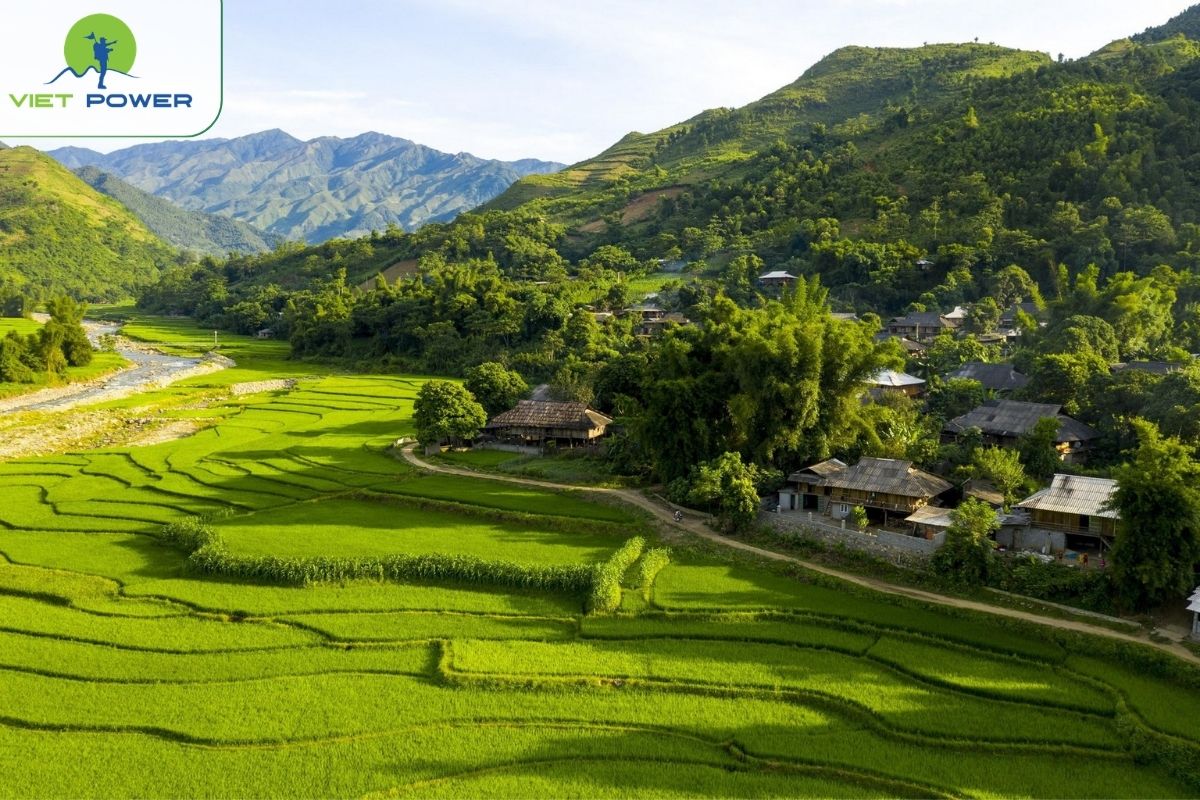
De Xu Phinh offers peaceful scenery with layered terraces, ethnic villages and mountain views. Compared with more popular photo spots, it feels calmer and more local.
This place is suitable for travelers who enjoy authentic village landscapes. In September, the golden terraces blend with wooden houses, narrow paths and quiet highland life.
.jpg)
Discover more posts on the same topic to deepen your travel inspiration:
Lim Mong and Cao Pha are good stops on the road toward Mu Cang Chai. They are known for misty valley scenery, mountain roads and rice terrace views from higher angles.
These areas are especially beautiful in the morning, when mist covers the valley and sunlight slowly reaches the rice terraces. They are suitable for road-trip photos, short stops and scenic viewpoints before reaching Mu Cang Chai.
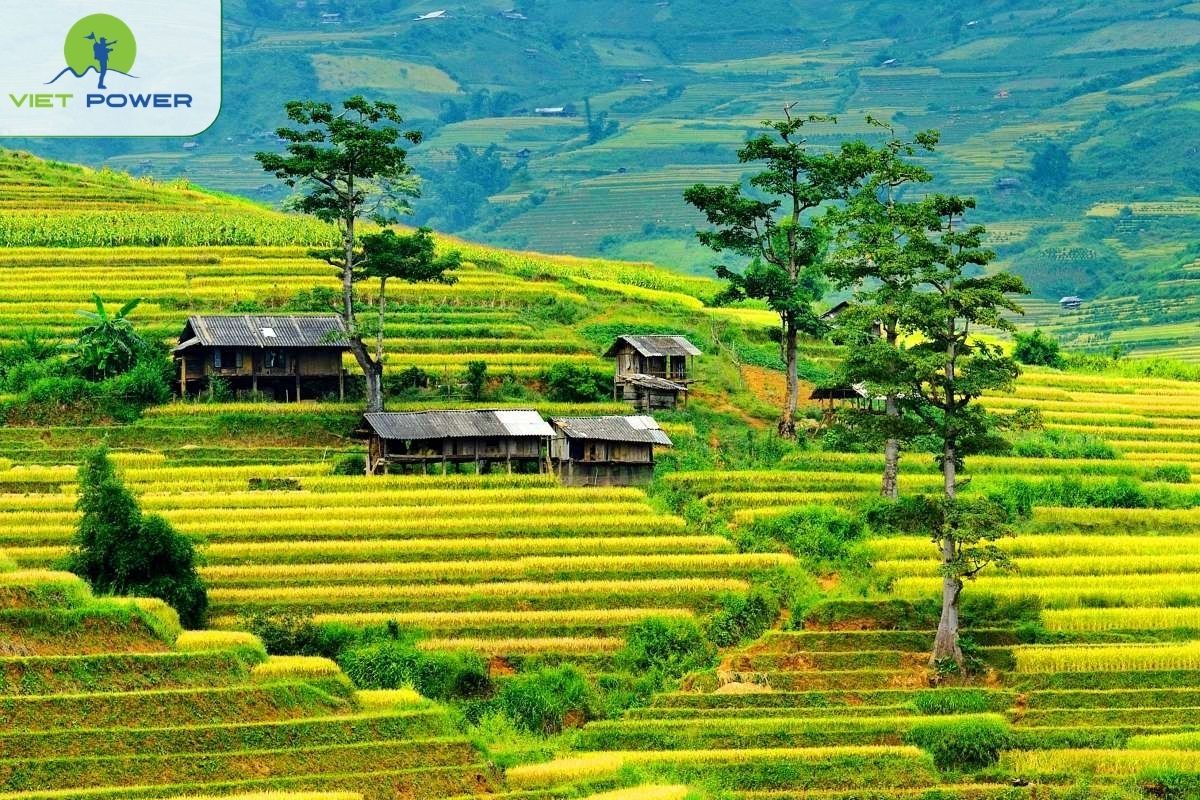
Early morning and late afternoon are the best times for photography in Mu Cang Chai. Morning mist creates a soft mountain atmosphere, while late-afternoon light makes the golden terraces look warmer.
Travelers can walk along terrace paths with a local guide to understand the harvest season, Hmong farming life and village culture. A guide also helps choose safer walking routes and better photo angles.
Visitors should respect farm areas, avoid stepping on rice paddies and ask before taking photos of local people. This helps protect the rice terraces and keeps the travel experience respectful for local communities.
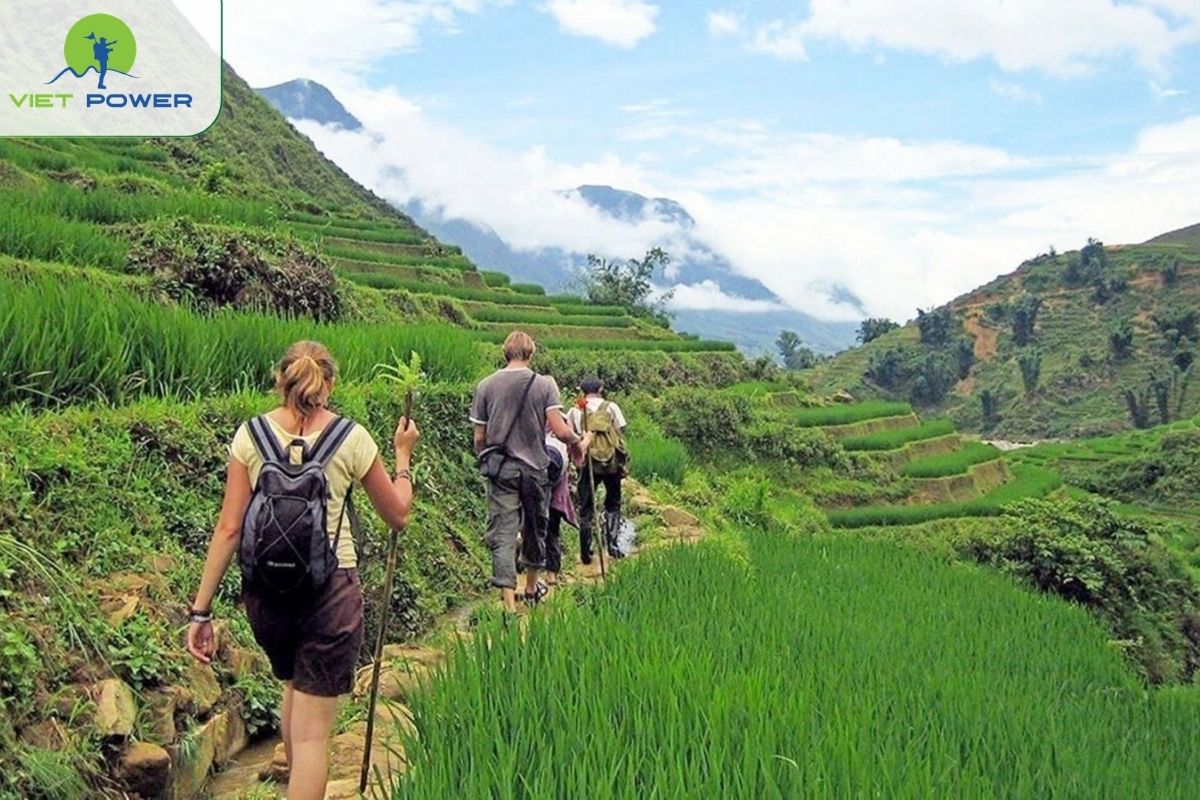
Yen Bai is also attractive because of its ethnic village culture. Around Mu Cang Chai, Tu Le, Muong Lo and Nghia Lo, travelers can meet Hmong and Thai communities with rich farming traditions, local food and traditional houses.
Near La Pan Tan, Che Cu Nha and De Xu Phinh, Hmong villages offer a close look at harvest life in September. Travelers can walk through village paths, see wooden houses and learn how local people grow rice on steep mountain slopes.
In Muong Lo and Nghia Lo, Thai culture is a major highlight. Visitors can stay in stilt-house homestays, enjoy local meals, taste five-color sticky rice and join a cultural exchange or Xoe dance performance if available.
Homestays are a simple way to experience daily life in Yen Bai. Guests can enjoy home-cooked dishes, walk around the village in the morning and learn about local customs from their hosts.
Travelers should dress politely, respect family spaces and avoid disturbing farmers during harvest work. For close-up photography, it is best to ask before taking pictures of local people or private homes.
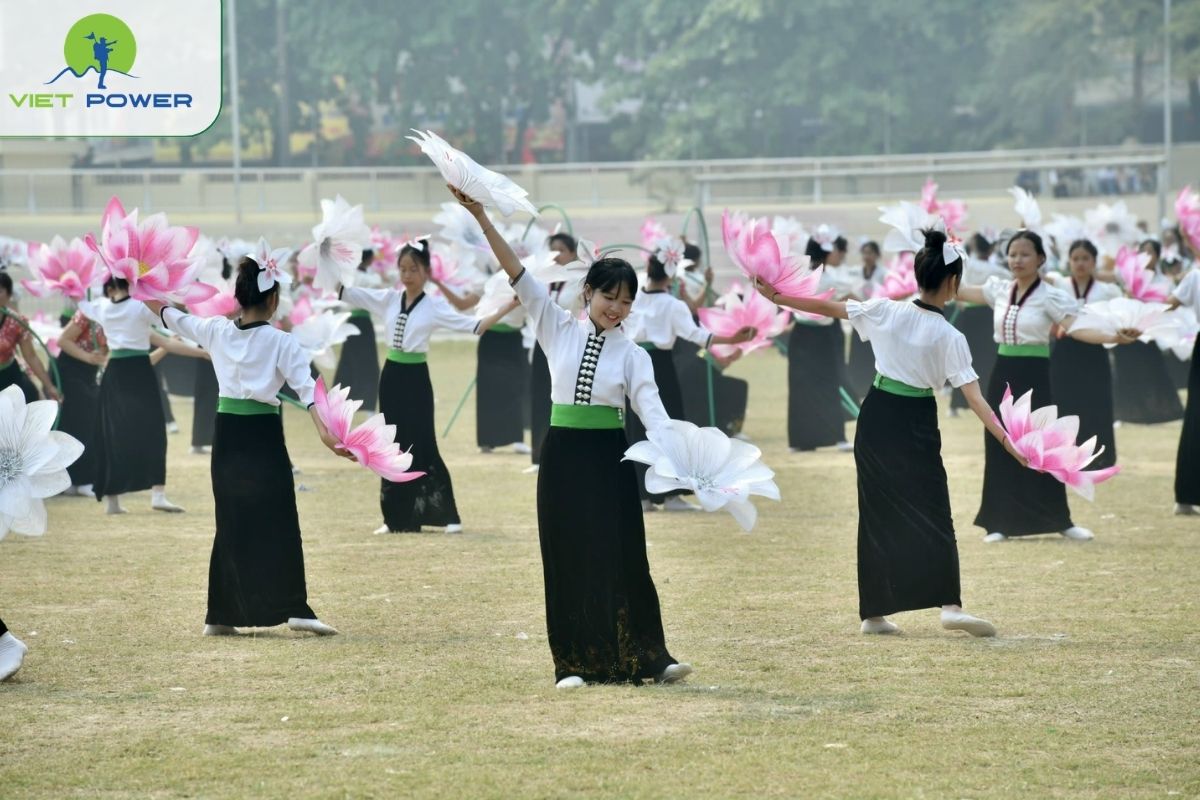
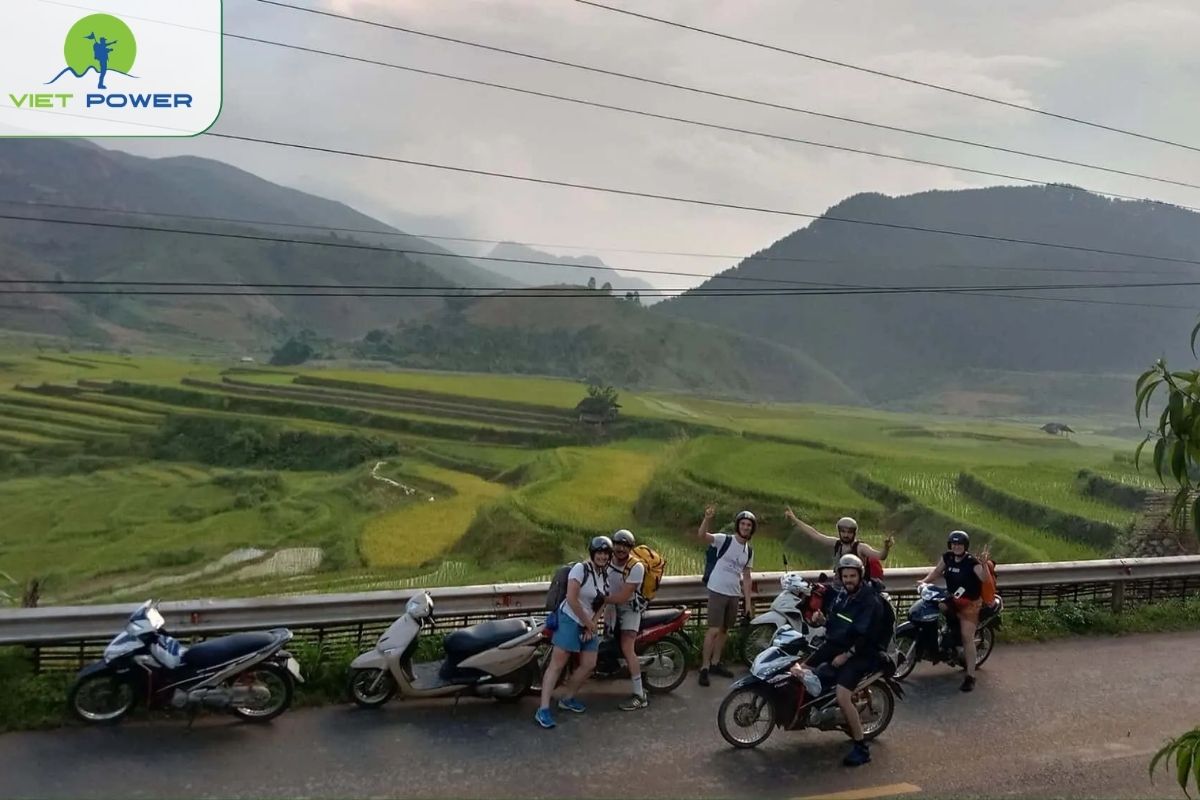
Travelers can go from Hanoi to Yen Bai by private car, limousine, coach, train or motorbike. If the main destination is Yen Bai city, the journey is shorter and easier. If travelers want to visit Mu Cang Chai in September, they should continue deeper into the mountains through Nghia Lo, Tu Le Valley and Khau Pha Pass.
The distance from Hanoi to Yen Bai city is about 180–200 km, depending on the route. From Hanoi to Mu Cang Chai, the distance is about 300–305 km by road. The trip usually takes 6–8 hours by car, depending on traffic, weather and the number of stops.
The most scenic route from Hanoi to Mu Cang Chai follows National Road 32. The route usually goes from Hanoi to Nghia Lo, then Tu Le Valley, Khau Pha Pass and Mu Cang Chai.
Nghia Lo is a good stop for lunch and Thai ethnic culture. Travelers can try five-color sticky rice, grilled meat, bamboo shoots and local mountain dishes before continuing the trip.
Tu Le Valley is the next beautiful stop. It is known for sticky rice, green rice flakes, peaceful rice valleys and natural hot springs. Many travelers stop here for photos, food or an overnight stay.
After Tu Le, the road climbs to Khau Pha Pass. This is one of the most scenic parts of the trip, with high mountain views, misty valleys and golden rice terraces in September. From Khau Pha Pass, travelers continue to Mu Cang Chai, where La Pan Tan, Che Cu Nha and De Xu Phinh offer some of the best rice terrace views.
|
|
|
|
|
|
|
|
|
|
|
|
|
|
|
|
|
|
|
|
|
|
|
|
|
|
|
|
|
|
|
|
|
|
|
|
Explore more posts within this topic and uncover more of what Vietnam has to offer:
The best length for a Yen Bai trip depends on your schedule. A 2-day trip is suitable for travelers who mainly want to see Mu Cang Chai and Khau Pha Pass. A 3-day trip is better for first-time visitors because it includes Mu Cang Chai, La Pan Tan, Tu Le Valley and local culture. With 4 days or more, travelers can explore beyond the rice terraces and add Thac Ba Lake, Suoi Giang or Tram Tau.
This itinerary is suitable for weekend travelers with limited time. The main focus is Mu Cang Chai, Khau Pha Pass and one famous rice terrace viewpoint.
Day 1: Hanoi – Nghia Lo – Tu Le – Khau Pha Pass – Mu Cang Chai
In the morning, depart from Hanoi early and travel along National Road 32 toward Nghia Lo. Stop for lunch in Nghia Lo or Tu Le, where travelers can try local dishes such as sticky rice, grilled meat and bamboo shoots.
In the afternoon, continue through Tu Le Valley and climb toward Khau Pha Pass. This is one of the most scenic parts of the journey, with mountain views, misty valleys and golden rice terraces in September. Arrive in Mu Cang Chai in the late afternoon.
In the evening, check in at a hotel or homestay in Mu Cang Chai or Ban Thai. Enjoy a local dinner and rest early for rice terrace photography the next morning.
Day 2: Mu Cang Chai – La Pan Tan or Che Cu Nha – Hanoi
In the morning, visit La Pan Tan or Che Cu Nha to see golden rice terraces. La Pan Tan is ideal for curved terrace layers and photography, while Che Cu Nha offers wide mountain views and a quieter rural setting.
In the afternoon, return to Hanoi. Travelers can stop along the way for coffee, local snacks or quick photos of mountain scenery before ending the trip in the evening.
This itinerary is more comfortable for travelers visiting Yen Bai in September for the first time. It includes rice terraces, mountain passes, Tu Le Valley and ethnic village culture.
Day 1: Hanoi – Nghia Lo – Tu Le – Khau Pha Pass – Mu Cang Chai
In the morning, leave Hanoi and travel toward Nghia Lo. This is a good place to stop for lunch and enjoy the atmosphere of Muong Lo, a valley known for Thai ethnic culture and local rice dishes.
In the afternoon, continue to Tu Le Valley, then cross Khau Pha Pass. Travelers can stop at viewpoints to see rice valleys, mountain roads and misty scenery before reaching Mu Cang Chai.
In the evening, stay overnight in Mu Cang Chai or Ban Thai. Enjoy dinner at a local homestay or restaurant and relax in the quiet highland atmosphere.
Day 2: Mu Cang Chai – La Pan Tan – Che Cu Nha – Tu Le Valley
In the morning, visit La Pan Tan for the most iconic golden rice terrace views. Mam Xoi Hill is a famous photo spot, especially during sunrise or soft morning light.
In the afternoon, continue to Che Cu Nha or De Xu Phinh for wider terrace views and Hmong village scenery. Travelers can take a short walk with a local guide to learn more about harvest life and rice terrace farming.
In the evening, move to Tu Le Valley for an overnight stay. Travelers can enjoy Tu Le sticky rice, green rice flakes, local Thai-style food and hot spring relaxation if available.
Day 3: Tu Le Valley – Local Market – Hanoi
In the morning, enjoy a slower start in Tu Le Valley. Travelers can take photos of the valley, visit a local market if the timing fits, or buy local products such as sticky rice, tea or mountain specialties.
In the afternoon, return to Hanoi along National Road 32. Stop for lunch on the way and take short breaks at scenic points.
In the evening, arrive back in Hanoi. This 3-day plan gives travelers enough time to enjoy Yen Bai’s golden rice terraces without feeling too rushed.
A 4-day trip is suitable for travelers who want to explore more than Mu Cang Chai. This option adds lakes, tea hills, hot springs, local markets and homestays.
Day 1: Hanoi – Nghia Lo – Tu Le Valley
In the morning, depart from Hanoi and travel to Nghia Lo. Stop for lunch and try local dishes from Muong Lo, such as five-color sticky rice, grilled meat and bamboo shoots.
In the afternoon, continue to Tu Le Valley. Travelers can take photos of rice paddies, visit nearby villages and enjoy the peaceful valley scenery.
In the evening, stay overnight in Tu Le. This is a good place to relax before crossing Khau Pha Pass the next day.
Day 2: Tu Le – Khau Pha Pass – Mu Cang Chai – La Pan Tan
In the morning, cross Khau Pha Pass and stop at high viewpoints for photos of rice terraces and mountain valleys.
In the afternoon, arrive in Mu Cang Chai and visit La Pan Tan. This area is famous for golden terrace patterns and is one of the best photography spots in Yen Bai.
In the evening, stay in Mu Cang Chai or Ban Thai. Travelers can enjoy local food and a calm mountain night.
Day 3: Che Cu Nha – De Xu Phinh – Hmong Villages – Tram Tau or Nghia Lo
In the morning, visit Che Cu Nha and De Xu Phinh for quieter terrace views and village scenery. These areas are suitable for travelers who want fewer crowds and more local atmosphere.
In the afternoon, continue with a village walk or move toward Tram Tau or Nghia Lo, depending on the travel plan. Tram Tau is a good choice for hot springs, while Nghia Lo is better for Thai culture and local food.
In the evening, stay at a homestay or local accommodation. Travelers can enjoy a home-cooked meal and learn more about highland life.
Day 4: Suoi Giang or Thac Ba Lake – Hanoi
In the morning, travelers can choose Suoi Giang or Thac Ba Lake. Suoi Giang is known for ancient Shan Tuyet tea hills and Hmong culture. Thac Ba Lake is suitable for boat trips, lakeside views and quiet nature.
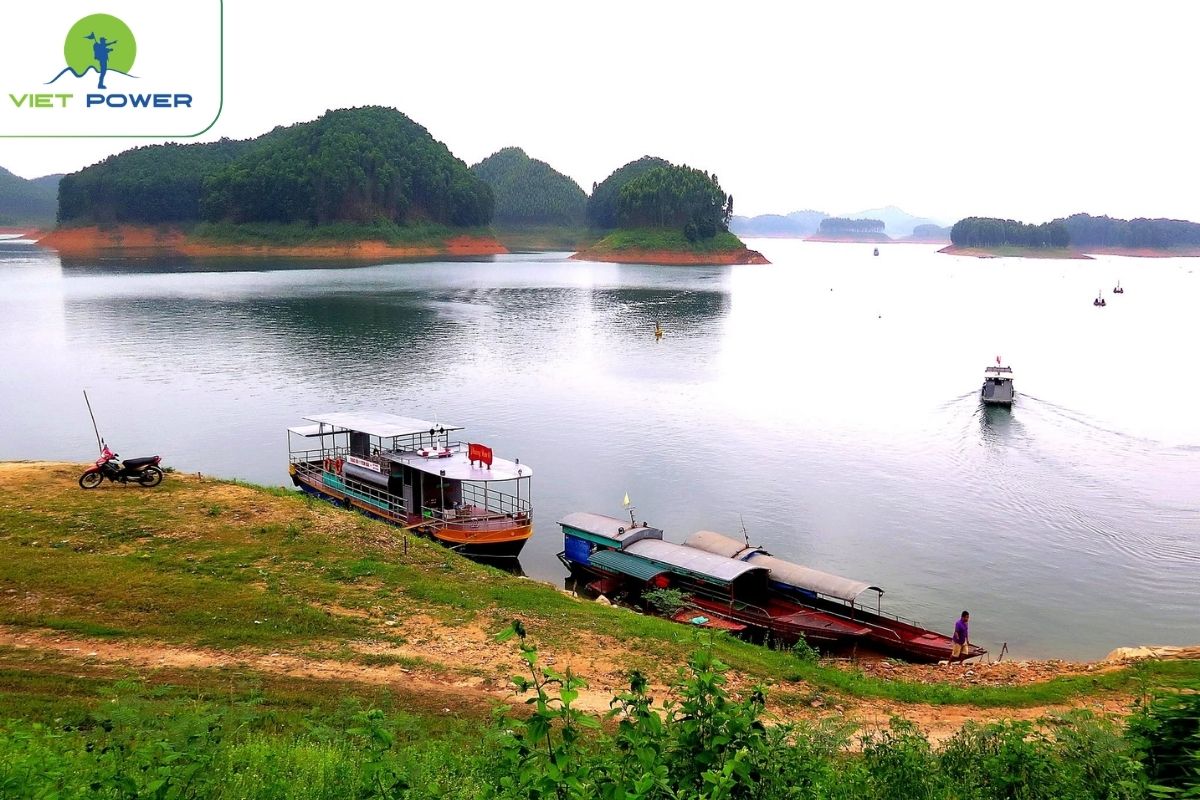
In the afternoon, return to Hanoi. If the itinerary includes Thac Ba Lake, travelers can also visit Ngoi Tu Village or enjoy a short boat ride before leaving.
In the evening, arrive in Hanoi and end the trip. This longer itinerary is ideal for travelers who want a richer Yen Bai experience with rice terraces, culture, food, hot springs and nature.
Yen Bai in September is the perfect time to admire golden rice terraces, visit Mu Cang Chai, cross Khau Pha Pass and experience ethnic village life. From photography viewpoints to local food and mountain homestays, this journey brings travelers close to the natural and cultural beauty of Northwest Vietnam.
Plan your trip with Vietpower Travel and discover more Yen Bai Tourist Attractions through a well-designed tour that makes your Yen Bai journey meaningful, scenic and easy to enjoy
Planning around the whole northern harvest? See our complete guide to Vietnam rice terraces: where and when to see the golden harvest for a season calendar and every terrace destination compared.
Please kindly send us your ideas about the tours: destinations, attractions, your group, hotel class... we will get back to you with details & best offers quickly. Surely, you will feel satisfactory!
 |
 |
 |
 |
 |
 |

.jpg) Customize Your Trip
Customize Your Trip
 Vietnam
 Thailand
 Laos
Laos Indonesia
 Cambodia
 Myanmar
 Indochina Tours