Vietnamese pagodas are places where architecture, spirituality, and symbolism merge into a unique cultural experience. Their roofs, statues, courtyards, and carvings embody Buddhist values, ancestral beliefs, and centuries of artistic refinement. For travelers eager to understand the deeper meaning behind these sacred spaces, Vietpower Travel provides insightful tours that reveal the Vietnam Pagoda architecture.
Vietnamese pagodas reflect the harmony between Mahayana Buddhism and local cultural traditions. They are central gathering points where people pray, meditate, seek blessings, and honor ancestors.
What makes Vietnamese pagodas different from Chinese or Thai pagodas?
Vietnamese pagodas typically combine Mahayana Buddhist traditions with native Vietnamese aesthetics. Unlike tall Chinese towers or golden Thai stupas, Vietnamese pagodas tend to spread horizontally, blending with nature through courtyards, lakes, and gardens. The architecture emphasizes harmony with the land.
Typical elements include:
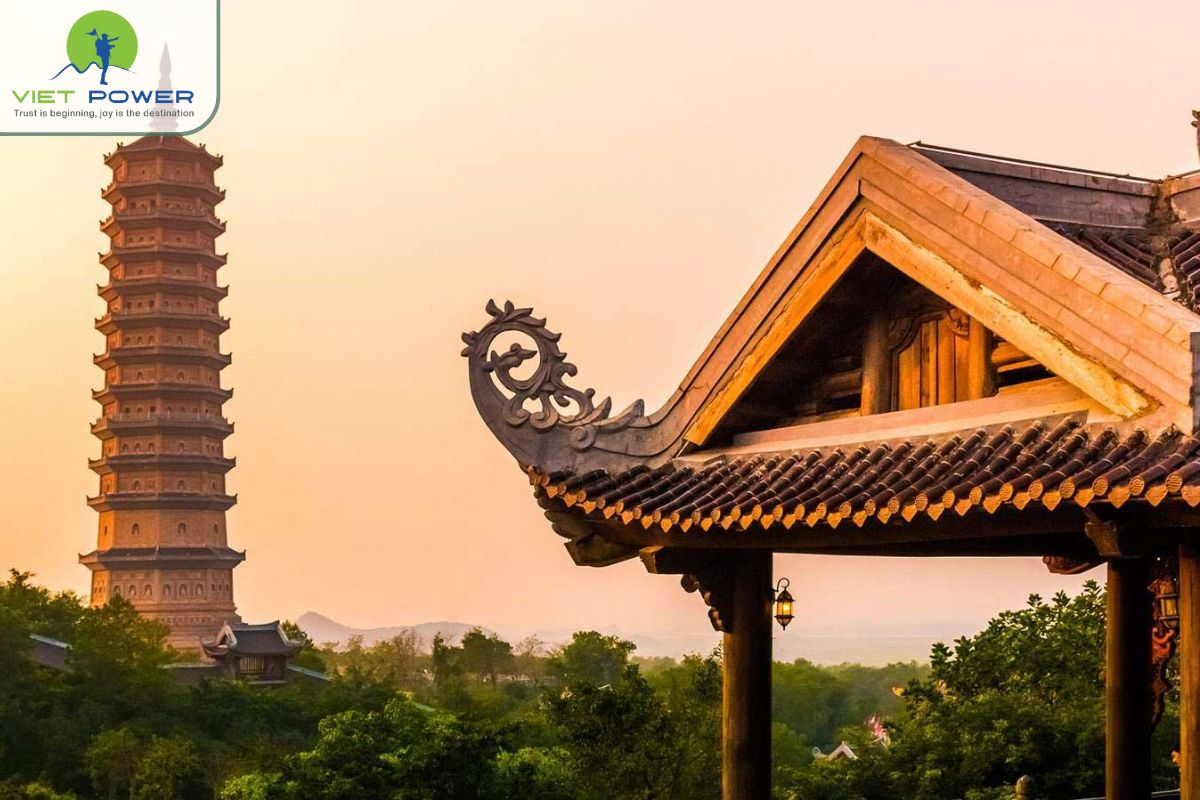
Did You Know?
Many ancient Vietnamese pagodas were built entirely without nails.
Master craftsmen used complex wooden joints that allowed buildings to expand and contract naturally with the weather. Pagodas like Keo Pagoda still stand strong after centuries thanks to this technique.
The Sacred Bodhi Trees: A Symbol of Vietnamese pagodas
Many pagodas in Vietnam house bodhi trees grown from seeds brought by monks from India or Sri Lanka. Some trees are hundreds of years old and are believed to anchor and protect the spiritual energy of the entire temple. Visitors often circle these trees for blessings.
Continue exploring similar posts to learn more about Vietnam’s diverse attractions and unique travel experiences. Our Vietnam tourist attractions category is filled with ideas to help you plan your perfect adventure.
The dragon is one of the most iconic symbols in Vietnamese culture. Unlike the fierce dragons found in Western lore, Vietnamese dragons present life, rain, protection, and prosperity.
Dragons are guardians of pagodas, channeling positive energy and embodying protection. They appear on roof edges, pillars, altars, gates, and carvings. They are often depicted chasing a flaming pearl, a powerful symbol of enlightenment and spiritual mastery. Because of this myth, dragons are cherished as protective and ancestral symbols.
Vietnamese dragons are more water-oriented and elegant than Chinese dragons.Vietnamese people believe that the dragons represent good fortune for farmers and communities dependent on rain.
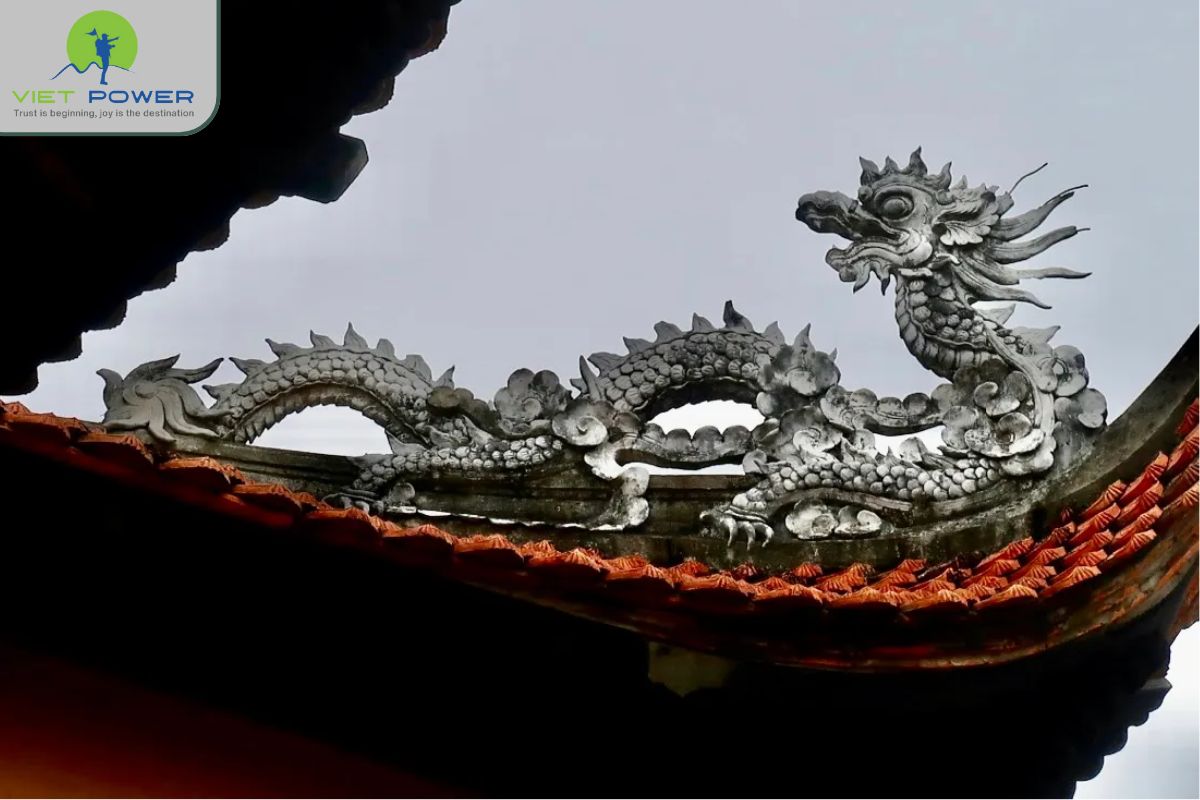
Vietnamese legend says the people of Vietnam descended from the marriage of Lac Long Quan, a benevolent Dragon King, and Au Co a Mountain Fairy. They birthed 100 children - the ancestors of the Vietnamese nation. This story explains why dragons appear everywhere in pagodas: They represent Vietnam's mythical roots.
Each pagoda tells a unique story through its distinctive history, design and spiritual meaning. In the following post of Vietpower Travel, let’s discover the story of famous pagodas in Vietnam.
Turn your dream of discovering Vietnam into reality with a personalized tour crafted by Vietpower Travel.
The lotus flower is one of the most sacred symbols in Vietnamese culture and Buddhism. It represents purity rising from muddy waters, just as humans rise from suffering to reach enlightenment. It appears in art, architecture, rituals, and national identity.
The lotus grows in muddy water yet rises to bloom beautifully above the surface. This symbolizes Buddhist teachings of overcoming suffering to find inner peace. In pagoda design, the lotus appears in many forms: Buddha statues seated on lotus pedestals, motifs carved into windows, pillars, and altars, and serene lotus ponds in courtyards. Together, these elements create a tranquil atmosphere that nurtures meditation and spiritual reflection
Fact: One Pillar Pagoda in Hanoi has a shape of rising lotus emerging from the pond!
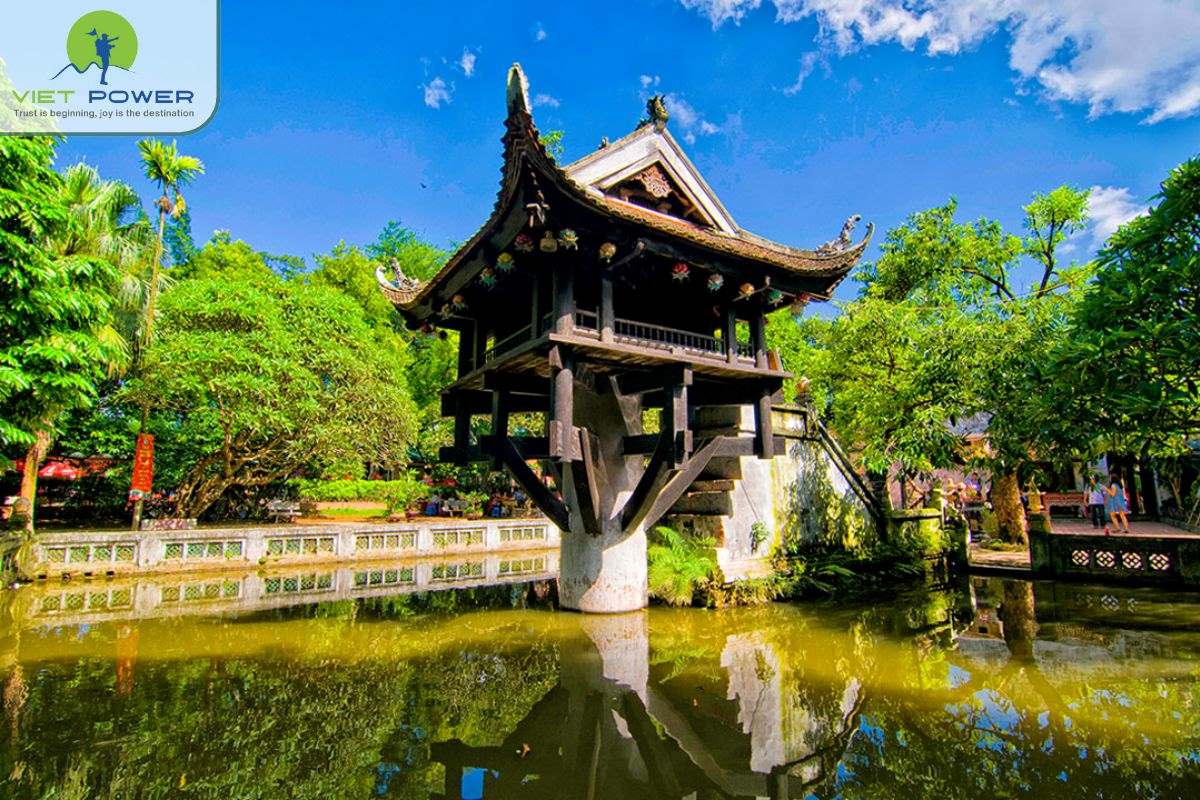
King Tran Nhan Tong, after guiding Vietnam through turbulent times, chose to renounce the throne and become a monk at Yen Tu Mountain. His wisdom and compassion inspired disciples to call him “a lotus blooming above the mud.”
His life beautifully expresses the lotus spirit - rising above struggles with peace and dignity.
The lotus is not only a symbol in pagodas in Vietnamese, but also is Vietnam’s national flower. Because it represents: Purity, Optimism, Strength, Enduring Vietnamese heart.
Let’s explore more posts on this topic to discover even more about Vietnam:
Vietnamese pagodas are designed not only for beauty, but for energy harmony. The Five Elements framework - consisting of Wood, Fire, Earth, Metal, and Water. These elements are woven into architecture and layout, aligning the spiritual with the physical. These elements represent energies that interact through cycles of creation and destruction. Vietnamese pagodas integrate them subtly through materials, colors, and layout.
Personal Element: Traditionally, the lunar birth year determines the element. Some systems also consider your birth month, day, and hour for a more accurate reading. In Vietnamese belief, The element can affect the personality, their destiny and the way they interact with people in other elements.
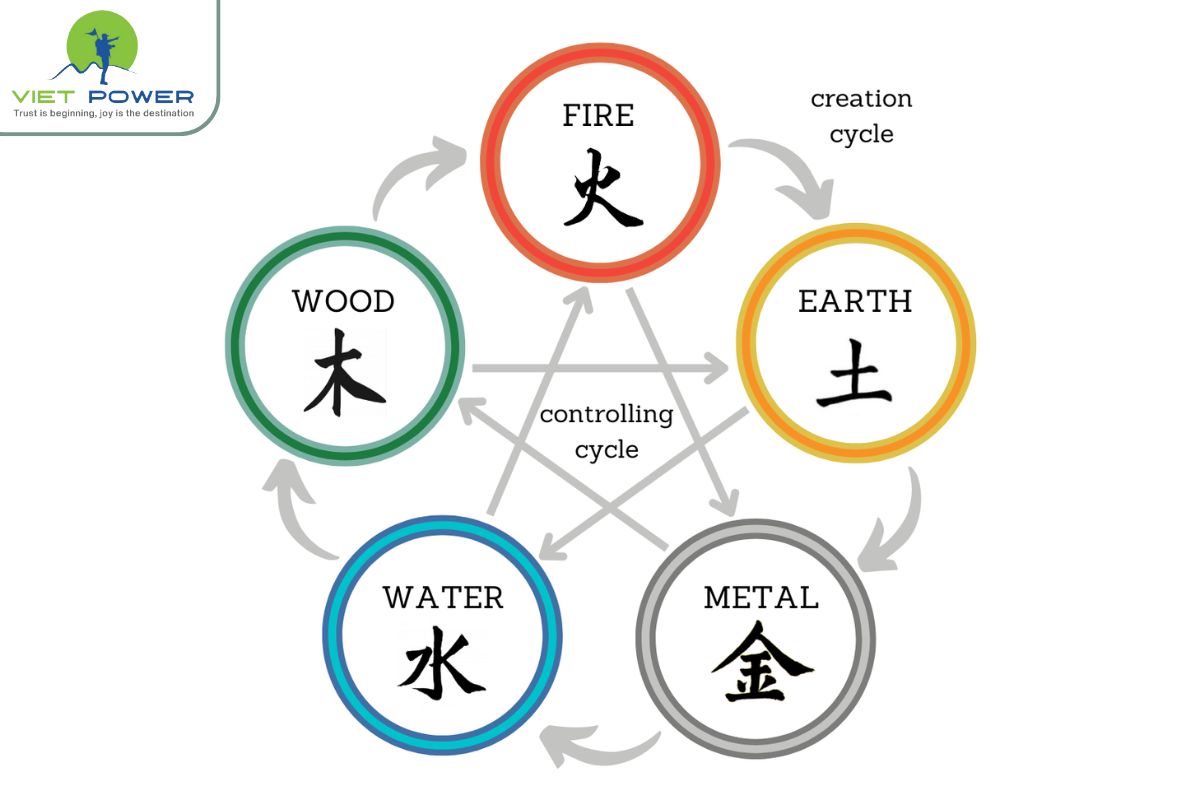
When King Ly Thai To moved the capital to Hanoi in 1010, he reported seeing a golden dragon rising above the Red River, which he interpreted as a sign of a thriving energy flow following the Five Elements cycle.
He renamed the capital Thang Long (Rising Dragon), believing the land had excellent Feng Shui with water (river), mountains, and fertile soil in perfect harmony.
Feng Shui, means wind and water, shapes the layout of pagodas, homes, and entire cities. Feng Shui plays a major role in how pagodas are positioned. Builders carefully select locations that support spiritual energy and provide natural harmony.
Vietnamese pagodas are carefully designed according to Feng Shui principles, ensuring harmony between nature and spirituality. Most temples are built with mountains behind them, symbolizing stability and protection, while water in front represents prosperity and abundance.
Their orientation toward favorable directions allows energy to flow smoothly, creating a sacred space where visitors feel balanced and connected to both the earth and the divine
Before choosing a construction site, monks and geomancers used traditional wind compasses and shadow studies to read the land’s energy. Their goal was to ensure the pagoda aligned perfectly with nature’s flow - a practice still admired today.
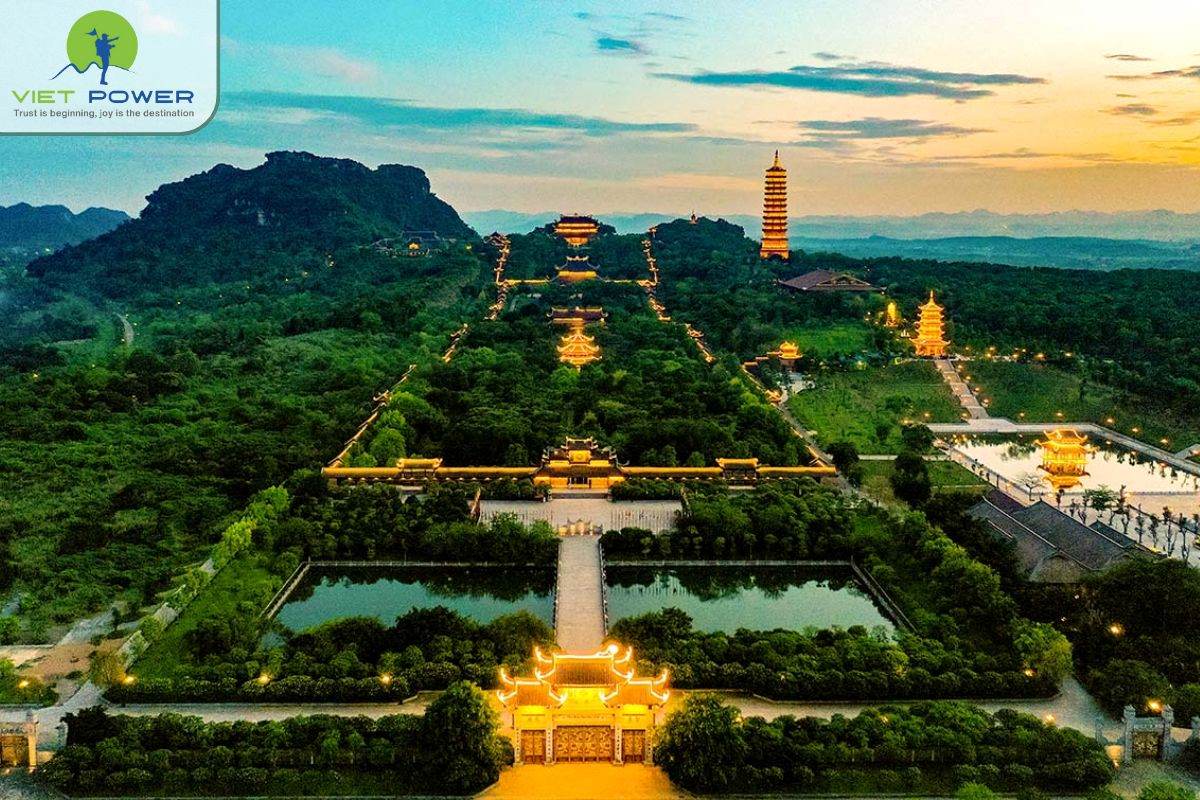
Applying practical Feng Shui tips at home or in sacred spaces helps create balance and peace. Removing clutter clears stagnant energy, while improving airflow allows positive energy to circulate freely. Adding natural light brightens the environment and uplifts the spirit, and using calming natural colors fosters relaxation and harmony. Together, these simple adjustments nurture both physical comfort and spiritual well-being.
Explore more posts within this topic and uncover more of what Vietnam has to offer:
Traditional statues and woodcarvings capture the essence of Vietnamese symbolism. Skilled artisans use wood to create pieces that reflect both cultural heritage and natural harmony. Wood represents life, flexibility, and growth, making it a powerful material for sacred art.
Pagodas often feature statues of the Buddha for enlightenment, Bodhisattvas for compassion. Moreover, Dharma protects for safety, and mythical creatures like dragons, phoenixes, turtles, and lotus motifs symbolize strength, renewal, longevity, and purity.
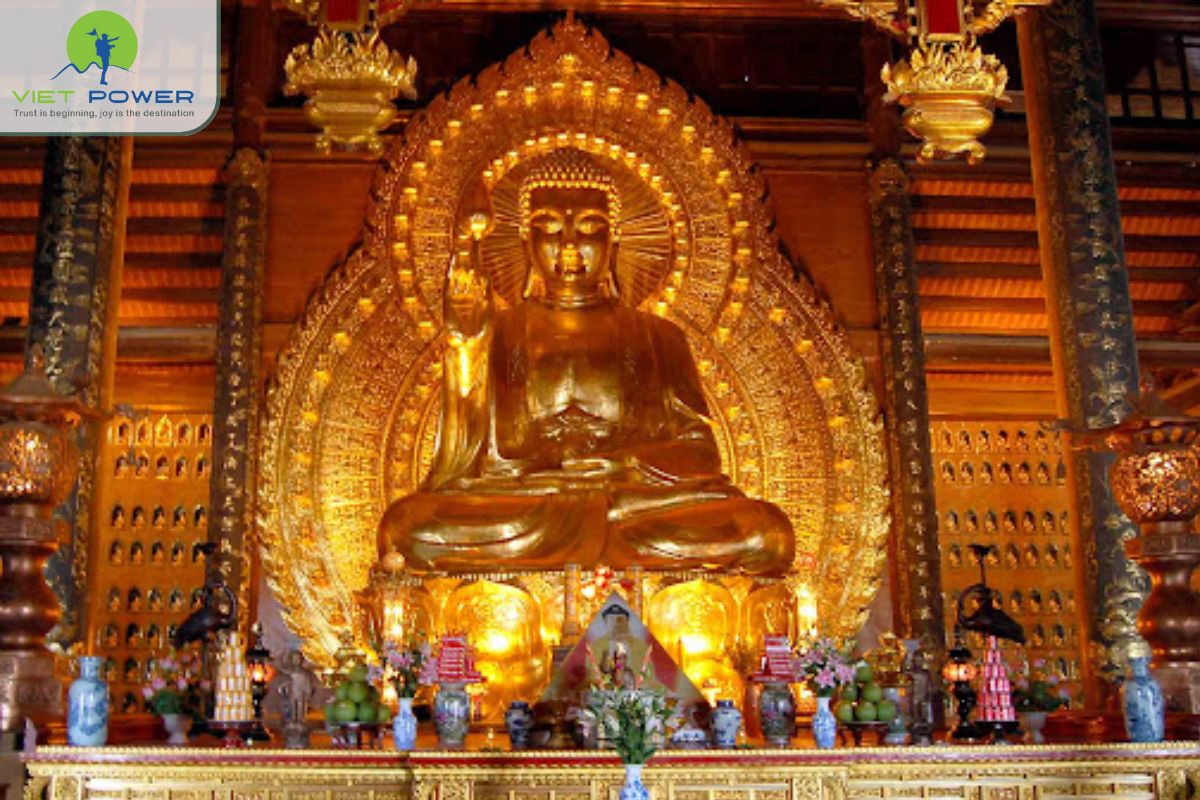
The Laughing Buddha, was a joyful monk beloved for his compassion. He often carried a cloth sack filled with candy for children. His cheerful nature transformed him into a symbol of abundance and happiness, which is why so many pagodas place him at the entrance.
In pagoda placement rituals, carvings and statues must:
Vietnamese pagodas are more than religious monuments. They are cultural treasures filled with legends, symbolism, and artistic mastery. From the protective dragon to the serene lotus, from the harmony of the Five Elements to the precision of Feng Shui, each detail tells a story of wisdom and resilience.
To experience these sacred spaces fully, travel with experts who understand their meanings in Pagoda Architecture, Vietpower Travel offers guided cultural and spiritual tours. Book your journey today and discover the spiritual heart of Vietnam with Vietpower Travel.
Please kindly send us your ideas about the tours: destinations, attractions, your group, hotel class... we will get back to you with details & best offers quickly. Surely, you will feel satisfactory!
 |
 |
 |
 |
 |
 |

.jpg) Customize Your Trip
Customize Your Trip
 Vietnam
 Thailand
 Laos
Laos Indonesia
 Cambodia
 Myanmar
 Indochina Tours