Vietnamese wishes play a central role in daily life and traditional celebrations, especially during the Vietnamese Lunar New Year. More than polite words, these greetings reflect hopes for health, harmony, and prosperity. Through carefully chosen phrases, Vietnamese people express respect, social bonds, and cultural values passed down for generations.
For travelers exploring Vietnam, understanding traditional greetings and lucky phrases offers deeper cultural insight. At Vietpower Travel, we help visitors experience Vietnamese culture authentically, from festive traditions to meaningful everyday interactions.
Vietnamese wishes, known as loi chuc, are short expressions used to convey goodwill, respect, and positive hopes. They are deeply rooted in Confucian values and family-oriented culture. Vietnamese wishes often carry symbolic meaning.
These wishes appear most prominently during Tết. However, they are also common at weddings, birthdays, business openings, and family gatherings. Each phrase is chosen carefully, depending on the occasion and the relationship between speakers.
The role of language in Vietnamese culture: Vietnamese society values harmony and respect. Language reflects this clearly. A wish is not just spoken; it represents intention and social awareness. Using the right phrase at the right time shows good manners and cultural understanding.
For visitors, learning basic Vietnamese wishes helps build meaningful connections. Even simple phrases are warmly appreciated.
Whether you're exploring the chaotic streets of Ho Chi Minh City, the ancient alleys of Hanoi, or the serene countryside of Southern Vietnam, you’ll quickly realize that this country offers a truly unique cultural experience. But before you pack your bags, let’s dive into 15 fun facts about Vietnam culture that will enhance your journey and help you appreciate the country like a true insider with Vietpower Travel in the post below.
Vietnamese wishes often focus on three main themes: health, prosperity, and harmony. These themes appear repeatedly in traditional greetings and lucky phrases. Vietnamese wishes are closely tied to timing. Saying the right wish at the right moment is essential.
Tết is the peak time for Vietnamese wishes. Greetings begin on New Year’s Eve and continue through the first days of the lunar year. During this time, families visit relatives, neighbors, and friends
Popular Vietnamese wishes in Tet Festival and their meanings:
Do you know the first day of Tết is considered important for wishes? The first day of Tết is believed to influence luck for the entire year. Wishes exchanged on this day are thought to set the tone for health, prosperity, and harmony.
Fact: Vietnamese people avoid negative words on the first day of Tết. On the first day of Tết, many Vietnamese families avoid words related to death, loss, or failure. Even minor arguments or complaints are postponed. People believe that speaking negative words at the beginning of the year can bring bad luck for months to come.
Because of this belief, Vietnamese wishes during Tết are carefully chosen. Positive phrases about health, prosperity, and harmony are preferred, even when circumstances are difficult.
Vietnamese wishes are also common during:
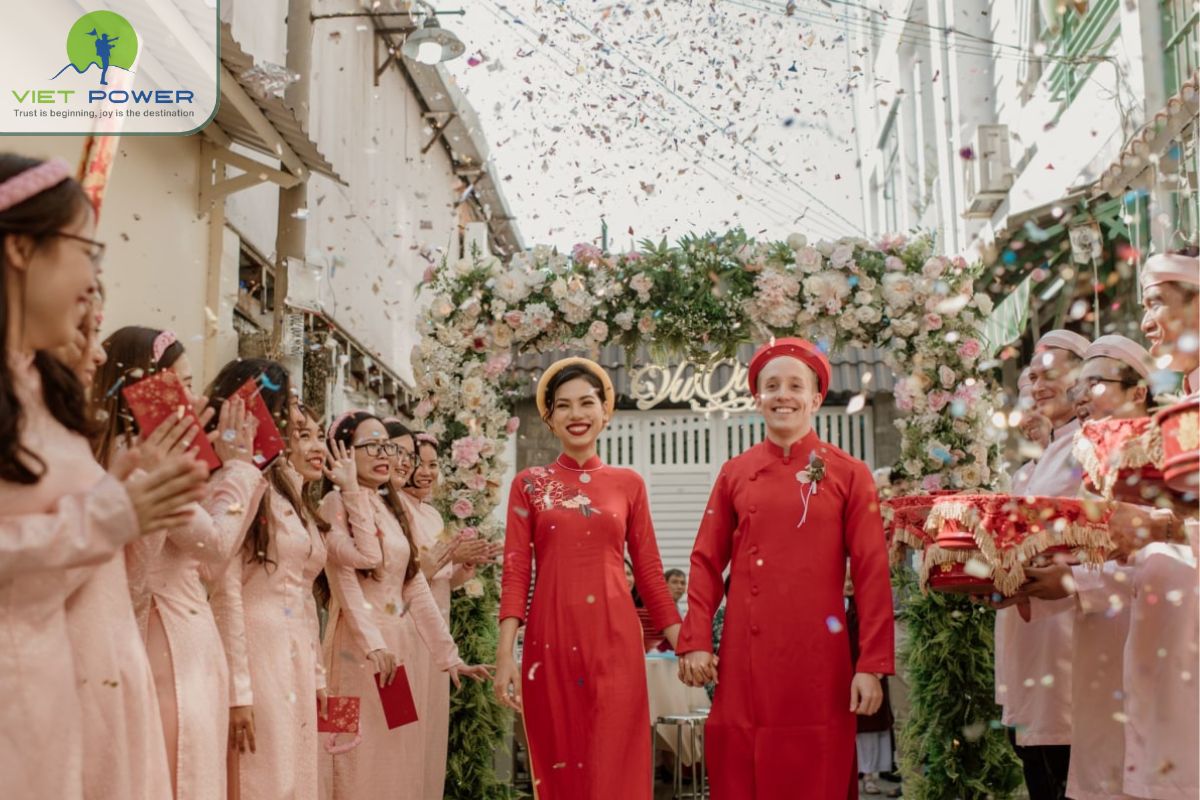
Weddings and engagement ceremonies:
Birthdays and longevity celebrations
New business openings
Housewarming events
Promotions and achievements
Each occasion has suitable phrases. For example, weddings focus on harmony and happiness, while business openings emphasize prosperity.
Some Informal and modern lucky phrases:
These expressions show how Vietnamese wishes evolve while preserving traditional meaning.
Discover more posts on the same topic and dive deeper into Vietnam’s traditions, beliefs, and artistry. Explore our Vietnam culture category to find inspiration for your next cultural journey.
Experience Vietnam your way with a custom-crafted itinerary created by the experts at Vietpower Travel.
People wonder What do Vietnamese wishes symbolize culturally? Vietnamese wishes symbolize hopes for health, prosperity, family harmony, and social balance. Vietnamese wishes are not random. Each phrase reflects deeper cultural values shaped by history, beliefs, and social structure.
Health-related wishes appear frequently in Vietnamese greetings.
Why do many Vietnamese wishes focus on health? People believe that good health supports happiness, success, and family stability. Without health, other achievements lose meaning.
Vietnamese culture places strong respect on elders. For this reason, wishes for long life often come first when greeting parents and grandparents. These wishes show gratitude for care, guidance, and sacrifice.
Longevity wishes also reflect family continuity. A long life allows elders to witness future generations and maintain family harmony. Therefore, wishing health is both respectful and emotionally meaningful.
Economic stability has always played an important role in Vietnamese society. As a result, many Vietnamese wishes focus on wealth, career progress, and smooth business outcomes. These phrases often appear during Tết, business openings, and important milestones.
However, these wishes do not promote greed. Instead, they express hope for security and steady growth. Financial stability allows families to live comfortably and support future generations.
Prosperity-related wishes also encourage effort and resilience. They remind people to work hard while hoping for favorable conditions.
Vietnamese culture strongly values harmony within families and communities. For this reason, many wishes focus on peace, smooth relationships, and emotional balance. People believe that harmony brings long-term happiness.
Phrases like an khang emphasize inner peace as much as material success. A calm mind supports better decisions and stronger relationships.
Fact: Some Tet wishes come from ancient Chinese–Vietnamese philosopher: Many formal Vietnamese wishes, such as An khang thịnh vượng or Vạn sự như ý, come from classical Sino-Vietnamese language. These phrases reflect Confucian ideals that emphasize balance, moral behavior, and social harmony.
Although modern Vietnamese people may not analyze each word, the philosophy behind these wishes continues to shape daily communication.
Discover more posts on the same topic to deepen your understanding of Vietnam’s culture:
Vietnamese wishes are often paired with symbolic actions. These rituals reinforce the meaning of spoken words.
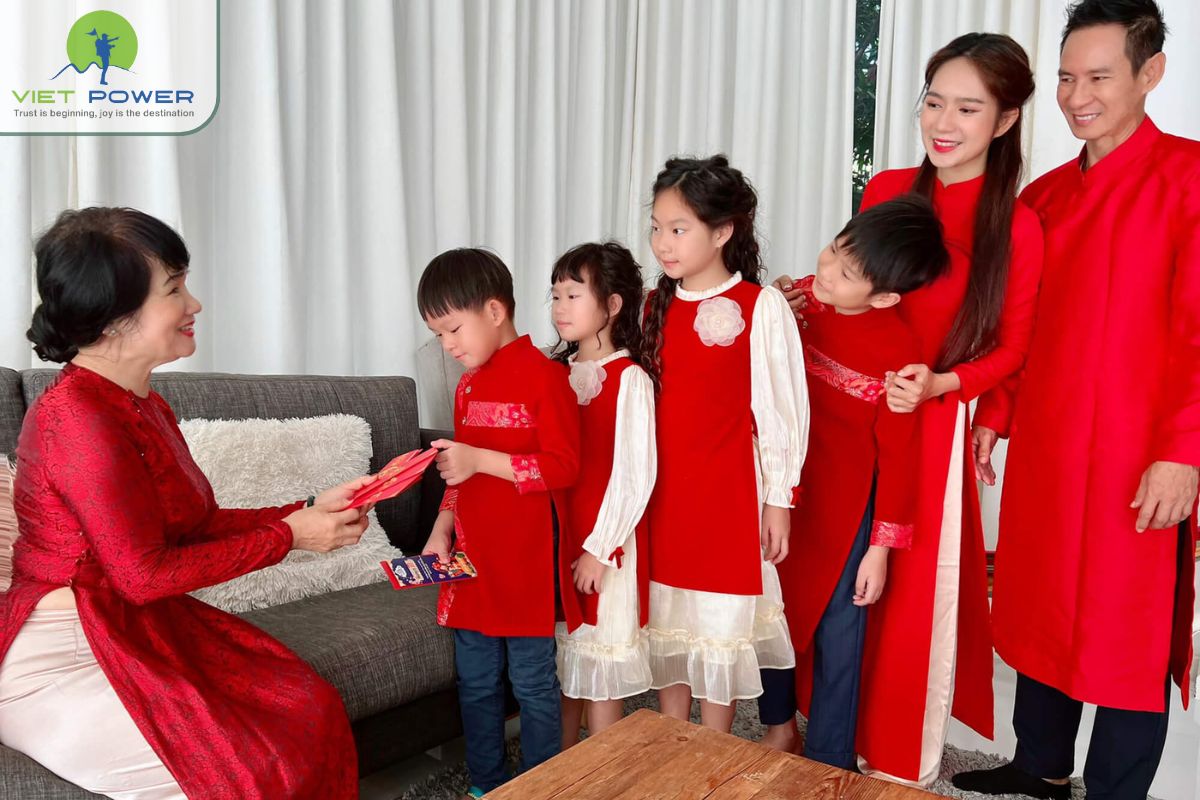
During Tết, elders give red envelopes containing money to children and younger relatives. This custom, called lì xì or mừng tuổi, is one of the most loved traditions of the New Year. The red color symbolizes luck, happiness, and protection from bad spirits.
However, lì xì is not mainly about money. The value of the gift lies in the wishes that come with it. Elders usually say blessings for health, good behavior, and success in study or work before handing over the envelope.
The amount inside is often small and symbolic. People avoid unlucky numbers and prefer even or positive numbers. What matters most is the intention to bring good fortune for the coming year.
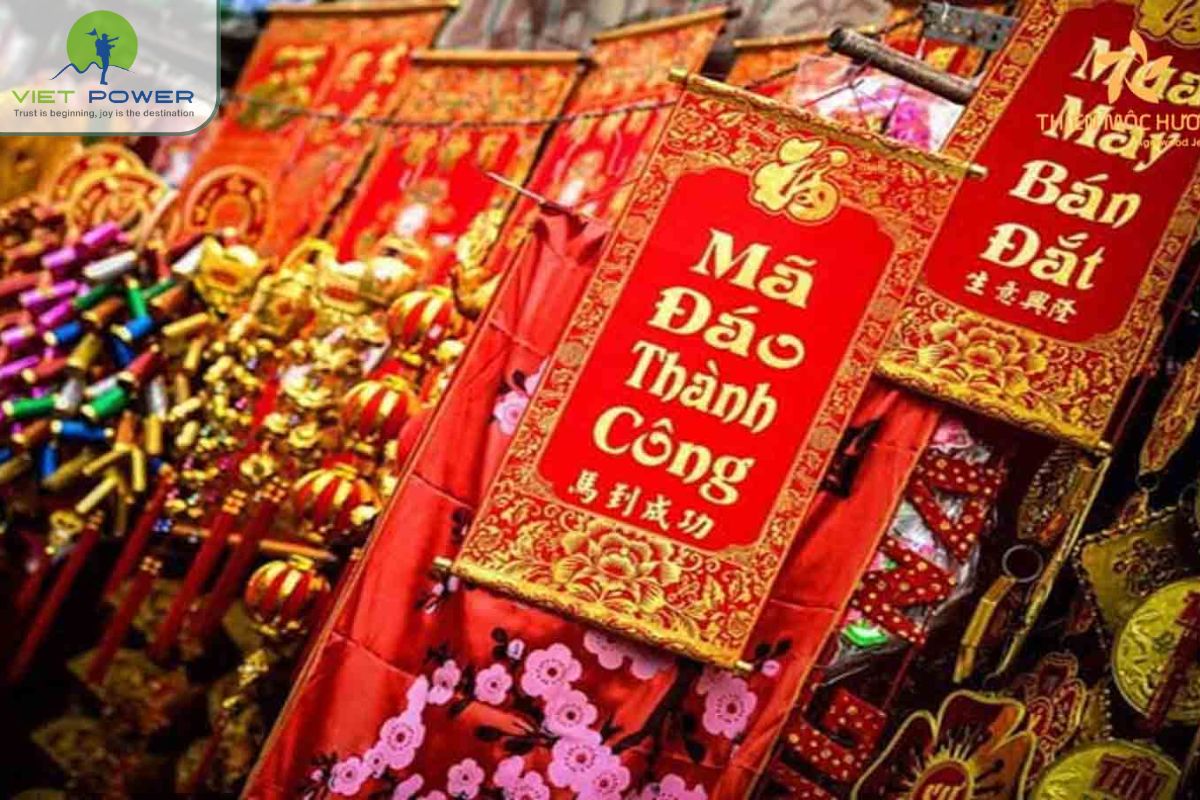
Red banners with calligraphy are displayed in homes during Tết. These often feature traditional wishes written in Sino-Vietnamese characters.
They serve as visual reminders of hopes for the coming year.
Fact: Writing wishes was once more important than speaking them: In the past, many Vietnamese people could not read or write. However, scholars wrote Tet wishes in calligraphy on red paper and displayed them in homes. These written wishes were believed to protect families and attract good fortune.
Today, Tet calligraphy remains popular, especially in temples and cultural festivals
The first visitor to a home, known as xông đất, is especially important. People believe this person influences the family’s luck for the year. Therefore, wishes exchanged during this visit carry strong symbolic weight.
The custom of xông đất highlights the belief that words and actions at the start of the year influence future outcomes. This explains why Vietnamese wishes during Tet are especially thoughtful.
Do you Know? The “right person” is sometimes invited to be the first guest of the year: In many families, the host quietly invites a successful, cheerful, or respected person to be the first visitor of the New Year. This practice ensures good luck and positive energy for the household.
The first words spoken by this guest are considered especially powerful. For that reason, their wishes are often prepared in advance.
Let’s explore more posts on this topic to discover even more about Vietnam’s unique culture:
For visitors, using Vietnamese wishes correctly shows respect and cultural awareness.
Always consider age, relationship, and situation before choosing a wish. Vietnamese culture places great value on social roles. A wish should match the person you are greeting.
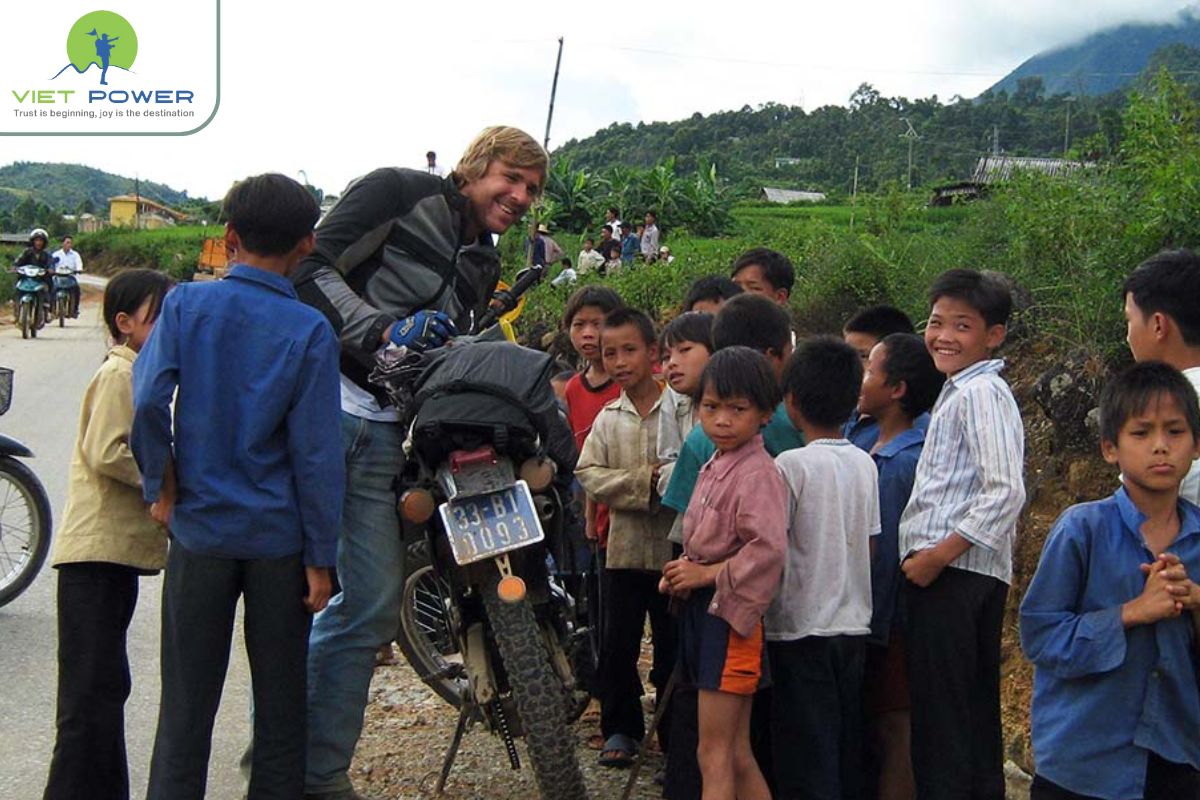
A warm tone matters as much as the words themselves. Vietnamese greetings usually come with a gentle smile and friendly eye contact. These small gestures make your wishes feel sincere.
When speaking Vietnamese, say the words slowly and clearly. Do not worry too much about perfect pronunciation. Most locals appreciate the effort more than accuracy.
Body language also plays a role. A slight nod or respectful posture shows politeness, especially when greeting elders.
It is also good to wait for the right moment. Do not interrupt conversations. Choose a natural time to offer your wishes.
Vietnamese wishes are more than simple greetings. They reflect deep cultural values centered on health, harmony, respect, and hope for the future. From Tet wishes exchanged among families to lucky phrases shared in daily life, these expressions reveal the heart of Vietnamese culture. Understanding Vietnamese wishes allows travelers to connect more genuinely with local people. It transforms simple encounters into meaningful experiences.
Explore our Vietnam culture category for deeper insights into local life and customs. From ancient temples to rural villages, Vietpower Travel takes you on a journey through Vietnam’s living traditions.
Please kindly send us your ideas about the tours: destinations, attractions, your group, hotel class... we will get back to you with details & best offers quickly. Surely, you will feel satisfactory!
 |
 |
 |
 |
 |
 |
.jpg) Customize Your Trip
Customize Your Trip
 Vietnam
 Thailand
 Laos
Laos Indonesia
 Cambodia
 Myanmar
 Indochina Tours