What to Eat in Ha Long is a practical guide for travelers who want to enjoy fresh seafood, signature local dishes, traditional Quang Ninh specialties, and trusted places to eat around Bai Chay, Hon Gai, Cai Dam Market, and Ha Long Night Market.
With Vietpower Travel, visitors can explore Ha Long through well-planned Vietnam tours that combine bay cruises, local markets, seafood restaurants, and authentic coastal dining experiences suited for families, groups, and first-time travelers.
If you are wondering What to eat in Ha Long, start with these signature dishes. They are easy to find, rich in local flavor, and perfect for breakfast, lunch, or a quick food stop before a Ha Long Bay cruise. These dishes also represent the most familiar side of Ha Long Food for first-time travelers.
Cha muc Ha Long is the city’s most famous local specialty. This hand-pounded squid cake is made from fresh squid or cuttlefish, shaped into small patties, then fried until golden. The hand-pounding method keeps the squid texture springy, chewy, and lightly crispy, giving the dish a fresh seafood sweetness.
Best ways to eat: with steamed rice, sticky rice, bánh cuốn, or as a food souvenir.
Where to try:
Price range:
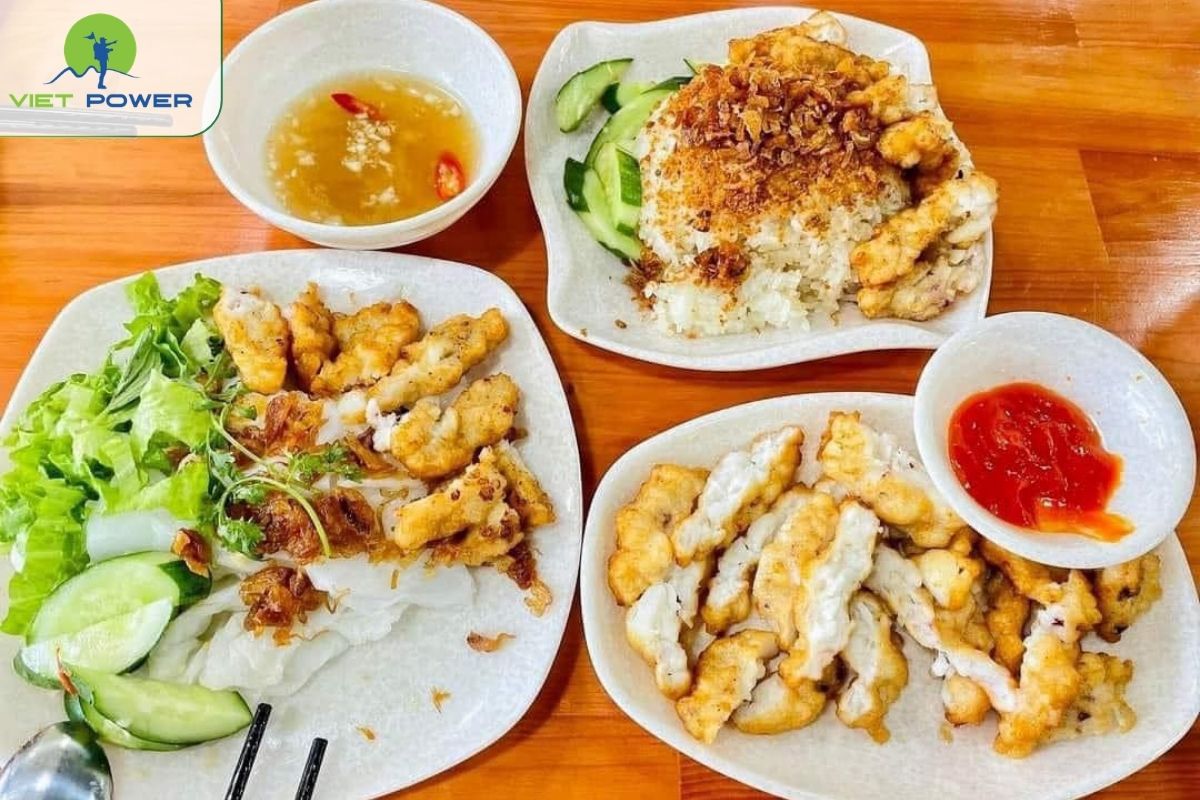
Banh cuon cha muc is a classic local breakfast in Ha Long. Soft steamed rice rolls are served with crispy squid cake, herbs, and a light dipping sauce. The rice rolls are smooth and mild, while the squid cake adds a chewy seafood bite, making this dish easy for first-time travelers to enjoy.
Best time to eat: breakfast or a light morning meal before sightseeing.
Where to try:
Price range: Around 30,000 – 55,000 VND/portion
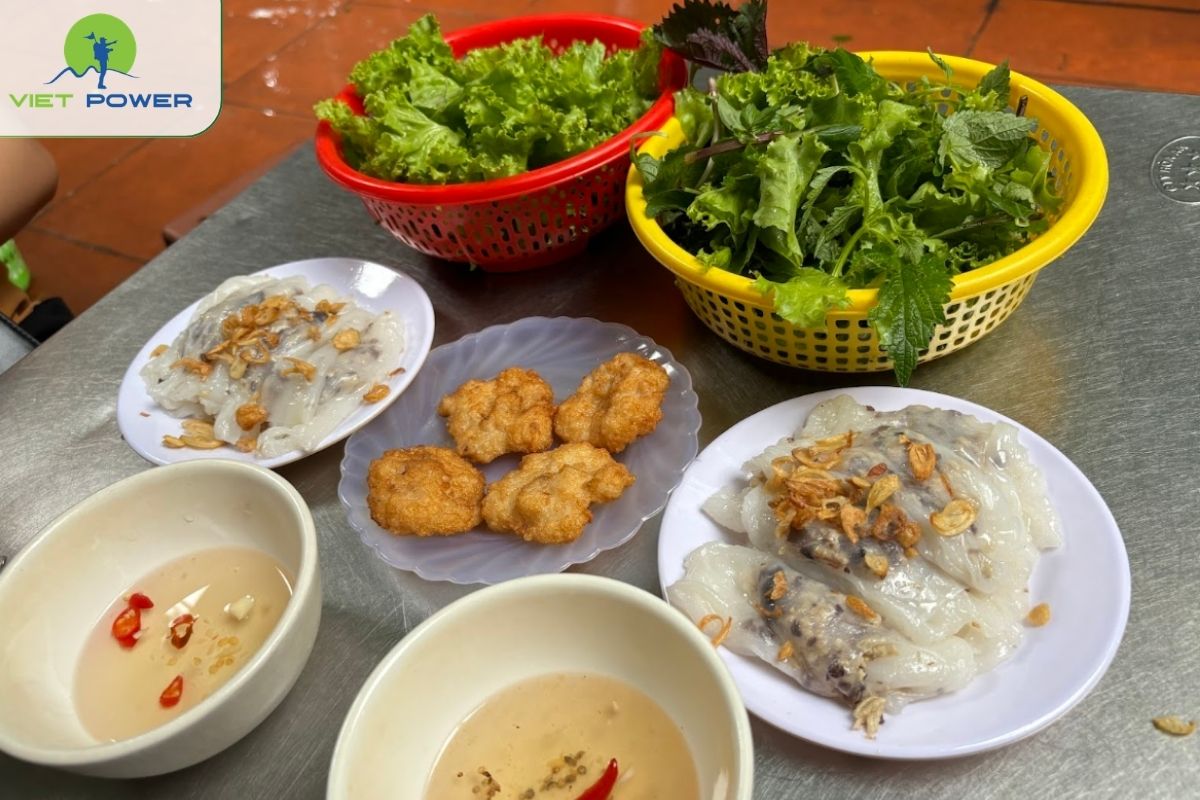
Xoi cha muc is a quick, filling breakfast dish made with warm sticky rice and golden fried squid cake. The sticky rice is soft and mild, while the squid cake adds a crispy edge and savory seafood flavor. It is a good choice before a bay cruise, island tour, or morning city visit.
Best time to eat: early morning or before joining a tour.
Where to try:
Price range:
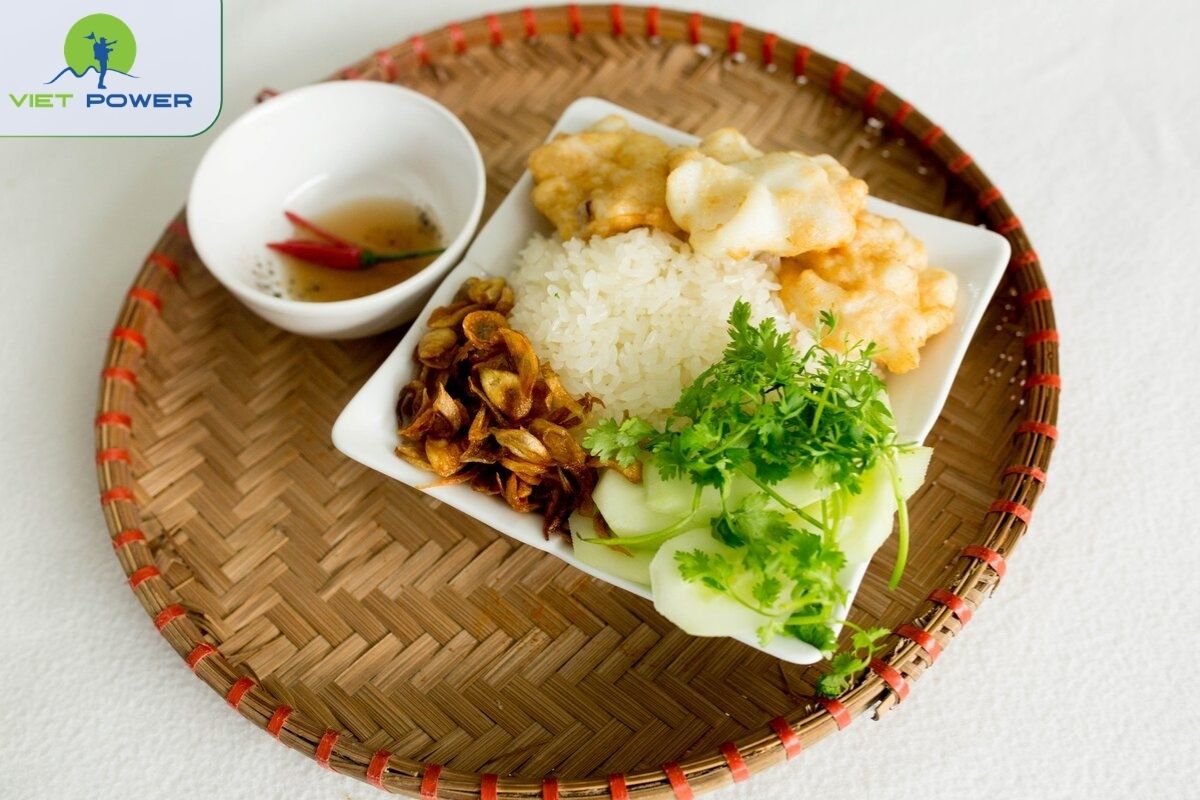
Let’s continue exploring more about Vietnam and its incredible culinary scene. Visit our Vietnam food & cuisine category to discover in-depth guides, dining tips, and local specialties across the country.
If travelers ask “What seafood dishes are famous in Ha Long Bay?”, the answer should start with fresh, simple, and locally loved dishes. Ha Long seafood is usually grilled, steamed, stir-fried, or served in noodle soup so the natural sweetness stays clear. This part of Ha Long Food is ideal for travelers who want fresh seafood Ha Long experiences, from casual market meals to proper seafood dinners.
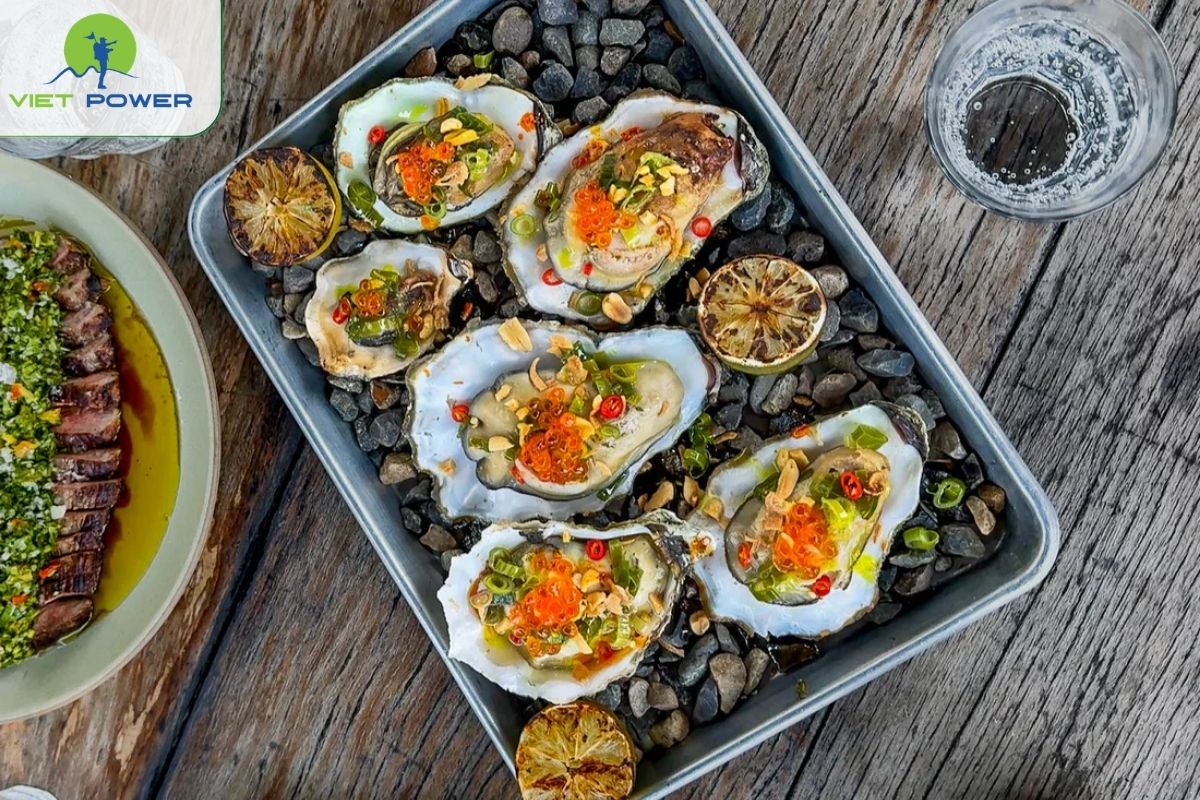
Grilled oysters with scallion oil are one of the easiest dishes to enjoy if you want to try grilled seafood in Ha Long. Fresh oysters are placed over charcoal, then topped with scallion oil, roasted peanuts, and sometimes fried shallots. The result is sweet, smoky, slightly creamy, and fragrant from the grill.
This dish is familiar for international travelers but still feels strongly local because it is often served at seafood restaurants, night markets, and casual evening stalls near Bai Chay or coastal areas.
Where to try:
Price range: around 30,000 – 80,000 VND/portion, depending on size and restaurant style.
Bun be be, or mantis shrimp noodle soup, is a light and flavorful seafood dish that works well for breakfast or lunch. A bowl usually includes mantis shrimp, seafood broth, herbs, tomatoes, vegetables, and sometimes fish cake or tofu. The broth is clear, naturally sweet, and easy to eat before a cruise or city tour.
Among Ha Long seafood specialties, bún bề bề is one of the most traveler-friendly choices because it is warm, filling, affordable, and less heavy than a full seafood meal.
Where to try:
Price range: around 30,000 – 50,000 VND/bowl.
.jpg)
Sam bien, known in English as horseshoe crab Ha Long, is a special dish for travelers who enjoy unusual local flavors. It can be grilled, stir-fried with lemongrass and chili, served as salad, cooked with glass noodles, or prepared with eggs. The texture is firm and slightly chewy, with a rich seafood taste.
Because sam biển requires careful preparation, travelers should eat it only at trusted restaurants or places known for this dish. It is better for curious food lovers than for visitors who prefer mild, familiar seafood.
Where to try:
Price range: around 150,000 – 300,000 VND/plate, depending on cooking style.
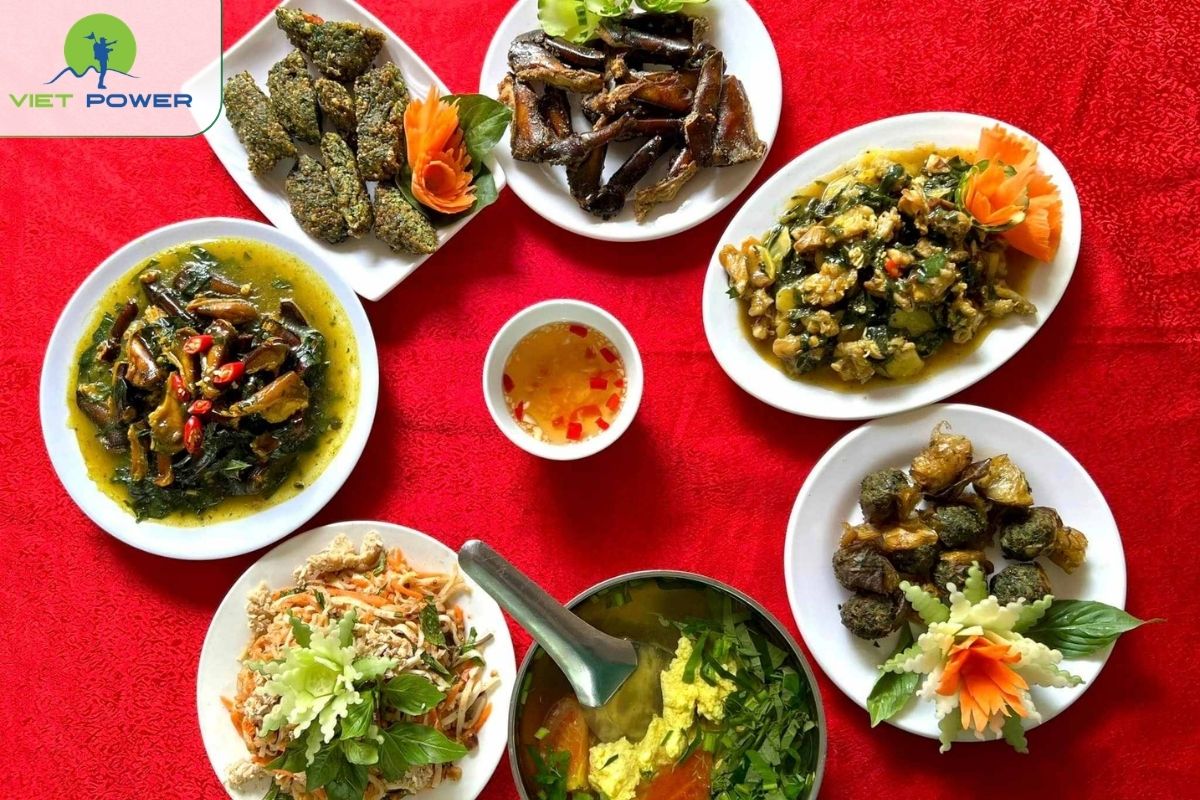
Ngan is a rare local shellfish from Quang Ninh. It looks similar to a large clam but has a richer, sweeter, and more briny flavor. Popular dishes include grilled ngan, steamed ngan with lemongrass, ngan porridge, ngan stir-fried with noodles, and ngan wine.
For travelers exploring Quang Ninh local specialties, ngán is worth trying because it has a deeper local identity than common seafood dishes like shrimp or squid.
Where to try:
Price range: around 100,000 – 440,000 VND/person, depending on portion and restaurant.
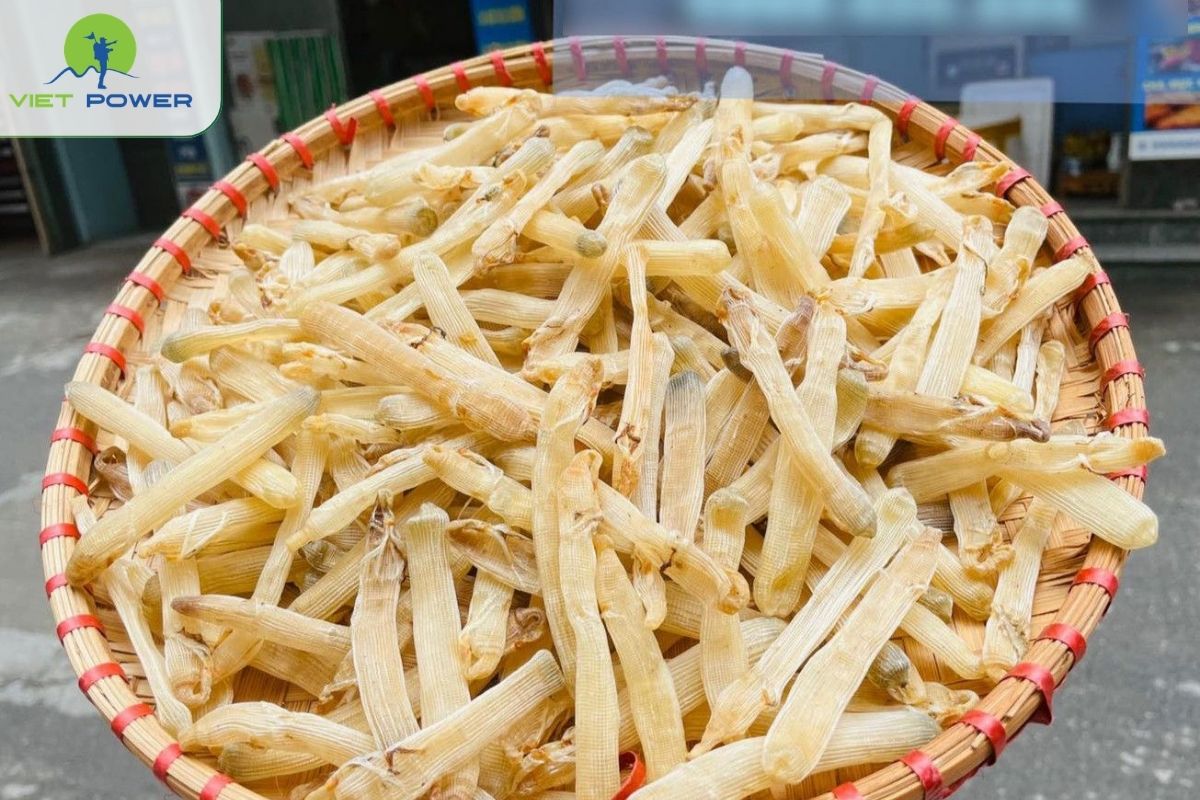
Sa sung, or peanut worm, is one of the premium seafood items from Quang Ninh province. Fresh sá sùng can be stir-fried with garlic, grilled, or cooked in porridge. Dried sá sùng is highly valued because it adds natural sweetness and umami to broth, especially in noodle soups.
This is also a popular food souvenir, but travelers should buy dried sea worm only from trusted markets or shops because the price is high and quality can vary.
Where to try or buy:
Price range:
Bun cu ky is a local noodle soup made with thunder crab, a crab-like seafood known for its large meaty claws. The broth is usually cooked from the crab body and shell, while the bowl is served with crab claws, herbs, tomatoes, and rice noodles.
This dish is a good choice for travelers who want Ha Long traditional dishes beyond standard seafood hotpot. It feels local, hearty, and budget-friendly, especially for breakfast.
Where to try:
Price range: around 40,000 – 70,000 VND/bowl.
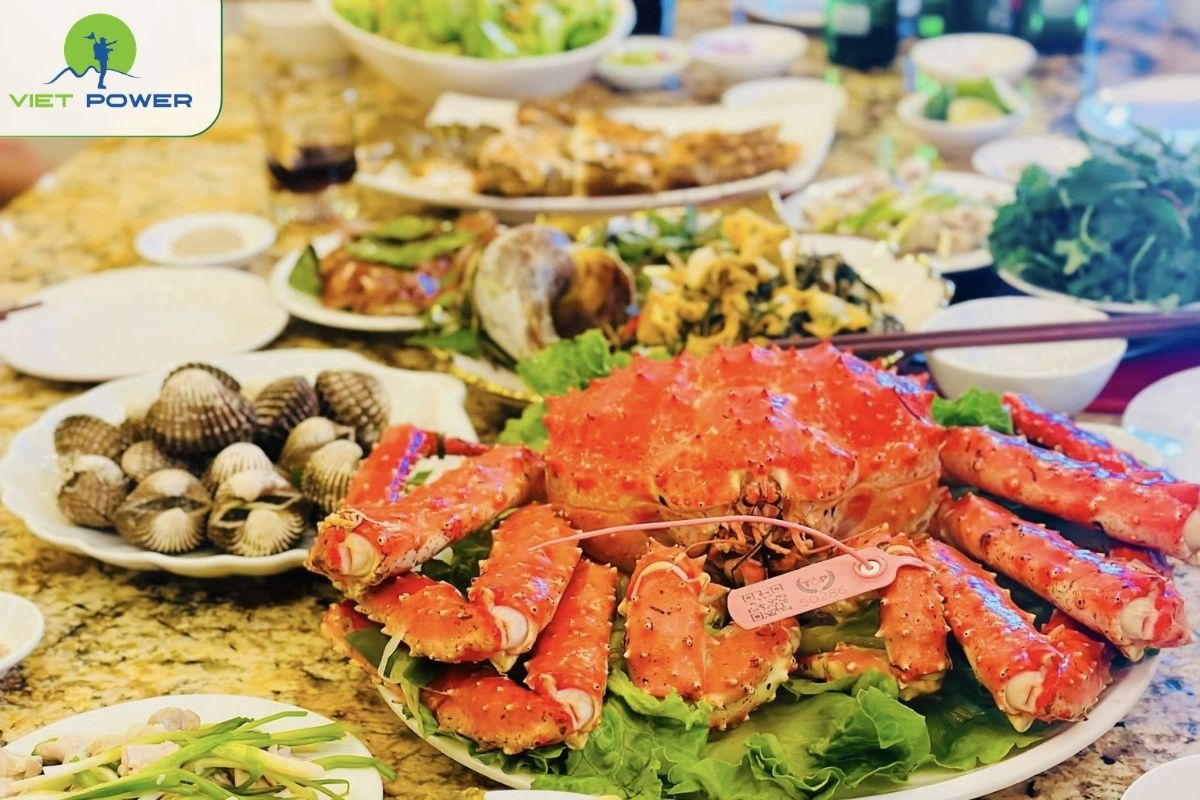
For travelers looking for the best seafood in Ha Long, restaurant-style dishes are also worth adding to the meal. Good choices include ốc hương sốt trứng muối served with rich salted egg sauce, steamed grouper with ginger and soy sauce, flower crab, lobster, grilled squid, and seafood hotpot.
Seafood hotpot is especially good for groups because it lets everyone share crab, shrimp, squid, fish, clams, vegetables, and noodles in one meal. For the freshest experience, choose restaurants with live seafood tanks and ask the price per kilogram before ordering.
Where to try:
Price range: around 200,000 – 600,000+ VND/person, depending on seafood type, portion size, and restaurant level.
Explore more posts within this topic and uncover more of what Vietnam’s cuisine has to offer:
Ha Long is famous for seafood, but travelers who want a wider taste of Quang Ninh should also try local dishes from nearby towns such as Tien Yen and Quang Yen. These foods are lighter, more familiar for first-time visitors, and useful when you want a break from crab, squid, oysters, or hotpot. They also add a richer cultural layer to your Ha Long Food journey.
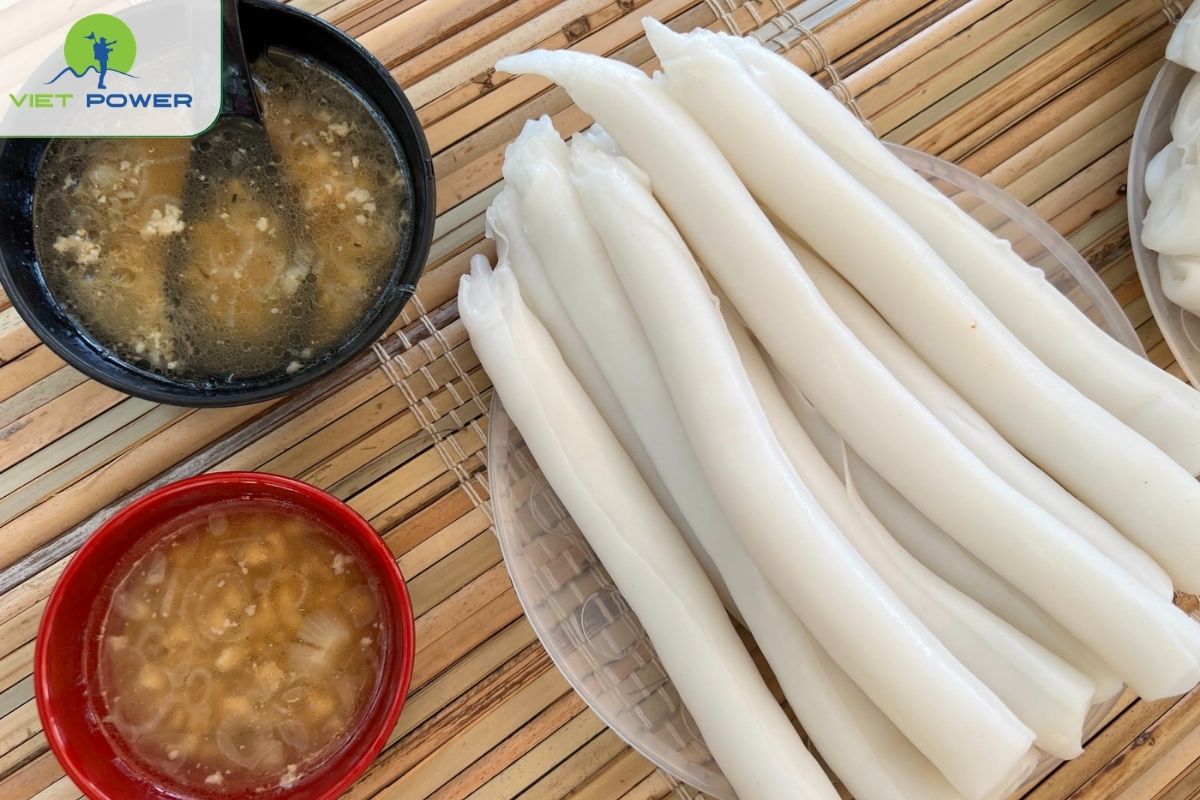
Banh gat gu is one of the most interesting Ha Long traditional dishes for travelers who enjoy cultural food discovery. This soft rice roll comes from Tien Yen, Quang Ninh, and looks similar to a long, plain rice sheet. Its name means “nodding cake” because the roll is soft and flexible, so it bends gently when held by hand.
The flavor is simple, but the dipping sauce makes it memorable. Locals often eat bánh gật gù with a rich sauce made from chicken fat, fish sauce, fried shallots, and minced meat. The rice roll is soft and mild, while the sauce adds saltiness, aroma, and a warm local taste.
Where to try:
Price range: around 15,000 – 25,000 VND/portion
Ga doi Tien Yen is a good choice for travelers who want a non-seafood local meal. The chickens are raised in the hill areas of Tien Yen, where they move freely, so the meat is firm, naturally sweet, and less fatty than farmed chicken. The skin is often yellow, thin, and slightly chewy.
The best way to enjoy this dish is usually boiled chicken with a local dipping sauce. Some restaurants also serve it grilled, steamed, or roasted. After several seafood meals, gà đồi Tiên Yên feels clean, warm, and easy to share with family or a tour group.
Where to try:
Price range: around 120,000 – 200,000 VND/kg
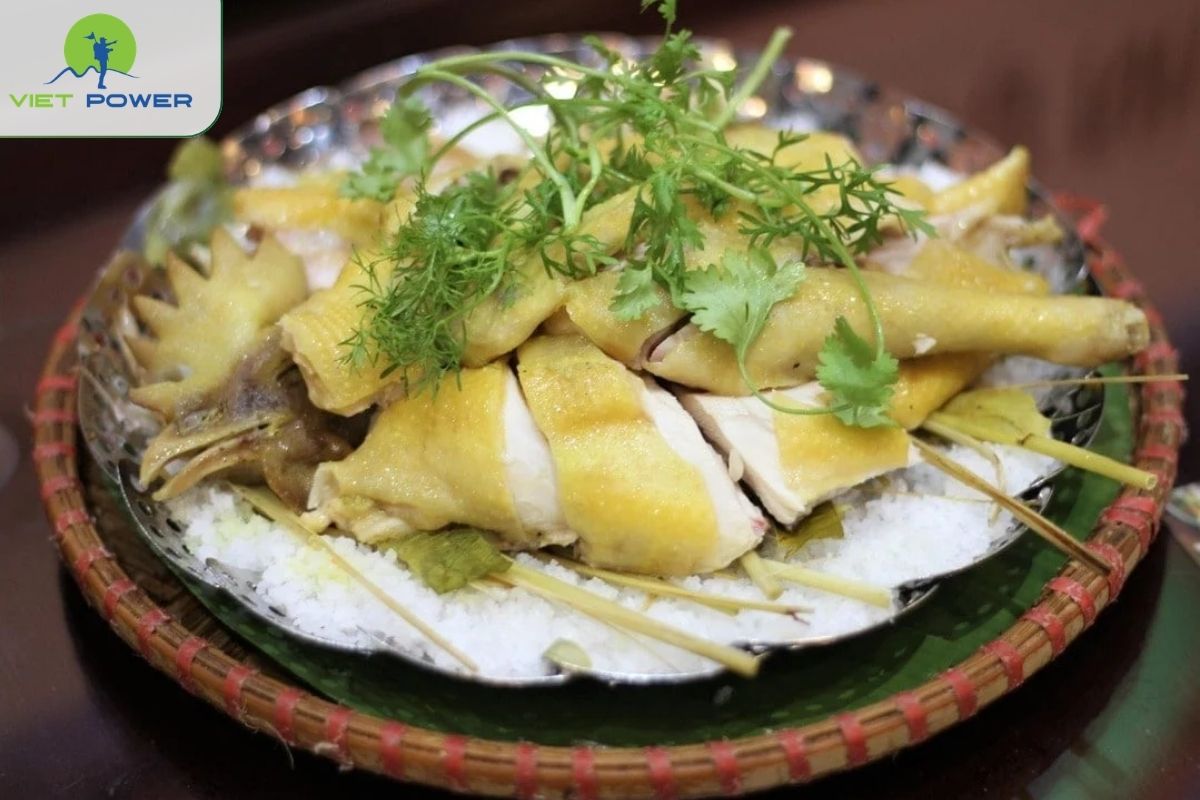
Ca say Tien Yen is a local specialty made from a duck-goose hybrid. The meat is firm, rich, and usually served boiled, roasted, or cooked with a special local sauce. It is a good option for travelers who enjoy poultry dishes and want to taste something less common than chicken.
Where to try ca say:
Price range: around 120,000 – 200,000 VND/kg
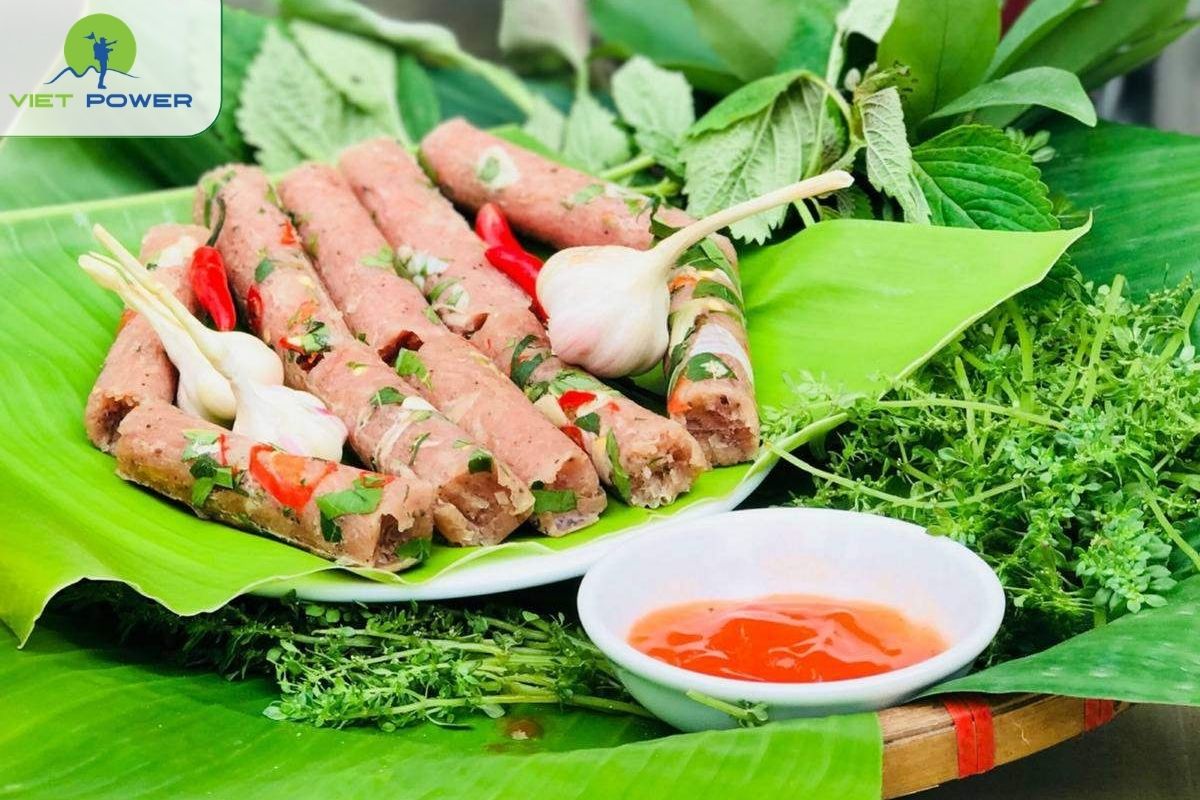
Nem chua Quang Yen is another local specialty from Quang Ninh province. It is a fermented pork dish made with pork skin, roasted rice powder, and local seasoning. The taste is lightly sour, savory, and chewy. Travelers can eat it as a snack with herbs and dipping sauce, or buy packaged nem chua as a food gift.
Where to buy or try nem chua:
Price range: around 135,000 – 250,000 VND/kg
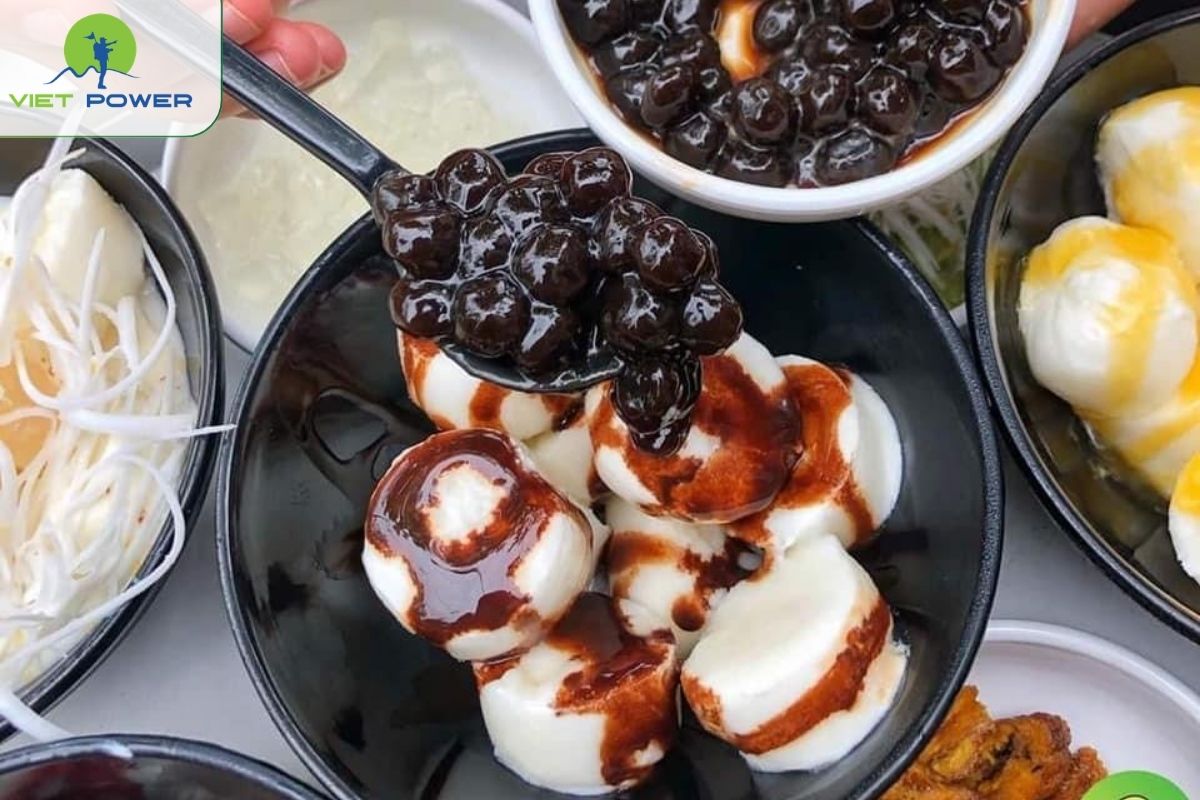
Sua chua tran chau Ha Long is a popular dessert that many travelers try after a seafood meal or while walking around Bai Chay. The dish combines cold, creamy yogurt with warm chewy coconut pearls. This hot-and-cold contrast makes it refreshing, fun, and easy to enjoy in any season.
A serving can also include toppings such as aloe vera, jelly, dried coconut, or fruit. It is light enough for an evening snack, but still feels special because the warm pearls and coconut milk give it a rich finish.
Where to try:
Price range: around 10,000 – 50,000 VND/cup
Continue exploring similar posts to learn more about Vietnam’s diverse flavors and food culture:
For travelers asking where to eat in Ha Long, the best areas are Bai Chay, Hon Gai, Cai Dam Market, and Ha Long Night Market. Each place fits a different travel need, from easy seafood dinners to local meals and casual Ha Long Food snacks.
Bai Chay is the easiest area for tourists. It has many hotels, seafood restaurants, cafés, Sun World Ha Long, and night market access. This area works well for families, tour groups, and travelers who want clean spaces and easy transport.
Good for: seafood dinner, family dining, first-time visitors
Where to try:
Price range: around 200,000 – 600,000+ VND/person
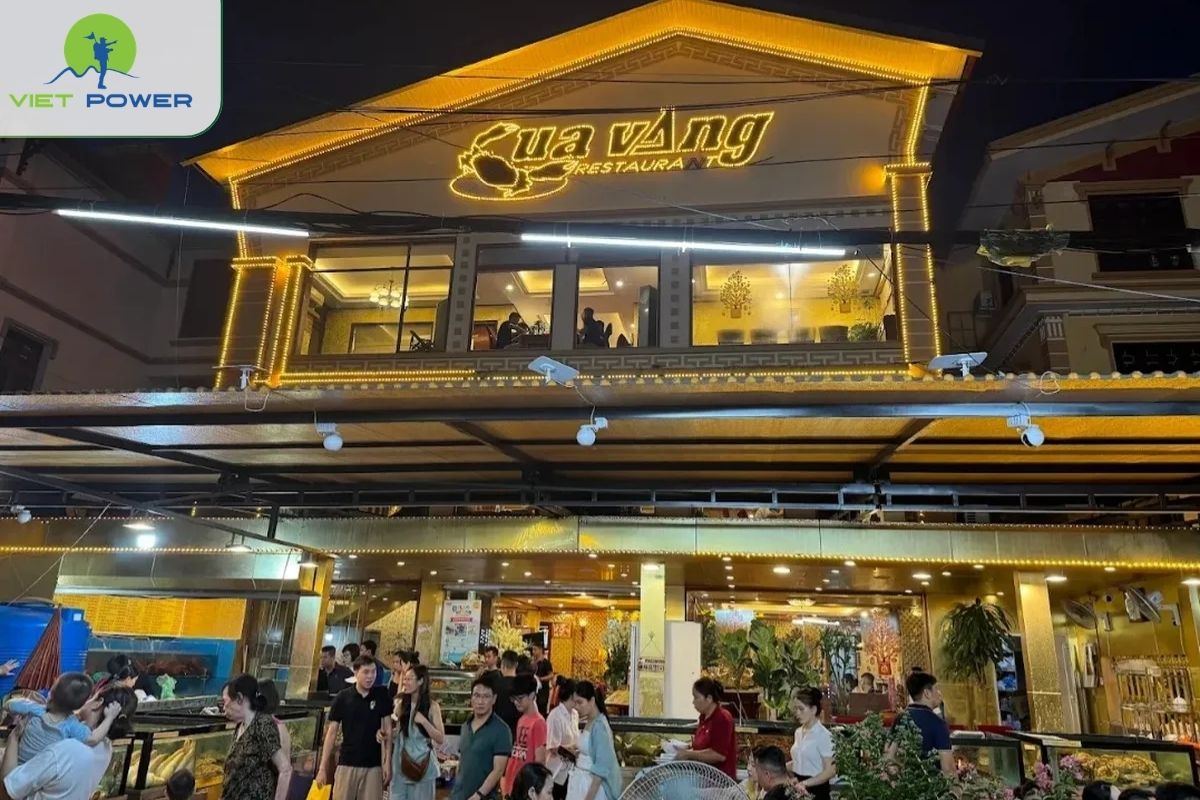
Hon Gai has a more local dining feel, with noodle shops, seafood stalls, rice meals, night food, and traditional eateries. It is a good choice for travelers who want better value and a closer look at daily local eating habits.
Good for: local food, budget meals, late-night dishes
Where to try:
Price range:
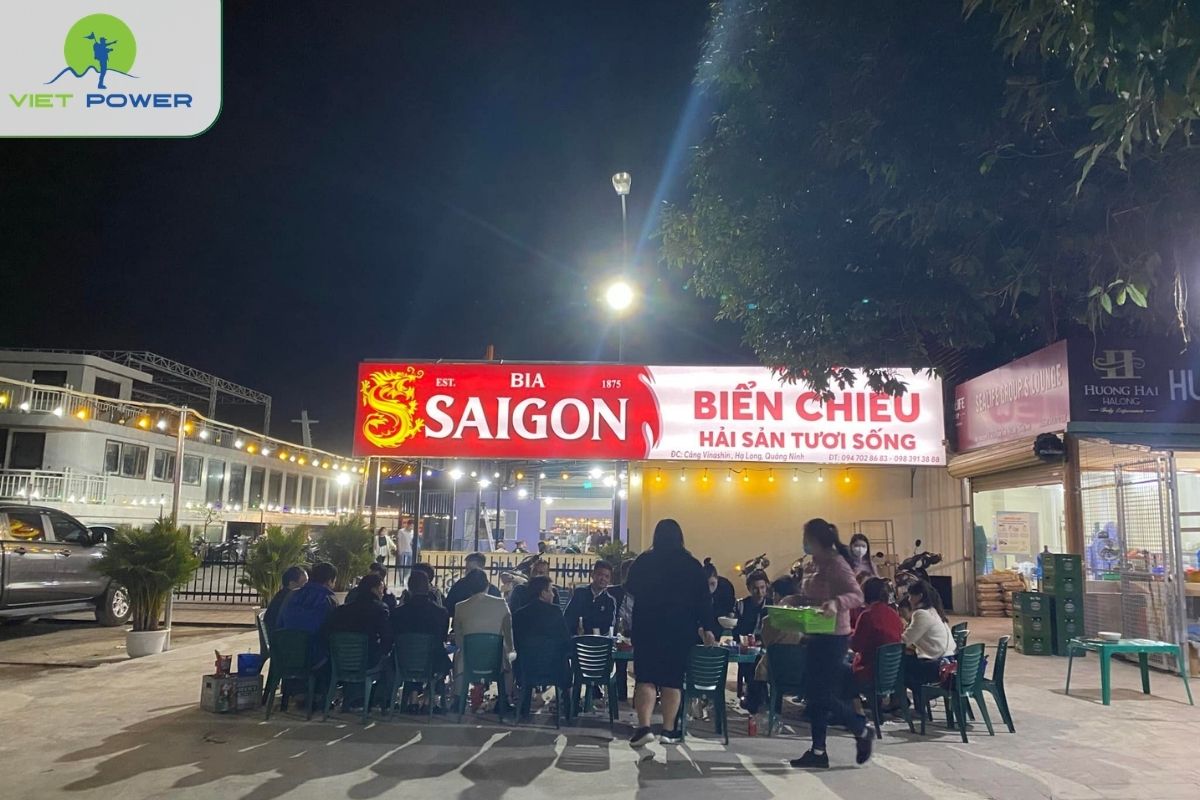
Cai Dam Market is ideal for travelers who want to choose fresh seafood directly. You can buy crab, shrimp, squid, oysters, clams, or sea snails, then ask nearby stalls to cook them for you.
Good for: fresh seafood, price control, market experience
How it works:
Price range: seafood price varies by type; cooking fee is often around 50,000 VND/turn
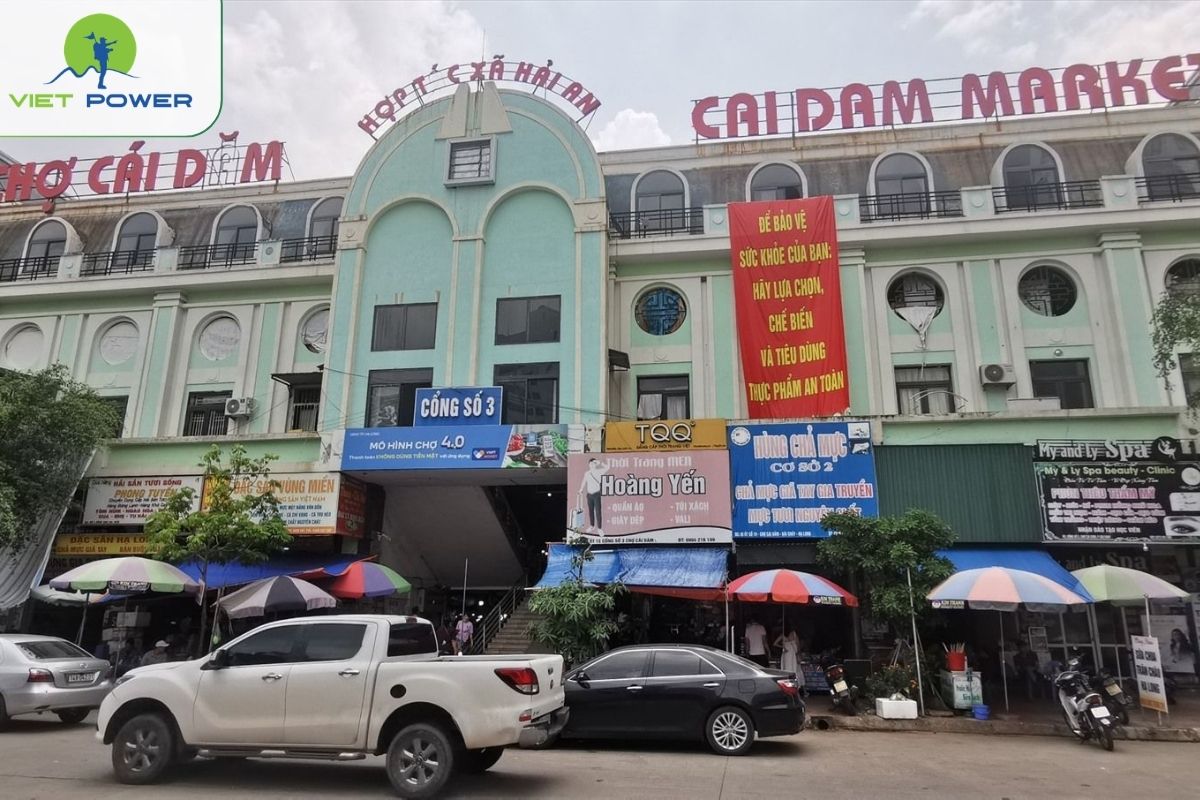
Ha Long Night Market is best for casual food, desserts, grilled snacks, and souvenirs. It is a fun evening stop after Sun World or a seafood dinner.
Good for: snacks, desserts, grilled seafood, night walk
What to try:
Price range: around 15,000 – 50,000 VND for snacks; grilled seafood may cost more depending on portion.
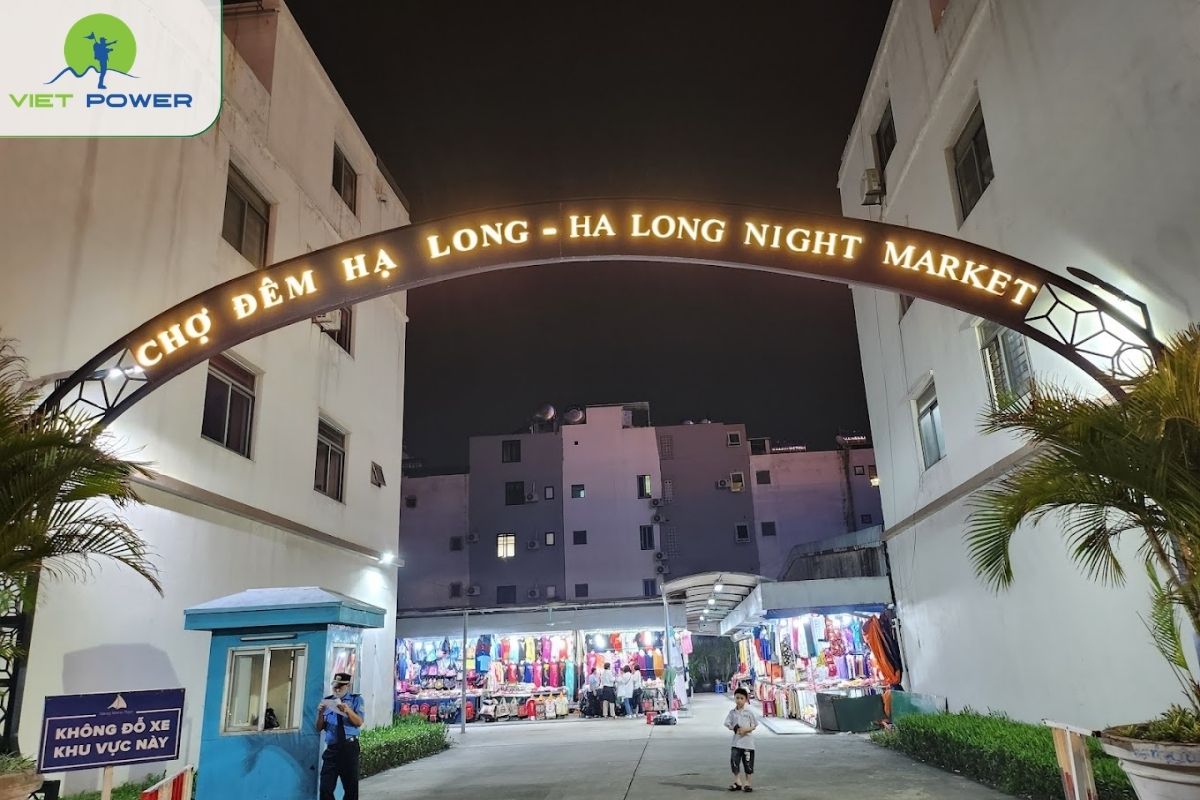
Eating seafood is a key part of the Ha Long Food experience, but prices can vary by season, seafood type, and restaurant style. To enjoy fresh meals with less risk of paying too much, travelers should check prices clearly before ordering and choose places where seafood is displayed openly.
Many live seafood dishes in Ha Long are priced by kilogram, especially crab, lobster, grouper, mantis shrimp, oysters, clams, and sea snails. Before ordering, ask price first and confirm the seafood price per kilogram, total weight, cooking fee, and preparation style.
A simple way to ask is: “How much per kilo?” and “Is the cooking fee included?” This helps travelers avoid overpaying in Ha Long, especially at busy seafood restaurants or tourist areas.
Seafood restaurants with live tanks are usually easier to trust because travelers can see the seafood before ordering. Fresh seafood should look active, clean, and clearly displayed. Crabs and shrimp should move, shellfish should look fresh, and fish tanks should be clean.
This also lets you choose the exact seafood you want instead of ordering blindly from a menu. For group meals, restaurants with live seafood tanks are useful because everyone can agree on the seafood, size, and price before cooking.
Local markets such as Cai Dam Market, Ha Long Market 1, and Ha Long Market 2 are practical options for travelers who want to choose seafood directly. You can compare prices between stalls, pick fresh crab, shrimp, squid, oysters, or sea snails, then pay a nearby stall to cook them.
Common cooking styles include steaming with lemongrass, boiling, grilling, or stir-frying. The cooking fee is often separate, so confirm it before handing over the seafood. This market-style meal is a good choice for travelers who want freshness and better control over cost.
Ha Long Night Market is better for atmosphere, quick bites, desserts, souvenirs, and casual grilled seafood. It is a good place to try grilled squid, grilled oysters, shrimp skewers, bánh gật gù, bánh cuốn chả mực, and sữa chua trân châu.
For a full seafood dinner with premium dishes such as lobster, grouper, large crab, or seafood hotpot, choose a trusted seafood restaurant instead. Night markets work best as an evening walk with snacks rather than a high-end seafood meal.
From hand-pounded cha muc Ha Long and mantis shrimp noodles to grilled oysters, sam bien, ngan, sa sung, and local desserts, Ha Long offers a rich coastal food journey for every traveler.
Let Vietpower Travel help you plan a smooth and memorable trip to Ha Long, where sightseeing, culture, and Ha Long Food come together in one unforgettable Vietnam travel experience
Please kindly send us your ideas about the tours: destinations, attractions, your group, hotel class... we will get back to you with details & best offers quickly. Surely, you will feel satisfactory!
 |
 |
 |
 |
 |
 |

.jpg) Customize Your Trip
Customize Your Trip
 Vietnam
 Thailand
 Laos
Laos Indonesia
 Cambodia
 Myanmar
 Indochina Tours