What to eat in Sapa in cold misty weather is a practical question for travelers who want warm, flavorful, and authentic mountain meals. From salmon hotpot, sturgeon hotpot, grilled mountain meats, black chicken, bamboo rice, to fresh mountain vegetables, each dish reflects Sapa’s cold highland climate and ethnic minority cooking culture.
With Vietpower Travel, travelers can explore Sapa through well-planned Vietnam Tours that connect local food stops with trekking routes, village visits, night market experiences, and cultural activities. This helps every meal become part of the journey, from a hot dinner in Sapa town to a simple local dish after trekking.
If you are wondering What to eat in Sapa in cold misty weather, hotpot and grilled dishes should be your first choice. These famous dishes in Sapa bring together fresh cold-water fish, charcoal-grilled mountain meats, local herbs, and warm broths that suit the chilly highland climate.
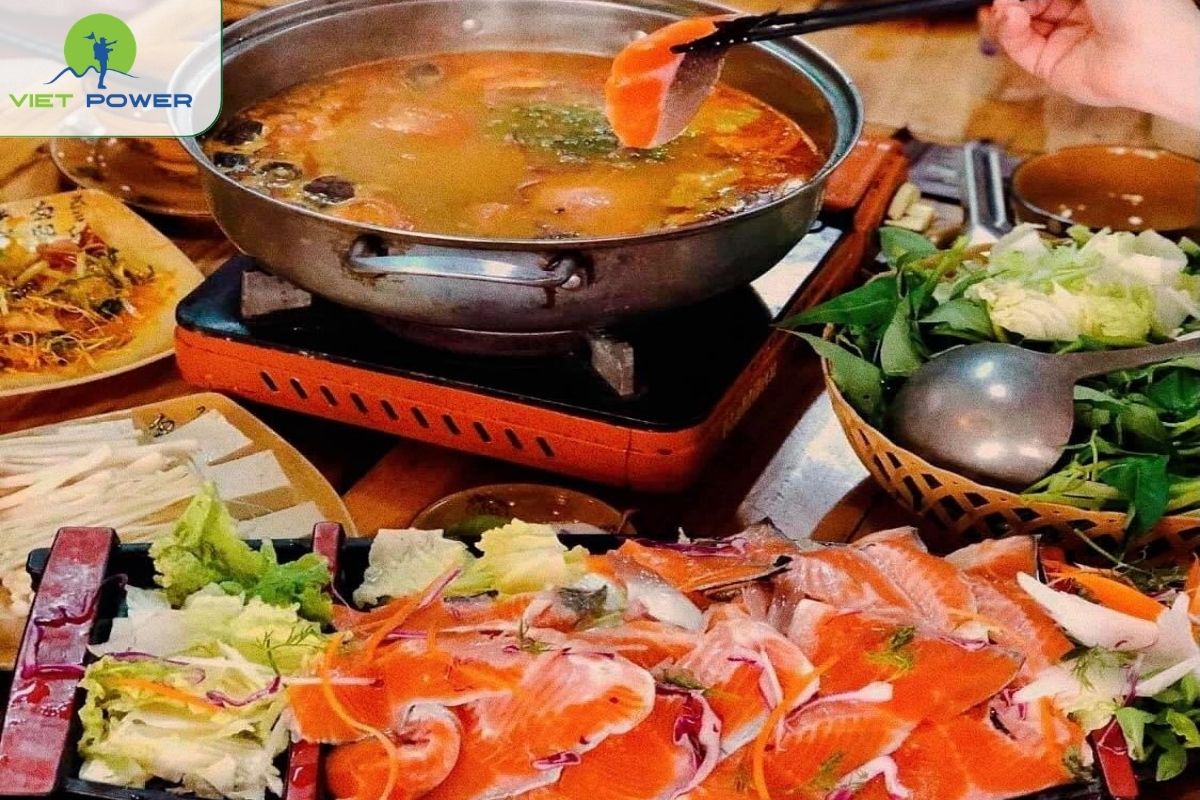
Salmon hotpot and sturgeon hotpot are among the best Sapa specialties for a cold dinner. The fish is fresh, firm, and usually cooked in a sour-spicy broth with tomatoes, pineapple, ginger, chili, mushrooms, cải mèo, su su shoots, and wild herbs. These herbal hotpot dishes are ideal for couples, families, or small groups after a day exploring Fansipan, Cat Cat Village, or Muong Hoa Valley.
|
|
|
|
|
|
|
|
|
|
|
|
|
|
|
|
|
|
|
|
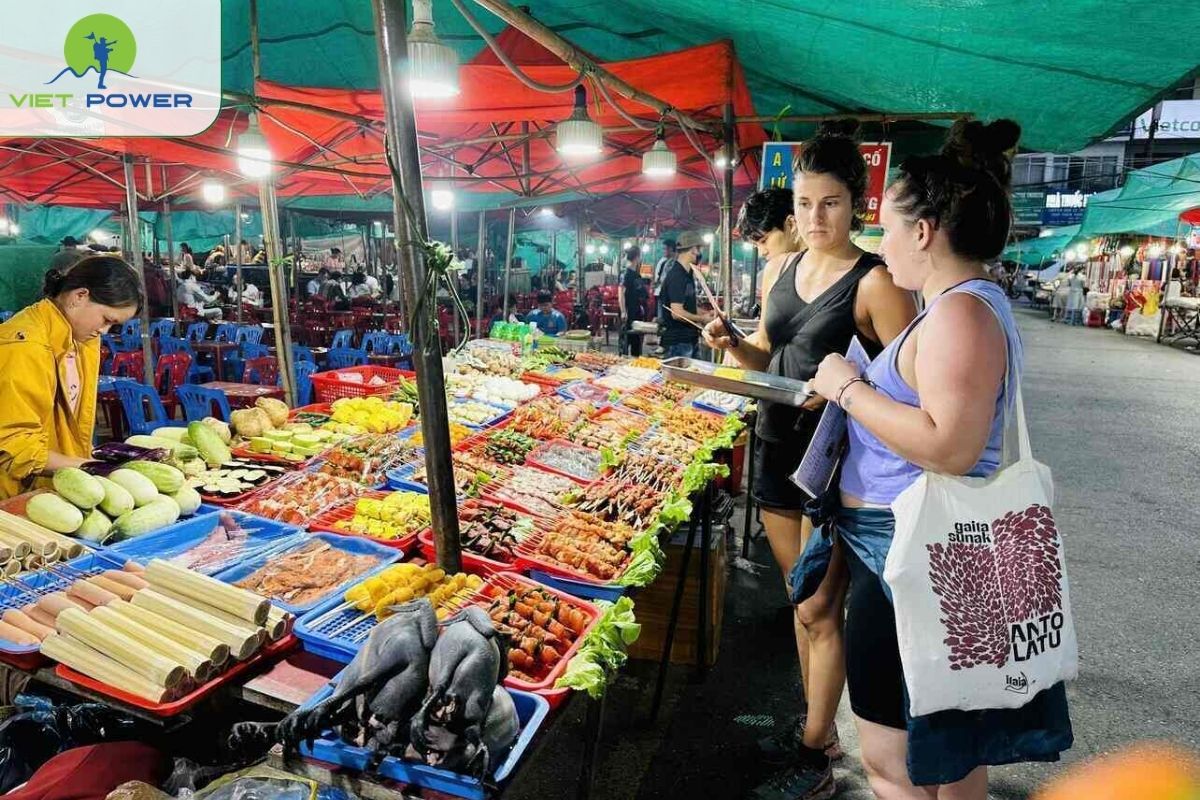
Grilled food is perfect for Sapa’s cold nights. Around the night market, Cầu Mây Street, Stone Church area, and local restaurants, travelers can enjoy grilled mountain meats cooked over charcoal. The smoky flavor, local spices, and warm street-food atmosphere make these dishes easy to love.
|
|
|
|
|
|
|
|
|
|
| Lon Cap Nach |
|
|
|
|
|
|
|
|
|
|
|
|
|
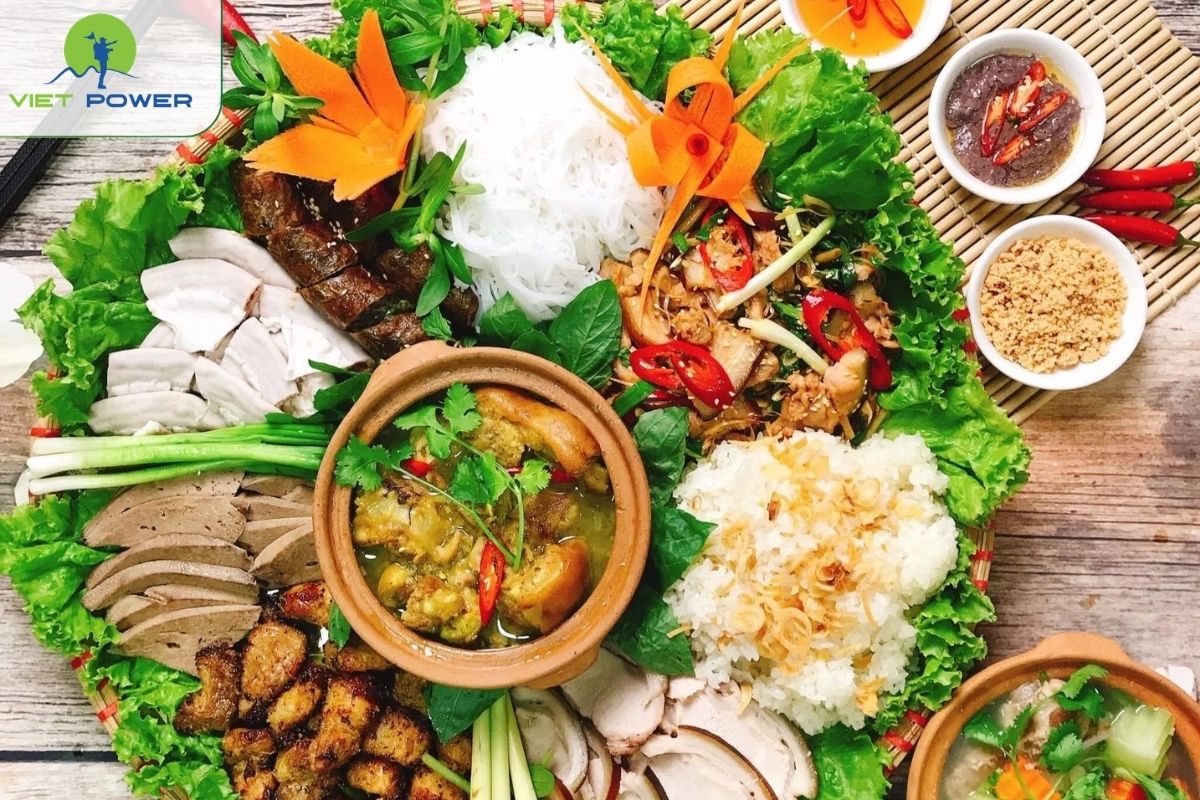
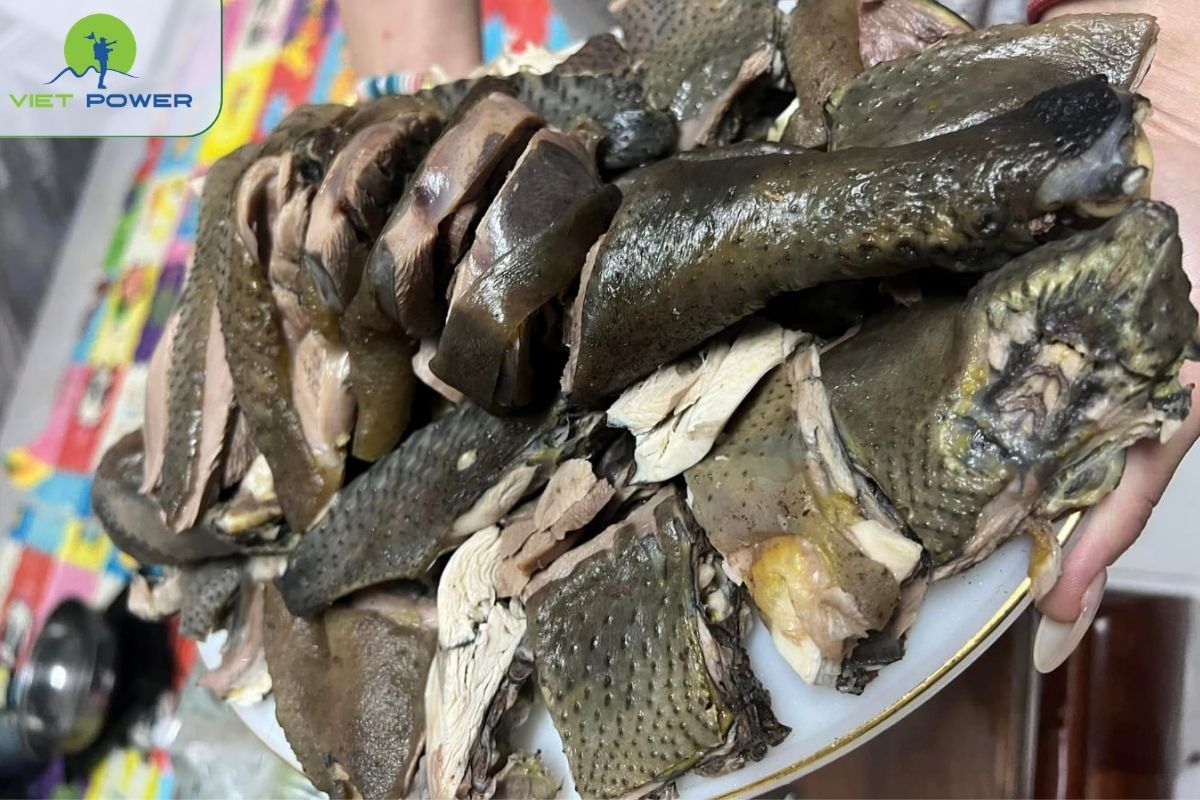
Black chicken, or gà đen / H’Mong black chicken, is one of the famous dishes in Sapa. The meat is firm, lean, and aromatic. It can be grilled with honey and local spices, cooked in hotpot, or served with herbs and fresh mountain vegetables. For travelers who want a warm local meal without a strong smell, black chicken is a safe and flavorful choice.
|
|
|
|
|
|
|
|
|
|
|
|
|
|
|
|
|
|
|
|
Explore more posts within this topic and uncover even more of what makes Vietnamese cuisine so captivating. Head to our Vietnam food & cuisine category for food guides, cultural stories, and must-try dishes.
If you are deciding What to eat in Sapa beyond hotpot and grilled food, traditional ethnic dishes offer a deeper look into local culture. Many Sapa traditional dishes come from H’Mong, Tay, Nung, Dao, Giay, and Thai communities. These dishes use mountain herbs, corn, sticky rice, bamboo tubes, natural plant colors, and local cooking methods shaped by highland life.
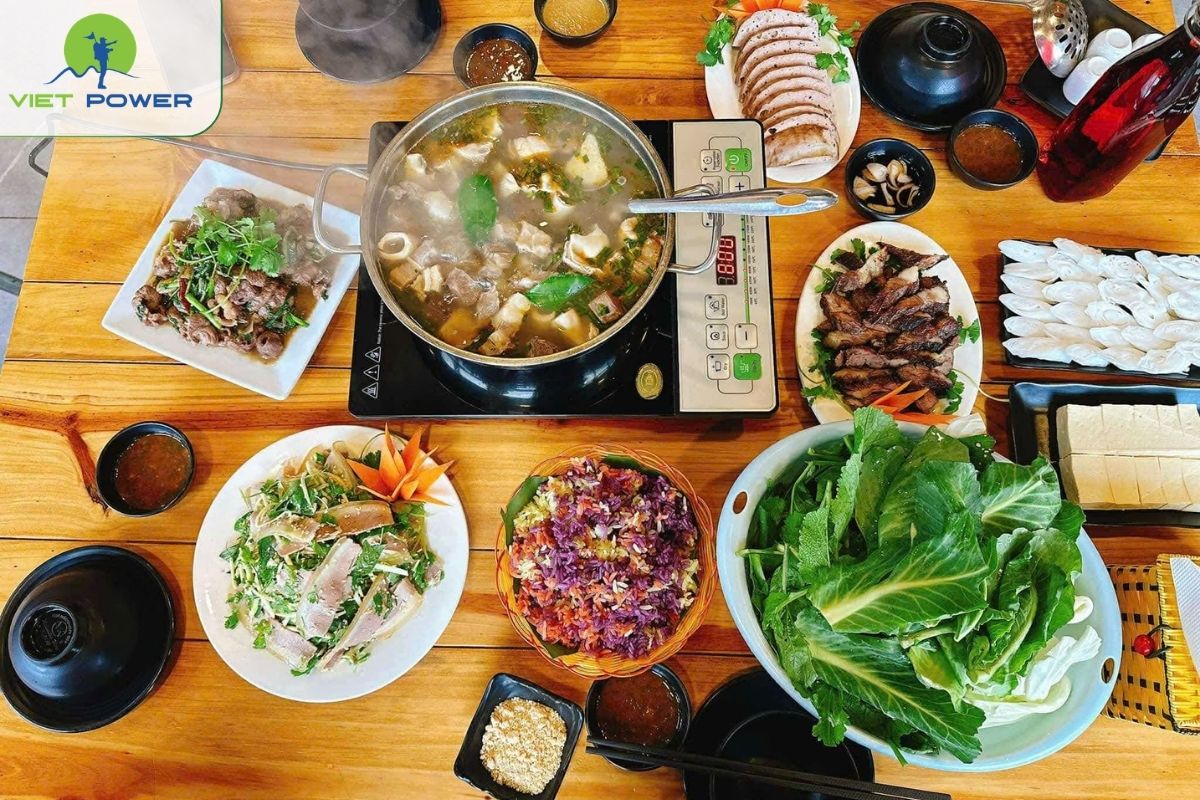
Thang Co is one of the boldest examples of ethnic minority cooking in Sapa. This traditional H’Mong stew is usually made with meat, bones, offal, and mountain herbs, then cooked slowly into a rich hotpot-style dish. Its flavor is herbal, fatty, and strong, with an aroma that may surprise first-time visitors.
For adventurous eaters, Thang Co gives a clear taste of H’Mong food culture. Travelers who are sensitive to offal or strong aromas should try a small portion first. Some restaurants now serve softer versions made with beef, buffalo, or pork, which are easier for visitors to enjoy.
|
|
|
|
|
|
|
|
|
|
|
|
|
|
|
Traveler note: Thang Co suits curious travelers who want a stronger local food experience. It is often served with herbs, vegetables, and a small cup of corn wine. Drink local alcohol in moderation.
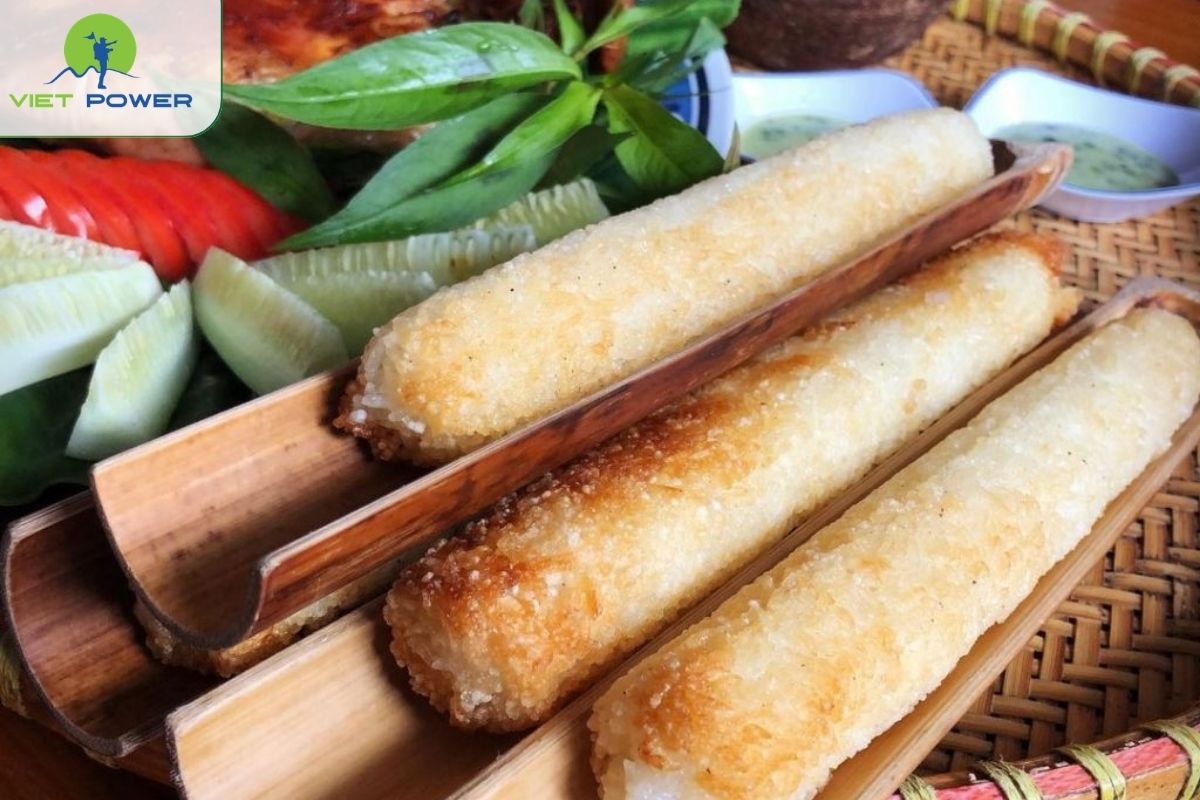
Bamboo rice is one of the easiest Sapa local food dishes for first-time visitors. Sticky rice is placed inside a bamboo tube and cooked over fire, giving it a soft texture and a light smoky aroma. It is often served with sesame salt, grilled pork, black chicken, or mountain vegetables.
Steamed cornmeal is a traditional H’Mong staple made from ground corn. It is simple, warm, filling, and rich in energy, which suits Sapa’s cold weather and mountain lifestyle. Local people often eat it with soup, Thang Co, or other savory dishes.
|
|
|
|
|
|
|
|
|
|
|
|
|
|
|
|
|
|
|
|
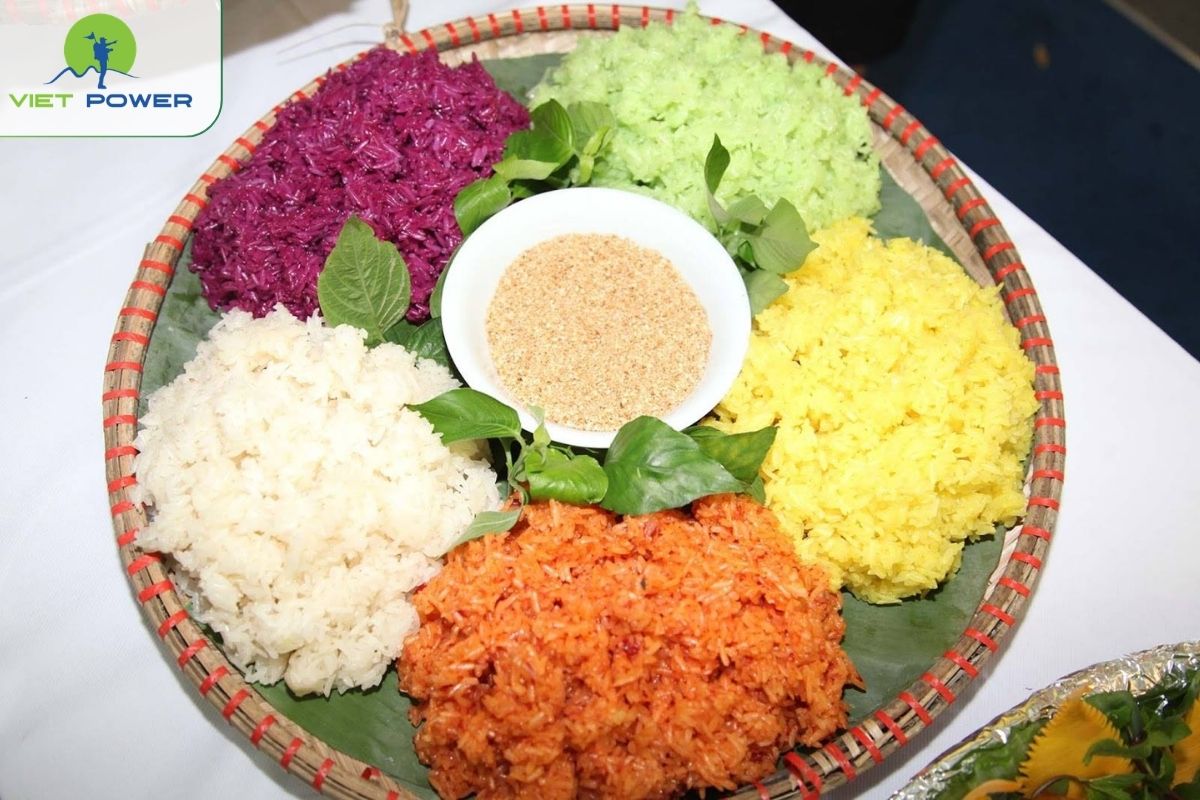
Five-color sticky rice, also known as seven-color sticky rice in some local versions, is made with natural leaves, roots, and plants. Its bright colors often come from turmeric, gac fruit, magenta plant leaves, and other local ingredients. The dish is linked to ethnic festivals, family gatherings, and cultural identity.
This dish has a gentle taste and a beautiful appearance, making it suitable for travelers who prefer mild flavors. It can be eaten alone, with sesame salt, or with grilled meat.
|
|
|
|
|
|
|
|
|
|
|
|
|
|
|
|
|
|
|
|
Discover more posts on the same topic to deepen your culinary inspiration:
Visitors wondering What to eat in Sapa can find most local dishes around Sapa town center, Cau May Street, Xuan Vien Street, the Stone Church area, and Sapa Night Market. These areas offer hotpot, traditional highland dishes, street snacks, and warm local breakfasts, making them easy stops for a full Sapa Food experience.
For cold evenings, try salmon hotpot or sturgeon hotpot at Ca Hoi Vua, Song Nhi, Viet Deli, Hotpot Center, or local hotpot restaurants. These dishes usually come with sour-spicy broth, mushrooms, wild herbs, su su shoots, and fresh mountain vegetables.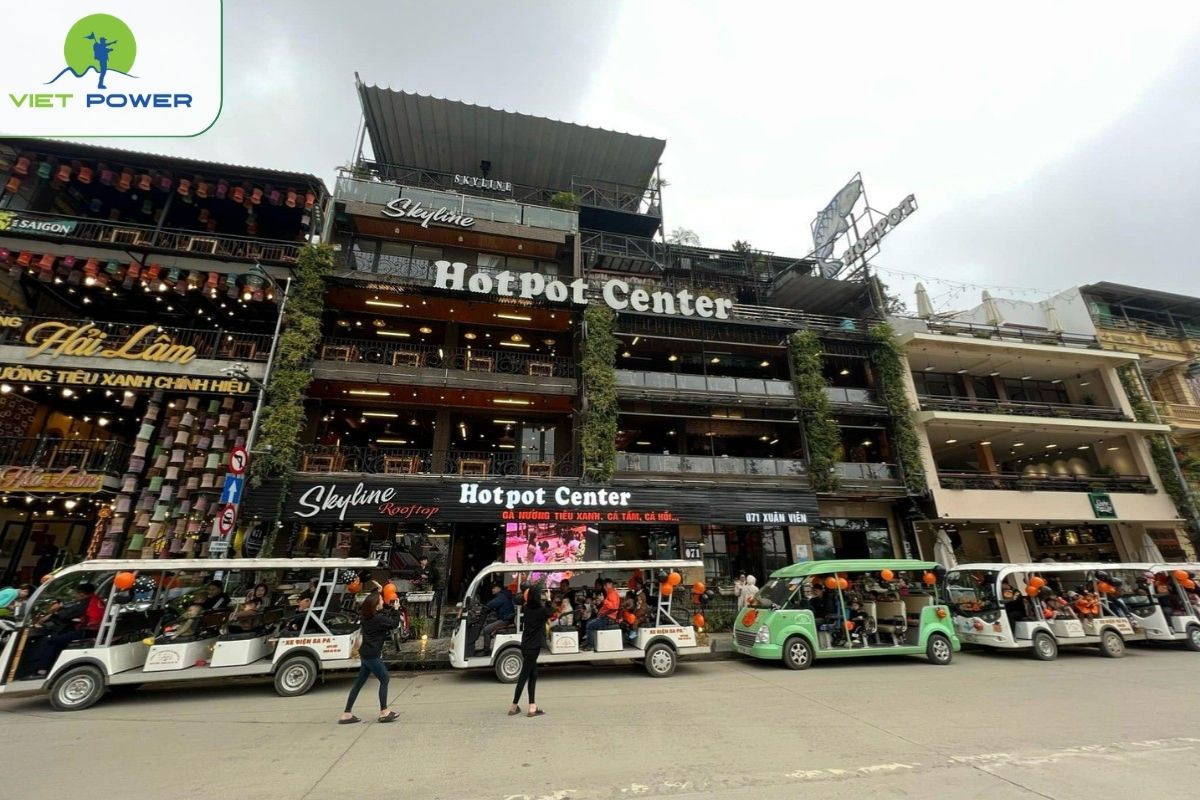
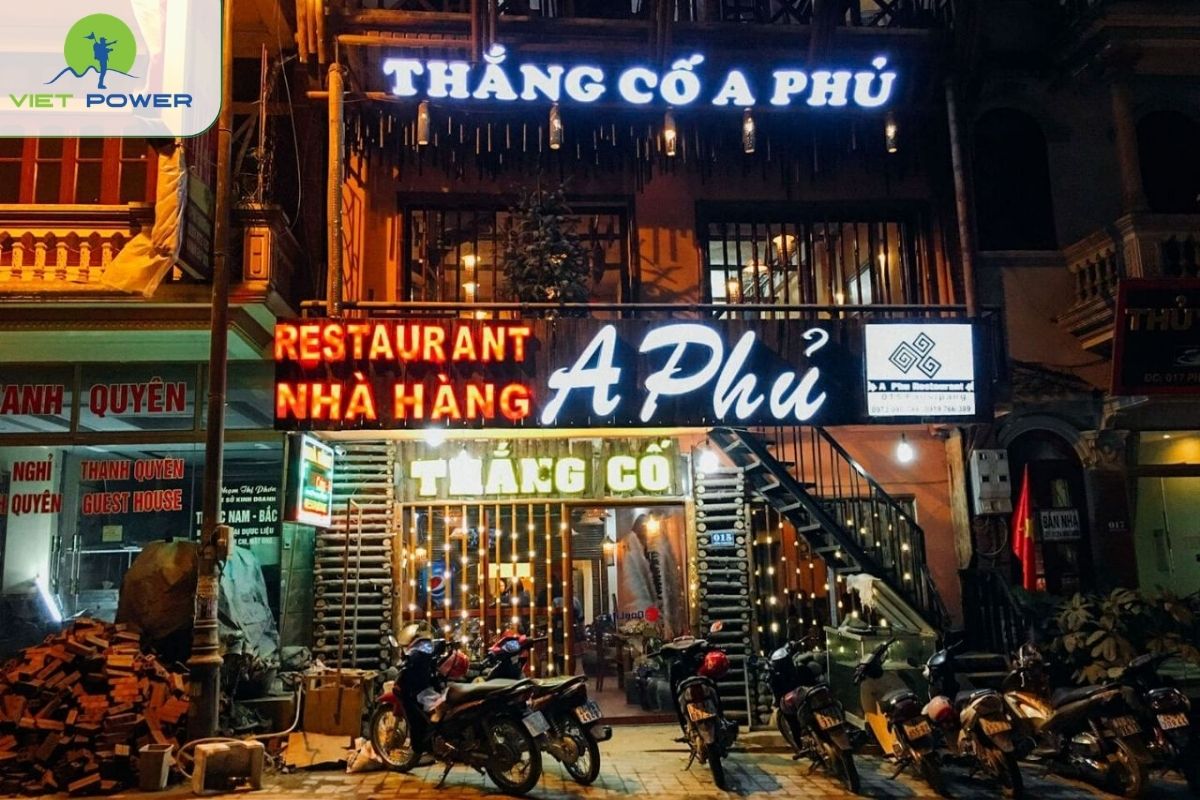
For highland specialties, visit A Phu, A Quynh, Red Dzao House, or local restaurants near the town center. Good dishes to try include Thang Co, small mountain pork, black chicken, bamboo rice, smoked buffalo meat, and grilled meats.
Sapa Night Market, the Stone Church area, and Cau May Street are good places for grilled skewers, roasted chestnuts, chestnut cakes, grilled corn, sweet potatoes, and warm tea. Choose busy stalls where food is cooked fresh and ask prices before ordering.
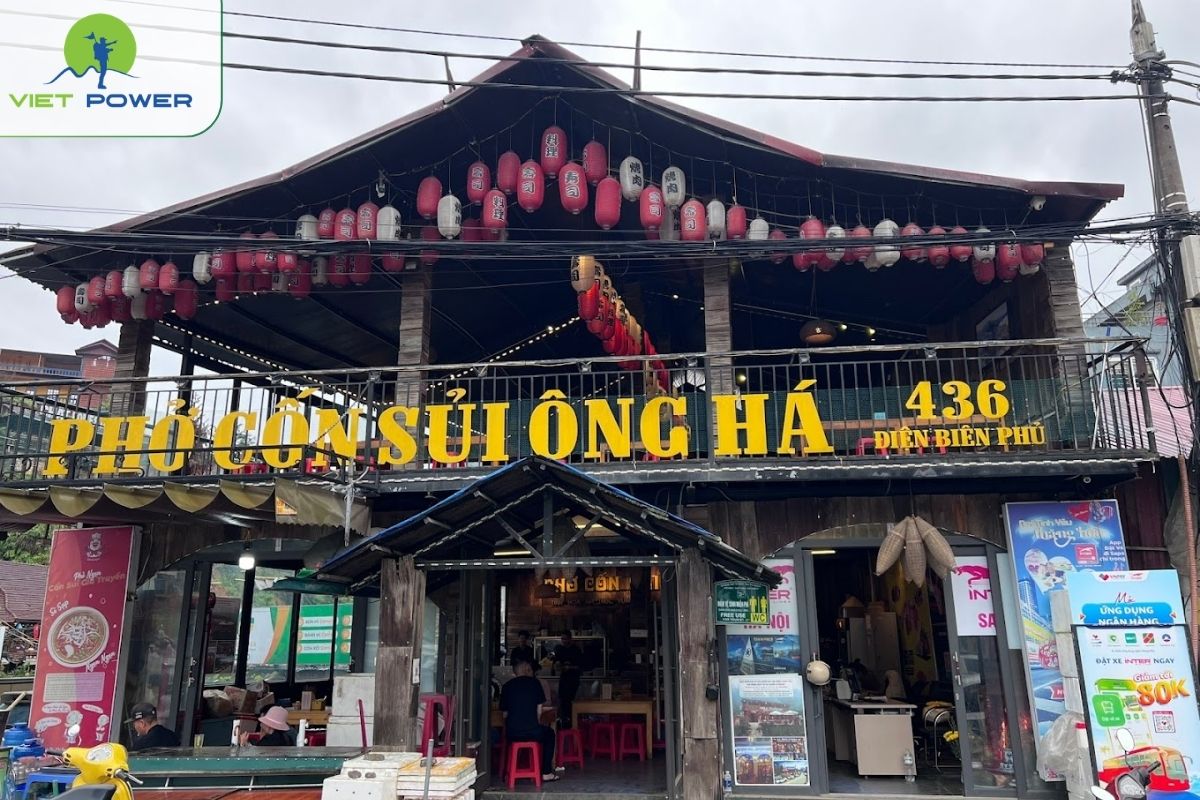
For breakfast, try dry-style noodles, noodle soup, five-color sticky rice, bamboo rice, or fried rice. Con Sui Ong Ha is a known spot for dry-style noodles, while local markets and small eateries are good for simple warm meals before sightseeing or trekking.
Continue exploring similar posts to learn more about Vietnam’s diverse flavors and food culture:
After visiting Fansipan, Cat Cat, Lao Chai, Ta Van, or mountain villages, travelers usually need warm and filling food. Good choices include rice dishes, grilled meat, hotpot, black chicken, vegetables, and warm drinks.
Filling Meals After a Long Walk
Bamboo rice is easy to eat and pairs well with grilled pork, black chicken, or sesame salt. Fried rice is also a quick energy meal at homestays or local restaurants. For dinner, salmon hotpot or sturgeon hotpot is ideal for groups because the warm broth, fish, mushrooms, and herbs help restore energy after a long day.
Fresh Mountain Vegetables for Balance
Fresh mountain vegetables such as su su shoots, local greens, mushrooms, bamboo shoots, and wild herbs are often stir-fried, boiled, or added to hotpot. They balance rich grilled meats and make the meal feel lighter.
Quick Energy Snacks
For a small bite, try corn cakes, sticky rice cakes, roasted chestnuts, chestnut cakes, or warm tea. These snacks are easy to find at markets and street stalls, especially in the evening.
Knowing What to eat in Sapa helps travelers choose meals that match the cold mountain weather, local culture, and trekking schedule. For first-time visitors, these tips make the food experience easier and more enjoyable.
Sapa cuisine is best enjoyed slowly, especially when the town is covered in fog and cool mountain air. Whether you try hotpot, grilled skewers, Thang Co, bamboo rice, or roasted chestnuts, each flavor adds depth to your travel experience.
Plan your Sapa journey with Vietpower Travel to enjoy scenic landscapes, local culture, and authentic Sapa Food in a smoother, more memorable way. Contact Vietpower Travel today and get ready for a warm, flavorful trip to Sapa
Please kindly send us your ideas about the tours: destinations, attractions, your group, hotel class... we will get back to you with details & best offers quickly. Surely, you will feel satisfactory!
 |
 |
 |
 |
 |
 |

.jpg) Customize Your Trip
Customize Your Trip
 Vietnam
 Thailand
 Laos
Laos Indonesia
 Cambodia
 Myanmar
 Indochina Tours