Exploring Son Doong Cave Vietnam is one of the most extraordinary adventures on Earth. This massive underground world challenges imagination with its towering chambers, ancient formations, and its own subterranean jungle. For travelers seeking a once in a lifetime journey, visiting Son Doong is a dream. Vietpower Travel offers tailored programs that help travelers understand the area and prepare for the challenging yet unforgettable expedition.
Son Doong Cave lies in the heart of Phong Nha - Ke Bang National Park in Quang Binh. This UNESCO World Heritage Site is famous for its limestone mountains, dense forests, and extensive cave systems.
Son Doong lies far inside the forest, where the vegetation grows thick and untouched. Huge trees, vines, and dense foliage surround the area. They cover the entrance so well that most people walk past it without realizing what lies below.
Reaching Son Doong Cave Vietnam requires real effort. Visitors must trek through remote valleys and climb over rocky terrain. They also cross rivers that flow quickly during the rainy season.
These challenges create an adventurous approach, yet they also protect the cave from damage. Over many centuries, this isolation kept Son Doong completely hidden from the outside world.
As travelers move closer to the cave, the environment becomes even wilder. The forest grows darker, the air becomes cooler, and the sound of the river grows louder.
These natural elements build excitement and prepare visitors for the moment they finally step into the entrance of the world’s largest cave.
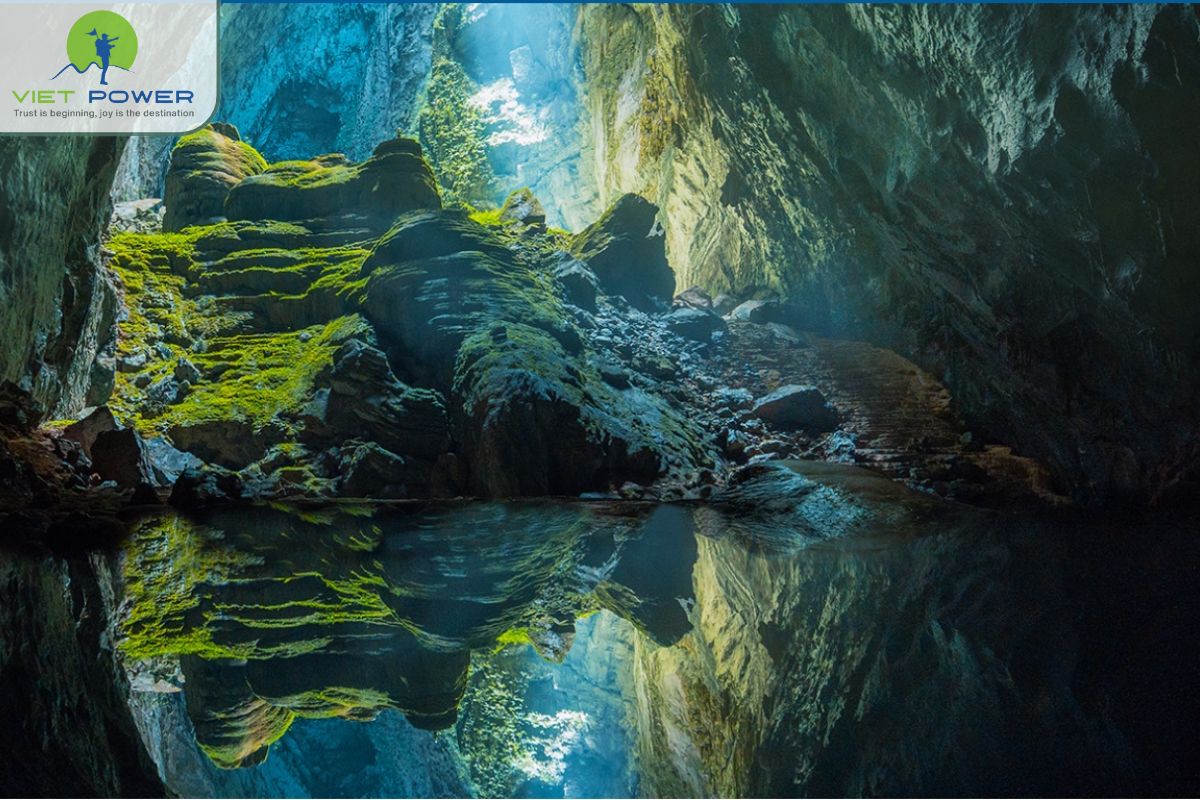
The formation of Son Doong Cave Vietnam began millions of years ago. Geologists estimate that the caves started to form between two and five million years in the past.
During this time, the Rao Thuong River flowed through the limestone mountains. The strong current slowly dissolved the rock and carved enormous underground tunnels.
As the river shaped the cave, the ceiling in some places grew thin. Eventually, large sections collapsed and created openings called dolines. Sunlight poured through these openings and reached the cave floor.
Over thousands of years, plants began to grow in these bright areas. Today, these collapsed ceilings support rare underground jungles that make Son Doong unlike any other cave on Earth.
The geological process did not stop there. Water continues to move through the cave. It shapes new formations, cuts deeper channels, and maintains the cave’s natural beauty. This ongoing activity creates a living environment that changes slowly but steadily over time.
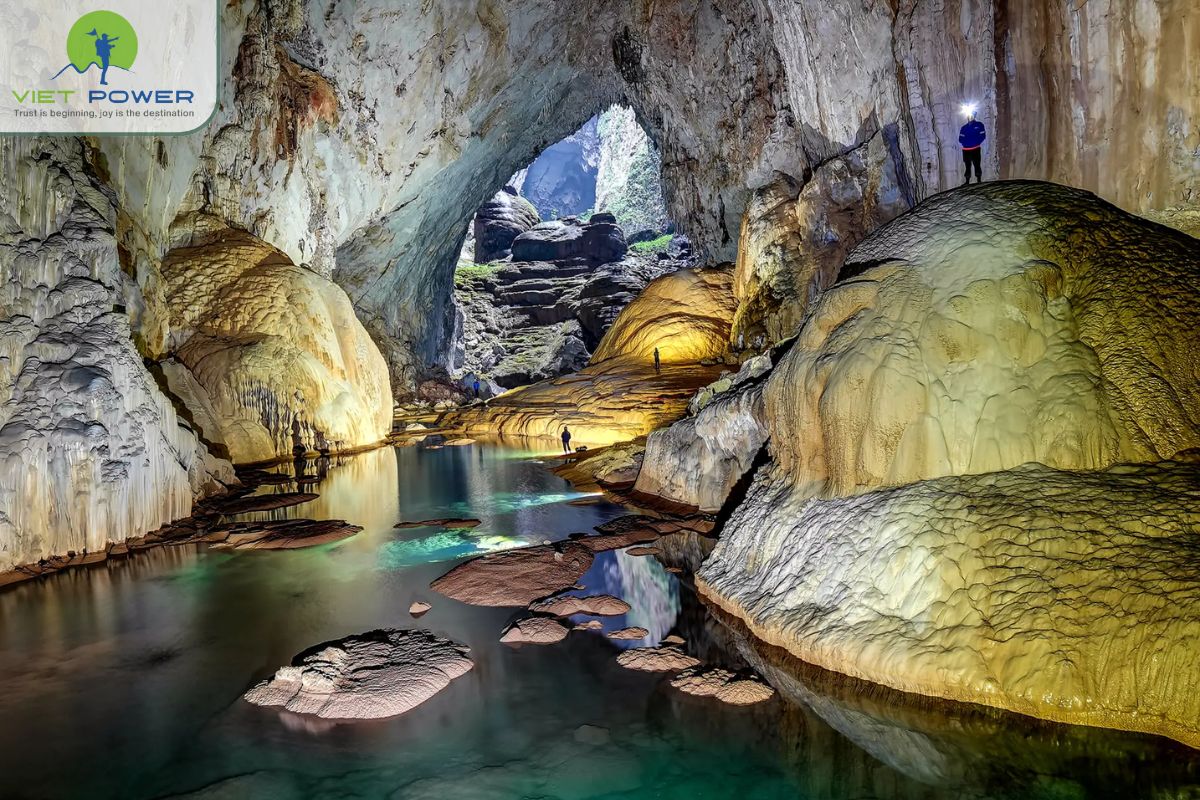
Son Doong is more than a cave. It is a complete ecosystem with geological and biological features that exist nowhere else in the world.
Rare Ecosystems: The internal jungle, underground river, and unique climate patterns make Son Doong a living scientific laboratory.
International Recognition: National Geographic, Google Arts & Culture, and geologists worldwide highlight Son Doong as one of Earth’s greatest natural discoveries.
Its chambers are so massive that some say a 40-floor building could fit inside collapsed, allowing sunlight to enter and creating rare jungle ecosystems inside.
.jpg)
Continue exploring similar posts to learn more about Vietnam’s natural wonders. Our Vietnam nature category is filled with ideas and inspiration for your next adventure in the great outdoors.
Why is Son Doong famous? It is famous for being the world’s largest cave by volume and for having a unique internal jungle ecosystem. This section explores what makes the inside of Son Doong so remarkable. Every chamber reveals unique sights rarely found elsewhere.
Inside Son Doong, visitors can see some of the world’s largest underground spaces. Certain passages stretch up to 200 - 243 meters high and around 150 meters wide.
The most iconic formations include giant stalagmites such as the “Hand of the Dog,” which stands among the tallest known.
The cave’s scale creates unusual air patterns. Strong winds occur near narrow passages, while mist forms above the underground river.
The “Great Wall of Vietnam”: Inside Son Doong stands a 90-meter limestone wall known to explorers as the “Great Wall of Vietnam.”
Scaling this slippery and towering formation was one of the most challenging parts of the early expeditions. The first team used ropes, anchors, and days of effort to find a safe route over it.
Bigger Than Many Skyscrapers: Some chambers are so large they could fit a 40-floor skyscraper. One chamber rivals the size of an entire New York City block.
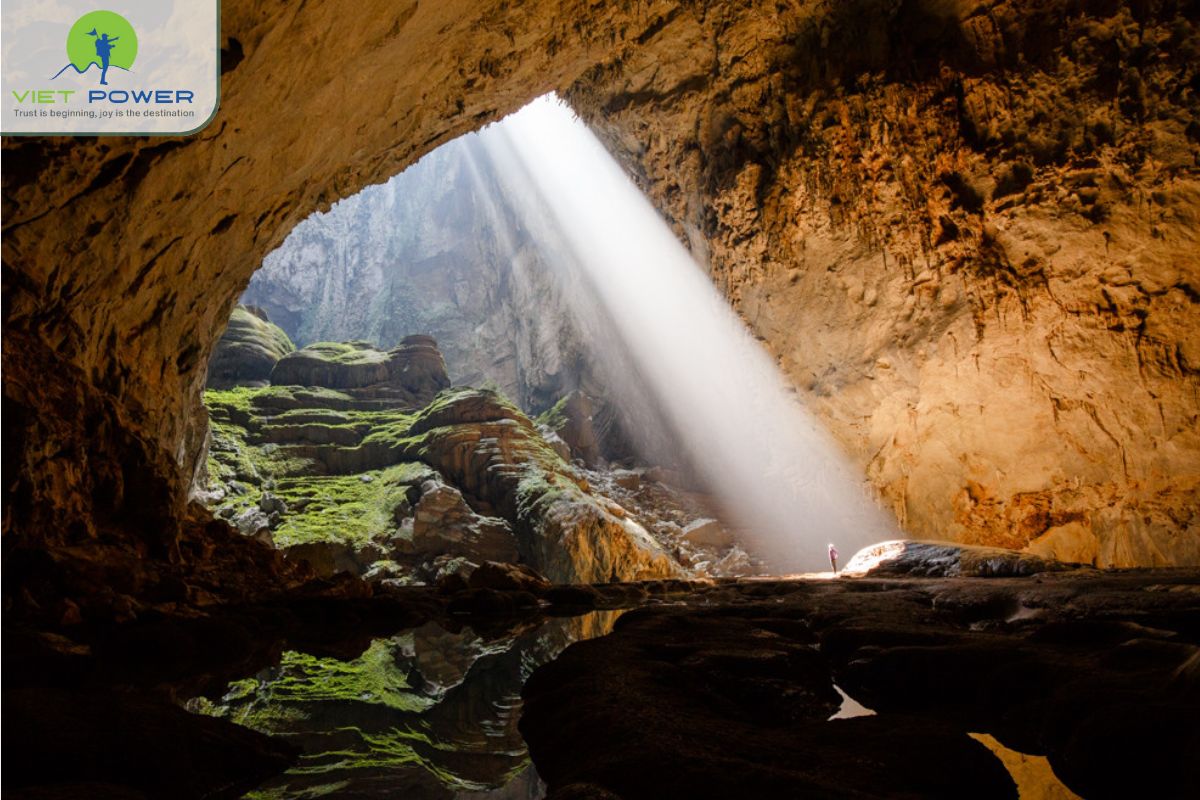
Two large dolines or collapsed ceilings allow sunlight to penetrate deep into the cave. This natural light supports a thriving underground jungle with plants, trees, and unique microclimates. In the morning, mist drifts across the forest, creating breathtaking scenes.
A River Runs Through It: The underground river inside Son Doong is so strong that explorers once mistook its roar for a distant waterfall. This river continues carving the cave even today, slowly reshaping passageways and deepening chambers.
Did you know?
Unique Weather Patterns Inside the Cave: Son Doong creates its own internal weather. Mist, clouds, and light rain can form inside the giant chambers due to temperature differences.
A Jungle Growing Underground: Scientists believe Son Doong’s forest developed after the cave roof collapsed thousands of years ago. With sunlight entering through the opening, seeds carried by birds and water began to grow into a hidden jungle.
Today, trees inside the cave reach up to 30 meters tall - almost the height of an urban building. This natural phenomenon makes Son Doong one of the only caves on Earth with a forest inside its chambers.
From breathtaking scenery to local experiences, Vietpower Travel can design a Vietnam tour that matches your travel style.
Understanding how Son Doong Cave was discovered helps visitors appreciate its mystery even more. The story combines chance, courage, and scientific exploration. It also shows how local knowledge and global research worked together to reveal one of Earth’s greatest natural wonders.
In 1990, a local man named Ho Khanh wandered through the remote jungle while searching for valuable agarwood. During this trip, he heard a deep roar that sounded like rushing wind and water. The sound came from a large opening in the cliffs. Curious, he moved closer.
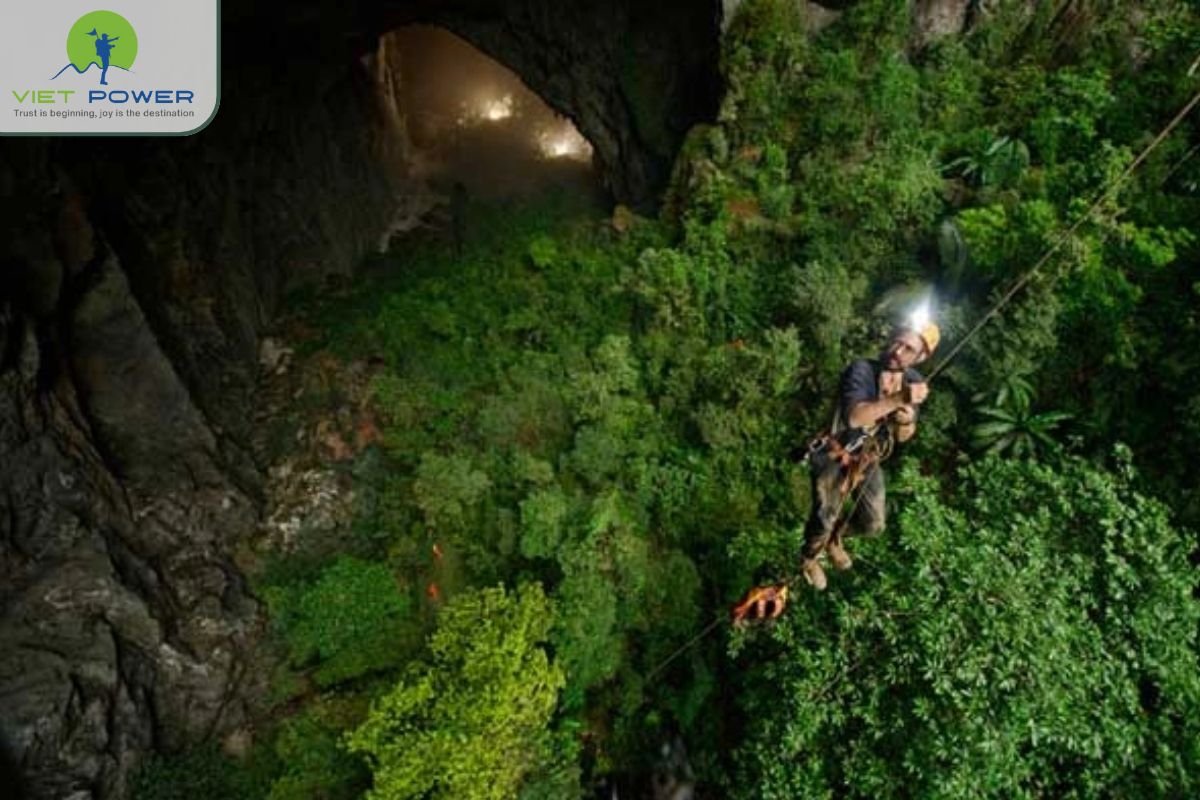
The Wind That Sounded Like Thunder: When Ho Khanh first discovered the entrance in 1990, he didn’t dare step inside. The opening roared like a jet engine. Wind blasted from the darkness with such force that leaves flew around him. Local villagers believed the area was home to a “spirit river,” and the strange sound only deepened the mystery.
After his first encounter, Ho Khanh tried several times to return to the cave but couldn’t locate the entrance. Thick forest covered the path, and heavy fog often hid the cliffs.
For many years, he searched for the entrance again, yet the jungle always concealed it. This long struggle shows how hidden Son Doong Cave Vietnam remained, even to people who lived nearby.
.jpg)
British experts from the British Cave Research Association visited Phong Nha - Ke Bang to explore unmapped areas. They met Hồ Khanh and asked for help. With years of memory and careful observation, he guided them through the forest. Eventually, he found the opening he had tried to relocate for almost two decades.
The team began their survey and soon realized the scale of the discovery. Inside the cave, they saw enormous chambers, underground rivers, and formations larger than anything previously measured.
Their research confirmed that Son Doong contained the largest cave passage in the world. The announcement shocked the scientific community and drew global attention to this remarkable region of Vietnam.
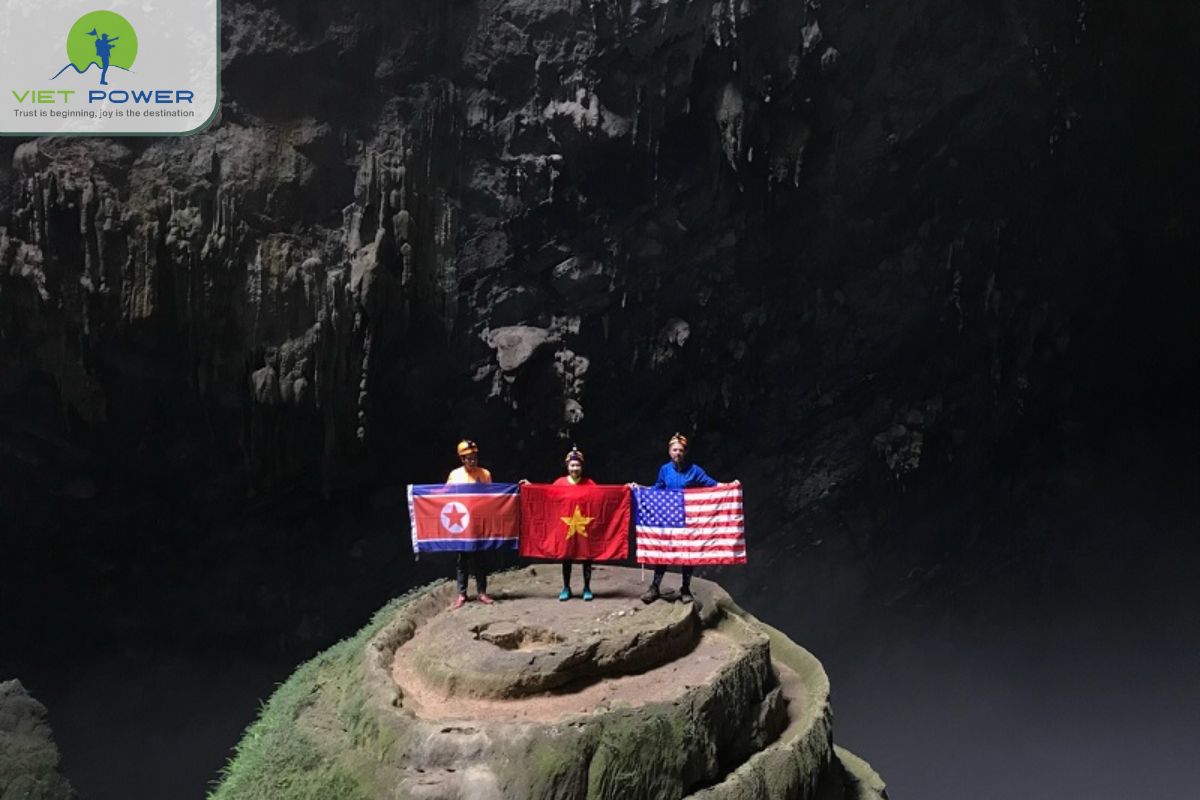
This rediscovery also sparked new conservation efforts. As more people learned about Son Doong, the importance of protecting Phong Nha - Ke Bang grew stronger. Today, controlled access ensures that the cave remains pristine for future generations.
People wonder: Whether thay can visit Son Doong Cave? Yes. However, tours are limited, require good physical fitness, and must be booked through the authorized operator. This section explains visitor access, tour requirements, and restrictions.
When is the best time to visit Son Doong? Tours run from January to August. The dry season offers safer trekking conditions. The cave closes during the rainy season due to flooding risks.
However, tour access to Son Doong remains extremely limited. Each year, only about 800 - 1,000 travelers can enter the cave. This number helps protect its fragile environment. It also reduces the impact of human activity on the jungle, river systems, and cave formations.
Oxalis Adventure operates as the only company licensed to run Son Doong expeditions. The government selected them because they follow strict safety rules and environmental standards. They train their staff regularly and work closely with park authorities. This partnership ensures that every tour respects the natural conditions inside the cave.
Booking often fills up many months in advance. Travelers should plan early, especially during the dry season from January to August. Heavy rains can cause rising river levels, which makes the cave unsafe and forces tours to pause.
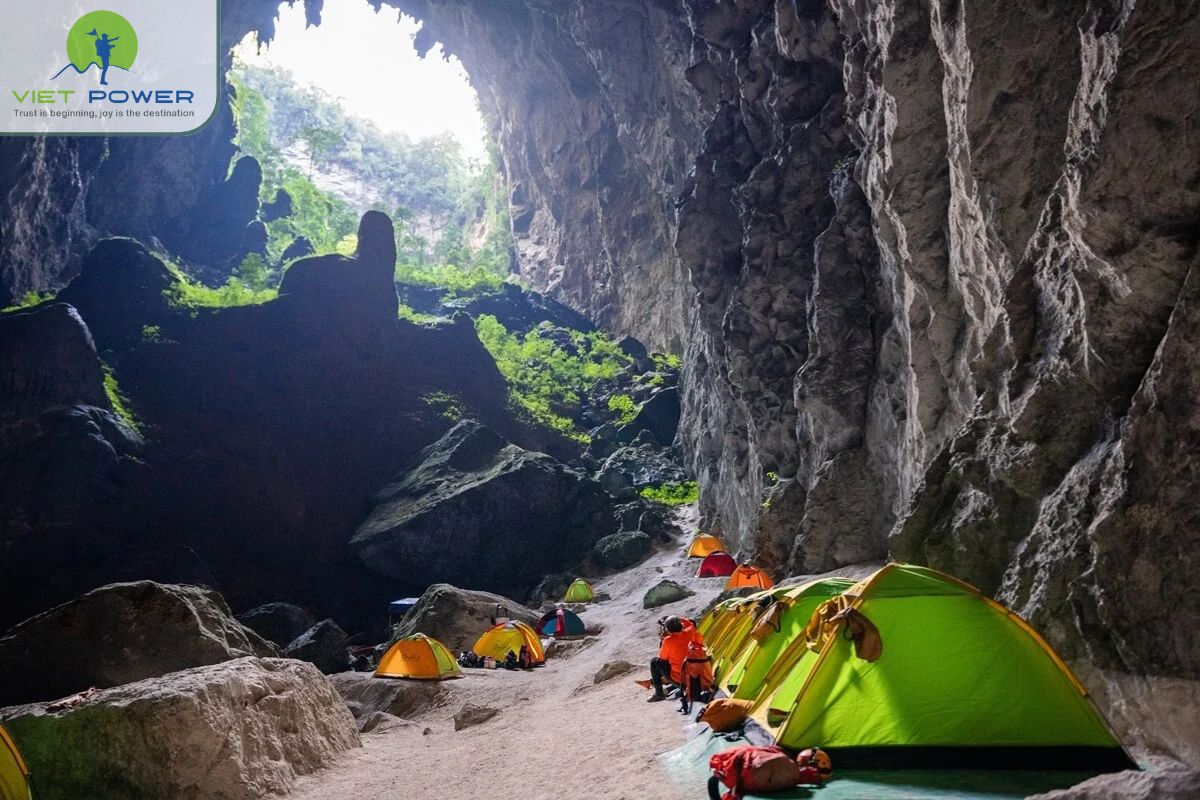
Fact: One of the Least - Visited Wonders on Earth
Due to strict visitor limits, fewer people visit Son Doong annually than climb Mount Everest
You can find more posts related to this topic in the category below:
A Son Doong expedition is not a simple walk. Visitors must trek through dense forest, climb over large boulders, and wade across fast-flowing rivers. The journey also includes walking on slippery rocks and entering dark underground passages. Because of these challenges, every traveler must pass a fitness assessment before joining the tour.
The trek usually lasts four days and three nights. Guides help visitors manage difficult sections. Safety specialists prepare ropes, support equipment, and emergency plans. Porters carry heavy supplies, while cooks prepare meals at base camps. Although the route is demanding, the support team ensures that visitors stay safe throughout the adventure.
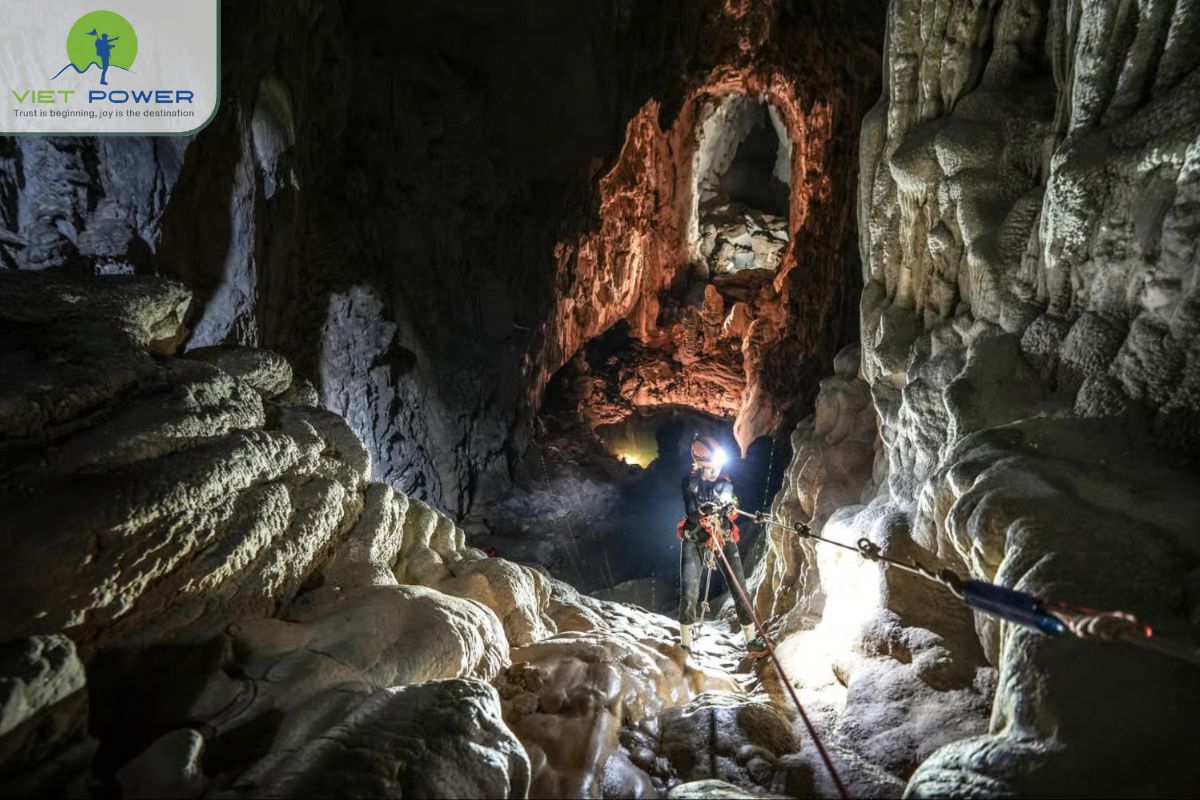
Travelers who train regularly or enjoy hiking will find the experience easier. However, beginners can also join if they prepare well in advance. The company provides a detailed training guide to help participants build their strength.
Son Doong Cave Vietnam remains one of the most exclusive adventure tours in the world. Expedition prices are high because of the complex logistics. The team must transport food, safety gear, and camping equipment deep into the jungle. They also follow strict conservation rules, which include waste management and ecological monitoring.
Despite the high cost, travelers receive a once in a lifetime experience. The tour includes guides, porters, meals, safety equipment, and transportation. While accommodation inside the cave is simple, waking up beside enormous stalagmites or misty sinkholes offers unmatched excitement.
Son Doong Cave Vietnam stands as one of the most spectacular places on Earth. Its massive chambers, underground jungle, and ancient formations offer a rare chance to step into a world unchanged for millions of years. If you dream of discovering the wonders of Son Doong or exploring the surrounding caves and landscapes, contact Vietpower Travel today to begin your tour in Quang Binh.
Please kindly send us your ideas about the tours: destinations, attractions, your group, hotel class... we will get back to you with details & best offers quickly. Surely, you will feel satisfactory!
 |
 |
 |
 |
 |
 |

.jpg) Customize Your Trip
Customize Your Trip
 Vietnam
 Thailand
 Laos
Laos Indonesia
 Cambodia
 Myanmar
 Indochina Tours