Vietnam’s spiritual world is as vivid as the lanterns glowing across its ancient streets. From incense drifting through age-old pagodas to ancestral altars quietly illuminating family homes each evening, faith is woven into every aspect of life. Vietnamese Religion is not a single, fixed belief system but a living ecosystem that blends Buddhism, Confucian moral codes, Taoist harmony, and deeply rooted folk traditions.
With Vietpower Travel, you can uncover how this spiritual fusion, unique to Vietnam, shapes its culture, heritage, and modern identity.
To understand Vietnamese Religion, we must first recognize that it is not anchored in one doctrine. Instead, it is the result of more than two thousand years of cultural exchange and philosophical adaptation. Most Vietnamese people practice a harmonic blend of four pillars:
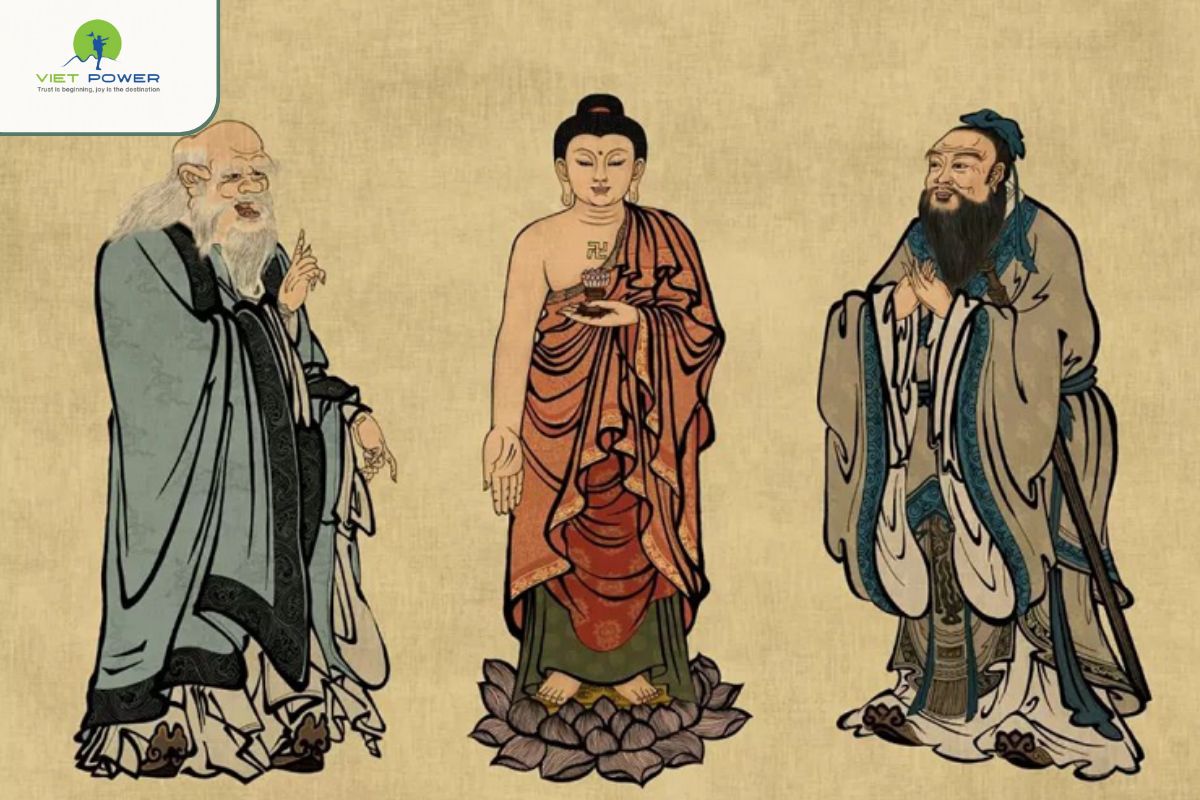
This cultural blend is widely known as Three Teachings in Harmony. Unlike in many countries where religious identity is exclusive, Vietnamese people often follow all three simultaneously. Even those who do not consider themselves religious still light incense for ancestors, visit pagodas on special occasions, or seek blessings before important life events.
Suggest destinations: In Hanoi, visitors can explore the Temple of Literature (Van Mieu), dedicated to Confucius and symbolizing Vietnam’s respect for scholarship and virtue. Nearby stands Tran Quoc Pagoda, the city’s oldest Buddhist temple, built on the edge of West Lake. These sites reveal how moral philosophy and spiritual devotion coexist naturally in Vietnamese life.
As part of Vietnamese Religion, Buddhism plays a central role, shaping cultural values, architecture, and community traditions.
Buddhism arrived in Vietnam as early as the second century through maritime trade routes. It took root deeply during the Ly and Tran dynasties, when several kings became monks or patrons of Buddhist teachings. Through centuries, Buddhism merged with indigenous customs, forming a distinctly Vietnamese spiritual identity.
Vietnamese Mahayana Buddhism
The Mahayana branch, dominant across the country, embraces a diverse pantheon of Buddhas and Bodhisattvas, allowing an open and adaptable form of worship. This flexibility helps Buddhism integrate seamlessly with folk religion and Taoist elements.
What are the differences between Mahayana and Hinayana Buddhism? Mahayana emphasizes universal compassion and accepts multiple enlightened beings, while Hinayana (Theravada) focuses on personal enlightenment and is more common in Cambodia, Thailand, and Laos.
Common Buddhist values include:
Vietnamese pagodas reflect centuries of artistic evolution, featuring curved roofs, wooden beams, intricate carvings, and lotus motifs symbolizing purity.
|
|
|
|
|
|
|
|
|
|
|
|
|
|
|
|
Continue exploring similar posts to learn more about Vietnam’s diverse cultural expressions. Our Vietnam culture category is filled with ideas and stories that bring the country’s heritage to life.
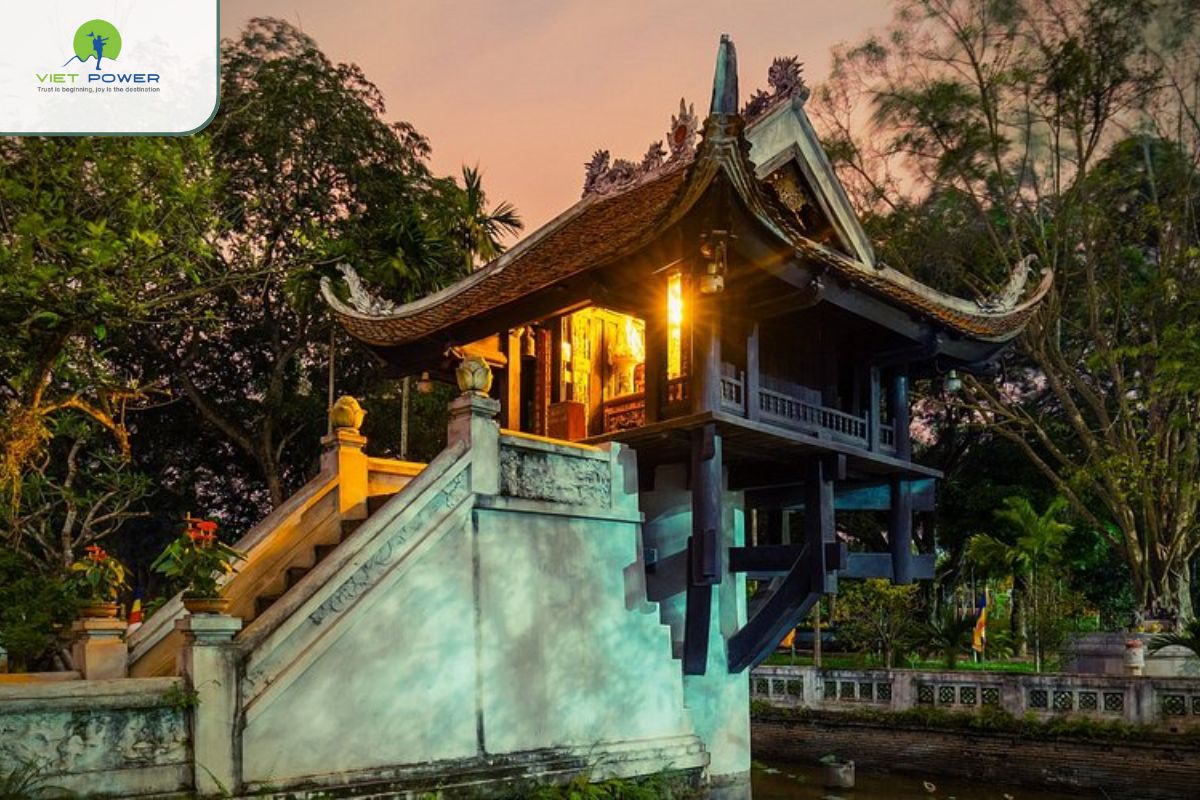
You can visit the following destinations:
Discover the beauty of Vietnamese culture: traditions, family values, festivals, cuisine, clothing, and faith that together form the timeless soul of Vietnam.
Transitioning from Buddhism, another essential layer of Vietnamese Religion emerges through Confucian ethics and Taoist harmony.
Introduced from China more than 2,000 years ago, Confucianism shaped Vietnam’s educational system, family structure, and governance. Though it is not considered a religion, its moral framework, benevolence, righteousness, propriety, wisdom, and loyalty, remains deeply embedded in society.
A fascinating cultural distinction is that, despite Confucian influence, Vietnam historically granted women more social participation compared to China.
Because Vietnam relied on a labor-intensive agricultural economy, women played crucial roles in production, making their voices and contributions essential. While patriarchal values still existed, Vietnamese society was significantly less extreme than China’s in limiting women’s rights. Today, gender equality is widely recognized and legally protected.
Taoism in Vietnam encourages humans to live in harmony with natural rhythms. This influence appears in:
Architectural Characteristics Influenced by Taoism
You can visit these destinations to explore the harmony of Confucian and Taoism with Vietnamese traditions.
Let’s explore more posts on this topic to discover even more about Vietnam’s unique culture:
Ancestor worship is the heart of Vietnamese Religion, shaping values of loyalty, gratitude, and family unity.
Vietnamese people traditionally place family at the core of their social world, this respect naturally extends to their ancestors. Most homes have an altar adorned with photos, candles, and offerings. Families light incense daily, believing that ancestors continue to protect and guide the living.
Major ancestor-related festivals include:
Beyond the household, communities honor:
Each village often has a dinh (communal house) dedicated to a protector spirit. Farmers also worship gods of the soil, rivers, and mountains, reinforcing the connection between humans and nature.
Suggesting destinations for tourists:
Adding unique layers to Vietnamese Religion, the country has also produced its own indigenous faiths.
Cao Dai - A Religion of Unity: Founded in 1926 in Tay Ninh, Cao Dai integrates teachings from Buddhism, Taoism, Confucianism, Christianity, and Islam. The Cao Dai Holy See, with its vibrant colors and divine eye symbol, reflects this philosophy of unity.
Hoa Hao Buddhism - The Simplicity of Faith: Founded in 1939 in the Mekong Delta, Hoa Hao emphasizes simple worship, moral living, and compassion. Temples are modest, focusing on humility over ritual.
Related Destinations
Continue exploring similar posts to learn more about Vietnam’s traditions, heritage, and way of life;
In this part, let's have a look at the architecture and religious festival in Vietnam.
Vietnam’s religious architecture is designed to be spiritually symbolic and naturally harmonious. Temples often align with mountains, bodies of water, or ancient trees, connecting worshippers to the land.
You can visit some famous attractions that illustrate this harmony:
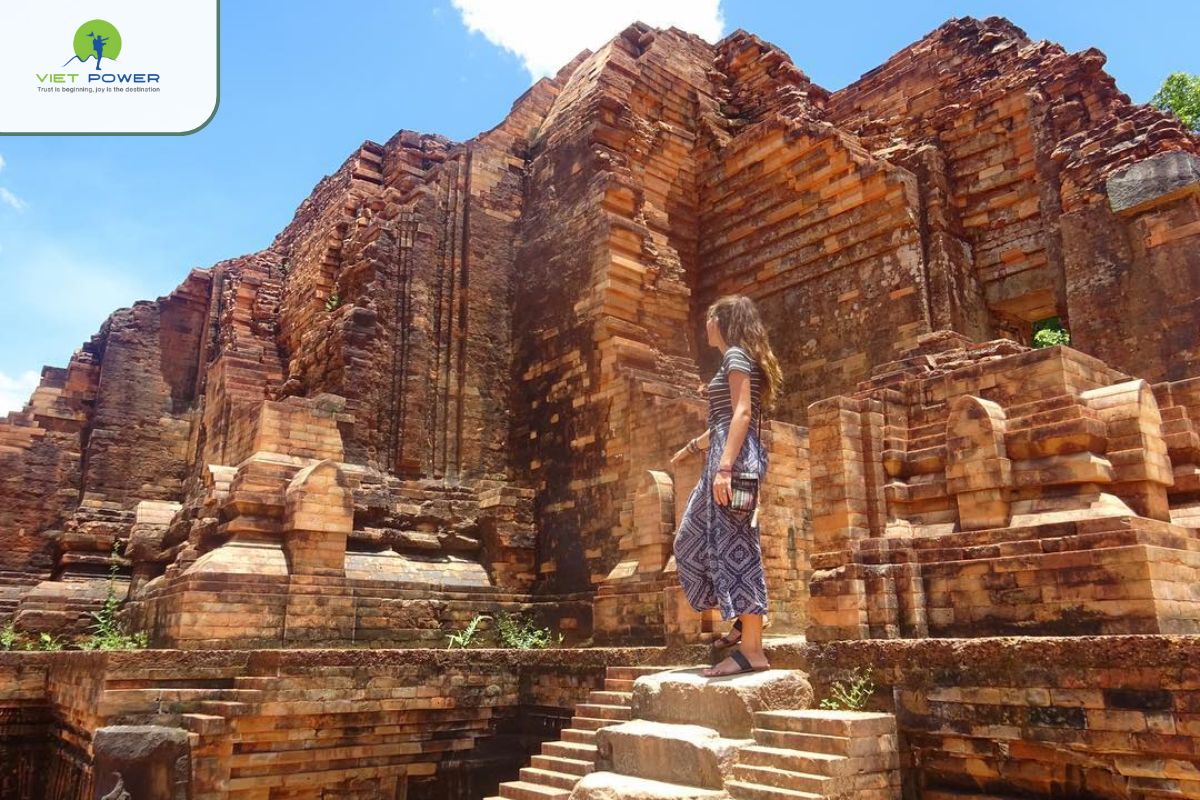
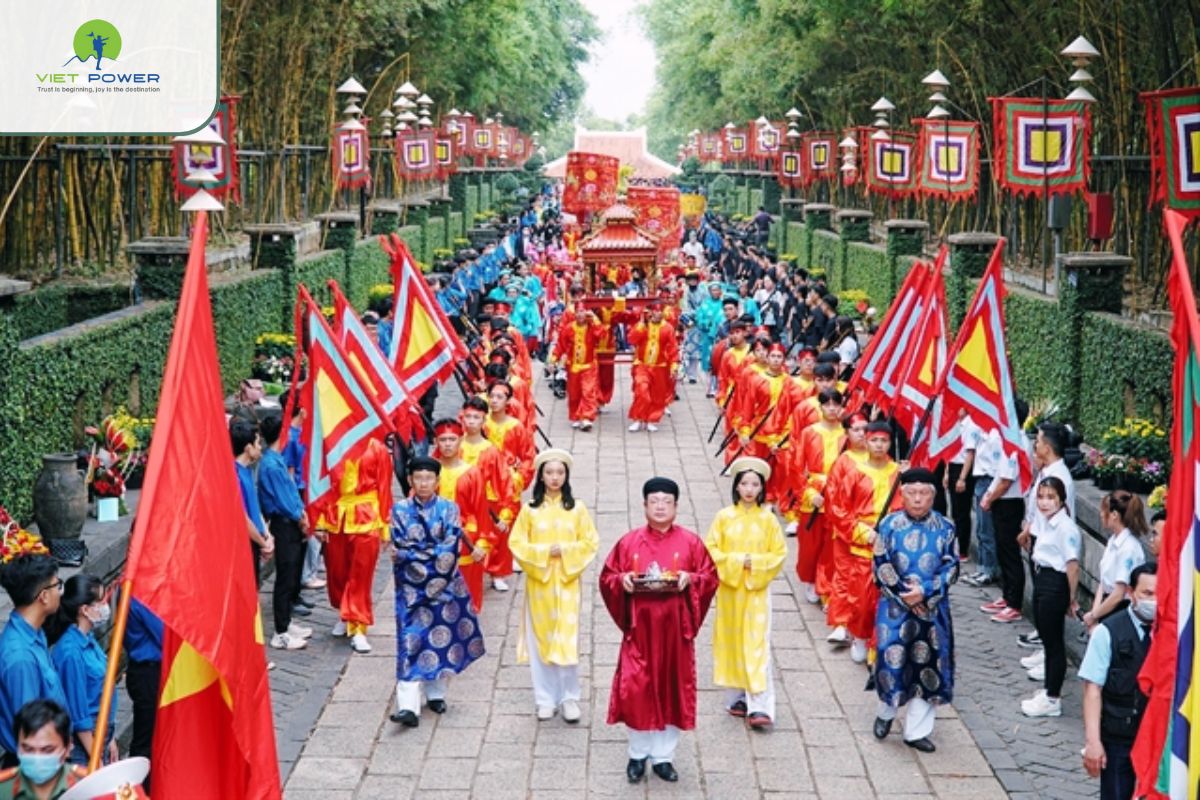
Festivals are vibrant expressions of Vietnamese Religion.
Major celebrations include:
You should visit the following destinations:
Turn your dream of discovering Vietnam into reality with a personalized tour crafted by Vietpower Travel.
Even in the fast-paced urbanization of modern Vietnam, spiritual traditions remain deeply rooted. Students visit pagodas before exams, entrepreneurs burn incense at new businesses, and home altars continue to glow softly each evening.
Vietnam officially recognizes over 60 religious organizations, including Buddhism, Catholicism, Protestantism, Islam, Cao Dai, and Hoa Hao. Although the state is secular, it supports religion as an essential cultural component.VNGR
In contemporary society, Vietnamese Religion functions less as institutional doctrine and more as a way of life, guiding behavior, strengthening communities, and honoring heritage.
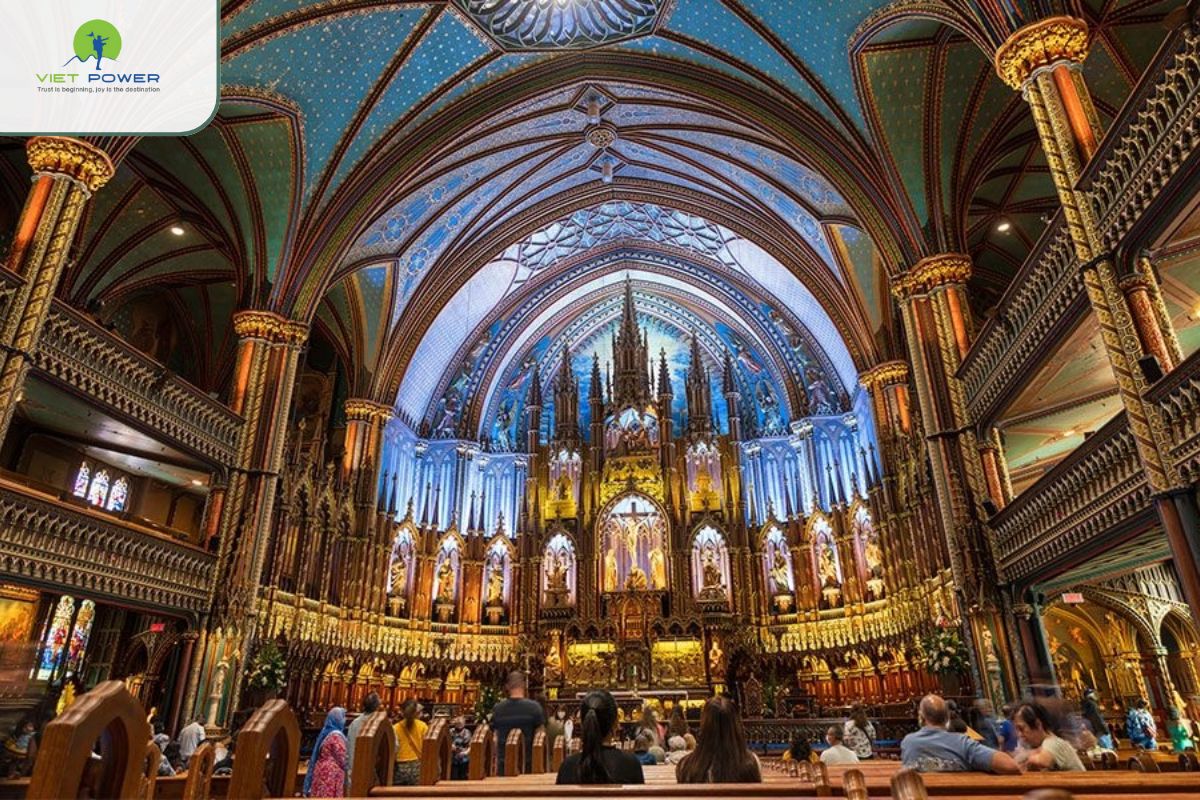
Related Destinations
Vietnamese Religion is not merely a relic of ancient history, it is a living rhythm that shapes family relationships, moral values, festivals, and community identity. Every pagoda, ritual, and legend tells a story of harmony between people, ancestors, and nature.
Traveling with Vietpower Travel means discovering more than destinations, it means uncovering the spiritual soul of Vietnam. From misty mountains like Yen Tu to tranquil pagodas along West Lake, Vietpower guides you into the heart of Vietnam’s sacred traditions with authenticity and insight. Book a tour to visit Vietnam today!
Please kindly send us your ideas about the tours: destinations, attractions, your group, hotel class... we will get back to you with details & best offers quickly. Surely, you will feel satisfactory!
 |
 |
 |
 |
 |
 |

.jpg) Customize Your Trip
Customize Your Trip
 Vietnam
 Thailand
 Laos
Laos Indonesia
 Cambodia
 Myanmar
 Indochina Tours