Vietnamese traditional cuisine is one of the most diverse and fascinating in the world. Its characteristic is in the perfect balance of flavors, sweet, salty, sour, bitter, and spicy, combined with fresh herbs, rice-based staples, and aromatic broths. Beyond taste, Vietnamese food embodies cultural values, social practices, and centuries of regional development. Understanding this cuisine provides deep insight into Vietnam’s history, geography, and local traditions.
Vietpower Travel highlights Vietnamese traditional cuisine as a key cultural pillar, helping travelers and food enthusiasts appreciate the nation’s culinary identity while exploring its landscapes and heritage sites.
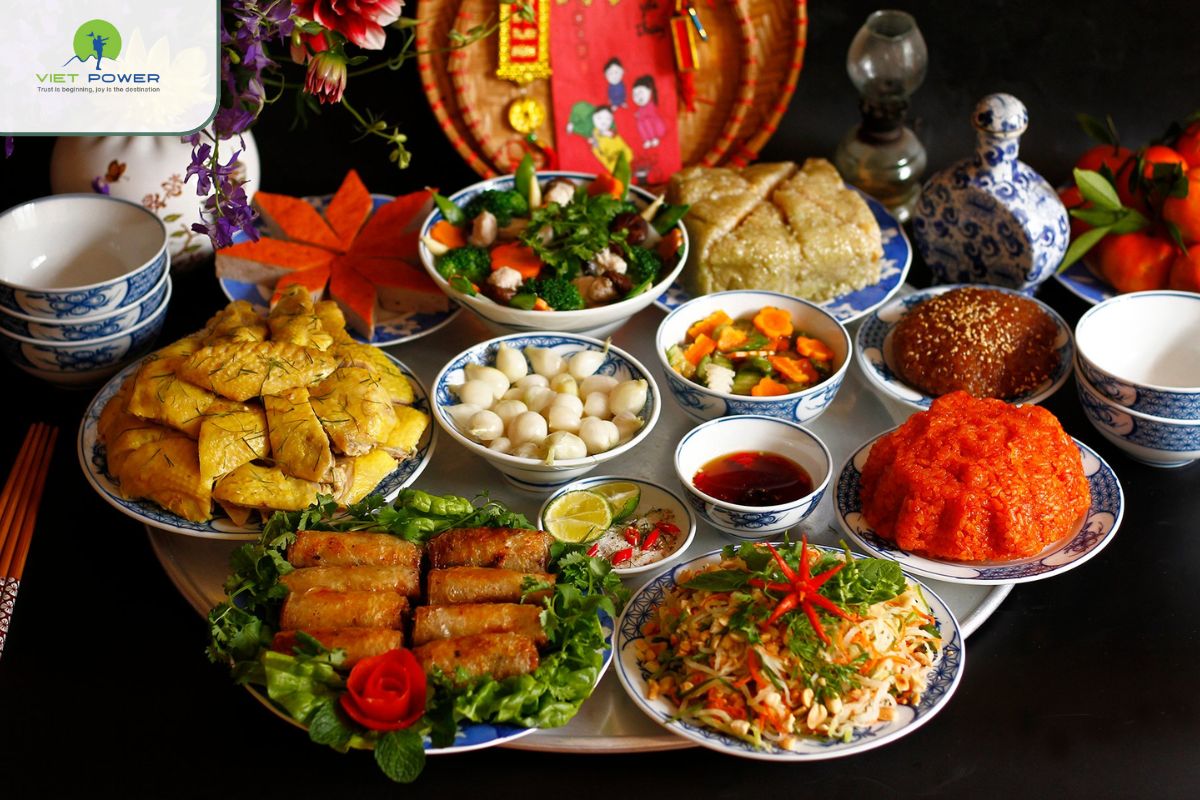
Vietnamese traditional cuisine is more than sustenance; it reflects history, regional diversity, and cultural philosophy. Rice, fresh herbs, and fish sauce form the foundation of most dishes. These ingredients are combined to create harmony in taste, aroma, and presentation.
Additionally, meals are closely tied to social and spiritual life. For instance, dishes like banh chung (square sticky rice cake) and banh tet (cylindrical sticky rice cake) are prepared during Tet, the Vietnamese Lunar New Year, symbolizing prosperity and family unity.
Characteristics of Vietnamese Traditional Cuisine:
Travel Tip: When exploring Vietnamese cuisine, start by visiting local markets to see ingredients and traditional snacks. In Hanoi, Dong Xuan Market offers a good introduction to staple herbs, noodles, and spices.
Explore more posts within this topic and uncover even more of what makes Vietnam’s culture so captivating. Head to our Vietnam culture category for insights, stories, and cultural highlights across the country.
Vietnamese cuisine varies significantly across the North, Central, and South regions, influenced by geography, climate, and historical interactions.
Northern cuisine emphasizes subtle flavors and delicate presentation. Herbs and spices are used sparingly, focusing on the natural taste of ingredients.
Signature Dishes in Northern Vietnam
|
|
|
|
|
|
|
|
|
|
|
|
|
|
|
|
Recommended Destinations:
Travel Tips:
Discover the beauty of Vietnamese culture: traditions, family values, festivals, cuisine, clothing, and faith that together form the timeless soul of Vietnam.
Central Vietnam, particularly Hue, is known for spicy, rich, and visually intricate dishes. Its imperial culinary heritage emphasized artful presentation and complex flavors.
Signature Dishes in Central Cuisine
|
|
|
|
|
|
|
|
|
|
|
|
|
|
|
|
Recommended Destinations:
Travel Tips:
.jpg)
If you’re inspired to see Vietnam your own way, Vietpower Travel is here to create a journey that fits you perfectly.
Southern Vietnamese cuisine is sweeter and richer, using tropical fruits, sugar, and coconut milk. Influences from Chinese, Cambodian, and Thai cooking are evident.
Signature Dishes in Southern Vietnam
|
|
|
|
|
|
|
|
|
|
|
|
|
|
|
|
Recommended Destinations:
Travel Tips:
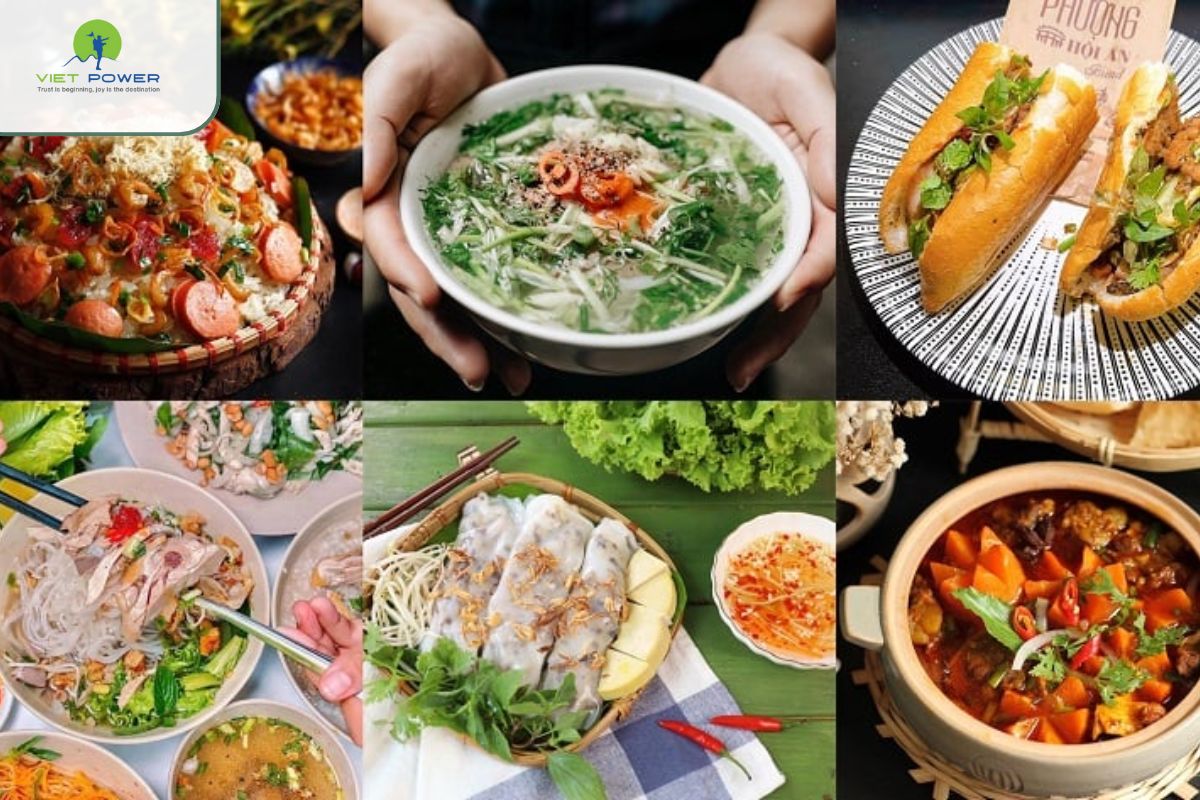
Vietnamese cuisine features a wide variety of iconic dishes, street foods, and desserts.
Iconic Dishes you shoud try:
Traditional Desserts in Vietnam
Street Food Favorites:
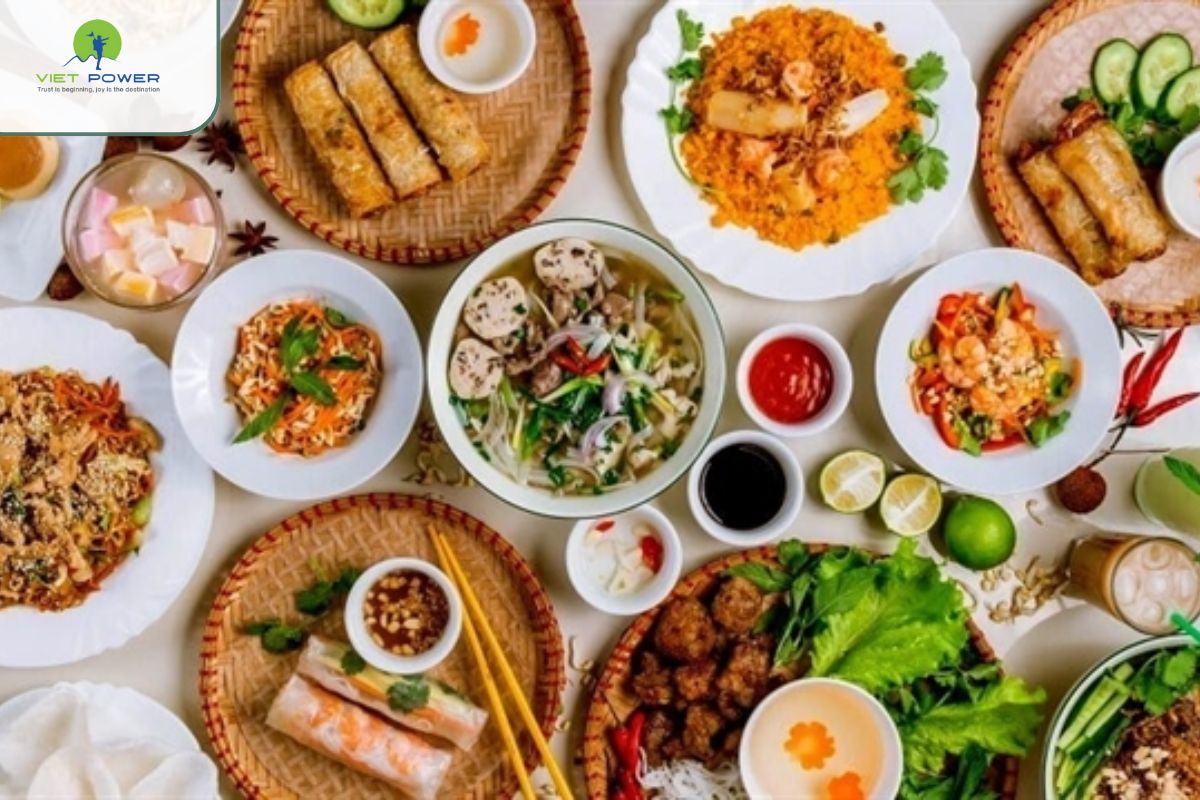
Vietnamese cuisine is celebrated for its fresh, natural ingredients and harmonious balance of flavors. The food emphasizes a delicate interplay of sweet, salty, sour, and umami tastes, often enhanced by vibrant textures and aromatic herbs. Each dish is carefully composed to create both visual appeal and a satisfying culinary experience.
Essential Ingredients in Vietnamese Cuisine:
Travel Tips:
Continue exploring similar posts to learn more about Vietnam’s traditions, heritage, and way of life;
Vietnamese meals are more than just an opportunity to eat; they are a reflection of the country’s deep cultural values, emphasizing respect, harmony, and communal bonding. Dining is highly symbolic, and understanding local customs can greatly enhance your experience and show respect for Vietnamese traditions.
What is Dining Etiquette in Vietnam?
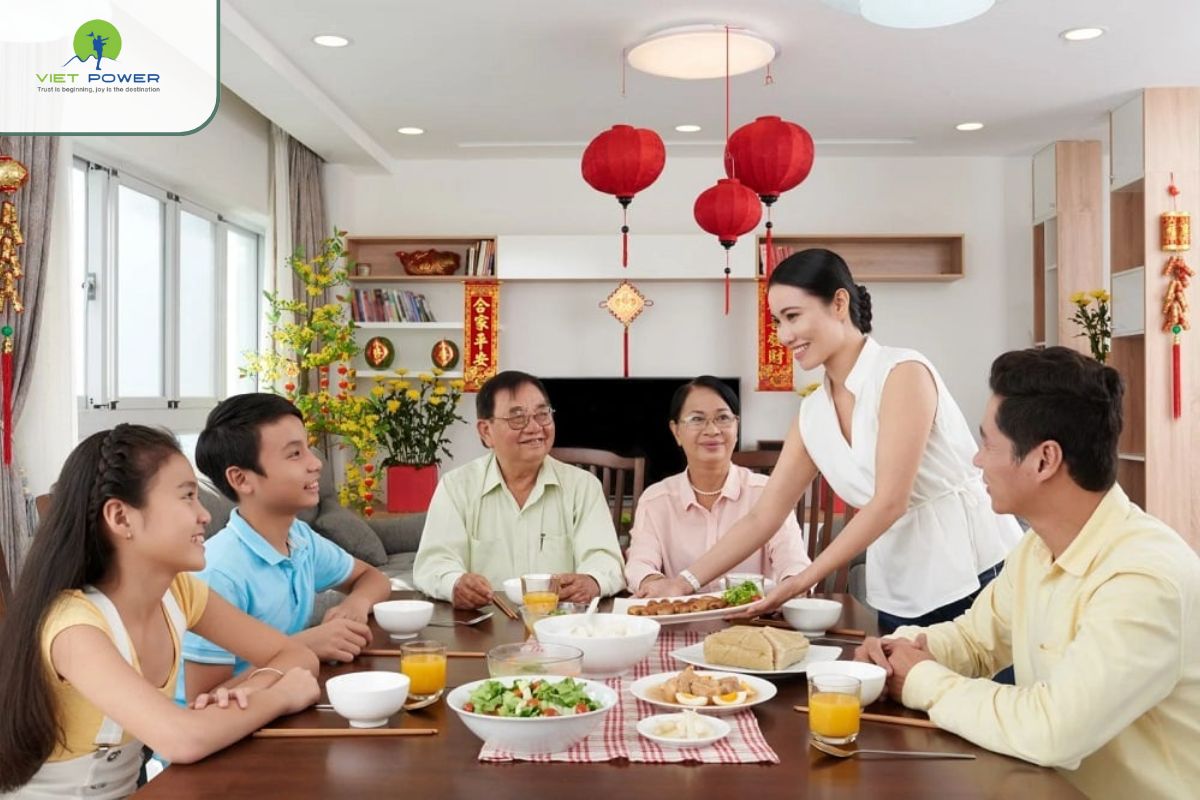
Travel Tips:
You can find more posts related to this topic in the category below:
Travelers and food enthusiasts can fully enjoy Vietnamese cuisine by exploring regional specialties and visiting local markets.
Explore Regional Specialties
Each region of Vietnam offers distinct flavors shaped by culture, climate, and history. Northern dishes, like Hanoi’s pho, tend to be light and subtle. Central dishes, such as bun bo Hue, are spicier and more aromatic. Southern dishes, like com tam, are sweeter and richer. Sampling foods from multiple regions provides insight into the country’s culinary diversity.
Choose the Right Market Stalls
Busy stalls frequented by locals usually serve the freshest, highest-quality food. Observe preparation techniques—herbs are often added just before serving, and broths simmer slowly to develop depth. Watching these steps helps you understand the balance of flavors in Vietnamese cooking.
Consider Dietary Preferences
Many dishes include pork, beef, seafood, or fish sauce. Vegetarians can enjoy tofu dishes, fresh vegetable rolls, and rice noodles without meat. Major cities like Hanoi, Ho Chi Minh City, and Hoi An also have vegan and halal-friendly options.
.jpg)
Learn Basic Food Terms
Knowing terms like nuoc mam (fish sauce), rau (herbs), banh (cake or bread), and pho (noodle soup) improves communication and can lead to friendly guidance from vendors.
Observe and Take Notes
Watch how sauces, herbs, spices, and textures are used. Jot down favorite flavors, techniques, and seasoning combinations to recreate dishes at home or compare recipes later.
Navigating Markets
Walking or using public transport helps you discover smaller, hidden stalls. Observing locals shop and eat adds cultural context, making your culinary journey richer and more authentic.
Vietnamese traditional cuisine offers a window into Vietnam’s culture, history, and geography. Its balance, fresh ingredients, and regional diversity make it uniquely memorable. Exploring the cuisine across Northern, Central, and Southern Vietnam provides insight into culinary heritage and local life.
Vietpower Travel highlights Vietnamese traditional cuisine as a key cultural experience, encouraging travelers and food enthusiasts to appreciate the country’s flavors and traditions while exploring authentic culinary destinations.
You can find more insights and authentic reviews in our Vietnam food & cuisine category. Learn about the best local dishes and dining spots, and let Vietpower Travel take you on a guided culinary journey across Vietnam.
Please kindly send us your ideas about the tours: destinations, attractions, your group, hotel class... we will get back to you with details & best offers quickly. Surely, you will feel satisfactory!
 |
 |
 |
 |
 |
 |

.jpg) Customize Your Trip
Customize Your Trip
 Vietnam
 Thailand
 Laos
Laos Indonesia
 Cambodia
 Myanmar
 Indochina Tours