The cultural landscape of Southeast Asia is rich with ancient traditions, but few are as deeply woven into national identity as bamboo craftsmanship in Vietnam. More than a decorative art, it is a living expression of Bamboo in Vietnamese culture. For travelers seeking meaningful encounters with Vietnamese rural life, Vietpower Travel offers authentic cultural journeys that lead you directly into the heart of traditional bamboo crafts and the communities that keep these traditions alive.
Traditional bamboo crafts in Vietnam represent far more than fabrication. They are the skilled transformation of natural bamboo into practical, eco-friendly, and culturally symbolic goods. This craft relies on careful handwork, deep knowledge, and techniques passed down through generations of artisans.
Natural bamboo is meticulously prepared to become eco-friendly furniture, household items, textiles, and even structural materials. What were once daily necessities have now become highly valued art forms admired around the world.
Because Bamboo in Vietnamese culture reflects both heritage and sustainability, exploring these craft villages also gives travelers a rare window into Vietnamese rural life. Many crafting villages are located near Hanoi, making them ideal destinations for learning about the craft and discovering the surrounding local scenery and community traditions.
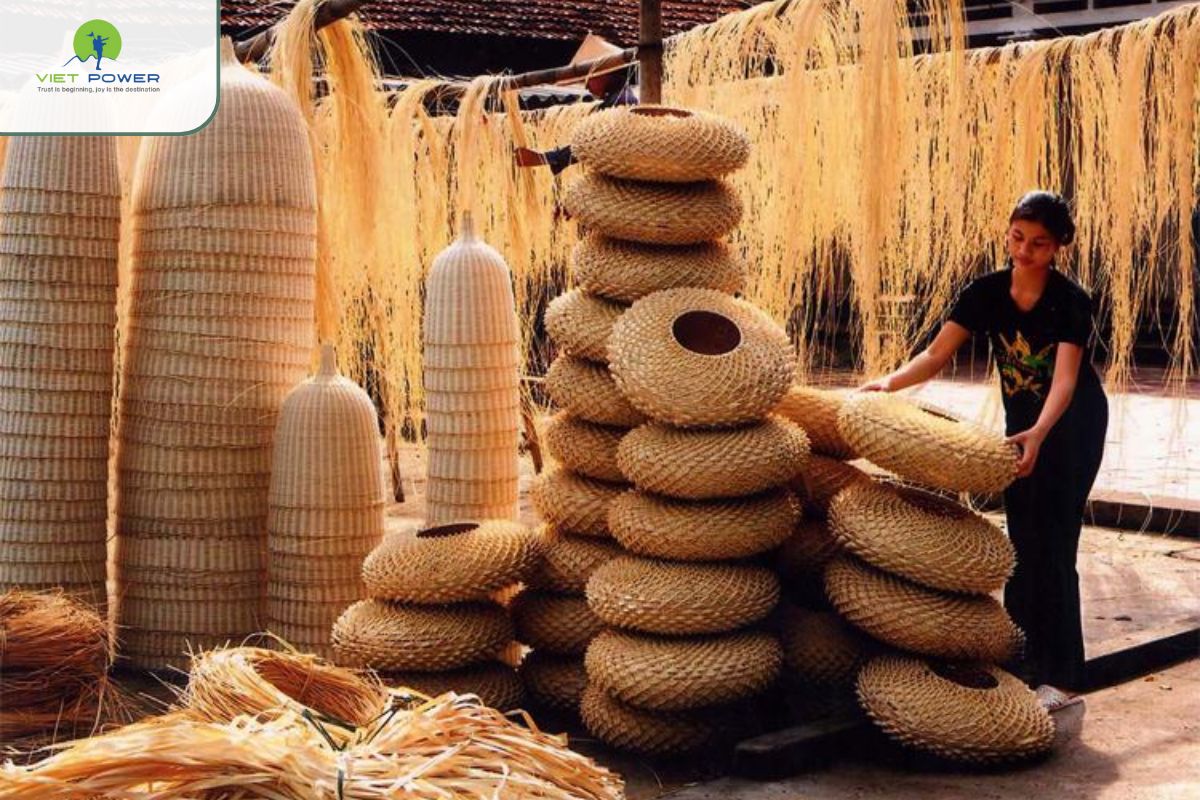
Characteristics of Traditional Bamboo Crafts
To truly appreciate Vietnam, one must understand this remarkable resource and the artisans who shape it.
Continue exploring similar posts to learn more about Vietnam’s diverse cultural expressions. Our Vietnam culture category is filled with ideas and stories that bring the country’s heritage to life.
To understand the Vietnamese people, you must first understand bamboo in Vietnamese culture. This simple plant holds deep meaning in daily life, traditional stories, and national values. People often use its qualities to describe the character of the nation.
Although bamboo is not a tree, it grows with remarkable strength. It bends under pressure yet rarely breaks. This unique combination shows the Vietnamese spirit. People stay firm in difficult situations. They also stay flexible and adapt when life changes. Bamboo grows fast and renews itself quickly.
Therefore, it symbolizes continuity, hope, and the ability to rise again. As the old proverb says: “When the bamboo is old, the bamboo shoots appear.” It reminds people that every challenge brings new strength and new generations.
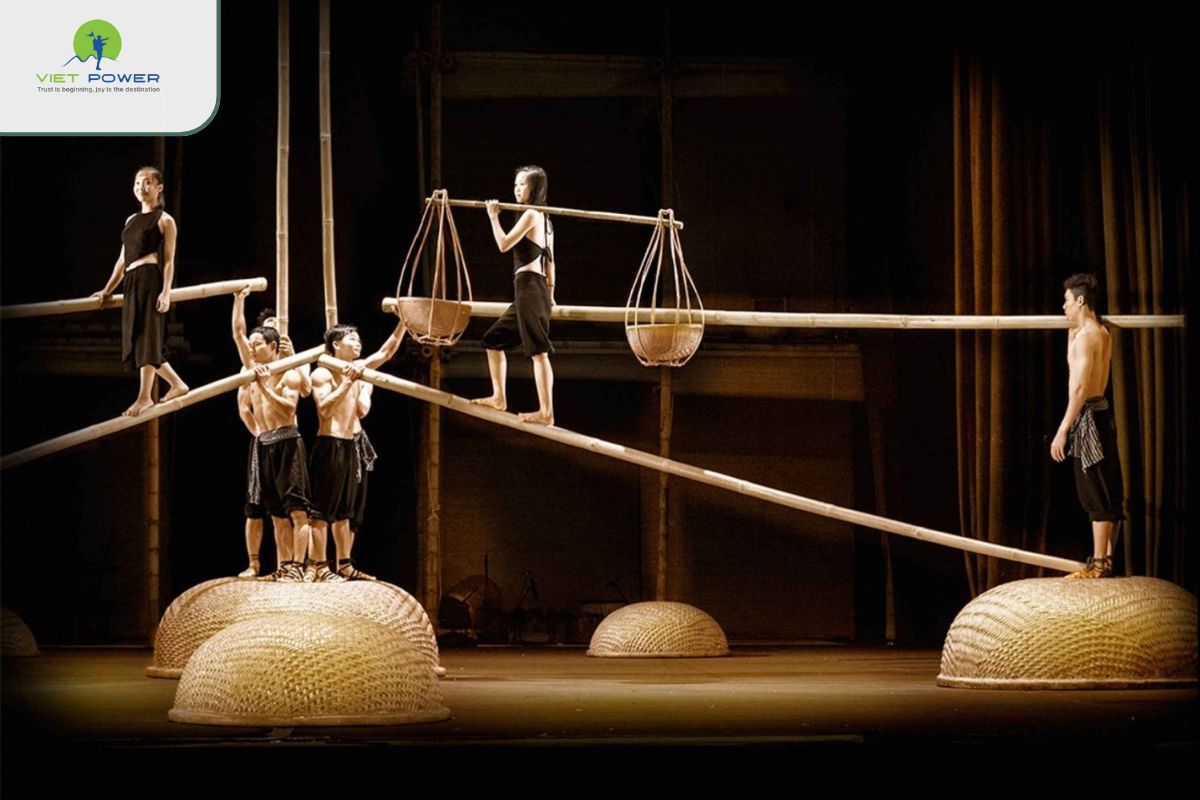
Vietnam’s long history reflects this spirit. The country faced many powerful invaders, yet its people protected their land again and again. This resilience mirrors a bamboo grove. Each stalk grows closely with others. Together, they create a strong community, just like families and neighbors in Vietnamese rural life who support one another.
Because bamboo carries such meaningful symbolism, Vietnam recognizes it as a national plant. When travelers explore Hanoi, they may find peaceful bamboo groves near important cultural sites. These simple scenes offer a quiet moment to understand how deeply bamboo in Vietnamese culture connects to the identity of the country.
Symbolic Traits of Bamboo
Let’s explore more posts on this topic to discover even more about Vietnam’s unique culture:
Beyond its cultural symbolism, bamboo is one of Vietnam’s most important sustainable materials. It grows widely across tropical and temperate regions, making it an accessible and environmentally responsible resource.
Once processed, bamboo becomes even stronger than its natural state. It resists weather, pests, and disease, and requires no pesticides, making it healthier and more eco-friendly than many industrial materials.
Because different species range from soft to extremely hard, traditional bamboo crafts include everything from delicate basketry to durable furniture. Minimal chemical processing keeps the environmental impact low.
In textiles, bamboo fibers create exceptionally soft and breathable fabric suitable even for infants. This versatility demonstrates the material’s economic value across multiple sectors.
Travelers interested in sustainability often enjoy visiting small local workshops, peaceful bamboo groves, or community markets in the outskirts of Hanoi, activities that naturally connect them to Vietnamese rural life and the cultural landscape where bamboo thrives.
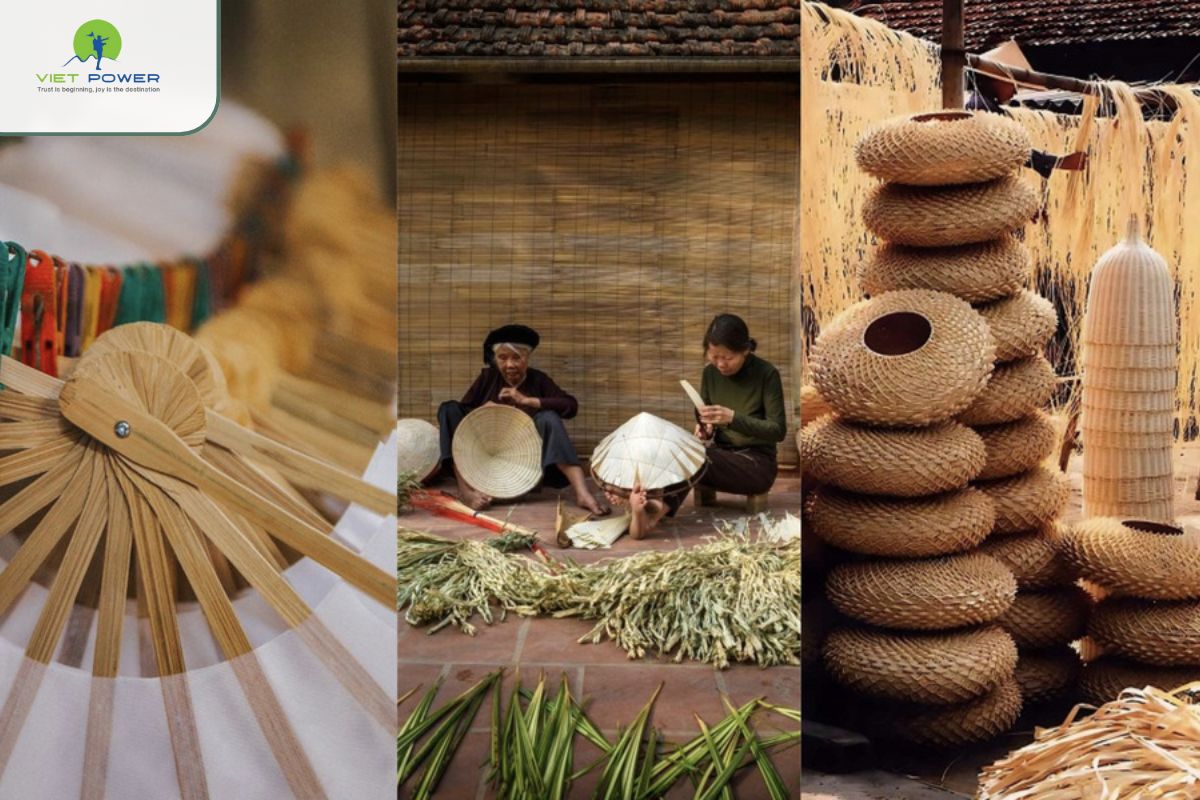
Bamboo in Vietnamese culture is valuable not only for its symbolism but also for its wide range of practical uses. Artisans can shape it into items for daily life, construction, and even clothing. Each category shows why bamboo remains one of the most sustainable materials in Vietnam.
Construction and Furniture
Vietnamese artisans often use bamboo to make chairs, tables, beds, and even structural beams. These products feel light, yet they stay incredibly durable. Bamboo naturally resists pests and harsh weather, so it lasts for many years. Because it grows quickly and regenerates easily, bamboo also supports a more sustainable building industry.
Daily Appliances
People in Vietnamese rural life still use many bamboo items every day. Artisans weave baskets, bags, boxes, trays, and lampshades using traditional techniques. These products require almost no chemical treatment. As a result, they are safer for the environment and healthier for the home. Many travelers enjoy buying these handmade pieces as practical souvenirs because they reflect both creativity and tradition.
Textiles
In recent years, bamboo fibers have become popular in clothing. These fibers feel soft and smooth, even softer than cotton. They absorb moisture well, so they keep the body cool in warm weather. Because bamboo grows without pesticides, the fabric stays gentle on the skin. This makes it suitable for infants, sensitive skin, and everyday comfort.
Recommended Bamboo Souvenirs
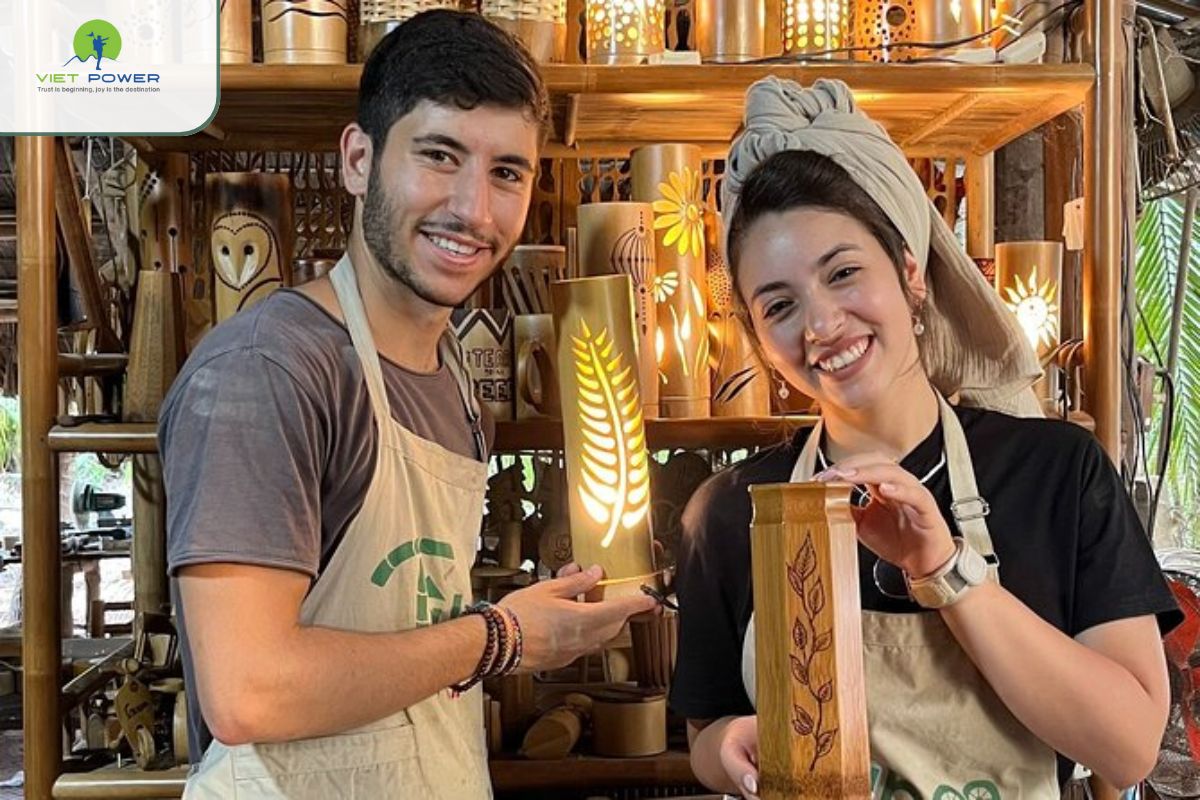
Travelers looking for meaningful souvenirs can choose from many items made through traditional bamboo crafts. Popular options include handwoven baskets, bamboo straws, small lampshades, tea trays, and decorative boxes. These pieces are light to carry, eco-friendly, and represent the beauty of bamboo in Vietnamese culture.
Discover more posts on the same topic to deepen your understanding of Vietnam’s culture:
Across Vietnam, more than 700 villages specialize in traditional bamboo crafts. These communities focus on production rather than tourism. Because of this, they offer travelers a genuine look into Vietnamese rural life. Most workshops operate within family homes. Parents teach their children, and the craft stays alive through many generations. When visitors arrive, they can watch the process step by step and appreciate the skill required to shape bamboo into useful or artistic forms.
Many of these villages sit just outside Hanoi. The peaceful roads, open fields, and local markets create a calm environment. Together, they reflect how deeply bamboo in Vietnamese culture connects to everyday life.
Xuan Lai Village lies about 45 km east of Hanoi. The community has a long and steady tradition of bamboo furniture making. Almost 70% of the residents take part in this craft, so the village feels closely connected to bamboo in both work and lifestyle.
Xuan Lai is well-known for producing chairs, tables, beds, and decorative household items. The village stays economically strong because families work together and maintain high-quality standards. Their poverty rate is very low, and the community is wealthier than many other rural areas in Vietnam. This success shows how valuable traditional bamboo crafts remain in modern times.
Travelers often enjoy walking through the village lanes. They can see bamboo strips drying under the sun, hear the sound of tools shaping each piece, and visit small family workshops. Many people also explore the surrounding countryside to observe the slower rhythm of Vietnamese rural life.
Discover Vietnam beyond the ordinary with a bespoke travel experience thoughtfully arranged by Vietpower Travel.
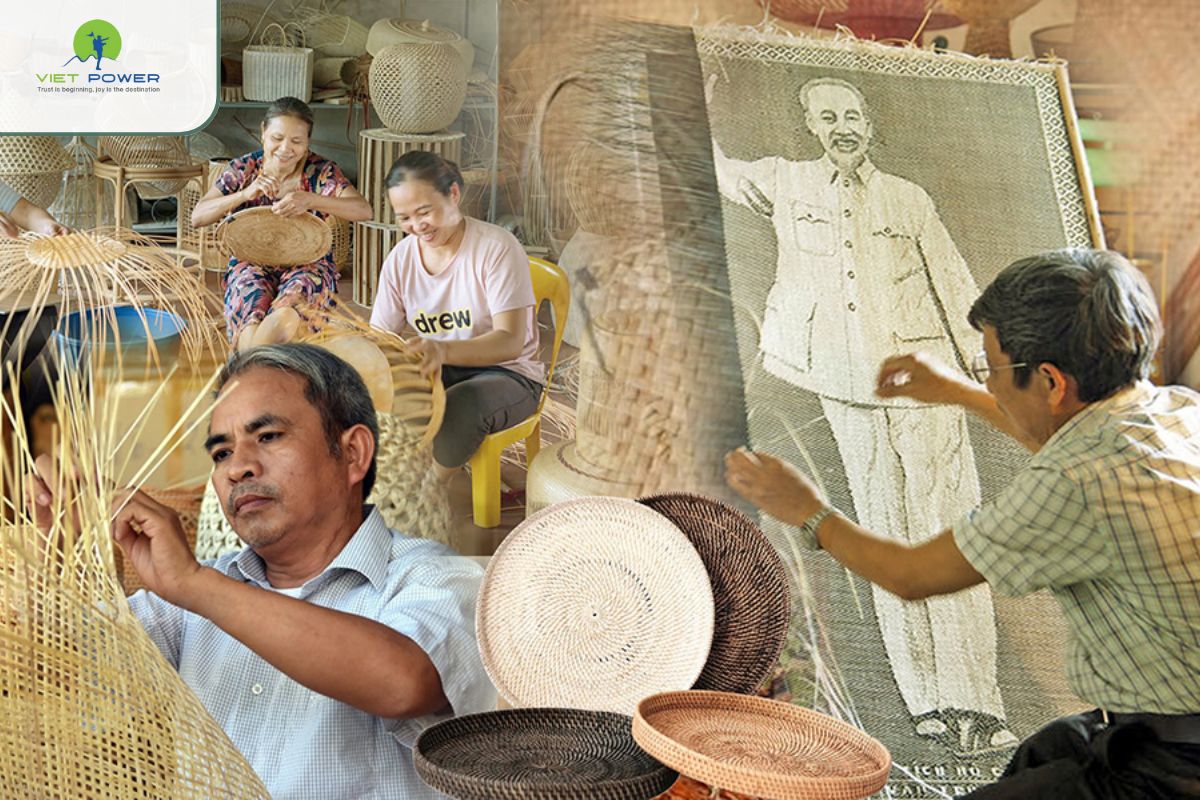
Phu Vinh Village is located about 35 km southwest of Hanoi. The village has practiced traditional bamboo crafts for around 400 years, beginning with one skilled artisan who taught his neighbors. Over time, the craft spread through the entire community. Today, more than 6,000 villagers identify as bamboo artisans.
Phu Vinh is famous for its detailed weaving techniques. Artisans create baskets, bags, jars, and trays for daily use. They also produce luxury items such as lampshades, wall art, and woven portraits. These pieces require patience and precision, and they highlight the creativity found in bamboo in Vietnamese culture.
Visitors often enjoy walking through the narrow workshop streets and meeting artisans directly. The local market also offers a chance to see finished products and learn how each item reflects centuries of knowledge. Outside the workshops, the village paths are lined with greenery and small ponds, creating a calm and scenic environment for a relaxed visit.
You can explore more: Vietnam is home to diverse Vietnam culture symbols that reflect history, spirituality, and everyday life. From the red flag with a yellow star (unity and resilience) to the lotus (purity), Ao Dai (elegance), and water buffalo (strength), each icon carries its own story. These cultural in Vietnam treasures combine nature, belief, and tradition, helping travelers understand national identity.
Bamboo in Vietnamese culture embodies resilience, unity, and sustainability. Through traditional bamboo crafts, travelers gain insight into the artistic heritage and everyday reality of Vietnamese rural life. Visiting these communities is not only a window into the past but a celebration of Vietnam’s ongoing commitment to sustainable living.
By choosing to explore this tradition with Vietpower Travel, you support responsible tourism and engage directly with the artisans who keep these ancient techniques alive. We create experiences that prioritize cultural respect, authentic interaction, and environmental awareness. Ready to discover the enduring art of bamboo in Vietnam? Contact Vietpower Travel to customize a cultural experience where you can meet the artisans, explore rural villages, and witness the spirit of Vietnam firsthand
Please kindly send us your ideas about the tours: destinations, attractions, your group, hotel class... we will get back to you with details & best offers quickly. Surely, you will feel satisfactory!
 |
 |
 |
 |
 |
 |

.jpg) Customize Your Trip
Customize Your Trip
 Vietnam
 Thailand
 Laos
Laos Indonesia
 Cambodia
 Myanmar
 Indochina Tours