Hanoi holds many attractions that reflect centuries of history and spiritual belief. Among these attractions, the One Pillar Pagoda stands out as an example of architectural creativity and Buddhist symbolism. A visit to this pagoda offers more than a scenic view. It gives travelers a direct link to the Ly Dynasty architecture and the spiritual traditions that shaped Vietnam. Vietpower Travel proudly curates cultural tours that highlight the pagoda’s history, meaning, and peaceful atmosphere.
The history of the One Pillar Pagoda Hanoi begins in 1049 during the reign of King Ly Thai Tong. The story told...
To understand why the One Pillar Pagoda was built, we must look at a famous legend that gives the site its spiritual depth.
King Ly Thai Tong deeply longed for a child. Despite his prayers, his wish remained unfulfilled for years. One night, he had a vivid and sacred dream. In it, the Goddess of Mercy, appeared seated on a radiant lotus flower. She gently invited him to join her. The dream left a strong impression on the King. When he awoke, he shared the vision with his royal court.
Seeking guidance, the King turned to the Buddhist monk Thien Tue. The monk suggested building a pagoda designed to resemble the lotus throne from the dream. This structure would honor the Goddess of Mercy and express the King's heartfelt prayer for a child. By following this advice, the King combined devotion, hope, and architecture into a lasting spiritual symbol and his wish came true.
You can explore more: Vietnam is home to diverse Vietnam culture symbols that reflect history, spirituality, and everyday life. From the red flag with a yellow star (unity and resilience) to the lotus (purity), Ao Dai (elegance), and water buffalo (strength), each icon carries its own story. These cultural in Vietnam treasures combine nature, belief, and tradition, helping travelers understand national identity.
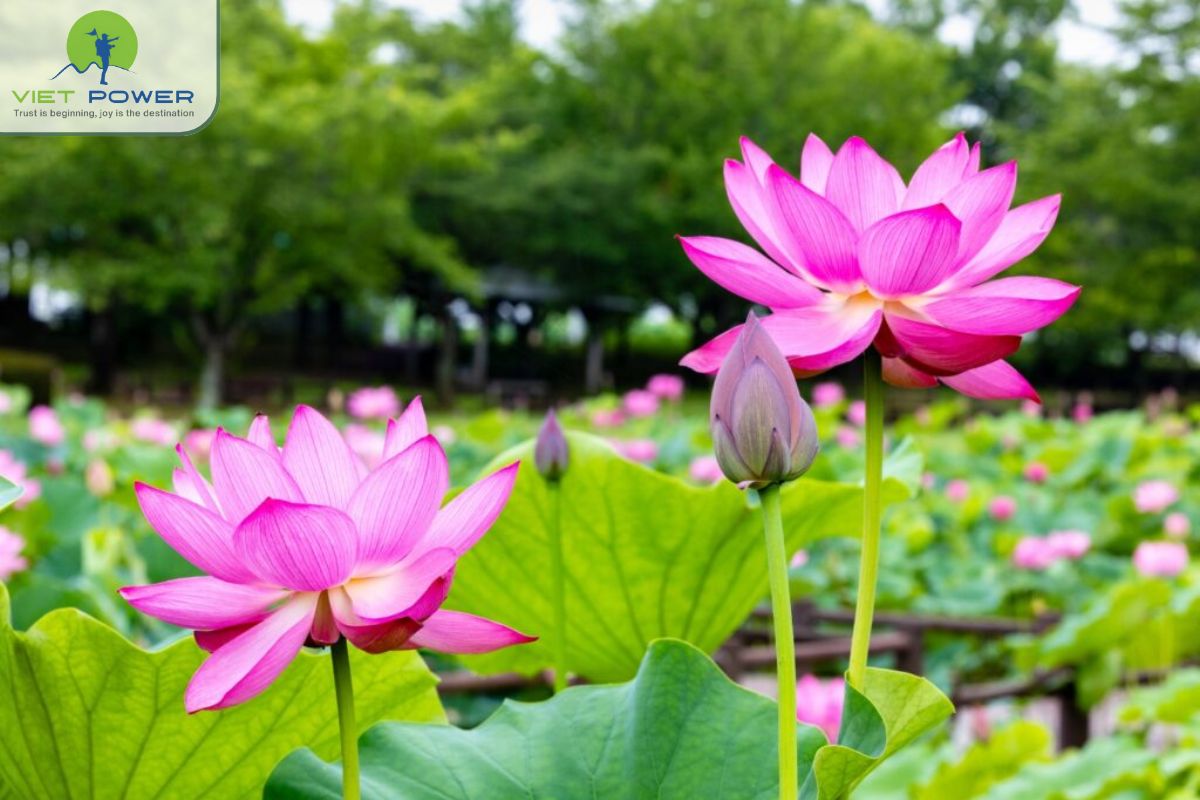
The lotus is one of the most famous images in Vietnamese Buddhism. It grows pure and bright from muddy waters. This natural process represents purity, spiritual awakening, and the emergence of goodness from challenges. Therefore, the lotus-shaped design of the One Pillar Pagoda symbolizes enlightenment, inner peace, and the hope for good fortune.
Over the centuries, many people have visited the pagoda to pray for health, prosperity, and general well-being. Even today, visitors continue the tradition of lighting incense, offering flowers or fruit, and pausing to reflect in the peaceful setting of the lotus pond. These rituals connect modern travelers to centuries of Vietnamese spiritual practice.
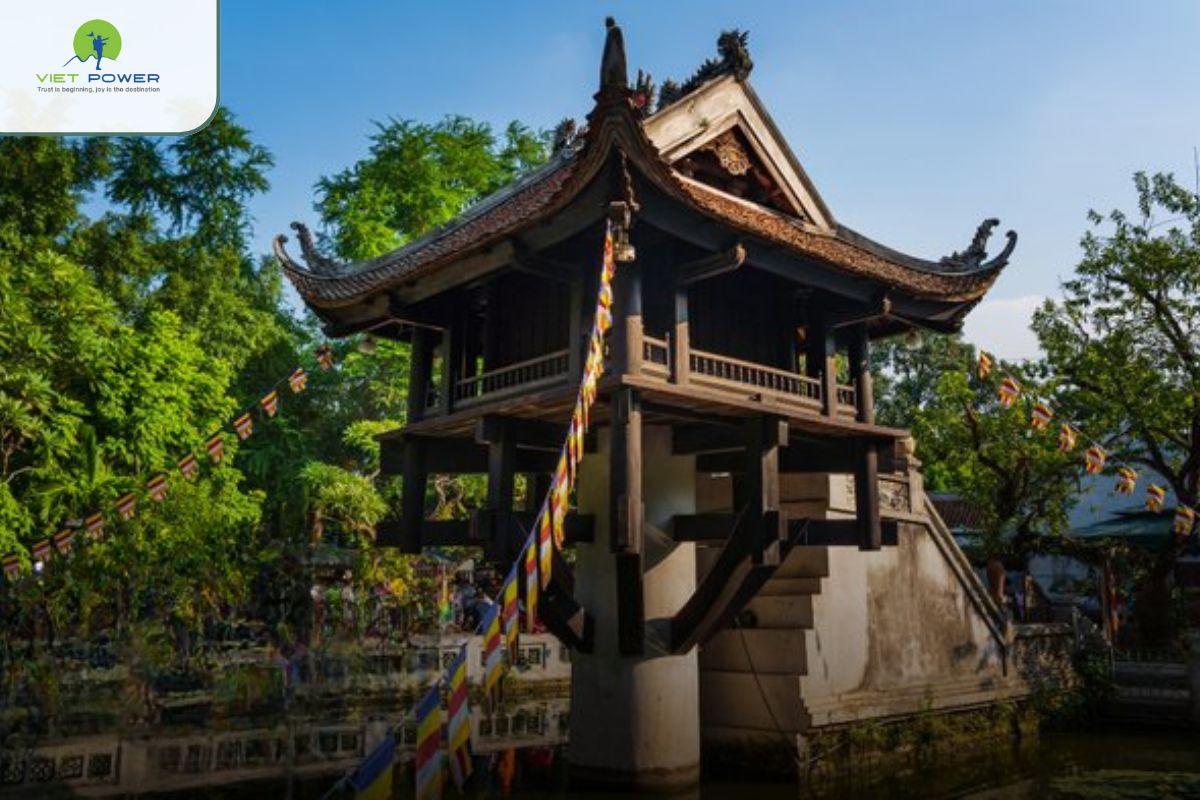
The pagoda’s location also adds to its significance. It sits only 250 meters from the Ho Chi Minh Mausoleum, making it easy to explore both attractions. Together, they highlight the intertwined spiritual and cultural identity of Hanoi, providing a deeper understanding of Vietnam’s history and faith.
Discover more posts on the same topic and dive deeper into Vietnam’s beauty, culture, and landmarks. Explore our Vietnam tourist attractions category to find new destinations worth adding to your travel list.
If you’re inspired to see Vietnam your own way, Vietpower Travel is here to create a journey that fits you perfectly.
The One Pillar Pagoda is one of Asia’s most recognizable structures because of its rare and bold design. Although small, it reflects the refined beauty of Ly Dynasty architecture, which valued harmony, balance, and symbolism.
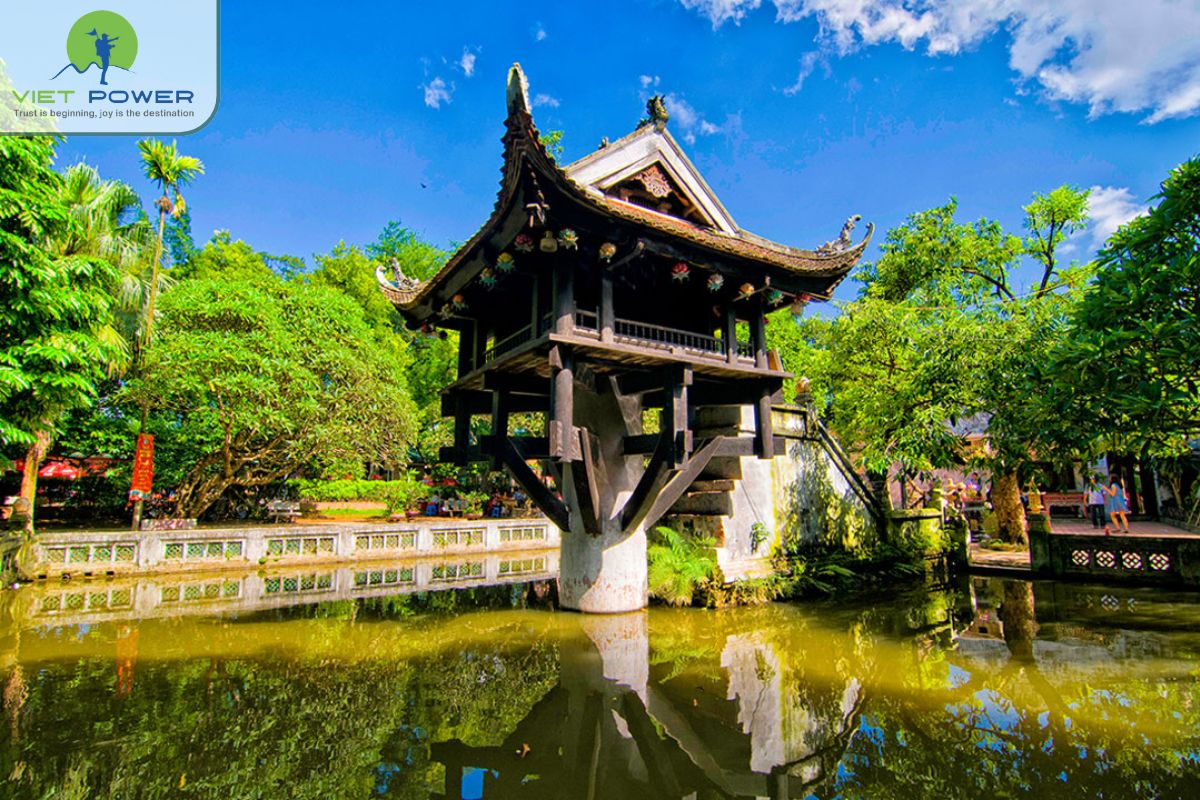
The shrine on top of the pillar, Lien Hoa Dai, representing purity, spiritual awakening, and enlightenment in Vietnamese Buddhism. The Lotus Station is a square wooden hall that rests elegantly on a single stone pillar above the pond. This creates the iconic image of the One Pillar Pagoda Hanoi.
Its elevated position allows the shrine to appear as if it is floating on the lotus, emphasizing the harmony between architecture, nature, and spirituality. Visitors often pause to admire its intricate woodwork, the gracefully curved roof typical of Ly Dynasty architecture, and the reflection in the surrounding water, which together create a serene and meditative atmosphere.
The central pillar of the One Pillar Pagoda Hanoi was constructed from two large stone blocks. The artisans carefully stacked and joined them together. This seamless assembly provides exceptional stability while supporting the entire wooden shrine above.
The pillar rises 4 meters above the lotus pond, giving the illusion that the shrine floats on water. Its construction demonstrates the advanced engineering skills of the Ly Dynasty and reflects the thoughtful integration of strength, balance, and aesthetics in Ly Dynasty architecture. This clever design has allowed the pagoda to endure for centuries while maintaining its delicate and elegant appearance.
Architectural Dimensions of the Pagoda
|
|
|
|
|
|
|
|
|
|
|
|
|
|
|
|
|
|
|
|
|
|
|
|
You can find more posts related to this topic in the category below:
One Pillar Pagoda: Meaning of Simple Architectural Art
The pagoda reflects the refined and harmonious style of Ly Dynasty architecture, which is known for its elegance, balance, and symbolic design. Its curved wooden roof, symmetrical structure, and minimalist yet powerful aesthetic embody the spiritual values of Vietnamese Buddhism. The architectural choices, from the single pillar to the square hall above, create visual harmony with the surrounding lotus pond, reinforcing the pagoda’s symbolic meaning of purity, enlightenment, and spiritual elevation.
Visiting the One Pillar Pagoda Hanoi is more than admiring its architecture. It is a journey through spiritual symbolism and Vietnamese history. The site contains several sacred elements, each with deep meaning in Vietnamese Buddhism. Together, they reflect centuries of devotion, cultural identity, and the enduring legacy of the Ly Dynasty.
The entrance to the pagoda begins with the Three-Entrance Gate, known locally as Tam Quan. This traditional gate has two tiers and three passageways.
Each passageway represents a different Buddhist perspective: the relative view, the absolute view, and the middle view. Passing through the gate is meant to symbolize leaving worldly concerns behind and stepping into a sacred, tranquil space. It marks the beginning of a spiritual journey for visitors, connecting them to the meditative and reflective nature of Hanoi spiritual sites.
To reach the main shrine, visitors climb 13 narrow stone steps, approximately one meter wide. These steps have remained intact since the Ly Dynasty, offering a tangible connection to Vietnam’s past. Along the stairway, stone walls display steles with inscriptions recounting the pagoda’s history and its spiritual significance. This path encourages visitors to reflect, preparing them for the sacred space ahead.
At the heart of the pagoda, the Lotus Station houses the most revered element: the altar with a statue of Goddess of Mercy. The statue rests on a wooden lotus pedestal adorned with gold leaf. Devotees often leave offerings of flowers, fruit, and incense, creating a serene and devotional atmosphere. This sacred area reflects the spiritual essence of Vietnamese Buddhism, where purity, compassion, and enlightenment are central themes.
Let’s explore more posts on this topic to discover even more about Vietnam’s unique culture:
There is a Bodhi Tree beside the pagoda. This tree was grown from a branch of the original Bodh Gaya tree in India, where the Buddha attained enlightenment. Indian President Rajendra Prasad gifted it to President Ho Chi Minh in 1958. This symbolized both spiritual and cultural connection between Vietnam and the birthplace of Buddhism.
Despite its destruction during the First Indochina War in 1954, the pagoda was carefully restored, preserving its sacred and historical value for future generations.
Visitors can also explore nearby cultural sites such as Ngoc Son Temple on Jade Island in Hoan Kiem Lake. Pairing a trip to the One Pillar Pagoda with other Hanoi spiritual sites provides a fuller understanding of the city’s rich religious and historical heritage. The combination of architectural beauty, sacred symbolism, and historical significance makes the One Pillar Pagoda a must-visit destination for anyone seeking to experience authentic Vietnamese culture.
The One Pillar Pagoda Hanoi remains a timeless symbol of Vietnam’s spirituality, resilience, and artistic vision. From the King’s dream to the sacred Bodhi Tree, every part of the site carries a story that reflects the nation’s identity and devotion. Visitors can light incense, make wishes for peace, and enjoy the tranquil surroundings of this iconic shrine.
Vietpower Travel specializes in tours that highlight true cultural depth. We connect travelers with the most meaningful historical sites, including the Ho Chi Minh Mausoleum and the Imperial Citadel of Thang Long. If you want to discover the spiritual elegance and ancient heritage of the Vietnamese capital, let us design your personalized Hanoi journey. Contact Vietpower Travel today and experience the enduring legacy of the One Pillar Pagoda.
Step into the heart of Vietnam and explore its most remarkable sights where history, culture, and nature come together. With Vietpower Travel, you’ll visit iconic landmarks and hidden gems that capture the true essence of this captivating country. Start your Vietnam adventure today and see why travelers around the world fall in love with it.
Please kindly send us your ideas about the tours: destinations, attractions, your group, hotel class... we will get back to you with details & best offers quickly. Surely, you will feel satisfactory!
 |
 |
 |
 |
 |
 |

.jpg) Customize Your Trip
Customize Your Trip
 Vietnam
 Thailand
 Laos
Laos Indonesia
 Cambodia
 Myanmar
 Indochina Tours