The image of Non La Vietnam, the iconic conical hat, has represented resilience, elegance, and cultural heritage for over 3,000 years. From ancient legends to daily farming life and graceful festivals, this hat embodies the essence of Vietnamese identity. Each version—whether the Hue poetry hat, Binh Dinh horse hat, or Mekong palm-leaf hat—carries unique artistry and symbolism. Let's explore this topic with Vietpower Travel in the post below!
Archaeological motifs on the Ngoc Lu bronze drum and Dao Thinh jar show cone-shaped headwear dating back roughly 3,000 years. Folklore tells of a celestial woman who shielded villagers from weeks of rain with a giant leaf hat and taught rice growing—hence the hat’s close tie to wet-rice culture.
Over time, artisans refined their methods for durability and beauty. They use strategic ironing temperature control to press palm leaves at a carefully managed heat so the surface stays smooth and the ivory hue remains even. In select workshop or display pieces, makers may apply a chemical treatment for leaf transparency to heighten brightness and help the layers resist stains and moisture. Together, these practices explain why the conical hat stands among enduring Vietnam culture symbols.
.jpg)
You can explore more: Vietnam is home to diverse Vietnam culture symbols that reflect history, spirituality, and everyday life. From the red flag with a yellow star (unity and resilience) to the lotus (purity), Ao Dai (elegance), and water buffalo (strength), each icon carries its own story. These cultural in Vietnam treasures combine nature, belief, and tradition, helping travelers understand national identity.
Across the regions of Vietnam, Non La appears in many variations, each shaped by local traditions and practical needs.
The everyday Non La worn in rice paddies is light, balanced, and built for protection against tropical weather. Its reliability comes from the 16-rim bamboo frame structure, a design that distributes weight evenly and ensures the cone retains its perfect form. Farmers still favor this version as it shields them from both heavy rain and bright sun.
Hue’s “poetry hat” is famous for its artistry. Through the hidden poetry insertion technique, artisans weave verses or images between leaf layers. When sunlight shines through, delicate poems or scenic motifs emerge, offering a surprise of beauty that embodies Hue’s gentle spirit.
.jpg)
In the northern province of Bac Ninh, women performing Quan Ho folk songs wear Non Quai Thao. Its wide, flat brim and long silk ribbons create an elegant stage presence, symbolizing hospitality and harmony.
In central Vietnam, Binh Dinh’s Non Ngua reflects the martial traditions of the land. Historically, craftsmen used Moc tree bark binding instead of thread, producing a stronger, more durable hat. This detail connected the hat to the region’s warriors and noble families, where durability was as valued as appearance.
In the Mekong Delta, artisans from Thoi Tan village craft Non La using lady palm leaves. Known for their broad span and natural flexibility, these leaves create hats suited for both farming and daily market visits. The result is a conical hat that embodies the southern countryside’s resourcefulness and charm.
.jpg)
You can find more posts related to this topic in our Vietnam culture category. Explore festivals, local customs, and insights into the daily life of Vietnamese people.
.jpg)
Let’s explore more posts on this topic to discover even more about Vietnam’s unique culture:
.jpg)
In Vietnam, the conical hat is closely tied to both work and celebration. Farmers wear it in rice fields to protect themselves from sun and rain. Vendors use it in markets as a cover from the heat and sometimes as a hand fan during breaks.
During festivals, the Non La becomes a cultural highlight when combined with the áo dài. In folk dances, performers spin and lift the hats in rhythm, creating elegant movements that celebrate community life. At weddings, decorated versions of Non La may be worn by brides or used in photo sessions, adding a touch of heritage to the ceremony.
A unique style from Hue is the hidden poetry insertion technique (Attribute 8). Verses or drawings are placed between the leaf layers, only visible when light passes through. This detail adds a romantic charm, making the hat perfect for dances, love songs, and ceremonial events. Because of its presence in both daily routines and cultural occasions, Non La is seen as one of the enduring Vietnam culture symbols.
.jpg)
Discover more posts on the same topic to deepen your understanding of Vietnam’s culture:
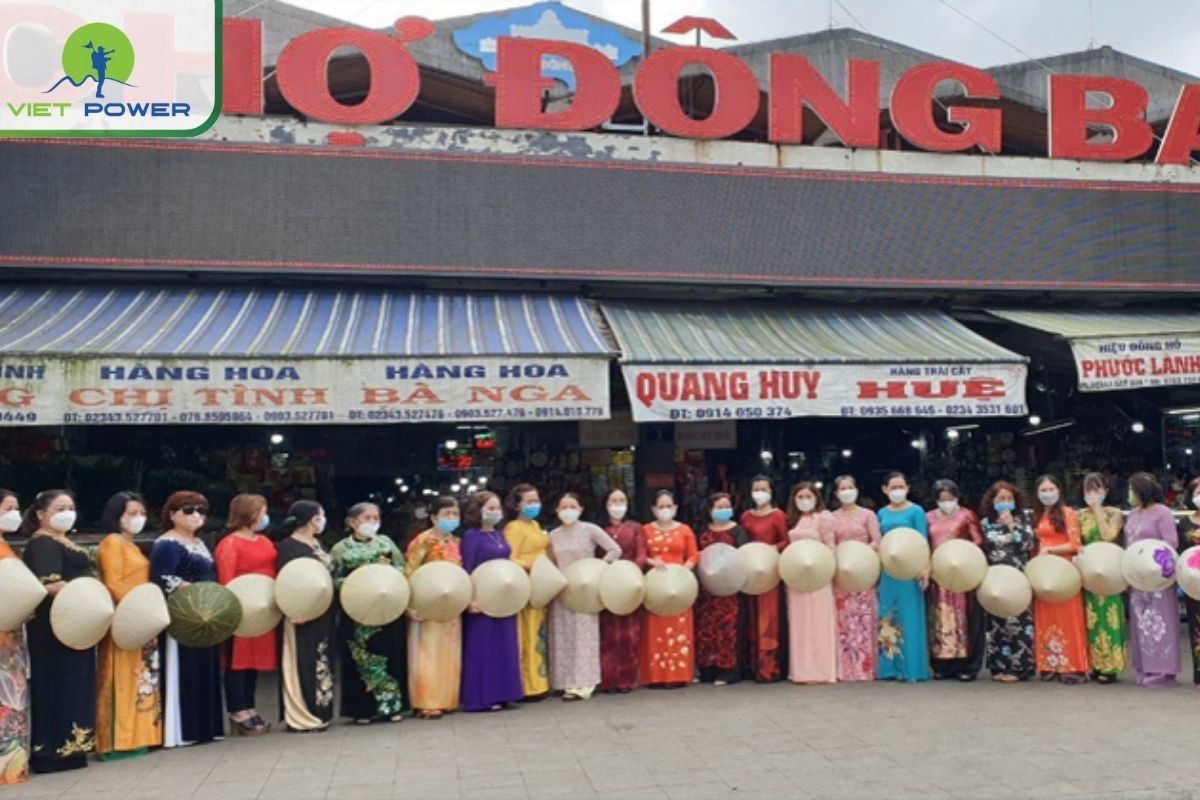
Hue – Dong Ba Market
Hoi An – Lantern Streets & Local Boutiques
Hanoi – Dong Xuan Market & Old Quarter Stalls
.jpg)
Dreaming of an unforgettable Vietnam adventure? Let Vietpower Travel build a personalized tour that brings your vision to life.
Chuong Village – Hanoi
Phu Cam Village – Hue
Thoi Tan Village – Can Tho
.jpg)
Exploring Non La Vietnam is more than buying a souvenir—it is about connecting with history, artisanship, and national pride. From hidden poetry in Hue to river life in Can Tho, every hat tells a story of people and tradition. As a trusted international tour operator, Vietpower Travel offers cultural journeys that bring travelers closer to this heritage. Join us to experience the beauty, creativity, and soul of Vietnam through its most enduring symbol—the Non La.
You can find more stories and travel inspiration in our Vietnam culture category. Discover the beauty of Vietnamese traditions and join a culture tour with Vietpower Travel to see them come alive.
Please kindly send us your ideas about the tours: destinations, attractions, your group, hotel class... we will get back to you with details & best offers quickly. Surely, you will feel satisfactory!
 |
 |
 |
 |
 |
 |

.jpg) Customize Your Trip
Customize Your Trip
 Vietnam
 Thailand
 Laos
Laos Indonesia
 Cambodia
 Myanmar
 Indochina Tours