The Dong Son bronze drum Vietnam is more than an artifact; it is a living symbol of national pride, history, and cultural ingenuity. Originating from the Dong Son culture, these ancient objects provide a vivid glimpse into the social, spiritual, and artistic life of early Vietnamese civilization. Their intricate designs reveal the advanced metallurgical skills and symbolic creativity of ancient artisans.
Today, travelers exploring Vietnam can witness these treasures in museums, cultural exhibitions, or even traditional performances, gaining a deeper appreciation for this ancient Vietnamese artifact. Vietpower Travel offers immersive journeys that highlight such historic sites, connecting visitors with the enduring legacy of Vietnam’s early cultures.
The story of the Dong Son bronze drum begins about 2,000 to 2,500 years ago. This era marked the flourishing of the Dong Son culture across Northern and North Central Vietnam. The drums were more than mere ceremonial objects; in fact, they reflected a highly organized and sophisticated society. This civilization possessed advanced knowledge of metallurgy, and its existence demonstrated social specialization and a rich ritual life.
The Dong Son people built a complex society, which is clearly visible in the construction of the drums. Some of these bronze drums measure up to a meter in diameter. This massive size immediately demonstrates the artisans’ skill in casting large bronze objects. The presence of these objects proves that the society had experts in various fields. Specialized craftsmen handled the entire production process: mining, smelting, casting, and then the intricate decoration of the drums.
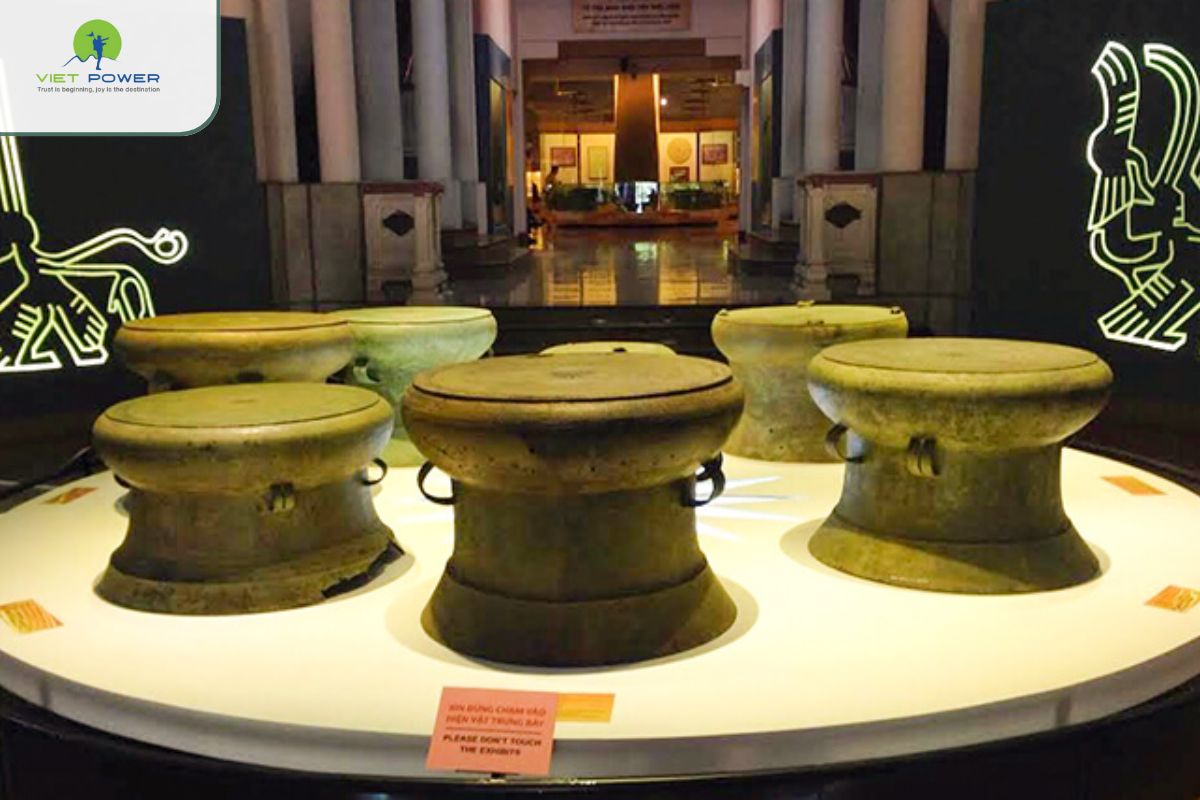
The detailed engravings on the drums provide us with a visual record of their daily life, social hierarchy, and spiritual beliefs. Therefore, these powerful objects truly serve as a window into the past. The term "Dong Son" itself comes from the archaeological site in Thanh Hoa province, Vietnam. That specific location is where archaeologists discovered the first significant examples of the drums, giving the culture its name.
The core period for this bronze drum culture stretched from approximately the 7th Century BC to the 1st Century AD. Ultimately, the significance of the drums lies in the evidence they provide for advanced metallurgy, a structured social hierarchy, and a developed spiritual life.
You can explore more: Vietnam is home to diverse Vietnam culture symbols that reflect history, spirituality, and everyday life. From the red flag with a yellow star (unity and resilience) to the lotus (purity), Ao Dai (elegance), and water buffalo (strength), each icon carries its own story. These cultural in Vietnam treasures combine nature, belief, and tradition, helping travelers understand national identity.
The influence of the Dong Son culture extended far beyond Vietnam. Bronze drums have been found across Southeast Asia, including Laos, Cambodia, Thailand, and Yunnan (Southern China). This widespread presence indicates strong cultural, trade, and political connections.
Even after the decline of the Dong Son civilization, the drum retained symbolic importance. During the Ly and Tran dynasties, it was still used in royal ceremonies and folk rituals. Legends suggest that the Hung Kings employed drums to signal troops in wartime, cementing their role as both spiritual and national symbols.
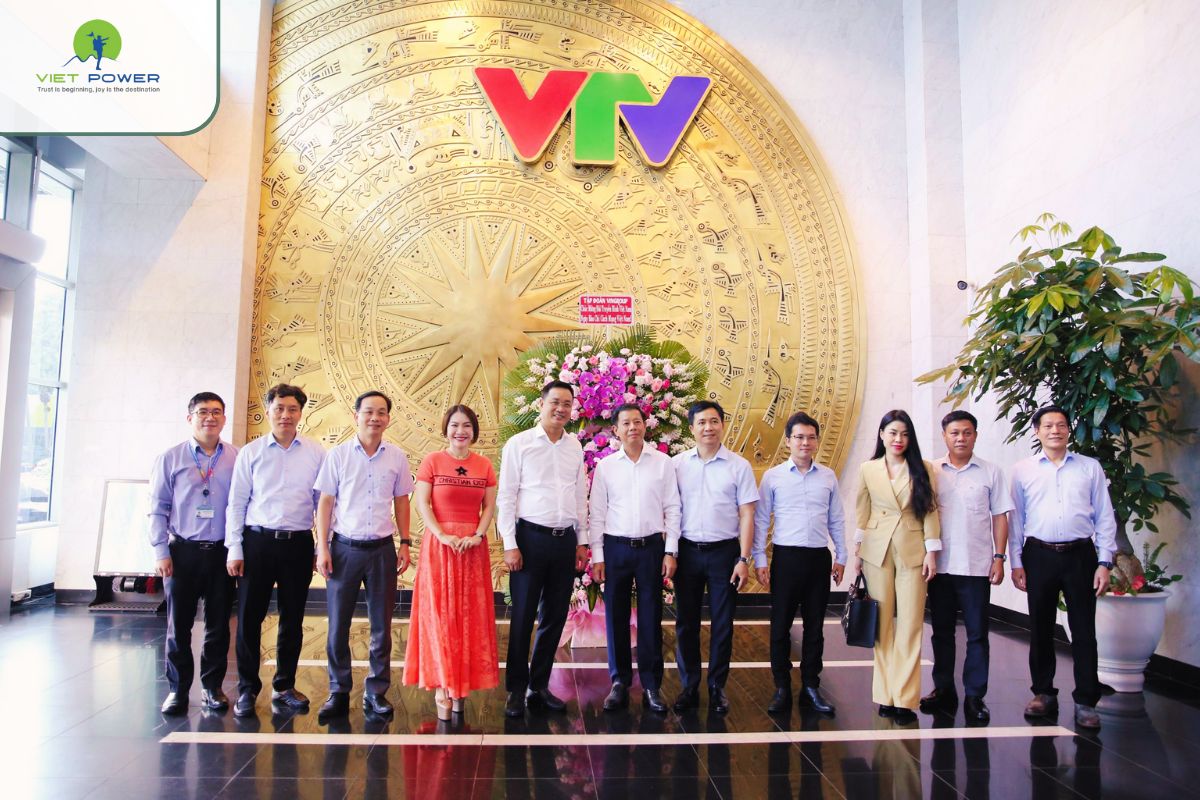
How do we know the Dong Son culture was influential? Hundreds of bronze drums have been found across Southeast Asia, demonstrating a broad cultural footprint.
Let’s continue exploring more about Vietnam and its rich cultural heritage. Visit our Vietnam culture category to discover in-depth guides, traditions, and stories that define this beautiful country.
The craftsmanship of the Dong Son bronze drum is truly exceptional. Each drum's structure consists of four main, carefully cast parts: the drumhead, the mantle (the upper sides), the main body, and the base. This complex assembly demonstrates the advanced metalworking skills of the artisans.
The drumhead serves as the primary surface for artistic expression and symbolic meaning. The centerpiece is a striking, multi-rayed sun-star. This star shape symbolizes the sun and represents ancient, prehistoric solar worship. This powerful motif reflects the spiritual importance the Dong Son people placed on celestial bodies. The sun likely played a crucial role in their agricultural and spiritual calendar, establishing its place as the drum's most significant symbol.
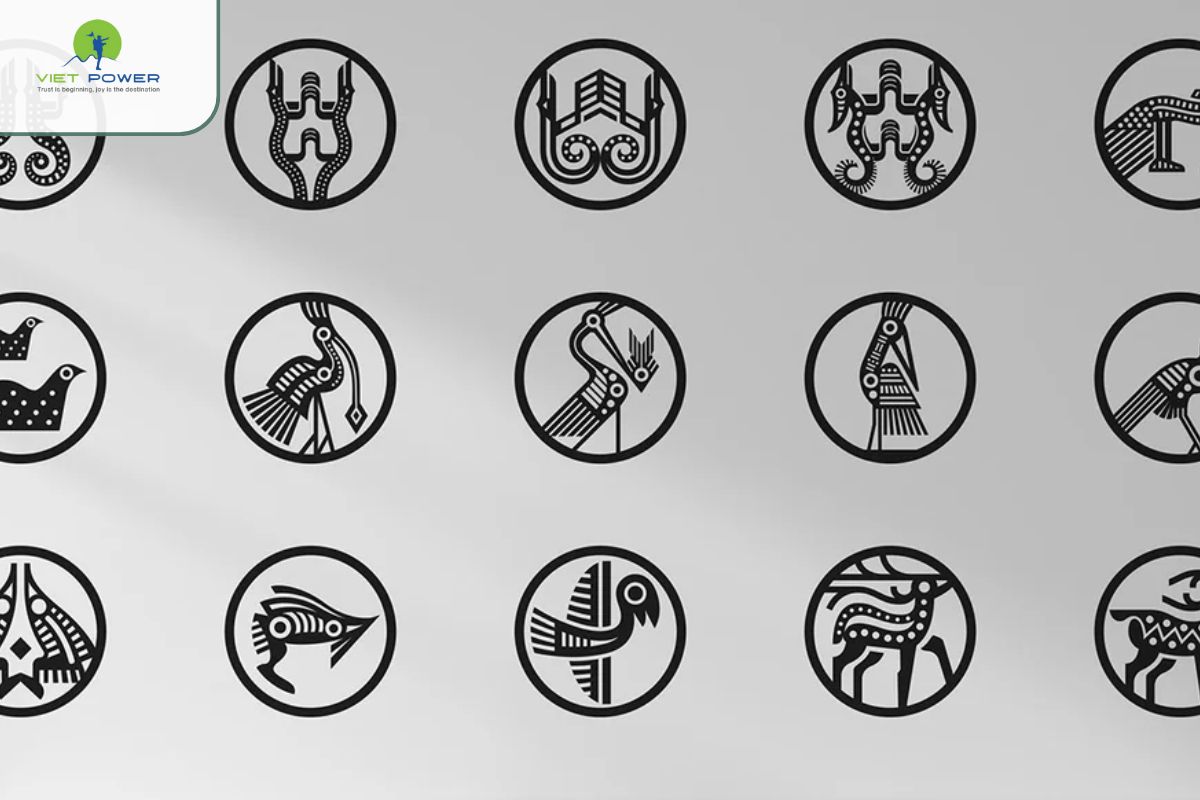
Concentric bands of intricate patterns encircle the central sun-star. These designs are far more than mere decoration; they are rich historical records. They visually preserve the values, beliefs, and artistry of the Dong Son culture.
The bands vividly depict scenes from daily life and ceremonial rituals. For example, the engravings show people hunting, performing agriculture, and participating in lively scenes of dancing and music. Furthermore, the patterns feature important mythical figures, like the Lac bird. The Dong Son people viewed this iconic bird as a symbol of unity and aspiration.
By studying these illustrations, we gain clear insight into their social structure, their spiritual practices, and the customs that defined their society. The consistent themes and artistry across different drums confirm that the Dong Son bronze drum was a standardized, deeply significant cultural object, embodying the collective identity of the civilization.
Continue exploring similar posts to learn more about Vietnam’s traditions, heritage, and way of life;
In ancient times, the Dong Son bronze drum served a dual, vital purpose within society. It was simultaneously a sacred instrument and an unmistakable marker of social status. This made the drum a central object in both the spiritual and political life of the Dong Son people.
The drum was essential for ritual use. People played these powerful instruments during important ceremonies, large community festivals, and collective prayers. Specific ceremonies included those requesting rain for crops, celebrating good harvests, and invoking general prosperity. Their deep, resonant sound was not merely musical; the Dong Son people believed its volume and rhythm could effectively connect humans with deities and ancestors. This deep sound was thought to cross the boundary between the material and the spiritual worlds. Therefore, the drum acted as a crucial communication tool, channeling the community's prayers and intentions to higher powers.
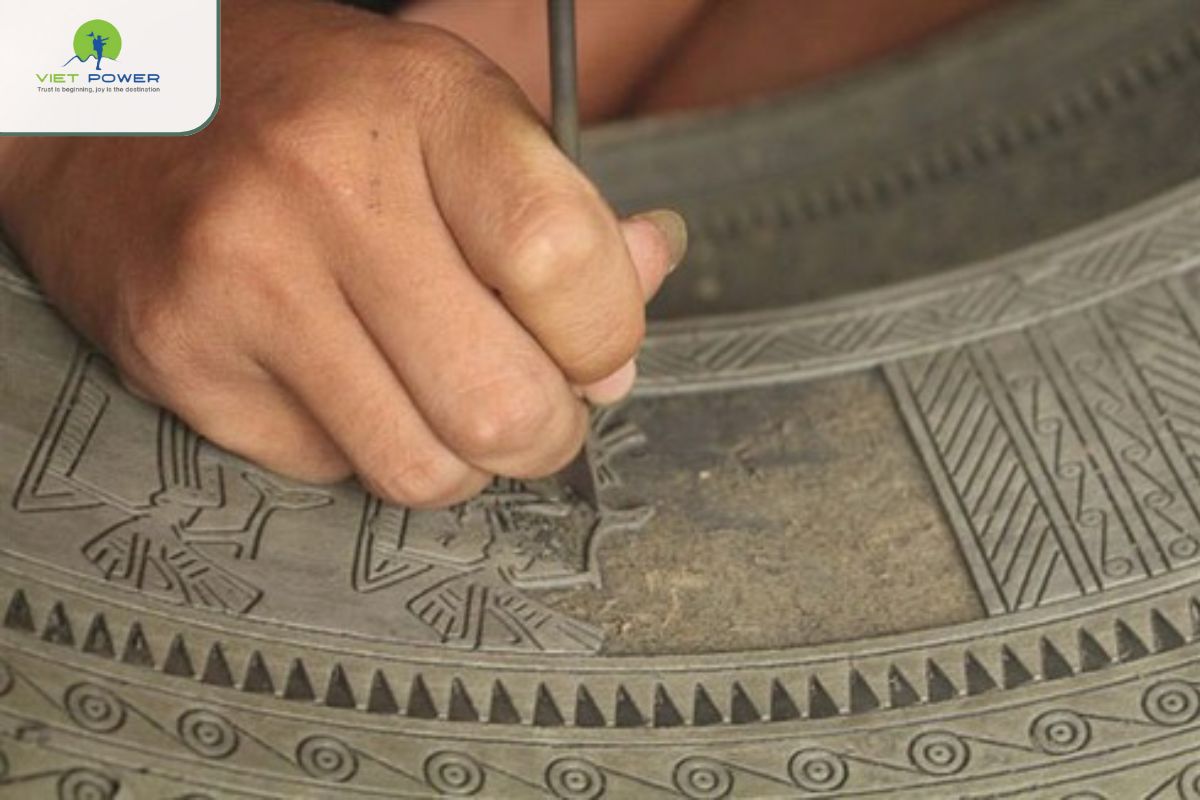
Beyond its religious role, the Dong Son bronze drum held immense social significance. Possessing these large, intricately made objects was extremely rare and reserved only for the ruling elite—the chiefs or kings. This exclusivity immediately established the drum as a potent symbol of political authority and a clear indicator of social hierarchy.
A ruler’s power and wealth could be measured by the size, number, and ornate decoration of the bronze drums they owned. Because the production process was difficult and required advanced metallurgy skills, the drums represented control over valuable resources, skilled labor, and complex technology. Consequently, they reinforced the existing power structure, visually proclaiming who held command over the community.
Finally, the drum served as a remarkable canvas for artistic expression. The intricate patterns and scenes cast onto the drum’s surface showcase the artisans’ considerable creativity and intellect. These detailed engravings were not random; they meticulously recorded aspects of daily life, local mythology, and the people's spiritual cosmology. They provide historians with a rich, unique perspective on the culture’s values, serving as a tangible record of their world. Thus, the Dong Son bronze drum was fundamental to their spiritual practices, central to their political structure, and a enduring source of historical information.
Discover more posts on the same topic to deepen your understanding of Vietnam’s culture:
The Dong Son bronze drum continues to hold profound significance in modern Vietnam; it inspires strong national pride and cultural identity. Its powerful motifs, such as the central sun-star and the iconic Lac bird, are seamlessly incorporated into modern design. You can often see these patterns appearing in contemporary logos, national emblems, and various applied arts, making the ancient culture feel current.
The drum also plays an important role in the nation's international relations. Miniature drums serve a practical diplomatic use, frequently being presented as high-value cultural gifts to international leaders and foreign dignitaries. This practice subtly yet effectively promotes Vietnamese heritage and culture abroad, showcasing the nation's rich history and sophistication.
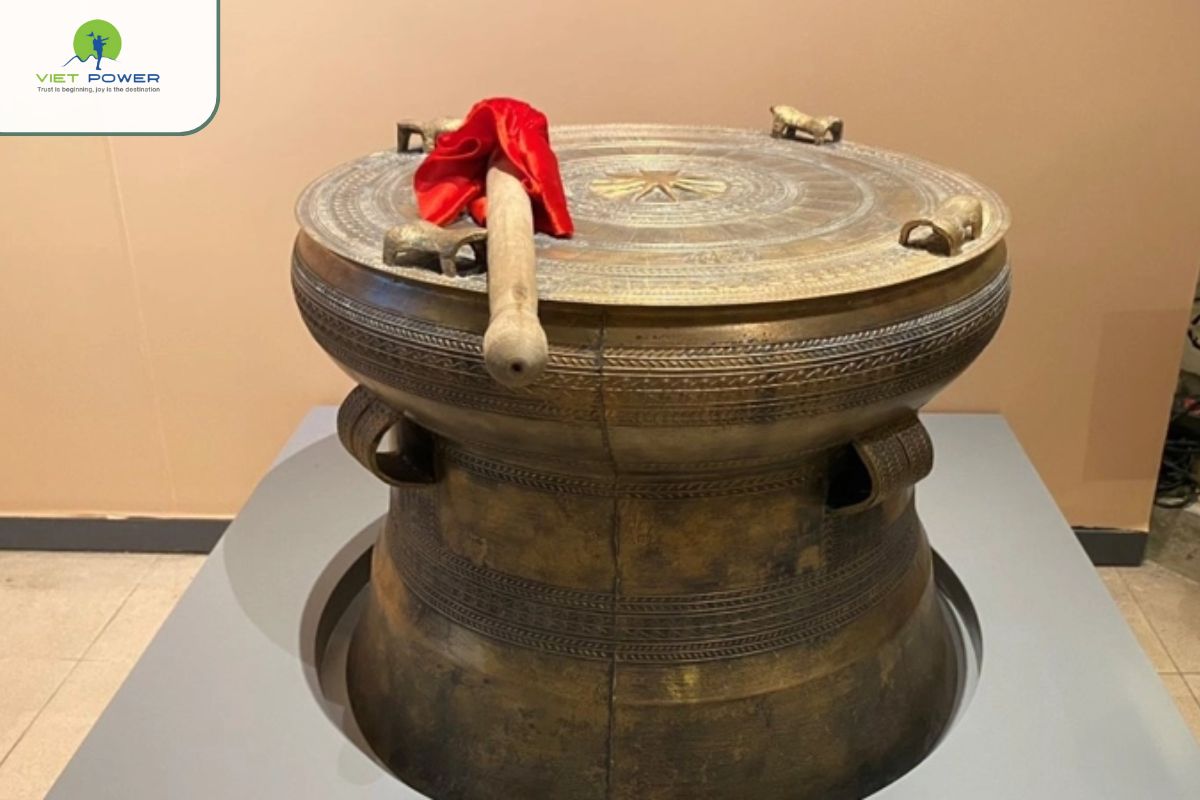
For travelers interested in exploring the historical significance of the Dong Son bronze drum, several places in Vietnam offer exceptional viewing opportunities. The National Museum of History in Hanoi displays some of the most spectacular, well-preserved drums. A visit here provides unparalleled insight into ancient Vietnamese artifacts, social structures, and spiritual practices.
Furthermore, the Thanh Hoa Museum (in Thanh Hoa province, the area where the first significant drum was found) also houses an excellent collection and offers regional context. Travelers can visit these premier museums or local cultural centers to engage directly with the history, often through detailed, interactive exhibits. The drums' educational use in these institutions ensures that the story of the Dong Son culture remains alive and accessible to both citizens and international visitors.
Let Vietpower Travel transform your curiosity about Vietnam into a customized adventure made just for you.
The Dong Son bronze drum is more than an artifact; it is a living symbol of Vietnam’s history, artistry, and spiritual depth. From its origins in the Dong Son culture to its role in modern national identity, it embodies the enduring creativity and beliefs of the Vietnamese people. Visiting museums or cultural exhibitions to view these drums offers insight into their drum patterns meaning and historical significance. Travelers can also explore traditional villages, local workshops, or regional festivals to see how the drum’s legacy continues in music and cultural life. Vietpower Travel helps travelers connect with these authentic experiences, providing a deeper understanding of Vietnam’s ancient civilization.
The Dong Son bronze drum remains a bridge between past and present, a testament to the ingenuity of ancient Vietnamese artifacts, and a symbol that resonates across generations. Engaging with its history allows visitors to witness the richness of Vietnam’s cultural heritage firsthand.
Discover more posts about Vietnam’s culture, art, and history. When you’re ready to immerse yourself in it, join a cultural tour with Vietpower Travel and connect with the authentic spirit of Vietnam.
Please kindly send us your ideas about the tours: destinations, attractions, your group, hotel class... we will get back to you with details & best offers quickly. Surely, you will feel satisfactory!
 |
 |
 |
 |
 |
 |

.jpg) Customize Your Trip
Customize Your Trip
 Vietnam
 Thailand
 Laos
Laos Indonesia
 Cambodia
 Myanmar
 Indochina Tours