With Vietpower Travel, travelers can explore Ca Tru, one of Vietnam’s most refined forms of traditional ceremonial music. Originating in Northern Vietnam, Ca Tru blends poetic singing, ritual performance, and scholarly aesthetics into an intimate cultural experience. This art form reflects the intellectual and ceremonial character of Vietnamese heritage, where listening and interpretation hold central value. Discovering Ca Tru offers deeper insight into Vietnam’s musical traditions beyond mainstream performances.
Before exploring its origins and performance details, it is helpful to understand what defines Ca Tru within Vietnam’s musical heritage. This refined art form developed in intimate settings where poetry, voice, and rhythm are closely connected, shaping a ceremonial listening experience rather than a public stage performance.
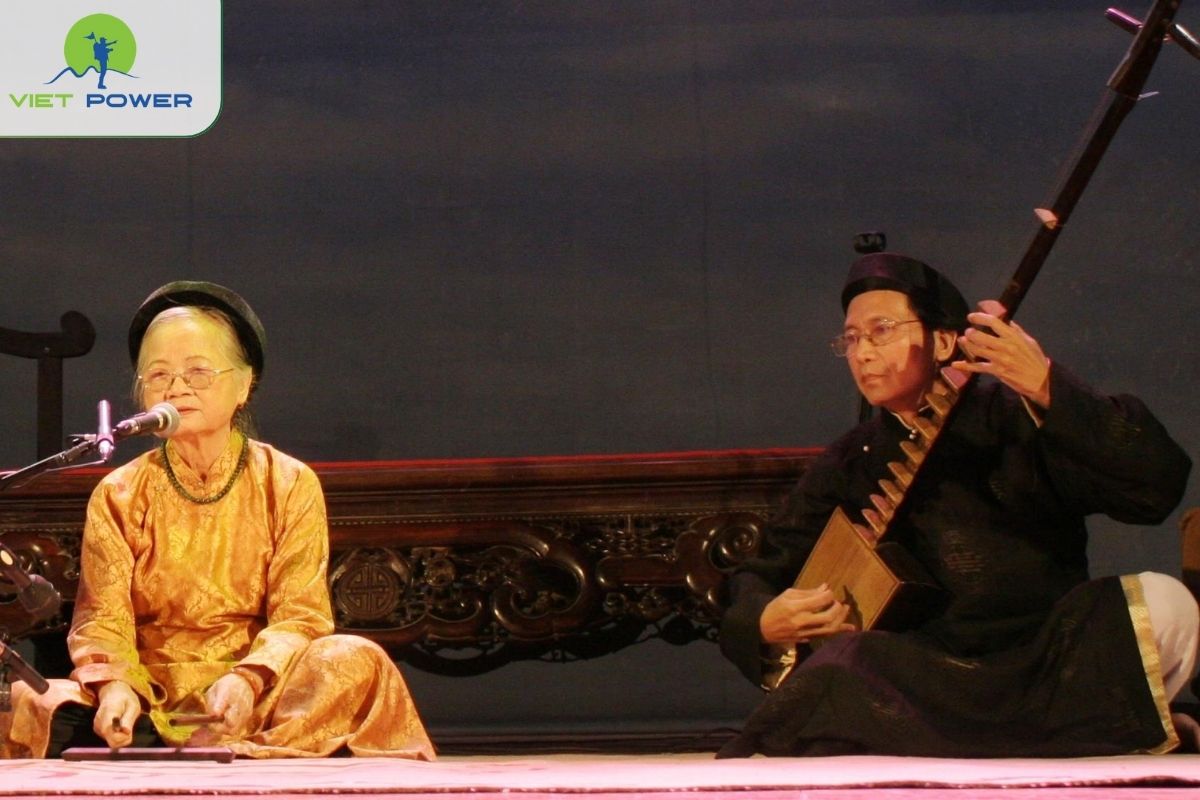
Ca Tru is a distinctive form of Vietnamese traditional music that belongs to the category of ceremonial chamber music. It is designed for small, intimate settings where listeners focus on subtle vocal expression, poetic meaning, and refined musical interaction. Rather than serving mass entertainment, Ca Tru functions as an art of contemplation, requiring cultural awareness and attentive listening.
As a form of ceremonial music, Ca Tru is closely connected to ritual practices and formal gatherings. Its performance emphasizes balance, restraint, and intellectual depth, with lyrics rooted in classical poetry and a singing style that values nuance over volume. This combination of chamber music aesthetics and poetic singing sets Ca Tru apart from more communal or theatrical genres.
Ca Tru originated in Northern Vietnam, particularly in the Red River Delta, where it was first performed during village rituals and communal festivals. Early performances took place in communal houses, temples, pagodas, and shrines, serving spiritual purposes such as honoring deities, ancestors, and local guardian spirits.
In this early stage, Ca Tru carried a strong ceremonial function rather than an entertainment role. Ca Tru originated in Northern Vietnam, especially in the Red River Delta, an area known for its long-standing village traditions, ritual practices, and strong scholarly culture.
Continue exploring similar posts to learn more about Vietnam’s diverse cultural expressions. Our Vietnam culture category is filled with ideas and stories that bring the country’s heritage to life.
Ca Tru follows a musical structure in which poetry determines the flow of sound. Instead of fixed melodies or repetitive patterns, performances are shaped by language, meaning, and interpretation. This structure reflects a listening culture where understanding words and rhythm is essential to appreciating the art form.
At its core, Ca Tru is poetry that is sung rather than spoken. The singer delivers verses with precise articulation and controlled pitch, allowing the meaning of each line to guide vocal expression. Musical embellishment remains restrained so that words and poetic imagery remain clear.
This approach places intellectual engagement above dramatic sound. As a result, Ca Tru has long been associated with educated audiences who value literary depth and vocal discipline.
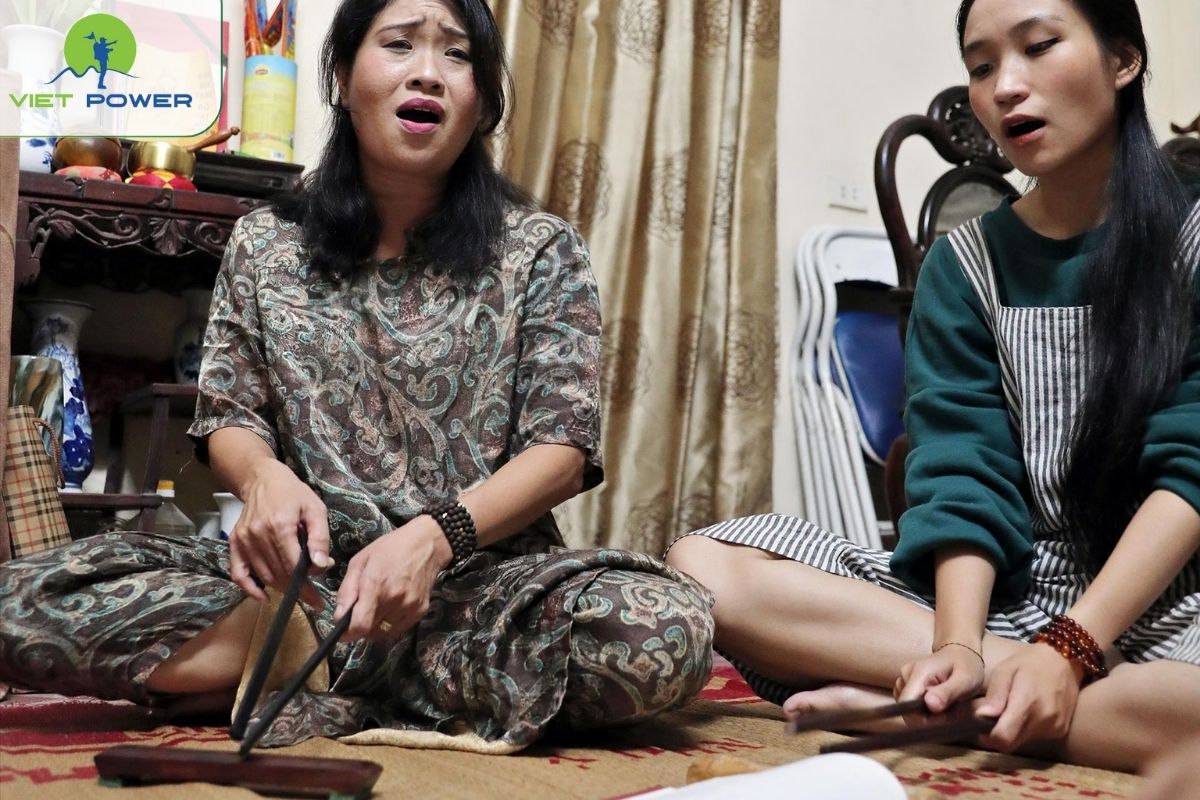
Ca Tru does not follow a fixed tempo like many modern music styles. Instead, its rhythm changes naturally according to the length, mood, and meaning of each poetic line. Wooden clappers are used to guide timing, allowing the singer to slow down or move forward in harmony with the words being sung.
An essential part of Ca Tru is the role of the listener. Knowledgeable audience members do more than listen quietly; they actively respond to the performance through rhythmic cues. Their reactions reflect how well the poetry, voice, and timing come together, shaping the flow of the music as it unfolds. In Ca Tru, listening becomes a meaningful part of the performance rather than a passive act.
Vietnam culture music reflects centuries of history, from heartfelt folk songs to ceremonial court music and soulful gong traditions. Each region brings unique melodies and instruments such as the dan bau, dan tranh, and bamboo flute. Recognized by UNESCO and celebrated in festivals, these traditions connect visitors with authentic cultural values. You can explore more about Vietnam music in the following post!
Turn your dream of discovering Vietnam into reality with a personalized tour crafted by Vietpower Travel.
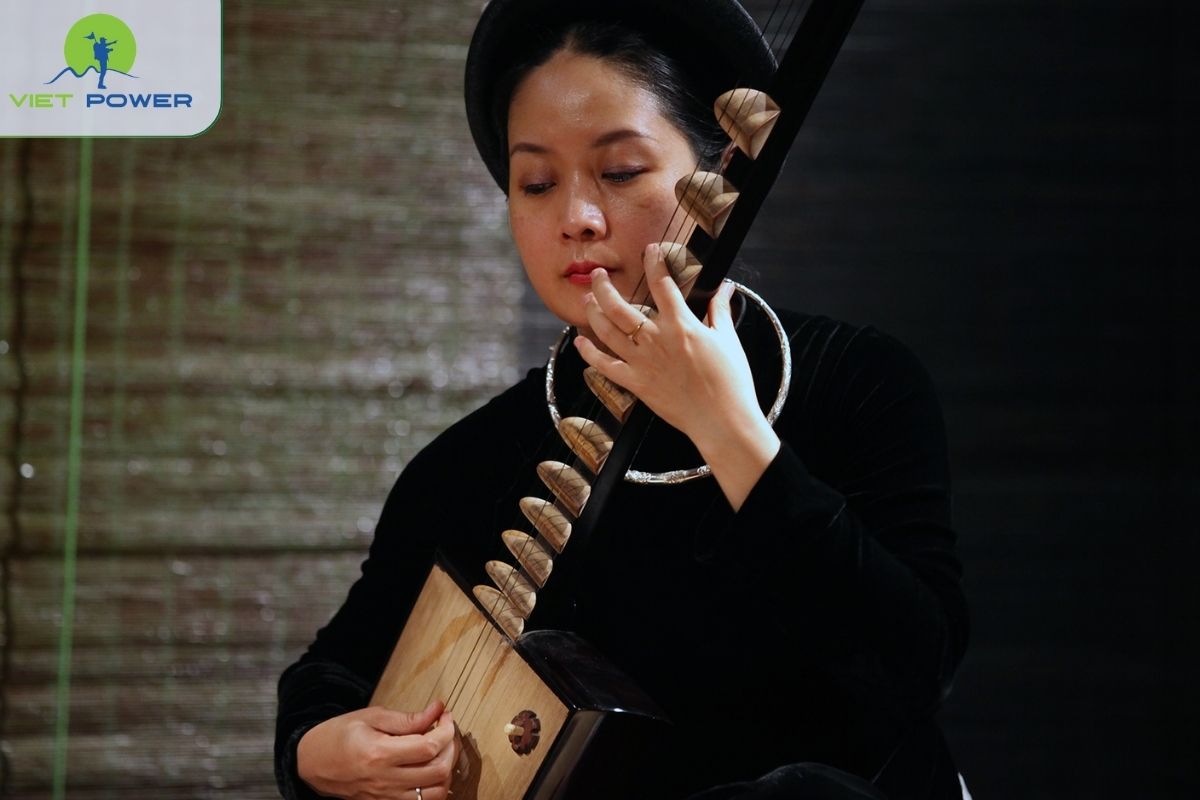
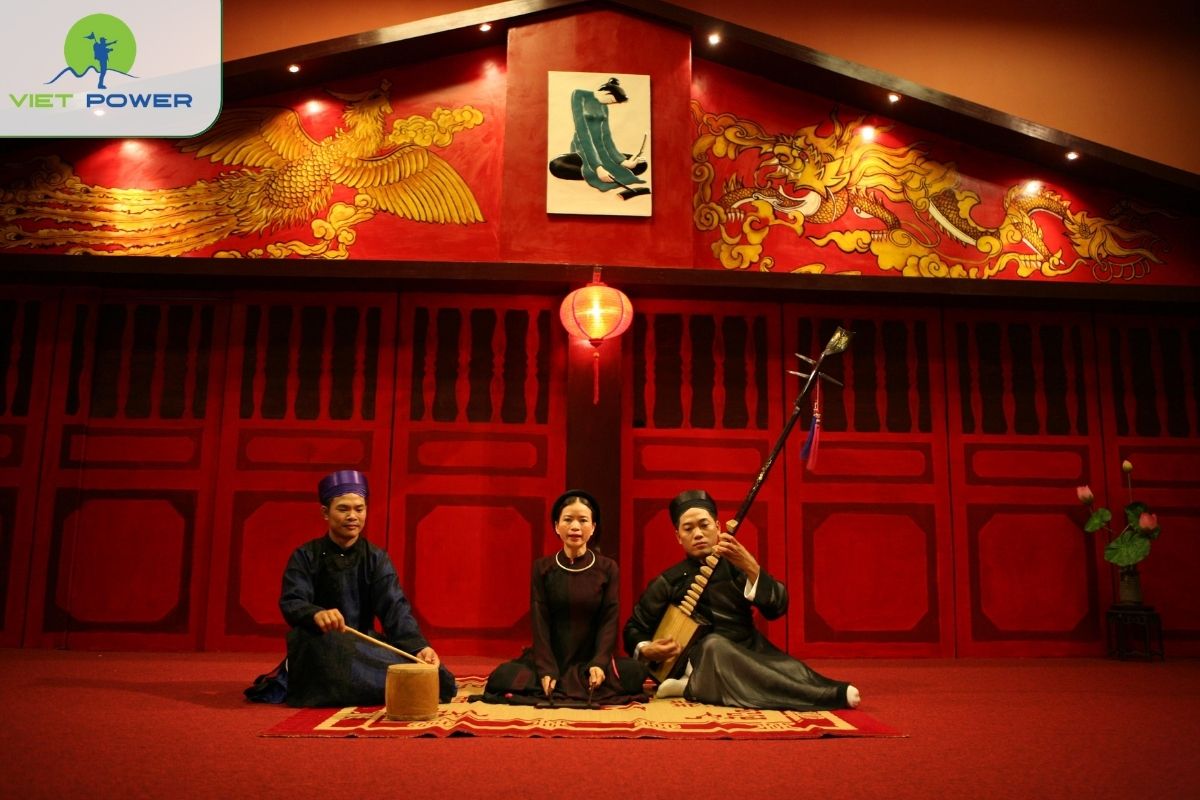
Ca Tru is performed with a small and carefully balanced group of instruments. Each one supports the singer without drawing attention away from the poetry. This balance allows the voice and lyrics to remain central, preserving the ceremonial and intimate nature of the music.
The Dan Day instrument forms the musical base of Ca Tru. Its deep, steady sound closely follows the singer’s voice, providing support without overpowering it. The instrument helps maintain vocal control and emotional balance, ensuring that the focus stays on the lyrics and their meaning throughout the performance.
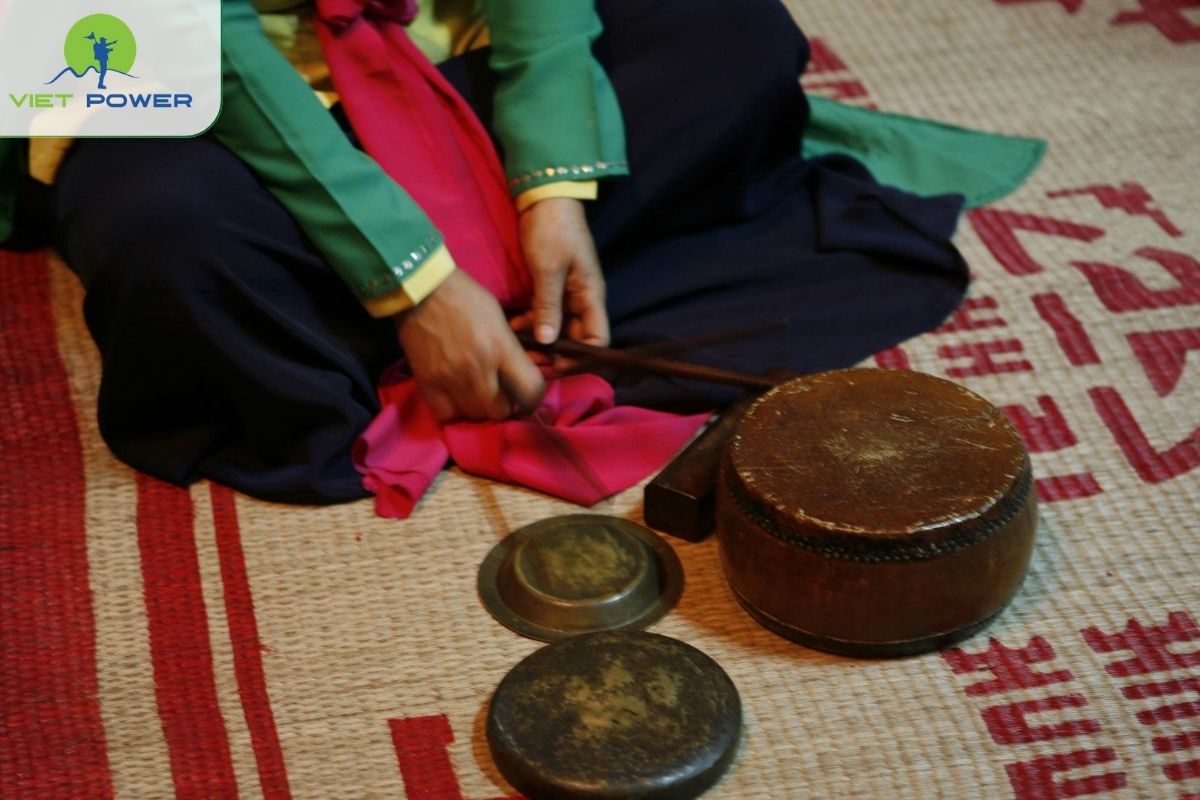
Wooden clappers set the rhythm through clear, visible movements that guide pacing. Alongside them, the praise drum is used to express evaluation during the performance. Specific drum beats signal appreciation or approval at key moments.
Together, these elements create a shared musical language between performer and audience. Rhythm becomes a form of communication, reinforcing Ca Tru’s ceremonial character and its place within Vietnam’s traditional music heritage, where attentive listening and cultural understanding shape the overall experience.
Let’s explore more posts on this topic to discover even more about Vietnam’s unique culture:
Ca Tru is viewed as a sophisticated art form because it reflects a cultural tradition built on learning, restraint, and thoughtful appreciation. Understanding Ca Tru requires attention to language, sound, and rhythm, rather than reacting to loudness or visual performance.
Ca Tru developed within circles of scholars, poets, and educated audiences. Performers are expected to understand classical poetry, tonal nuance, and vocal control, while listeners are familiar with poetic meaning and rhythmic balance. Expression is restrained and carefully shaped, allowing words to carry emotional and cultural depth.
This shared cultural knowledge creates a refined exchange between performer and audience. As a result, Ca Tru represents an intellectual form of traditional music in Vietnam, where artistic value is judged through understanding and sensitivity rather than immediate emotional reaction.
Listening etiquette plays a central role in Ca Tru performances. Audiences do not clap loudly or interrupt the music. Instead, they remain quiet and attentive, focusing on subtle changes in voice, timing, and expression.
This calm listening environment encourages concentration and deeper engagement. The experience values awareness and cultural understanding, reinforcing Ca Tru’s reputation as a thoughtful and refined musical tradition.
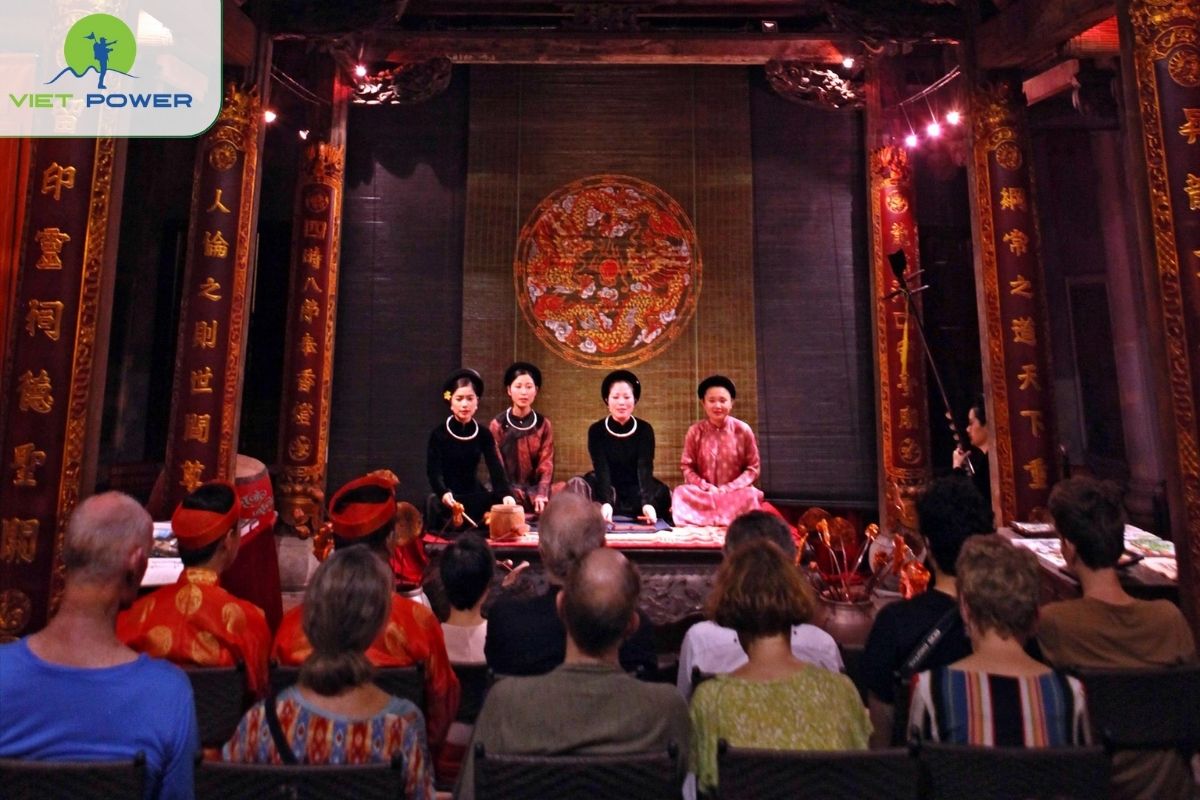
Today, travelers can experience Ca Tru in Hanoi through a combination of historic heritage sites and organized cultural programs. These locations preserve the intimate atmosphere essential to the art form.
Several well-known venues in Hanoi regularly host Ca Tru performances in spaces closely connected to its ceremonial roots:
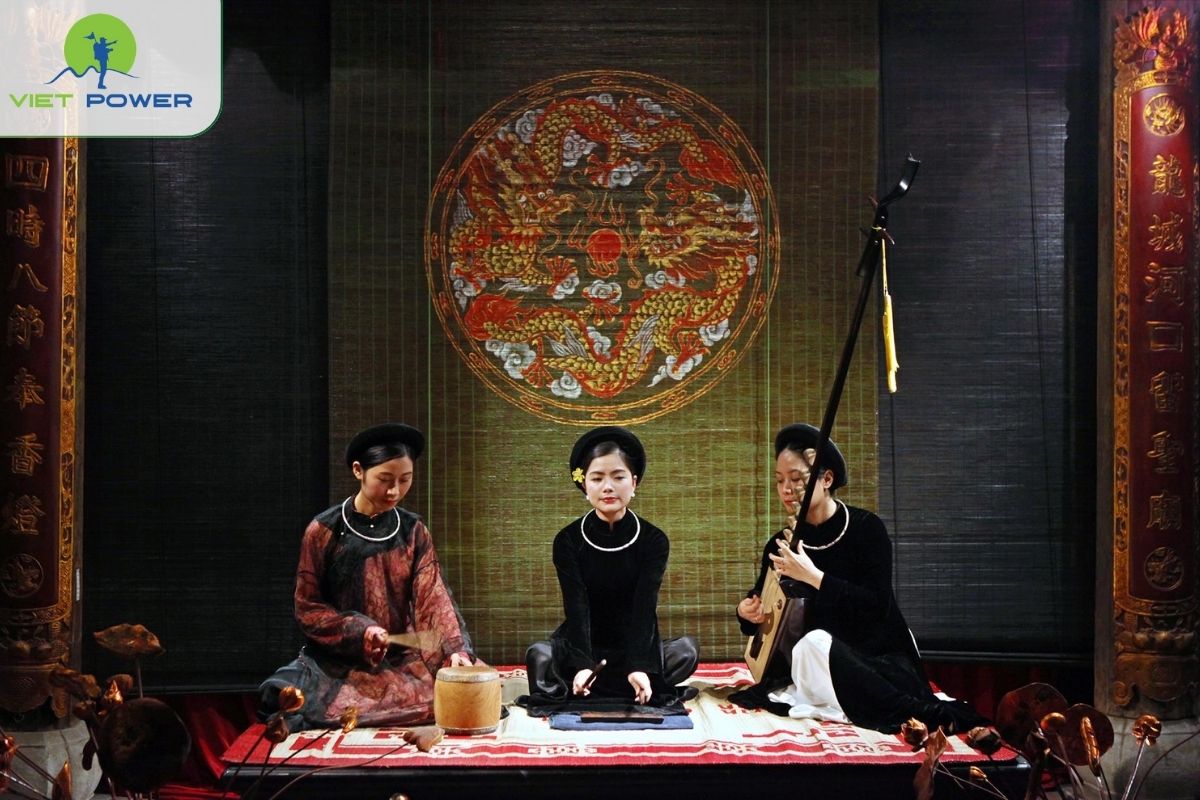
In addition to heritage sites, Ca Tru clubs play a key role in preservation and public access. Clubs such as Ca Tru Thăng Long and Ca Tru Thái Hà organize scheduled performances, often accompanied by brief introductions explaining the music and instruments.
Through cultural tourism programs, these clubs make Ca Tru accessible to international visitors while maintaining its traditional form. This approach helps travelers understand the art more clearly and supports ongoing efforts to preserve and pass on the tradition.
Continue exploring similar posts to learn more about Vietnam’s traditions, heritage, and way of life;
In traditional settings, Ca Tru is performed during village festivals linked to ancestor worship and guild remembrance. A well-known example is Lỗ Khê Village (Đông Anh District, Hanoi), regarded as one of the historical centers of Ca Tru.
Including Ca Tru in a travel itinerary offers visitors a deeper connection to Vietnam’s cultural heritage. With a few practical considerations, first-time listeners can enjoy the experience comfortably and meaningfully.
Evening performances are generally the most suitable, as they reflect traditional viewing hours and offer a calm atmosphere. Small-group settings allow visitors to hear vocal details clearly and observe interaction between performers and audience.
Many venues provide a brief introduction before the performance, explaining the instruments, rhythm, and listening approach. This context helps travelers appreciate Ca Tru as a refined form of traditional music rather than a conventional stage show.
Respectful behavior plays an essential role in Ca Tru performances. Visitors are advised to wear modest, neat clothing and arrive on time to avoid interrupting the flow of the music. Photography should be limited and only taken with permission.
During the performance, silence is expected. Loud conversation, phone use, or applause during the singing should be avoided. Observing these practices helps preserve the atmosphere and allows visitors to engage more fully with the cultural experience.
From village rituals to heritage venues in Hanoi, Ca Tru continues to represent the intellectual depth and cultural refinement of Vietnam. Its poetic structure, ceremonial setting, and respectful listening traditions make it a meaningful experience for cultural travelers. By including Ca Tru in curated itineraries, visitors gain a closer connection to Vietnam’s living heritage. Explore more authentic experiences like this through Vietnam Culture with Vietpower Travel.
Continue exploring Vietnam’s culture through its traditions, festivals, and local life. Visit our Vietnam culture category for more insights, then book a Vietnam culture tour for family with Vietpower Travel to experience it firsthand.
Please kindly send us your ideas about the tours: destinations, attractions, your group, hotel class... we will get back to you with details & best offers quickly. Surely, you will feel satisfactory!
 |
 |
 |
 |
 |
 |

.jpg) Customize Your Trip
Customize Your Trip
 Vietnam
 Thailand
 Laos
Laos Indonesia
 Cambodia
 Myanmar
 Indochina Tours