Vietpower Travel introduces Quan Ho Singing, one of Vietnam’s most refined forms of traditional music rooted in Bac Ninh folk culture. Recognized by UNESCO as an Intangible Cultural Heritage of Humanity, Quan Ho is known for its antiphonal love duet tradition, elegant social etiquette, and distinctive melodies. This article explores how Quan Ho Singing reflects community values, vocal artistry, and festival life in Northern Vietnam, offering cultural travelers a deeper understanding of its enduring appeal.
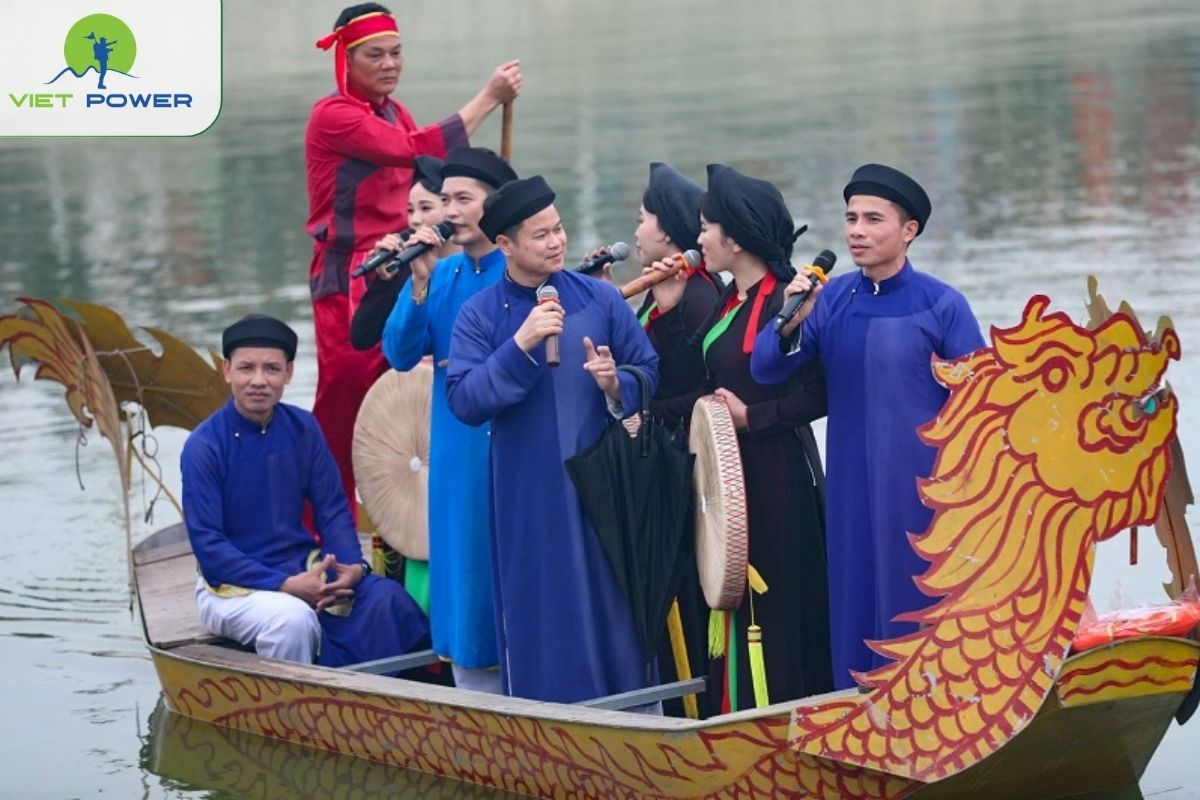
Quan Ho Singing is a Northern Vietnamese folk vocal tradition built on structured duet exchange and strict cultural etiquette. It is recognized for three defining traits: (1) antiphonal singing between two groups, (2) paired voices that blend into a single unified sound, and (3) community rules that keep the practice respectful, symbolic, and socially grounded.
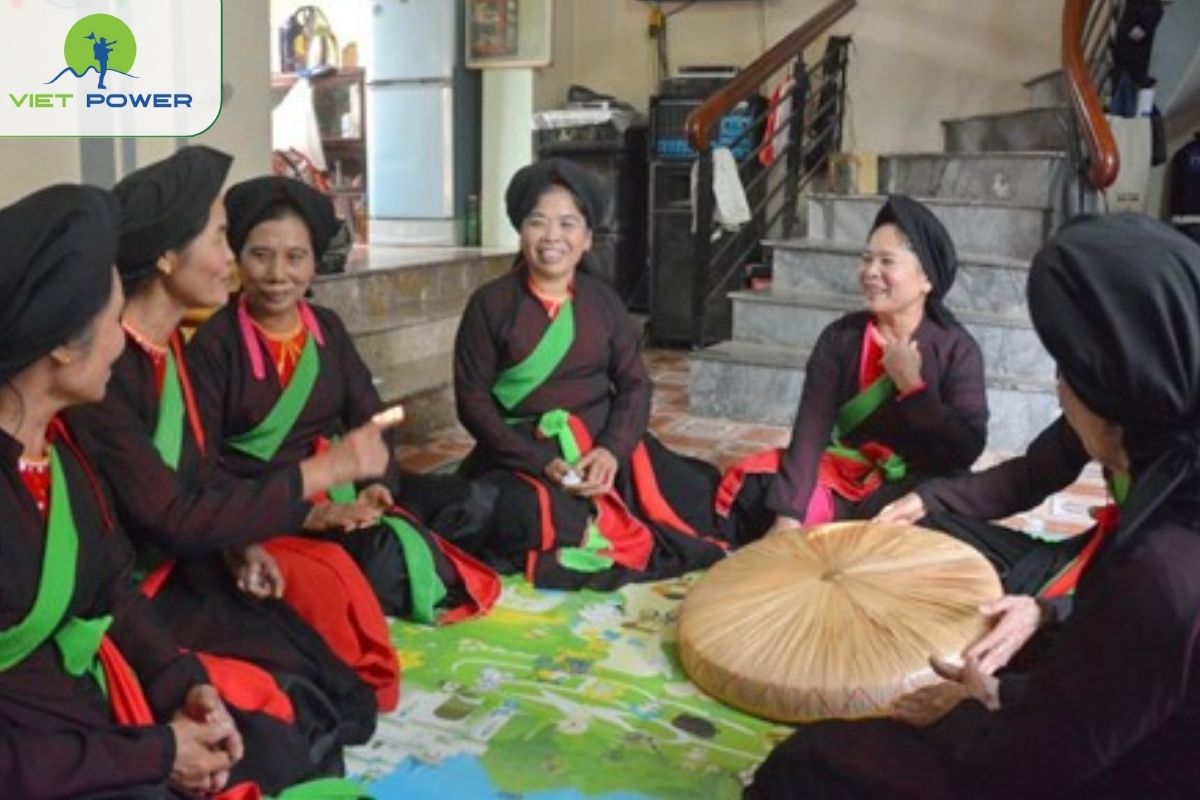
Quan Ho follows an antiphonal (call-and-response) format. Two groups—usually from two different villages—take turns singing in a musical dialogue. A common sequence works like this:
What makes this duet tradition special is its courtly tone and emotional discipline. The lyrics frequently speak about affection, longing, and farewell, but the interaction is guided by politeness and balance. The aim is to maintain harmony in voice and behavior—singers show warmth through poetic language, while keeping the exchange graceful and controlled.
Key elements that define the tradition:
Quan Ho is performed by men (liền anh) and women (liền chị) who sing in pairs. These are cultural titles that represent roles within the community rather than personal identities.
Liền chị (female singers)
Liền anh (male singers)
A signature principle in Quan Ho is that paired singers produce “two voices, one harmony.” This requires:
Quan Ho culture is also shaped by clear social rules:
Explore more posts within this topic and uncover even more of what makes Vietnam’s culture so captivating. Head to our Vietnam culture category for insights, stories, and cultural highlights across the country.
Quan Ho developed in the cultural environment of Kinh Bac, where village life, seasonal rituals, and inter-village relationships shaped how music was created and shared. Its origin story is closely tied to geography and social customs in Northern Vietnam.
Quan Ho is rooted in the Kinh Bac cultural region, centered on Bac Ninh and Bac Giang. In this setting, singing was woven into communal spaces and seasonal gatherings.
Traditional performance settings include:
A major foundation for Quan Ho’s formation is kết chạ—a system of formal friendship rituals between villages. Through these village bonds, communities created recurring opportunities to meet, host one another, and exchange verses.
In this early form, Quan Ho functioned as:
Only later did Quan Ho expand into staged presentations for wider audiences. Its earliest form remained community-centered, emphasizing participation, etiquette, and the long-term relationships built through repeated singing exchanges.
Vietnam culture music reflects centuries of history, from heartfelt folk songs to ceremonial court music and soulful gong traditions. Each region brings unique melodies and instruments such as the dan bau, dan tranh, and bamboo flute. Recognized by UNESCO and celebrated in festivals, these traditions connect visitors with authentic cultural values. You can explore more about Vietnam music in the following post!
Discover Vietnam beyond the ordinary with a bespoke travel experience thoughtfully arranged by Vietpower Travel.
Quan Ho Singing gained international recognition because it represents a rare example of a folk vocal tradition that continues to function within community life. Its value lies in how music, social conduct, and collective memory are preserved together through regular practice rather than archival preservation.
In 2009, Quan Ho Singing was inscribed on the UNESCO Representative List of the Intangible Cultural Heritage of Humanity. This designation acknowledges Quan Ho as a form of cultural expression transmitted through lived practice, oral tradition, and social interaction.
UNESCO recognizes Quan Ho as a living heritage, meaning it is sustained through active participation by communities rather than fixed scripts or museum presentation. Singers learn through observation, repetition, and direct mentorship, allowing the tradition to remain relevant within modern social contexts while retaining its core principles.
Quan Ho Singing is passed down across generations through family networks, village groups, and local cultural clubs. This transmission process maintains continuity while allowing performers to adapt phrasing and delivery within established conventions.
Beyond music, Quan Ho plays a role in shaping social behavior. The tradition reinforces respectful interaction, collective responsibility, and shared identity among participating communities. Younger generations learn social etiquette, listening skills, and emotional restraint through participation, ensuring that cultural values remain embedded in everyday life rather than formal instruction.
Explore more posts within this topic and uncover more of what makes Vietnam’s culture so fascinating;
The musical identity of Quan Ho Singing is shaped by a broad melodic system and refined vocal techniques that prioritize balance and clarity. These features set Quan Ho apart within Vietnam’s traditional music landscape and give it a recognizable sonic character.
Quan Ho Singing features more than 200 documented melody patterns, locally known as giọng, along with several hundred song texts. Each melody follows established contours, while lyrics are adapted to suit the context of the exchange.
Common themes include:
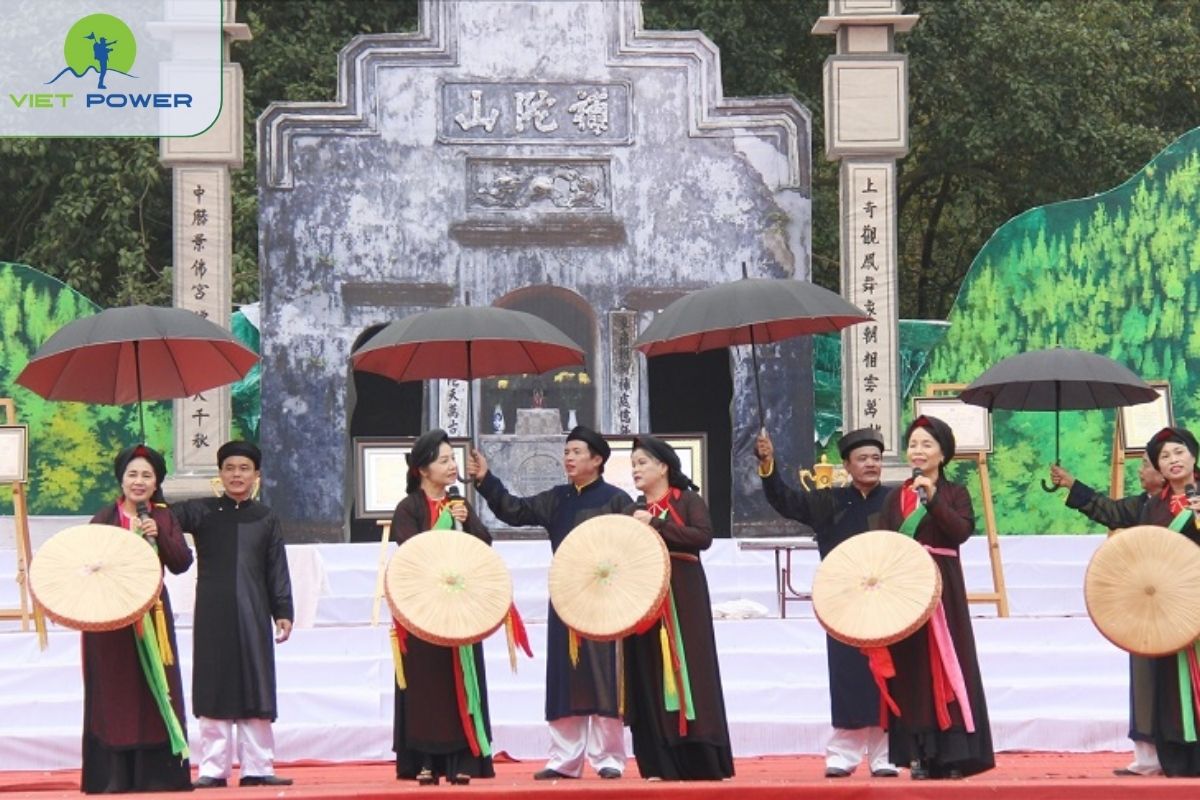
Quan Ho is performed without instrumental dominance, placing full emphasis on the human voice. Singers apply four core techniques that shape the tradition’s sound:
Discover more posts on the same topic to deepen your understanding of Vietnam’s culture:
Quan Ho Singing is most authentically experienced during traditional festivals in Northern Vietnam, where music is closely connected to communal life, rituals, and seasonal celebrations. These festivals provide clear settings, fixed schedules, and recognizable performance spaces, making them ideal for cultural travelers.
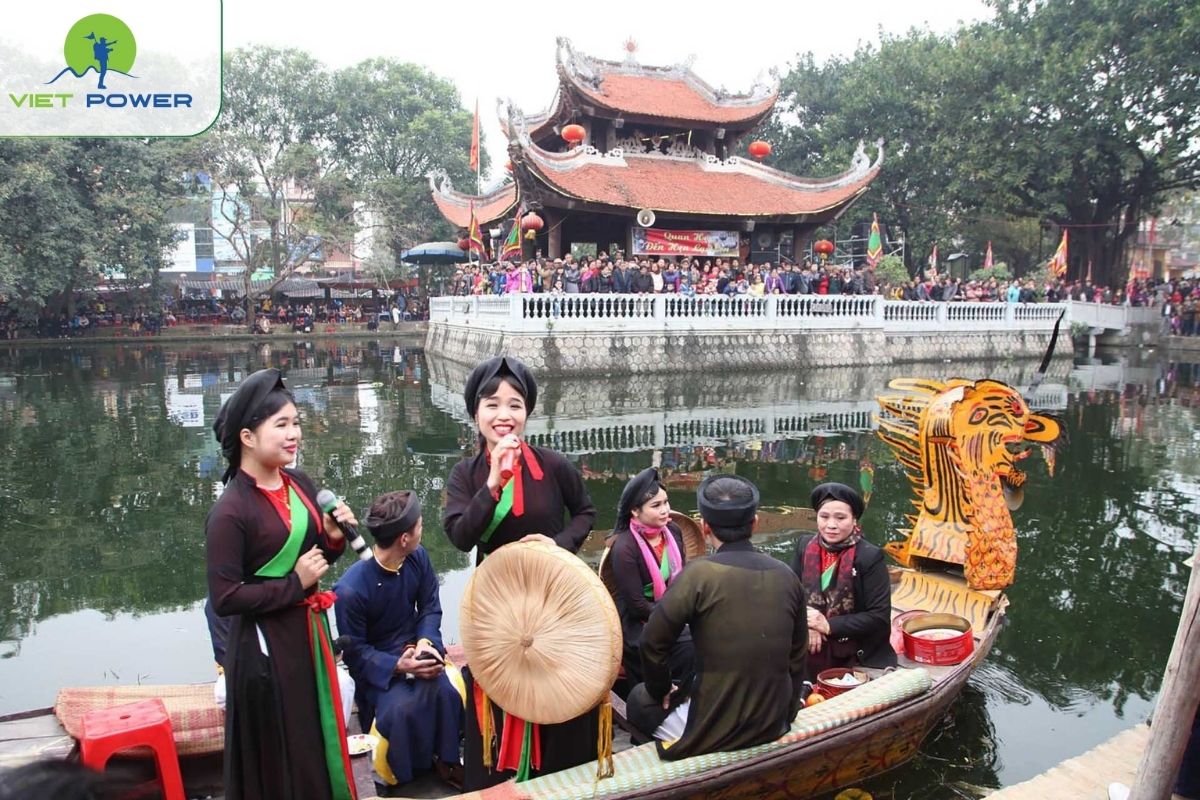
Lim Festival is the most prominent event associated with Quan Ho Singing and is considered the cultural centerpiece of this tradition.
During Lim Festival, Quan Ho Singing is presented in multiple traditional forms:
Beyond the Lim Festival, Quan Ho Singing appears regularly during spring festivals held in several provinces of Northern Vietnam.
Common period: Lunar January to early Lunar February
Typical locations:
There are two main performance formats travelers may encounter:
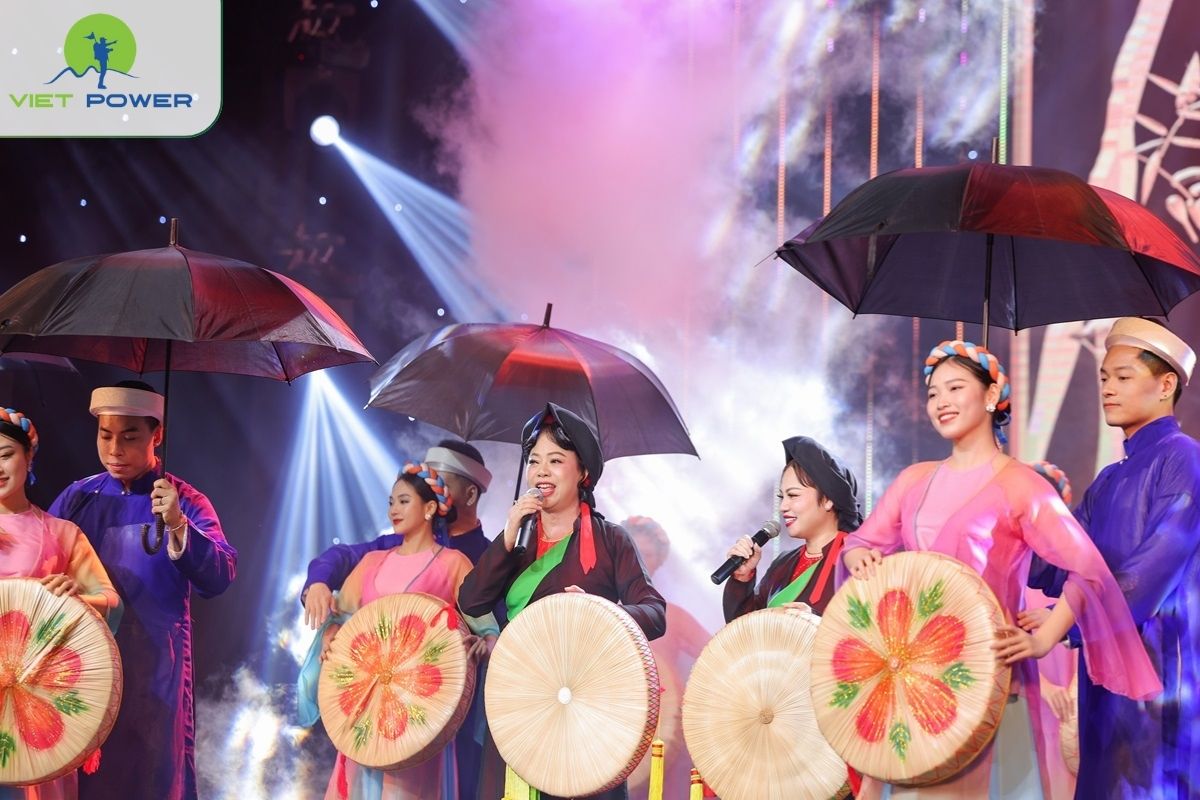
In addition to village festivals, Quan Ho Singing is also featured at:
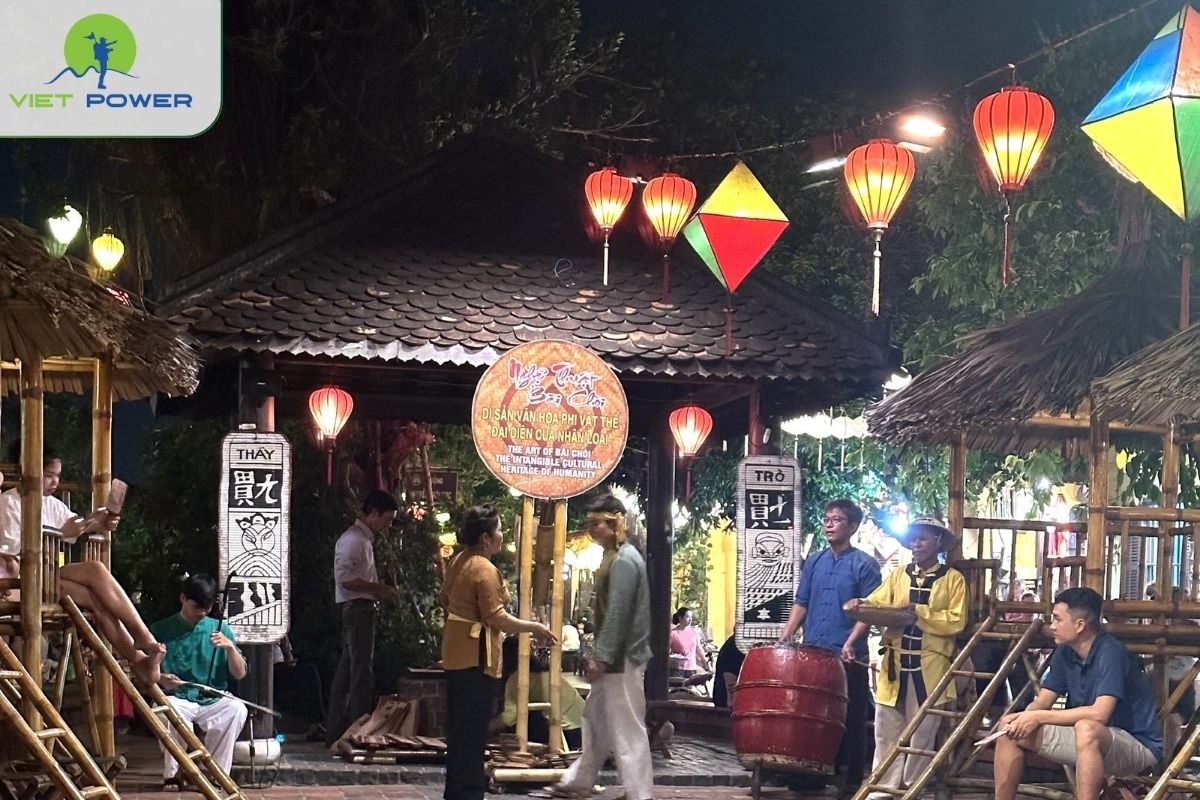
Quan Ho Singing stands as a living cultural expression that preserves harmony, courtesy, and collective memory through voice and tradition. From its unique melodies and costumes to iconic festivals such as Lim Festival, Quan Ho continues to shape the cultural identity of Northern Vietnam.
With carefully curated cultural journeys, travelers can experience this heritage in authentic settings while gaining insight into Vietnam’s enduring traditions. Explore more meaningful journeys with Vietpower Travel and discover the richness of Vietnam Culture.
Continue exploring Vietnam’s culture through its traditions, festivals, and local life. Visit our Vietnam culture category for more insights, then book a Vietnam culture tour with Vietpower Travel to experience it firsthand.
Please kindly send us your ideas about the tours: destinations, attractions, your group, hotel class... we will get back to you with details & best offers quickly. Surely, you will feel satisfactory!
 |
 |
 |
 |
 |
 |

.jpg) Customize Your Trip
Customize Your Trip
 Vietnam
 Thailand
 Laos
Laos Indonesia
 Cambodia
 Myanmar
 Indochina Tours