With Vietpower Travel, travelers can explore Don Ca Tai Tu, a living form of Southern Vietnamese folk music shaped by river life and community traditions. Rooted in the Mekong Delta, this musical heritage reflects skilled amateur performers, traditional instruments, and emotional expression passed down through generations. As an intangible cultural heritage recognized by UNESCO, Don Ca Tai Tu offers insight into how music continues to connect daily life, memory, and identity in Southern Vietnam.
Don Ca Tai Tu is a form of Traditional Music rooted in Southern Vietnam, especially the Mekong Delta. It belongs to Vietnamese folk music traditions shaped by daily life rather than royal or academic settings. Emerging in the late 19th century, it developed through community gatherings where people shared emotions, stories, and cultural values through music.
Because it is regularly practiced in homes, gardens, boats, and village spaces, Don Ca Tai Tu is considered a living cultural heritage, sustained through everyday performance and oral transmission.
The term “Tai Tu” refers to skilled amateur musicians who perform out of passion, not for formal court ceremonies. Their focus is emotional expression, musical interaction, and shared enjoyment.
Don Ca Tai Tu is distinct from other Vietnamese music forms. Ca Tru is associated with Northern scholarly traditions, Quan Ho follows structured antiphonal singing, and Royal Court Music serves ceremonial functions. In contrast, Don Ca Tai Tu reflects the open, expressive, and community-based character of Southern Vietnamese culture.
Don Ca Tai Tu is recognized by UNESCO as an intangible cultural heritage, highlighting its cultural value and regional identity. The recognition emphasizes that this tradition remains actively practiced today.
By continuing through family events and local gatherings, Don Ca Tai Tu preserves Southern Vietnamese identity and strengthens cultural continuity across generations.
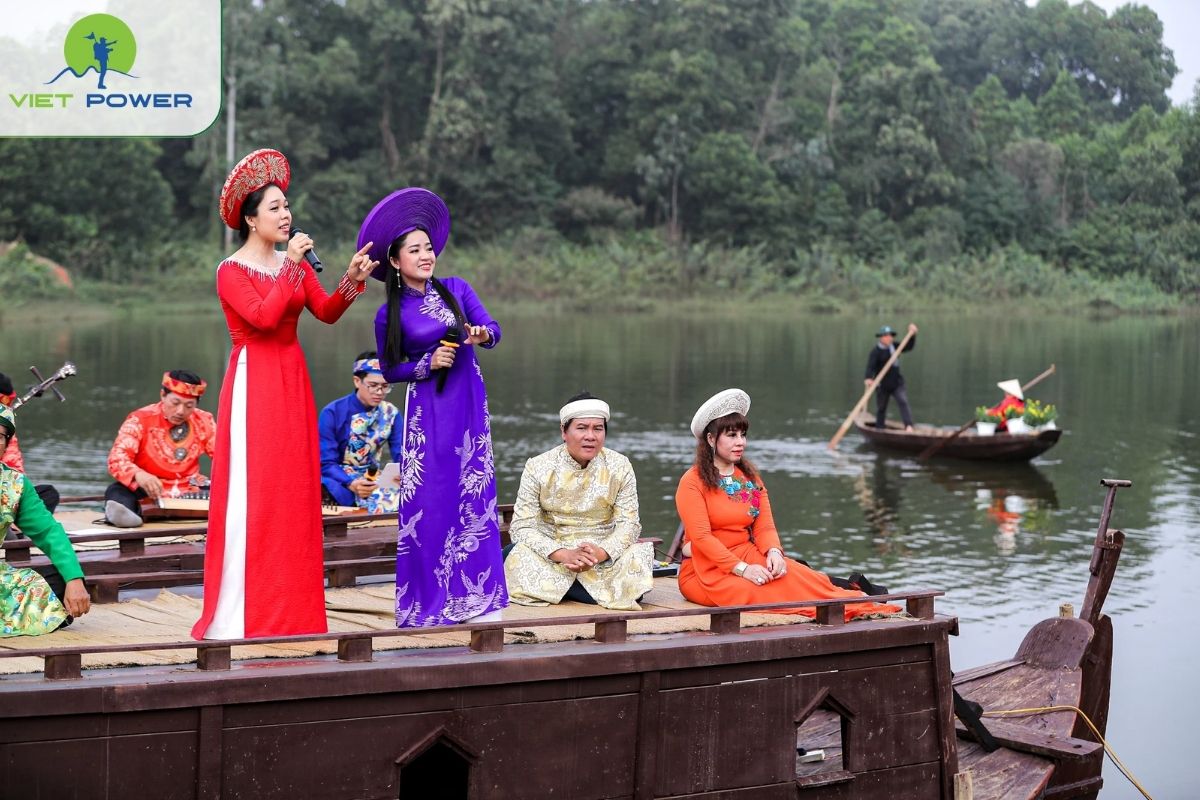
Don Ca Tai Tu emerged as a genuine expression of Southern Vietnamese music history, reflecting how local communities absorbed and reshaped musical influences over time. Its development shows strong authenticity, built through lived practice rather than formal institutions.
Don Ca Tai Tu took shape in the late 19th century, during a period of social change in Southern Vietnam. Musicians who migrated south brought elements of Hue royal court music, which then blended with local folk tradition shaped by river life, agriculture, and village gatherings.
This cultural exchange created a musical form that balanced refined melodic structures with a relaxed, expressive Southern style. From the Mekong Delta, Don Ca Tai Tu gradually spread across many southern provinces, becoming a shared cultural language among communities.
Originally, Don Ca Tai Tu functioned as a leisure activity among friends, families, and neighborhood groups. Over time, its artistic depth and social value gained wider recognition, transforming it into a symbol of Southern identity.
Don Ca Tai Tu also played a direct role in the development of Cai Luong, serving as its musical base. Many melodic patterns and expressive techniques were adapted for the stage, linking intimate community music with theatrical performance.
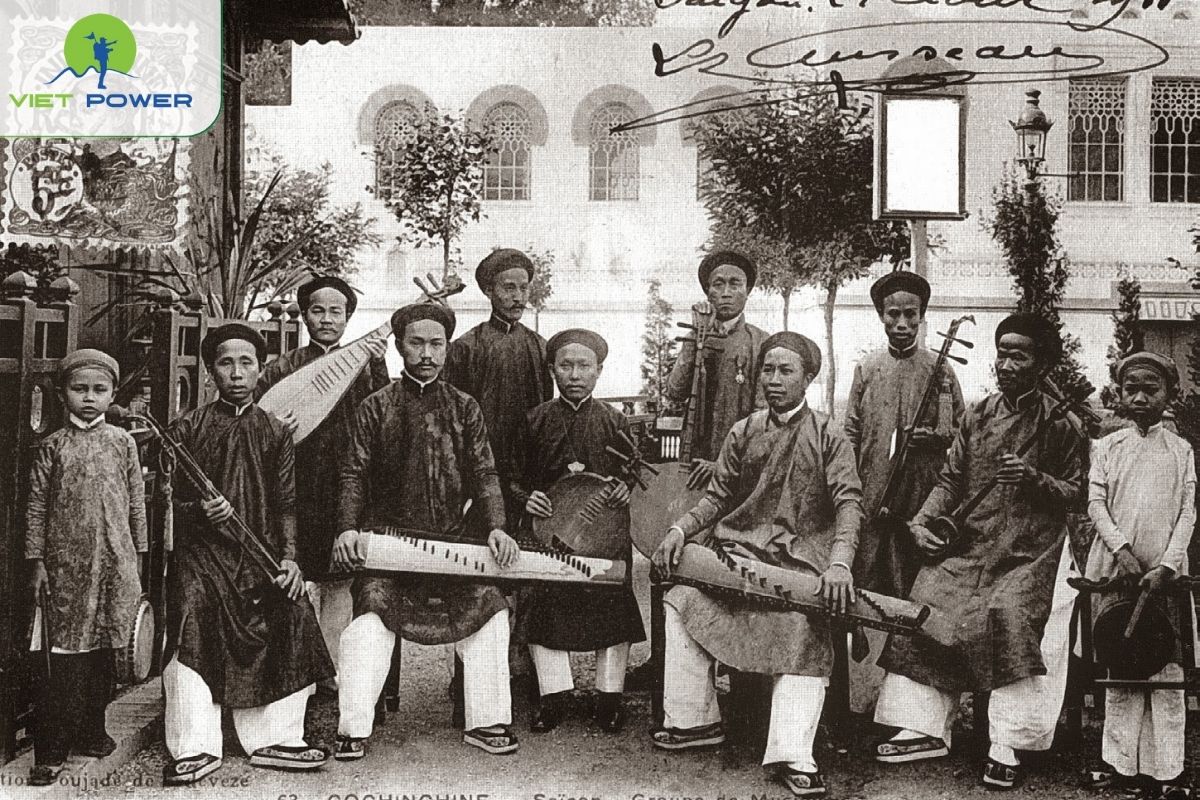
Vietnam culture music reflects centuries of history, from heartfelt folk songs to ceremonial court music and soulful gong traditions. Each region brings unique melodies and instruments such as the dan bau, dan tranh, and bamboo flute. Recognized by UNESCO and celebrated in festivals, these traditions connect visitors with authentic cultural values. You can explore more about Vietnam music in the following post!
Don Ca Tai Tu belongs to the Traditional Music forms that prioritize expression and interaction over strict execution. Its melodies allow performers to shape music in the moment, guided by emotion and shared understanding.
The music is built on established melodic frameworks, yet performers interpret them freely. Instead of fixed rhythm patterns, phrasing follows emotional flow, allowing subtle changes in timing and emphasis.
Each performance reflects the musician’s mood, life experience, and the surrounding setting, which gives Don Ca Tai Tu a personal and human quality.
Don Ca Tai Tu thrives on real-time musical dialogue. Musicians listen closely to one another, adjusting tempo, ornamentation, and phrasing as the performance unfolds.
This openness creates an atmosphere that feels intimate and spontaneous. The music grows through interaction rather than rehearsal, which explains why each performance sounds familiar yet never identical.
Continue exploring similar posts to learn more about Vietnam’s traditions, heritage, and way of life:
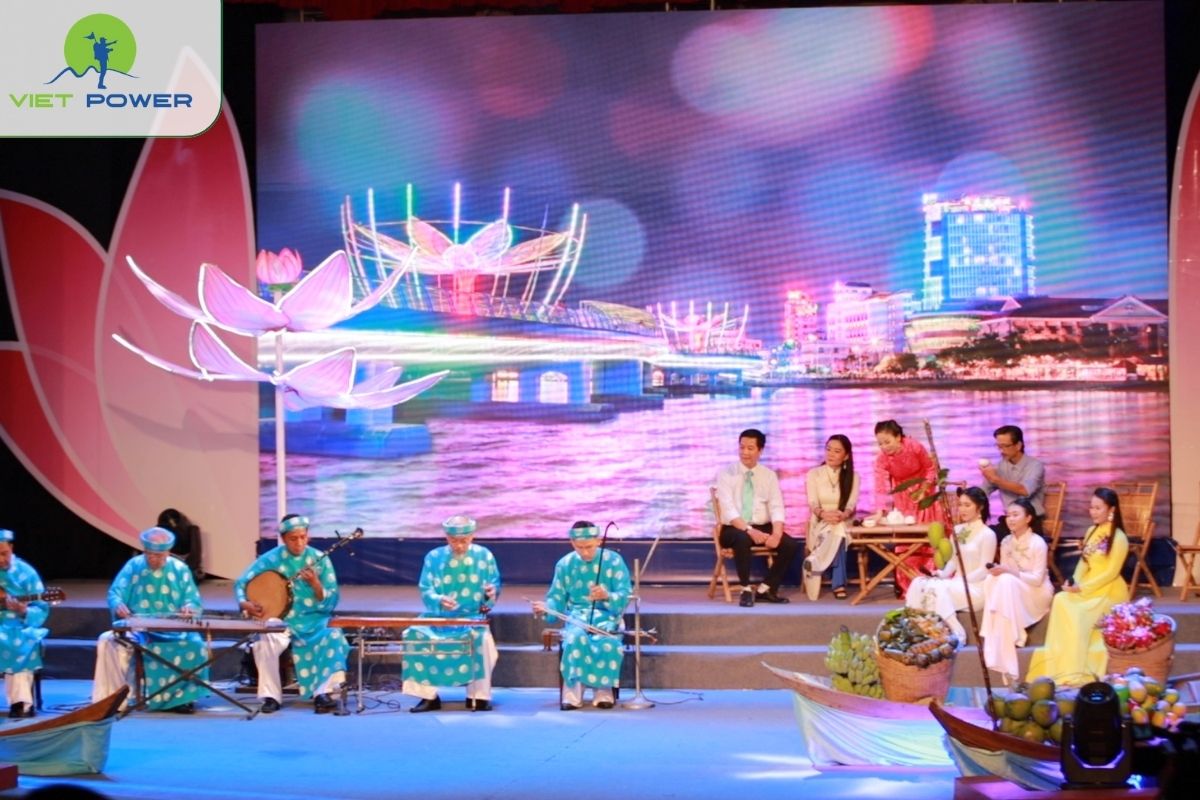
Don Ca Tai Tu relies on a compact folk ensemble centered on traditional string instruments. Each instrument contributes a specific musical role, shaping the genre’s expressive and conversational character within Southern Vietnamese culture.
The core ensemble typically includes dan tranh, dan kim, dan co, and dan bau.
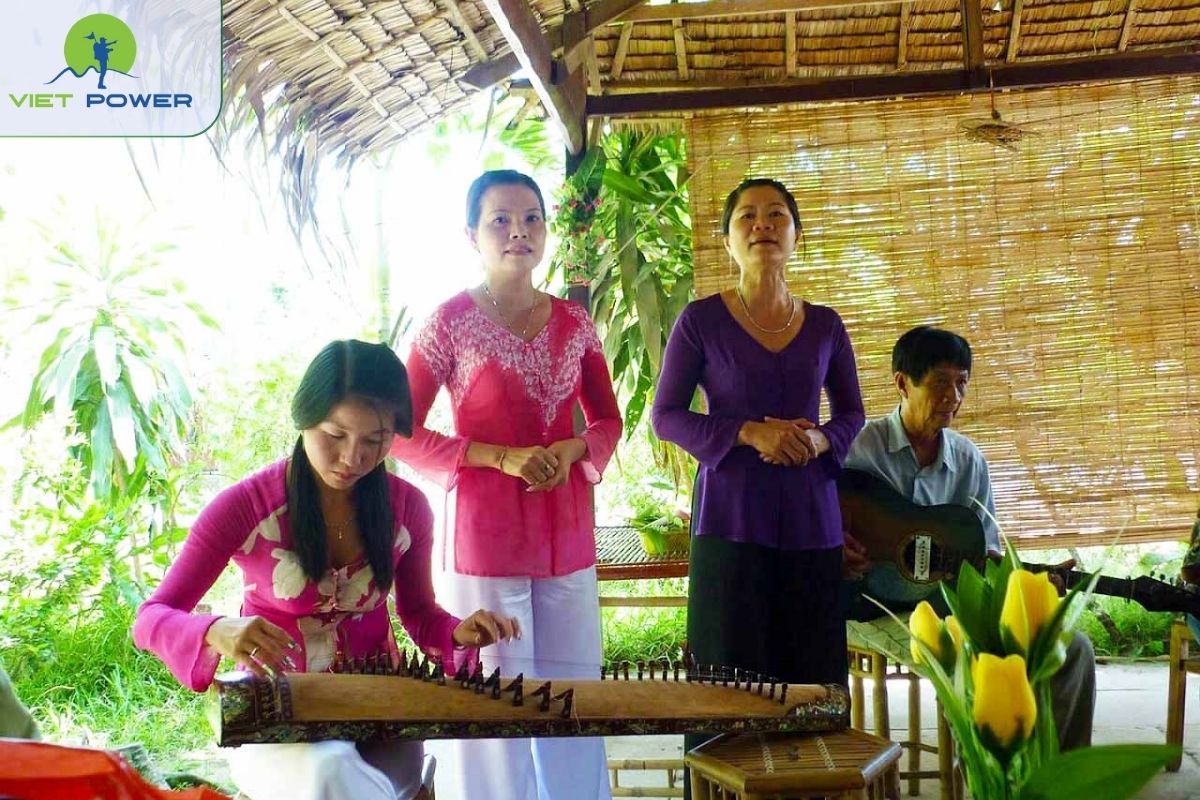
One defining feature of Don Ca Tai Tu is the guitar phím lõm, a Western guitar adapted with hollowed frets. This modification allows smoother bends and expressive slides suited to Southern Vietnamese music.
Its tone blends seamlessly with traditional instruments, creating a sound closely associated with Don Ca Tai Tu and reflecting how local musicians adapted external influences to fit regional aesthetics.
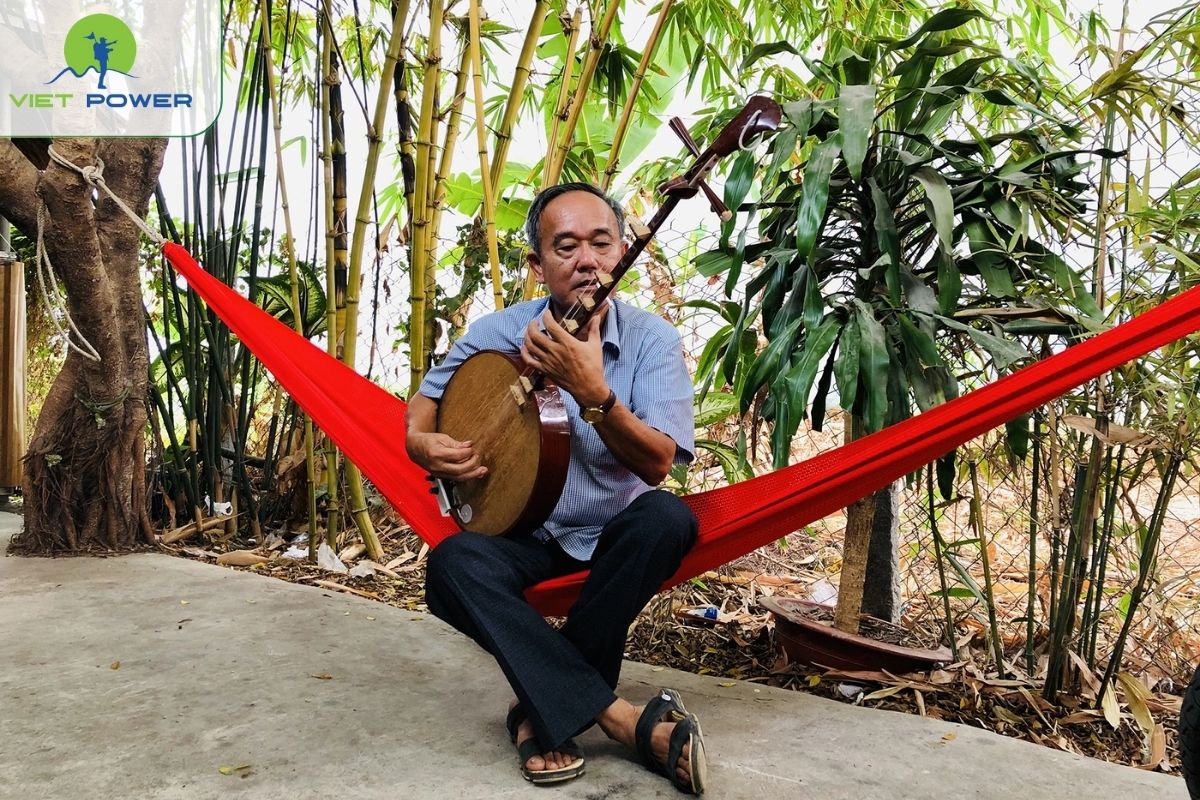
Discover Vietnam beyond the ordinary with a bespoke travel experience thoughtfully arranged by Vietpower Travel.
Don Ca Tai Tu is sustained through communal music practice, passed down by listening, imitation, and shared experience rather than formal schooling. This approach reinforces authenticity and continuity.
Performers are typically skilled amateurs rather than professional stage artists. Many are farmers, craftsmen, or local residents who develop musical expertise alongside everyday work.
Their performances reflect lived experience, personal emotion, and close social ties, which gives the music a grounded and sincere quality within Traditional Music traditions.
Don Ca Tai Tu is commonly performed in homes, gardens, boats, and village courtyards. These settings encourage relaxed interaction and shared enjoyment.
Music becomes part of daily life rather than a staged presentation, allowing performers and listeners to connect through sound, memory, and community presence.
Let’s explore more posts on this topic to discover even more about Vietnam’s unique culture:
Don Ca Tai Tu grew from rural Southern life, where music accompanies daily routines rather than formal occasions. Its melodies, themes, and performance settings closely follow the rhythm of village communities across the Mekong Delta.
In river-based communities, daily life is shaped by waterways, farming cycles, and seasonal change. Don Ca Tai Tu mirrors this pace through relaxed tempos and expressive phrasing that follow agricultural rhythms rather than strict timing.
Lyrics often revolve around love, nature, family bonds, and attachment to homeland. These themes reflect how Southern people relate to their surroundings—fields, rivers, and villages—turning everyday experiences into musical expression within Traditional Music practice.
For local communities, Don Ca Tai Tu serves as the “voice” of Southern people. It conveys emotion through sound rather than spectacle, allowing listeners to recognize shared memories and values.
Because it is passed down through lived experience, many locals view Don Ca Tai Tu as cultural memory preserved through music, carrying personal stories across generations.
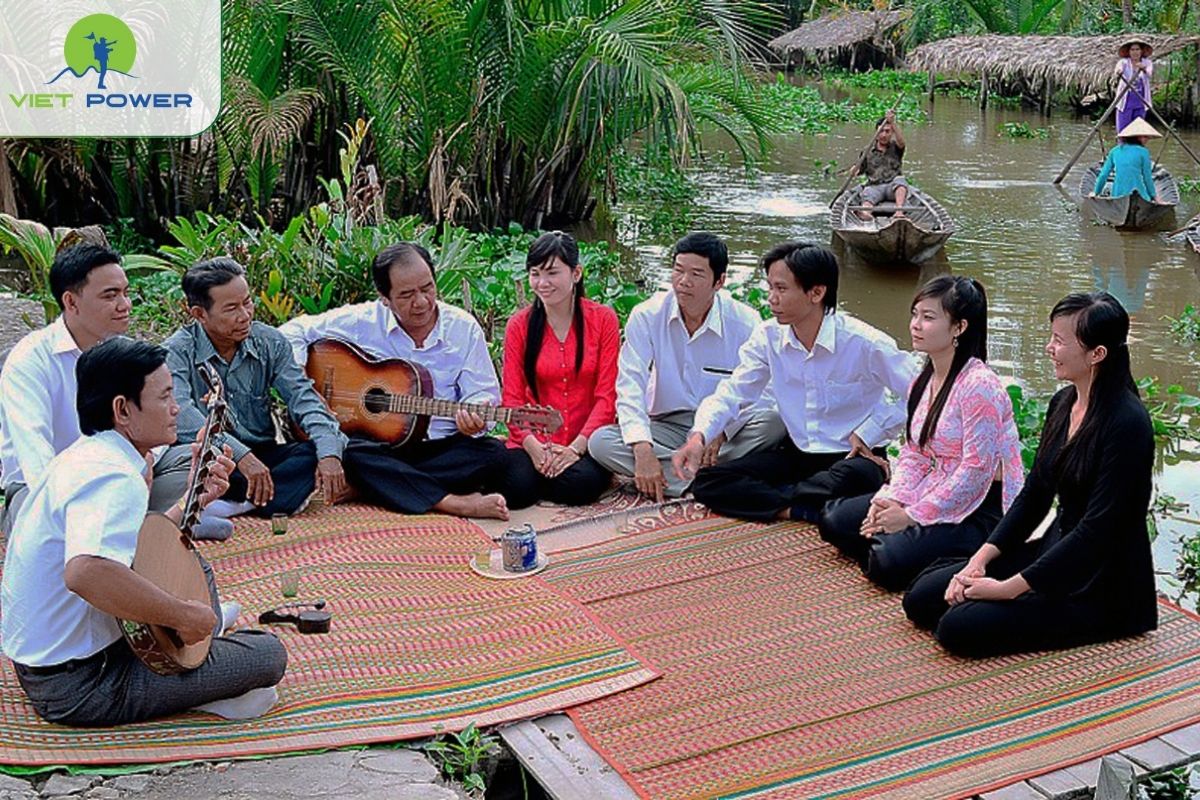
Don Ca Tai Tu can still be experienced today in Southern Vietnam, especially in the Mekong Delta. Instead of concert halls, this music is usually performed in community spaces where local life takes place.
Travelers can experience Don Ca Tai Tu in provinces such as Ben Tre, Can Tho, Tien Giang, and Bac Lieu. Performances often take place in cultural villages, traditional houses, and during river cruises along canals and tributaries.
These locations provide natural contexts where music blends with local scenery and daily activity.
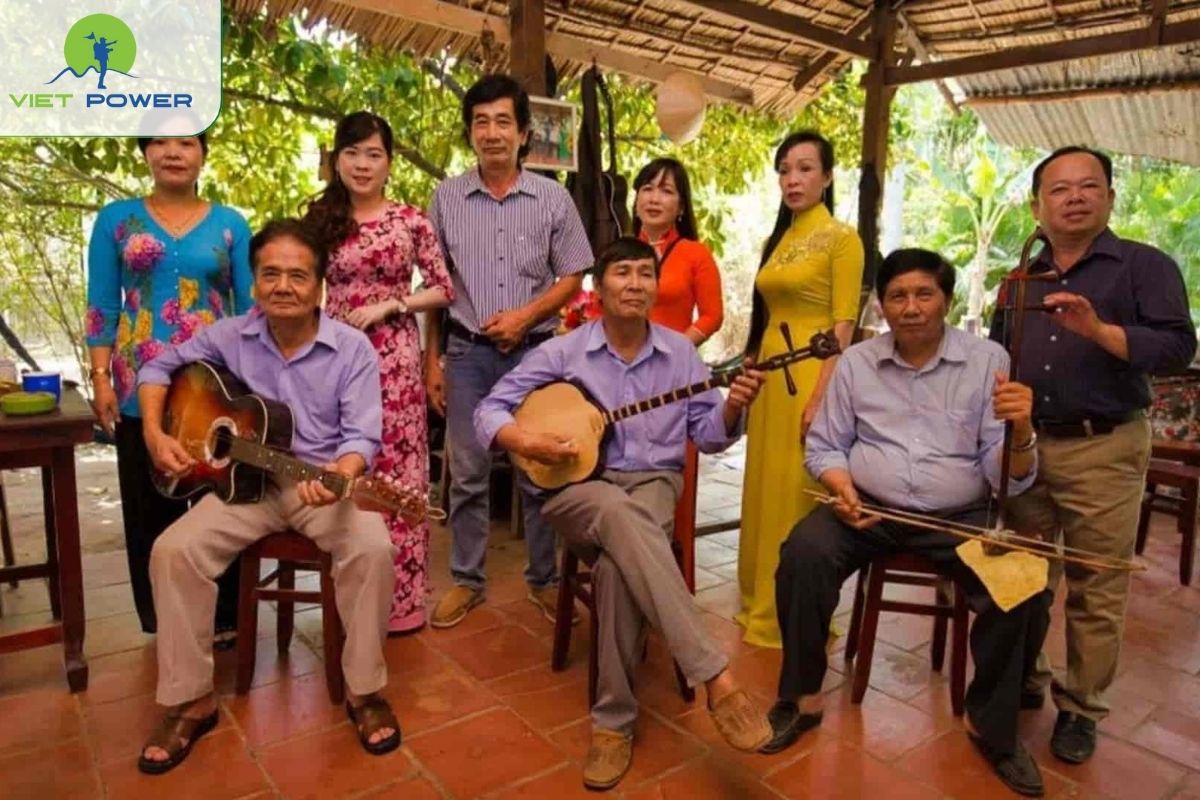
The most meaningful encounters happen in small-group settings, where musicians perform for sharing rather than display. Community-based cultural visits allow travelers to listen, observe, and engage respectfully.
Such experiences avoid staged presentation and preserve the original atmosphere of Don Ca Tai Tu, offering travelers an insightful connection to Southern Vietnamese life through sound and storytelling.
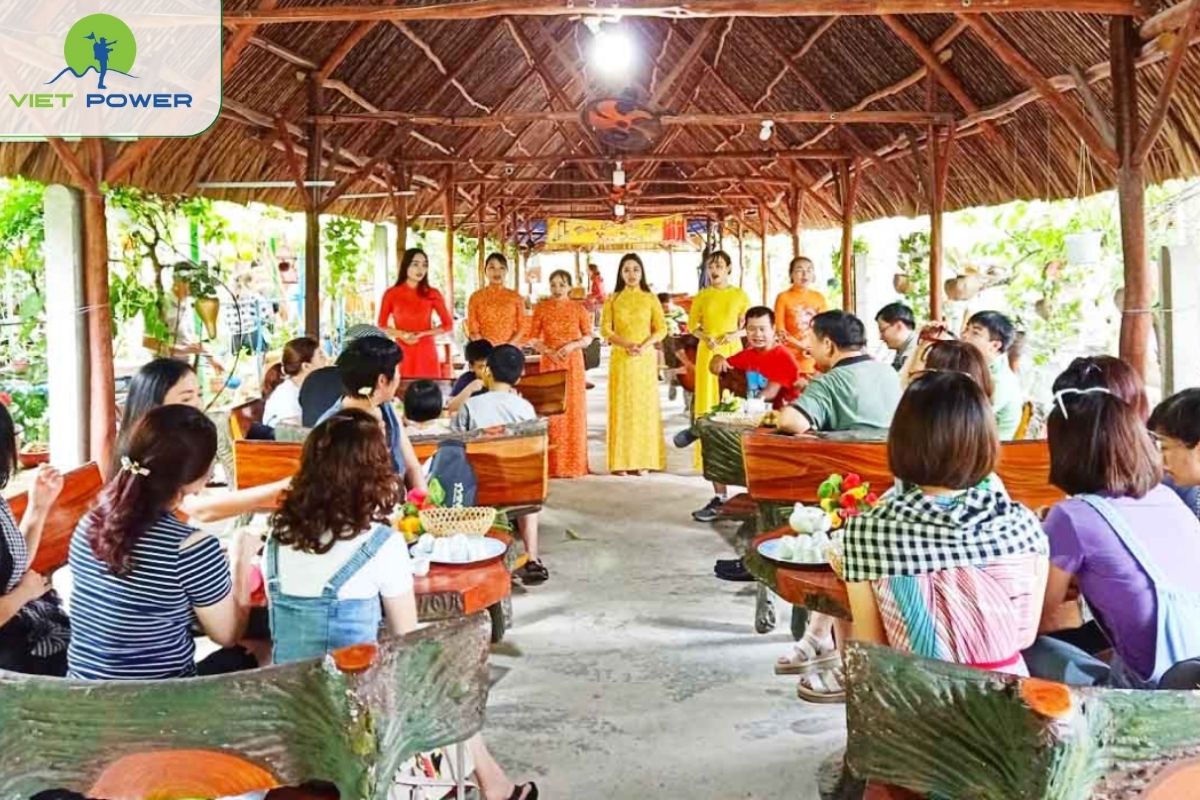
Don Ca Tai Tu remains closely tied to rural Southern life, from village gatherings to riverbank homes across the Mekong Delta. Experiencing this music in authentic community settings allows travelers to understand Southern identity beyond sightseeing. Through carefully curated cultural journeys, Vietpower Travel connects visitors with meaningful local experiences that preserve and share the true spirit of Vietnamese culture.
Please kindly send us your ideas about the tours: destinations, attractions, your group, hotel class... we will get back to you with details & best offers quickly. Surely, you will feel satisfactory!
 |
 |
 |
 |
 |
 |

.jpg) Customize Your Trip
Customize Your Trip
 Vietnam
 Thailand
 Laos
Laos Indonesia
 Cambodia
 Myanmar
 Indochina Tours