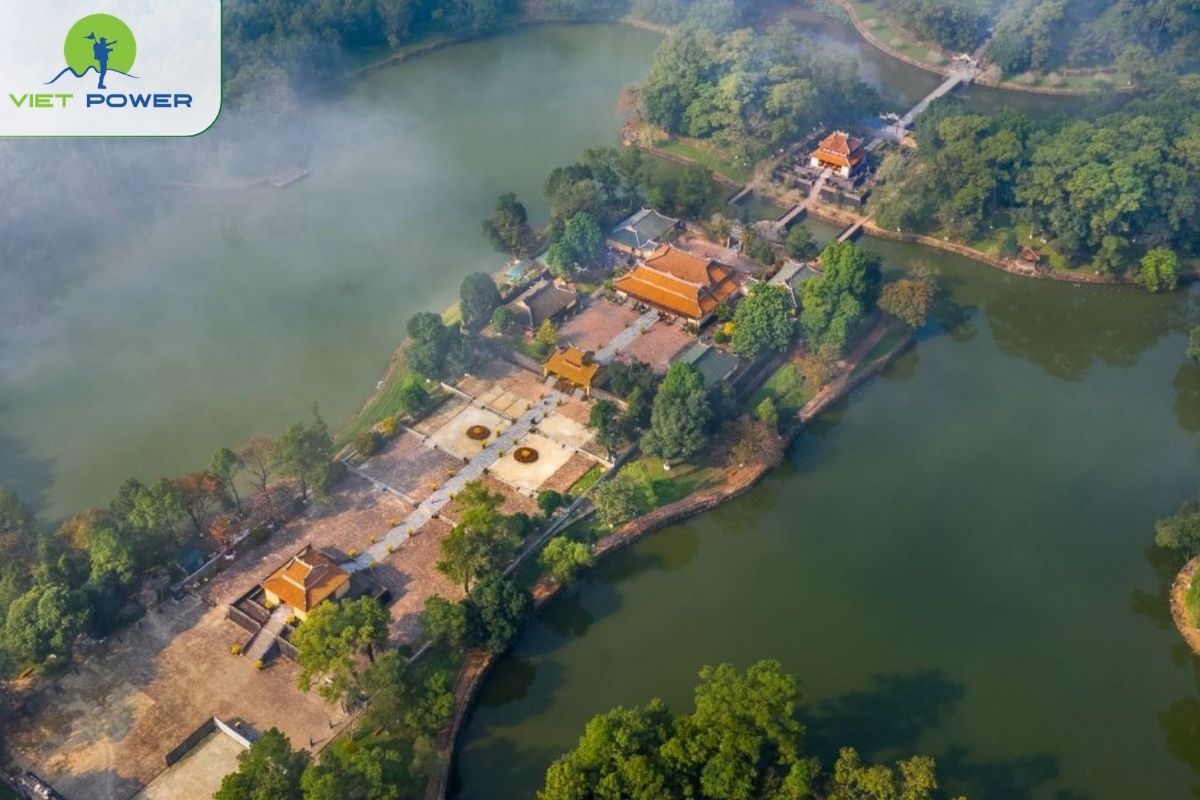
Minh Mang Mausoleum is one of the most remarkable royal tombs in Hue, known for its harmonious layout, imperial character, and peaceful natural setting. Also called the Mausoleum of Emperor Minh Mang or Hieu Lang, this site reflects the history of the Nguyen Dynasty through its symmetrical design, ceremonial spaces, and poetic landscape.
For travelers who want to explore Hue with deeper cultural insight, Vietpower Travel is a trusted companion for well-planned Vietnam journeys. With local knowledge and thoughtfully arranged itineraries, Vietpower Travel helps visitors experience heritage sites like Minh Mang Mausoleum in a smoother, more meaningful way.
Minh Mang Mausoleum is one of the most admired royal tombs in Hue. It is known for its historical value, symmetrical design, and peaceful natural setting. Before exploring its history and architecture in detail, visitors should know what the site is, where it is located, how long a visit takes, and why it stands out among Hue royal tombs.
The Mausoleum of Emperor Minh Mang is the royal tomb of Emperor Minh Mang, the second ruler of the Nguyen Dynasty. It is also known as Tomb of King Minh Mang, Minh Mang Tomb, and Hieu Lang. The site combines a burial area, worship spaces, and landscaped grounds in one unified imperial complex.
Minh Mang Tomb is located at Cam Ke Mountain, Huong Tho Commune, Hue City, Thua Thien Hue, Vietnam
It is about 12–14 kilometers southwest of Hue city center, so it is easy to include in a half-day cultural trip. The site is surrounded by hills, water, and the wider landscape linked to the Perfume River, which gives it a calm and scenic atmosphere.
Most visitors should spend around 1 to 2 hours at the site. That is enough time to walk through the main areas, enjoy the scenery, and see the key architectural highlights. Travelers who like photography or slow sightseeing may want to stay longer.
Minh Mang Tomb offers a different experience from other Hue royal tombs. The table below shows how it compares with Tu Duc Tomb and Khai Dinh Tomb in terms of atmosphere, design, and visitor appeal.
|
|
|
|
|
|
|
|
|
|
|
|
|
|
|
|
|
|
|
|
|
|
|
|
|
|
|
|
|
|
Let’s continue exploring more about Vietnam and all the incredible places it has to offer. Visit our Vietnam tourist attractions category to discover in-depth guides, travel ideas, and hidden gems across the country.
To appreciate the history of Minh Mang Mausoleum fully, visitors should first understand the ruler behind it and the era that shaped its creation. The site reflects the personal vision of Emperor Minh Mang as well as the political ideals, cultural values, and ceremonial priorities of the Nguyen Dynasty.
Emperor Minh Mang was the second emperor of the Nguyen Dynasty and one of its most influential rulers. He is often remembered for discipline, strong central governance, administrative reform, and a deep commitment to Confucian values. These traits shaped the tone of his reign and also influenced the character of his mausoleum.
He was also known for scholarship and literary taste. Minh Mang valued learning, order, and moral conduct, and these ideas can be felt throughout the site. The calm structure, formal arrangement, and restrained elegance of the mausoleum reflect the mindset of a ruler who valued hierarchy, balance, and intellectual refinement.
The site for Minh Mang Mausoleum was chosen through a long and deliberate process rather than a quick decision. Historical accounts show that the Nguyen court spent many years searching for a location that matched imperial expectations. The choice of land depended on feng shui, terrain, water flow, mountain setting, and the relationship between natural features across the surrounding landscape.
This careful planning had a clear purpose. The mausoleum was meant to preserve imperial order even after the emperor’s death. Its setting had to express dignity, harmony, and continuity, while also linking royal power with nature. That is why the final location feels both ceremonial and peaceful.
Planning for the mausoleum began long before construction started. After years of searching for a suitable site, work officially began in 1840. However, Emperor Minh Mang died before the project was finished, so he did not see the completed form of his own royal resting place.
After his death, Emperor Thieu Tri continued the work according to the original direction. The mausoleum was completed in 1843. This timeline gives the history of Minh Mang Mausoleum added meaning, since the site carries both the vision of Minh Mang and the filial duty of his successor.
Discover more posts on the same topic to deepen your travel inspiration:
Minh Mang Mausoleum is admired for its clear order, strong symbolism, and peaceful natural setting. The complex covers about 18 hectares and includes around 40 structures arranged along a sacred axis of roughly 700 meters. This layout creates a formal journey from the entrance to the emperor’s burial area and gives the site its balanced, solemn character.
One of the site’s most striking features is its symmetrical tomb design. The buildings are arranged along a straight central axis, so each space leads naturally to the next. This makes the visit feel ceremonial, with a clear progression from gate to courtyard, temple, pavilion, lake, and burial enclosure.
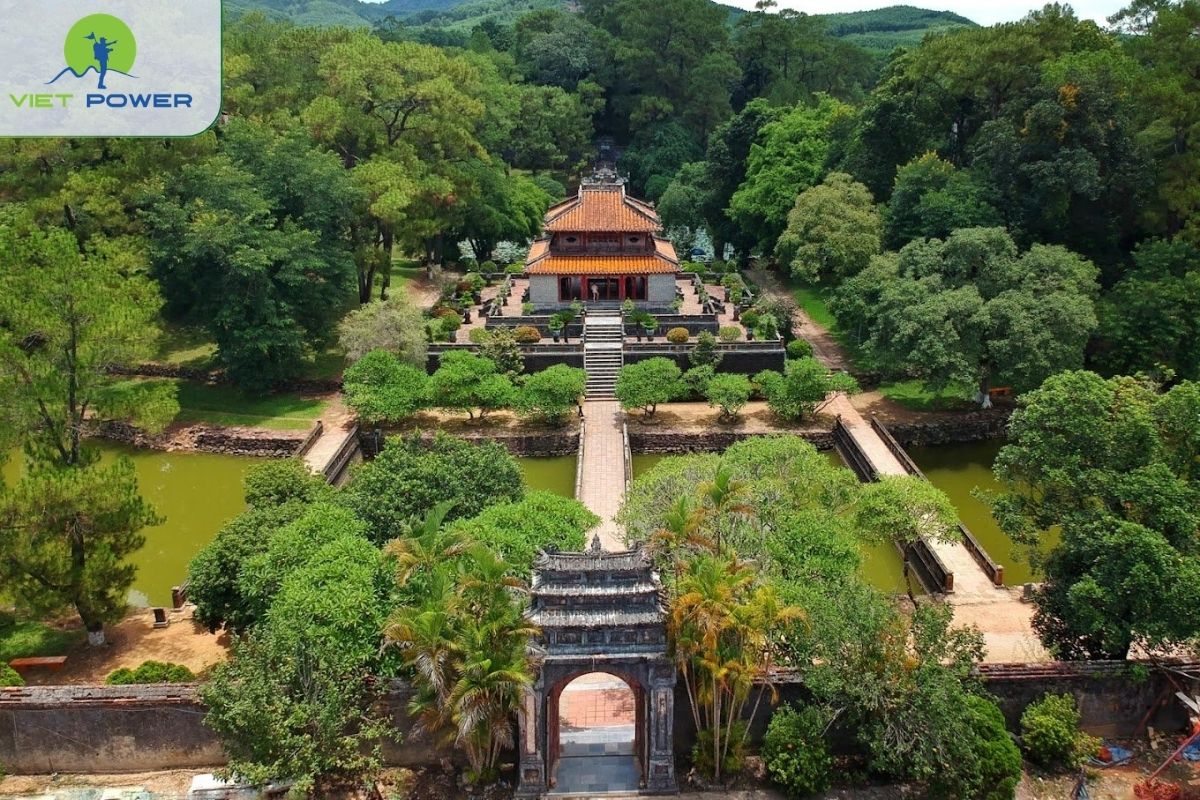
Minh Mang Mausoleum is more than a grave. It is a royal temple complex that includes Dai Hong Mon, Bai Dinh, Sung An Temple, Minh Lau, Tan Nguyet Lake, bridges, gardens, and Buu Thanh. Because of this, the site feels like a complete imperial landscape rather than one isolated structure.
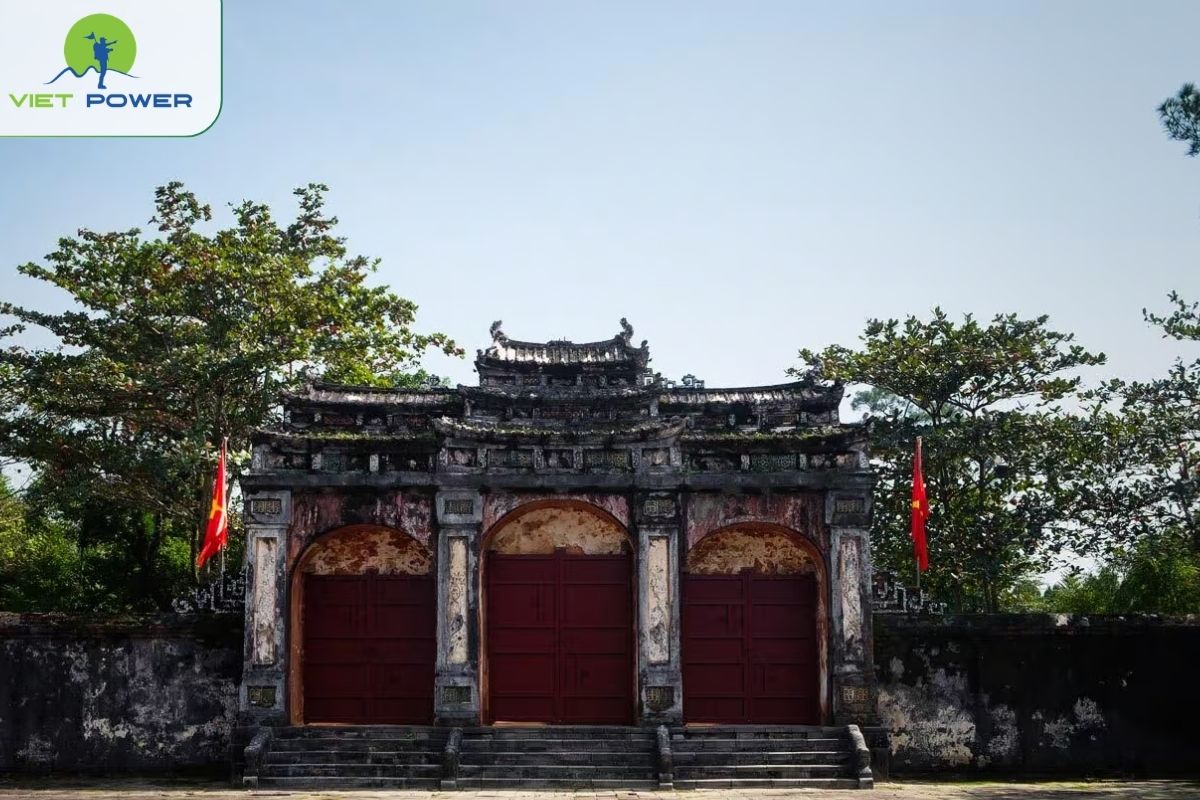
The gates and courtyards give the mausoleum a strong ceremonial mood. Dai Hong Mon is especially symbolic because its central gate was opened only once to bring in the emperor’s coffin. After that, it remained closed. Beyond it, Bai Dinh with stone statues of mandarins, horses, and elephants creates a formal and dignified approach.
The lakes, trees, and gardens soften the strict symmetry of the architecture. Tan Nguyet Lake, with its crescent shape, is one of the most beautiful parts of the complex. Together with the bridges and shaded grounds, it gives the mausoleum a calm and reflective atmosphere.
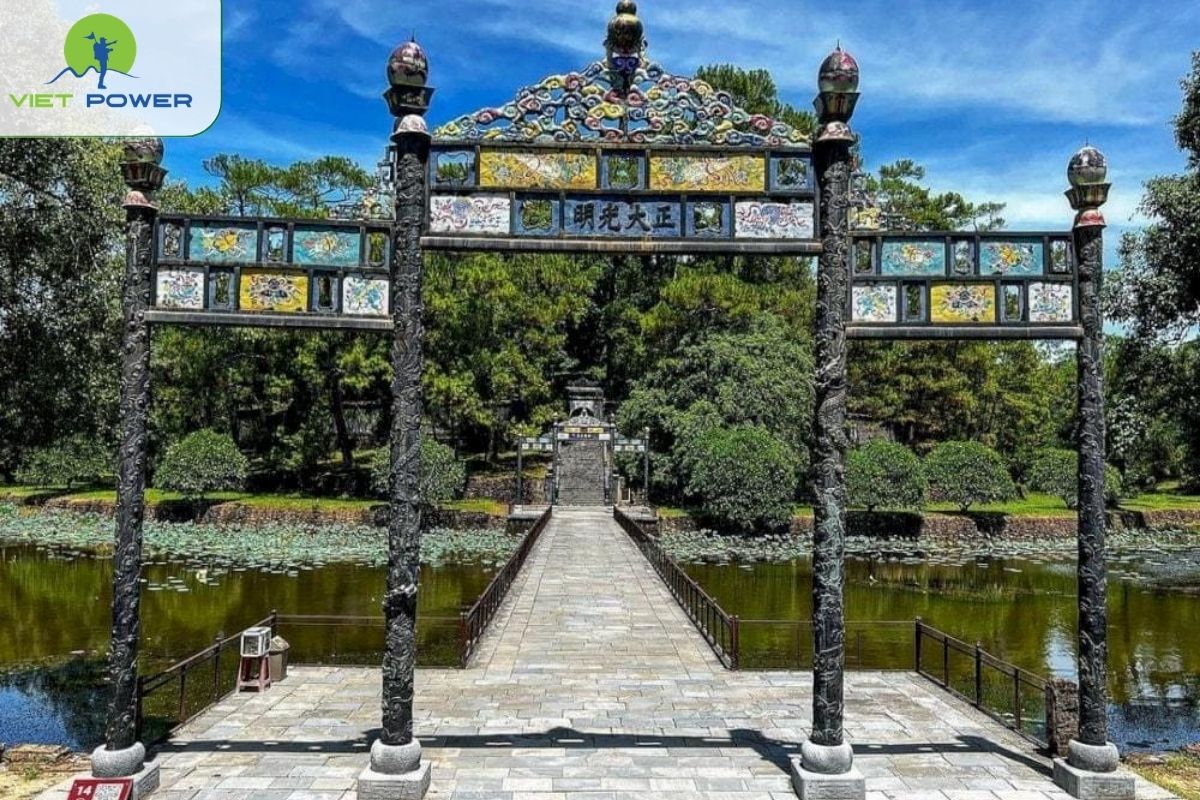
The design reflects Confucian ideas of hierarchy, discipline, and harmony. Feng shui also played a key role in choosing the site near hills, water, and the river landscape. The overall form has often been compared to a person lying at rest, while Buu Thanh and Tan Nguyet Lake are linked with sun-and-moon symbolism. These elements make the mausoleum rich in meaning as well as beauty.
Experience Vietnam your way with a custom-crafted itinerary created by the experts at Vietpower Travel.
Minh Mang Mausoleum reveals itself through a carefully ordered sequence of spaces, each with its own role and atmosphere. As visitors move deeper into the complex, they pass through ceremonial gates, formal courtyards, sacred worship areas, poetic landscape features, and finally the emperor’s resting place.
Dai Hong Mon is the main gate of Minh Mang Mausoleum and one of its strongest symbolic features. Built as the formal entrance to the complex, it marks the beginning of the ceremonial route through the site. Its scale and position immediately set a serious and respectful tone.
The central gate carries special meaning because it was traditionally opened only once for Emperor Minh Mang’s funeral procession. After that, it remained closed, while visitors entered through the side gates. Because of this, Dai Hong Mon still represents royal ritual, sacred entry, and the dignity of imperial tradition.
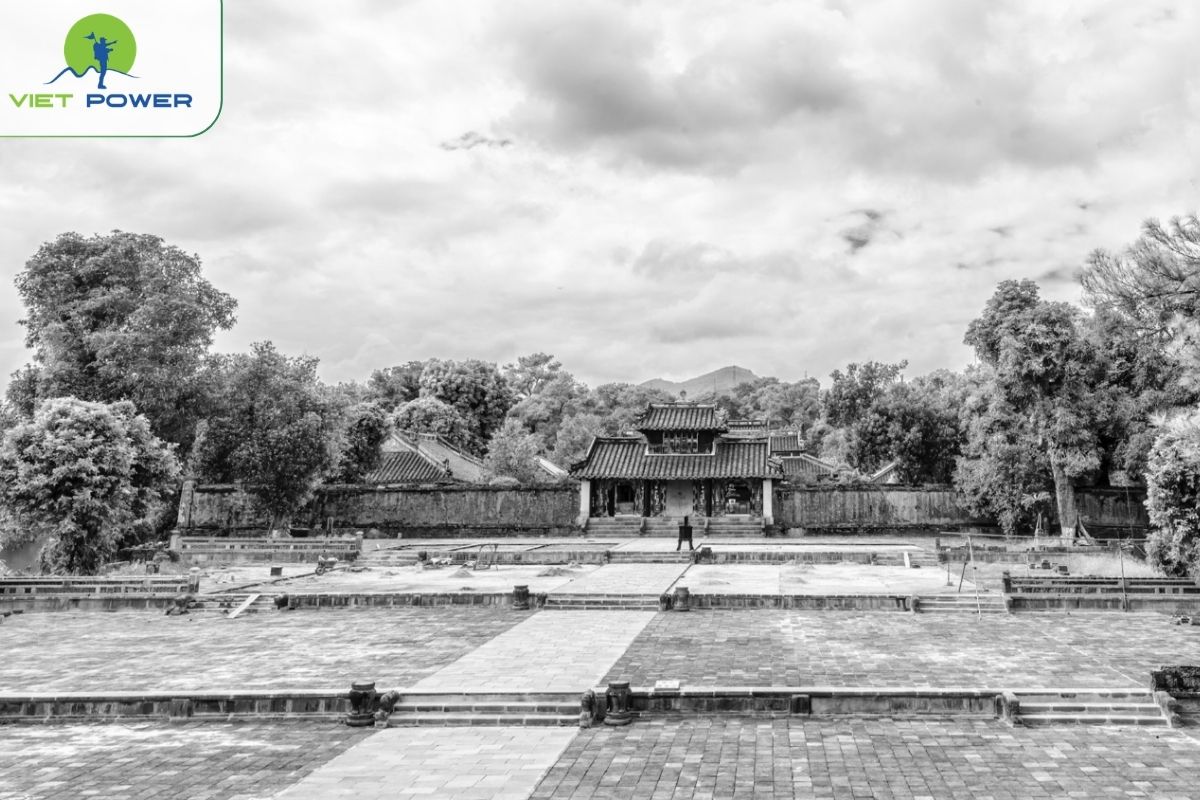
Bai Dinh Courtyard is one of the most formal spaces in the mausoleum. Its wide, open layout creates a sense of order and ceremony, preparing visitors for the more sacred areas beyond. The atmosphere here feels stately and restrained, matching the imperial character of the site.
On both sides of the courtyard, stone statues of officials, horses, and elephants reinforce that ceremonial mood. Nearby, the stele pavilion honors the emperor’s life and achievements through an inscribed stone stele. This area gives visitors a clearer sense of Minh Mang’s status, legacy, and place within Nguyen Dynasty history.
.jpg)
Hien Duc Gate leads into the main worship area of the mausoleum. This section shifts the experience from public ceremony to spiritual remembrance. The mood becomes quieter and more inward, with architecture that supports ritual and reverence.
Sung An Temple is the main sacred structure in this area. It reflects the spiritual side of the mausoleum and deepens the site’s royal meaning. Here, the focus is no longer on approach and procession, but on memory, worship, and the continuing presence of imperial authority.
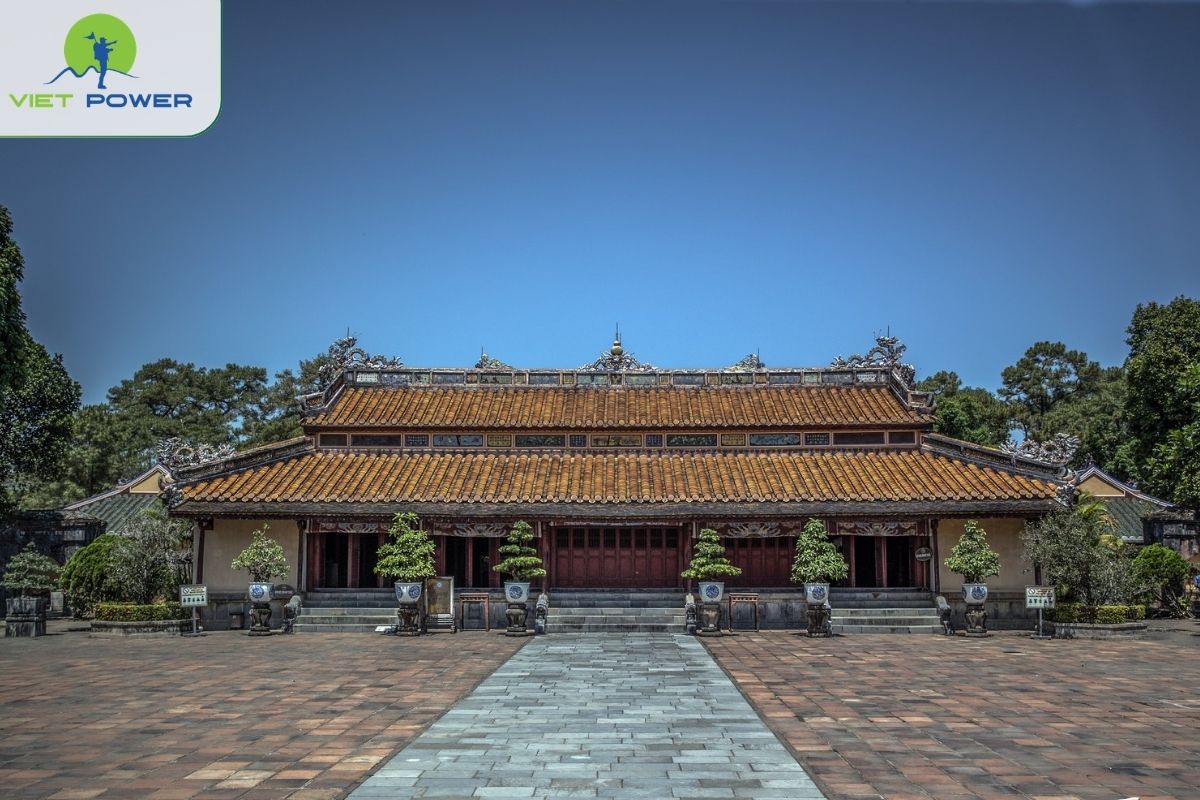
Minh Lau Pavilion is one of the visual highlights of Minh Mang Mausoleum. Rising in a calm but commanding position, it offers one of the most beautiful views across the surrounding grounds. Its placement makes it feel elevated in both a physical and symbolic sense.
The pavilion is closely associated with contemplation and literary spirit. It reflects the refined side of Emperor Minh Mang’s character and shows how architecture and landscape were meant to work together. From here, the mausoleum feels both orderly and peaceful, with its balance of buildings, trees, water, and open space.
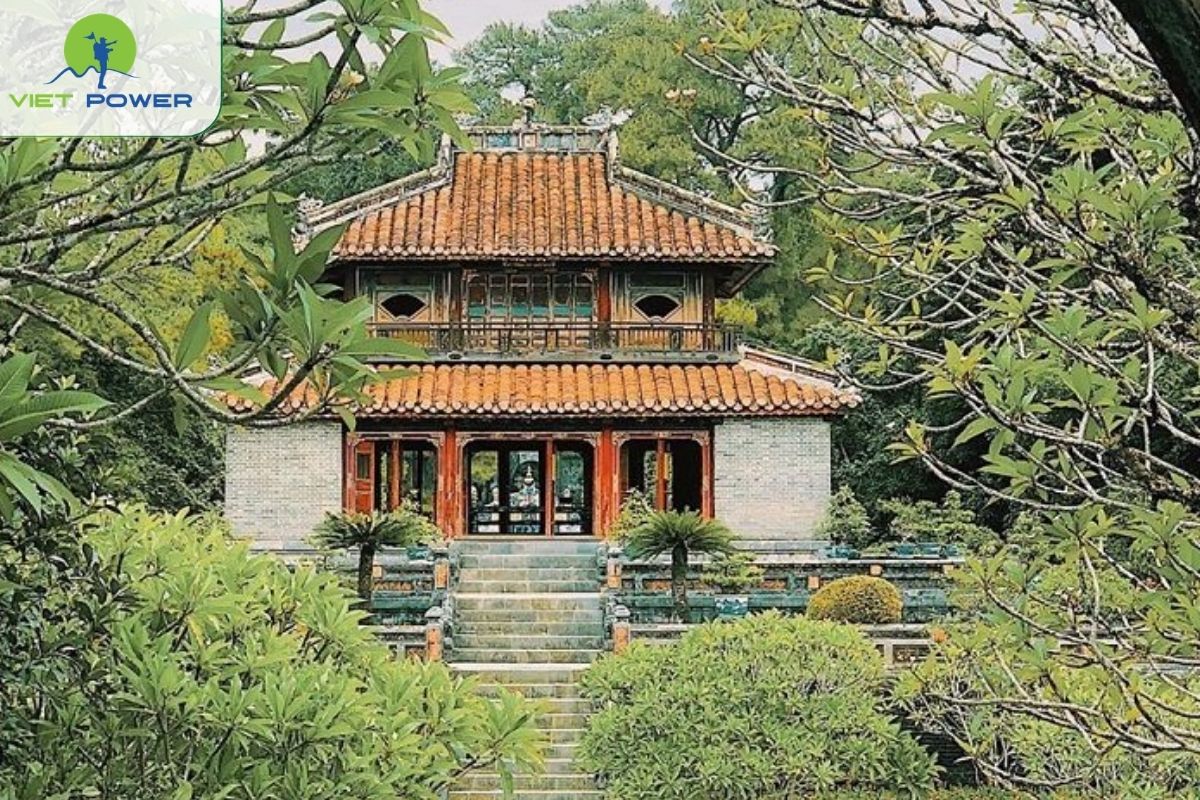
Tan Nguyet Lake is one of the most poetic elements in the entire complex. Its gentle form adds softness to the structured layout and gives the mausoleum a more reflective mood. The water creates visual calm and helps balance the formal arrangement of gates, temples, and courtyards.
The bridges and paths around the lake support both movement and symbolism. They guide visitors forward while also creating pauses between major structures. Together with the surrounding garden space, they give the site a quieter emotional rhythm and make the visit feel more graceful.
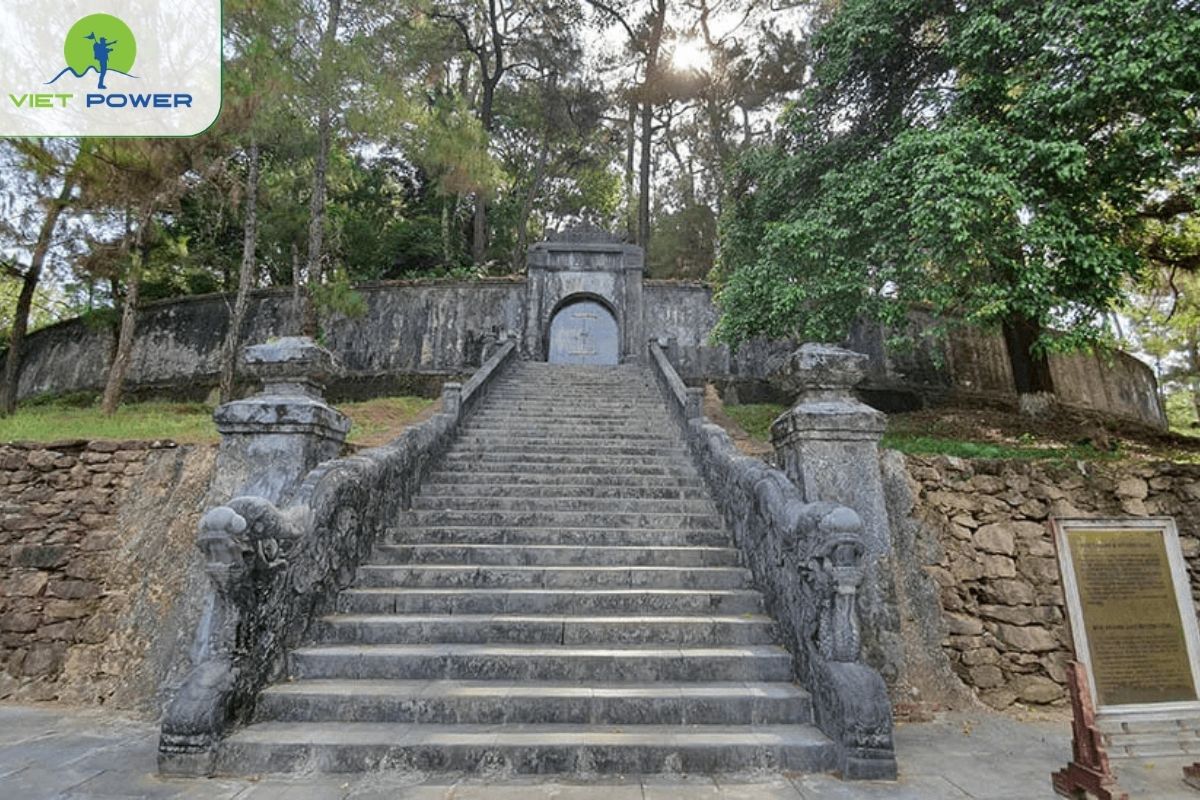
Buu Thanh is the most sacred and restricted part of Minh Mang Mausoleum. This enclosed area marks the emperor’s final resting place and stands at the end of the ceremonial sequence. By the time visitors reach it, the atmosphere has become more still and deeply reflective.
Its quiet and enclosed character gives the mausoleum much of its emotional depth. Unlike the more open and formal sections at the front, Buu Thanh feels guarded, private, and solemn. This contrast makes the burial zone especially powerful and leaves a lasting impression of reverence and peace.
Let’s explore more posts on this topic to discover even more about Vietnam:
A smooth visit to Minh Mang Mausoleum depends on simple planning. Visitors should know how to get there, when to go, how much walking to expect, and what to wear before arriving.
What Is the Best Way to Visit Minh Mang Mausoleum?
A private car or taxi is the easiest option because it is quick and comfortable from Hue. A motorbike gives more flexibility for travelers who want to move at their own pace. A dragon boat offers a more scenic route along the Perfume River. For visitors who want more cultural context, a guided tour is a good choice.
Is Minh Mang Tomb Easy to Reach from Hue?
Yes, Minh Mang Tomb is easy to reach from Hue. It is a tomb near Hue city, about 12–14 km from the center, so it works well for both independent travelers and guided tours. It can also be combined with other heritage stops in the same outing, which makes it suitable for heritage sightseeing Hue and Hue day trip attractions.
When Is the Best Time to Visit?
Spring and the dry season are usually the most pleasant times to visit. Morning is often better because the weather is cooler and the light is softer for photos. Weather matters because it affects both walking comfort and the overall experience.
What Should Visitors Wear and Keep in Mind?
Visitors should wear modest and comfortable clothing because this is both a heritage site and a worship space. It is best to keep noise low, follow site rules, and behave respectfully throughout the visit.
Minh Mang Mausoleum brings together royal history, refined architecture, and a calm atmosphere that leaves a lasting impression on visitors to Hue. Its balanced design and cultural depth make it one of the most rewarding Hue Tourist Attractions for travelers interested in heritage and imperial history.
Plan your trip to Hue and experience its timeless beauty through places like Minh Mang Mausoleum. Travel with Vietpower Travel and enjoy a richer journey through one of Vietnam’s most memorable cultural destinations
Please kindly send us your ideas about the tours: destinations, attractions, your group, hotel class... we will get back to you with details & best offers quickly. Surely, you will feel satisfactory!
 |
 |
 |
 |
 |
 |

.jpg) Customize Your Trip
Customize Your Trip
 Vietnam
 Thailand
 Laos
Laos Indonesia
 Cambodia
 Myanmar
 Indochina Tours